
UNESCO World Heritage Sites are some of the most celebrated destinations on Earth, known for their cultural, historical, and natural significance. Yet many of the world’s most iconic sites have become overcrowded, with long lines, packed tours, and a sense of hurried sightseeing that can overshadow their true beauty. For travelers seeking a more intimate and meaningful experience, there are still lesser-known or emerging UNESCO locations where the magic of the site can be appreciated without the distraction of large crowds.
From hidden ruins tucked away in remote landscapes to ancient cities that have yet to be flooded with tourism, these sites offer a chance to connect deeply with history, architecture, and nature. Visiting these destinations now allows travelers to experience authenticity, tranquility, and cultural richness before widespread recognition changes the environment and atmosphere. Whether you are drawn to ancient temples, medieval towns, or stunning natural formations, these twenty-two UNESCO sites remain largely undiscovered by mass tourism and are waiting to be explored with calm and reverence.
Hampi, India
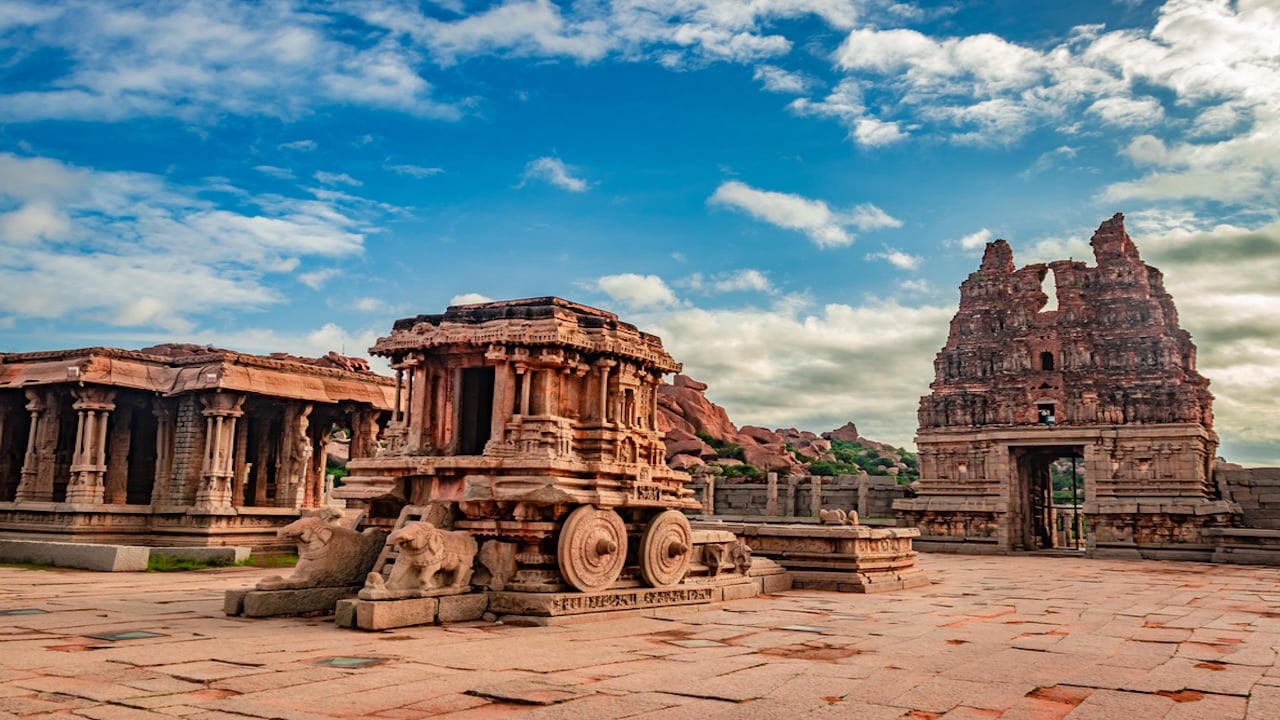
Hampi is a sprawling UNESCO World Heritage Site in Karnataka, India, where centuries-old ruins of the Vijayanagara Empire are set amidst surreal boulder-strewn landscapes, offering a unique glimpse into ancient urban planning and architectural ingenuity.
Unlike India’s more famous monuments, Hampi remains relatively uncrowded, allowing visitors to explore temples, palaces, and market streets at their own pace without the disruption of tourist congestion. Its stone chariot, lotus-shaped water tanks, and intricately carved mandapas reveal extraordinary craftsmanship preserved over hundreds of years. Daily life in nearby villages continues largely undisturbed, blending seamlessly with the historic environment.
Visitors can wander through vast fields dotted with ruins, observe local artisans, and feel a profound sense of history without rushing. The combination of natural beauty, historical depth, and solitude makes Hampi a rare UNESCO destination where reflection and discovery remain possible.
Exploring Hampi reveals a rhythm of life that connects past and present, emphasizing human creativity, spirituality, and resourcefulness. Temples host ceremonies still observed by locals, adding a layer of living culture to the stone architecture.
Markets and pathways allow visitors to witness traditional crafts, foods, and community interactions. Photography, sketching, and quiet contemplation are welcomed without restrictions or crowds. The warm sun illuminates carved facades and boulder-strewn landscapes, enhancing every visual detail. Visiting Hampi today offers a rare opportunity to experience a World Heritage Site fully before it becomes overwhelmed by global tourism trends.
Valletta, Malta

Valletta, the capital of Malta, is a fortified city recognized for its baroque architecture, historic palaces, and strategic harbor that shaped Mediterranean history for centuries. Walking through its streets reveals a concentration of cultural treasures in a compact urban space, including St. John’s Co-Cathedral, auberges, and bastion walls.
Despite its fame, Valletta maintains a manageable flow of visitors, allowing for exploration without the crowds common in other European capitals. Cafes, markets, and small shops retain a local focus, offering authentic experiences alongside monumental sights. The city’s pedestrian-friendly layout encourages slow wandering, connecting architecture, history, and daily life naturally. Valletta’s charm lies in its ability to combine world-class cultural significance with a human scale and intimate pace of life.
Life in Valletta unfolds around public squares, harbors, and narrow streets where locals go about their routines alongside curious travelers. Museums, galleries, and performance spaces integrate with daily life rather than dominating it. Meals emphasize Maltese culinary tradition, using fresh seafood, local produce, and seasonal ingredients.
The rhythm of the city encourages mindfulness, observation, and appreciation of detail. Even during festivals or special events, the streets remain navigable and welcoming. Visiting Valletta now allows one to experience both the grandeur and intimacy of a UNESCO city before it becomes saturated with global tourism.
Luang Prabang, Laos

Luang Prabang is a UNESCO World Heritage town nestled along the Mekong River, famous for its well-preserved temples, colonial architecture, and serene riverfront atmosphere. The town’s compact size and traditional layout make it ideal for exploring on foot, revealing vibrant markets, quiet alleyways, and riverside promenades. Despite increasing recognition, Luang Prabang has maintained its tranquility, allowing visitors to witness daily rituals without crowds.
Buddhist monks in saffron robes perform alms rounds each morning, blending spiritual practice seamlessly into everyday life. Handicraft shops, local eateries, and cafes cater primarily to residents and long-term visitors, keeping commercial pressures low. The combination of heritage preservation, natural scenery, and calm urban rhythms creates an authentic travel experience that remains largely undisturbed.
Exploring Luang Prabang connects visitors to spiritual life, architectural tradition, and local culture in ways that feel immersive rather than staged. Temples host ceremonies that are integral to community life, offering insight into beliefs, customs, and social structures. Food stalls and markets reflect Laotian cuisine, emphasizing fresh ingredients and regional flavors.
Walking the streets reveals layers of history from colonial and Buddhist influences. The slow pace encourages reflection, photography, and thoughtful engagement with surroundings. Visiting Luang Prabang today allows travelers to experience a UNESCO town largely untouched by mass tourism, where heritage and daily life coexist naturally.
Gjirokastër, Albania
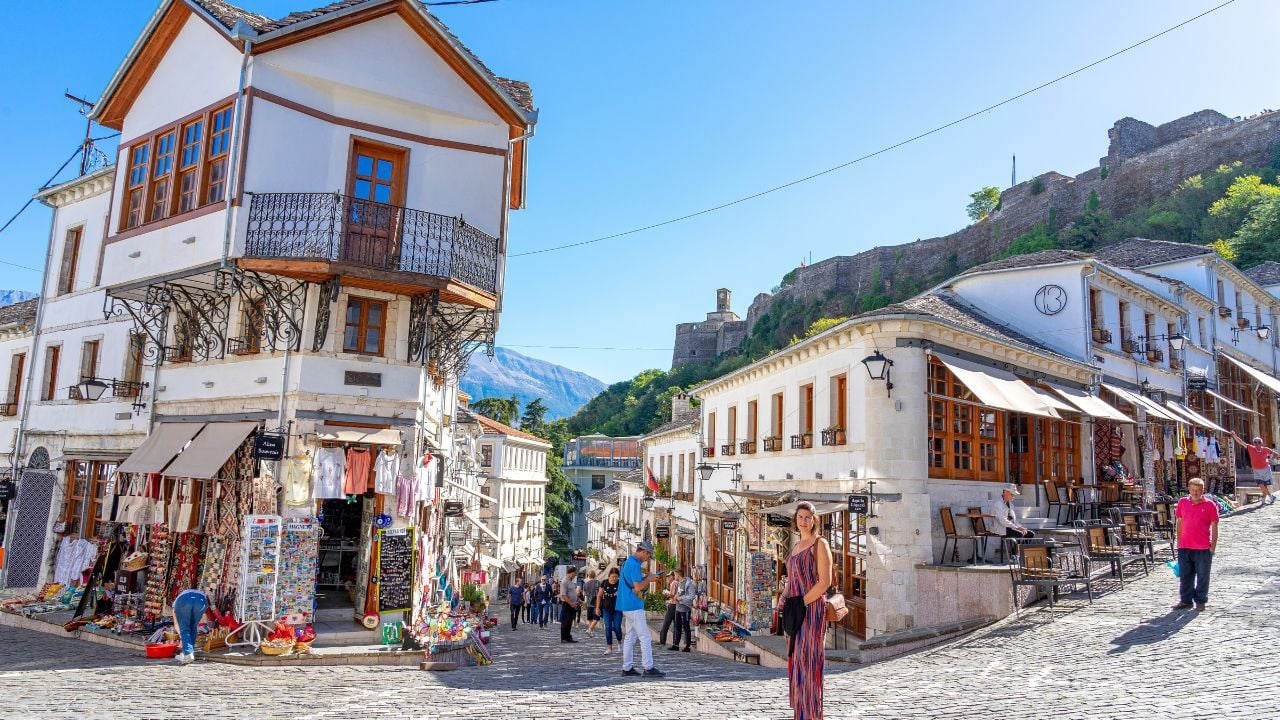
Gjirokastër is a UNESCO World Heritage town in southern Albania, celebrated for its Ottoman-era stone houses, fortress, and steep cobbled streets. The town’s architecture, including its distinctive towered homes and traditional layouts, has remained remarkably intact due to minimal tourism and careful preservation. Walking through the streets reveals small workshops, family-run eateries, and open squares where local life continues undisturbed.
The imposing castle overlooking the city offers panoramic views and historical exhibits without the overwhelming crowds common at larger European sites. Prices for food, lodging, and entry to attractions remain modest, reflecting the town’s focus on local residents. Gjirokastër provides a rare opportunity to explore history and culture intimately, away from mass tourism and artificial performance.
Daily life in Gjirokastër emphasizes routine, community, and tradition, providing visitors with authentic insights into Albanian culture. Locals continue craft work, trade, and food preparation in ways unchanged for generations. Streets and public spaces offer moments for quiet reflection and observation. Traditional cuisine features local ingredients, prepared simply to highlight flavor and heritage. Visitors can explore at leisure, participating in cultural observation rather than overwhelming the environment. Experiencing Gjirokastër now allows travelers to enjoy a UNESCO site before international exposure transforms its character and pace.
Bagan, Myanmar

Bagan is an ancient city in Myanmar that features thousands of Buddhist temples, pagodas, and stupas spread across a vast plain, creating one of the world’s most remarkable historical landscapes. While some areas have gained popularity among tourists, much of Bagan remains surprisingly tranquil, allowing exploration of temples, murals, and intricate architecture without overwhelming crowds.
Sunrise and sunset over the plains offer breathtaking views, with light casting long shadows over centuries-old structures. Local markets, villages, and craft workshops remain integrated with daily life, ensuring visitors experience culture in context. Accommodations and eateries maintain modest pricing, focused on comfort rather than luxury, and preserving local accessibility. Bagan’s scale, historical significance, and serene atmosphere make it a UNESCO site where immersion and reflection are still possible.
Exploring Bagan invites visitors to witness spiritual practice, historical preservation, and human achievement across centuries. Monks continue their daily routines among ancient temples, maintaining continuity with tradition. Walking between pagodas provides perspective on urban planning, architectural styles, and religious expression. Markets and local artisans reveal living cultural practices alongside monumental heritage. Visitors can enjoy quiet observation, photography, and contemplation without disruption. Experiencing Bagan today offers a rare opportunity to see a World Heritage Site in its authentic, expansive, and largely undiscovered form.
Rila Monastery, Bulgaria
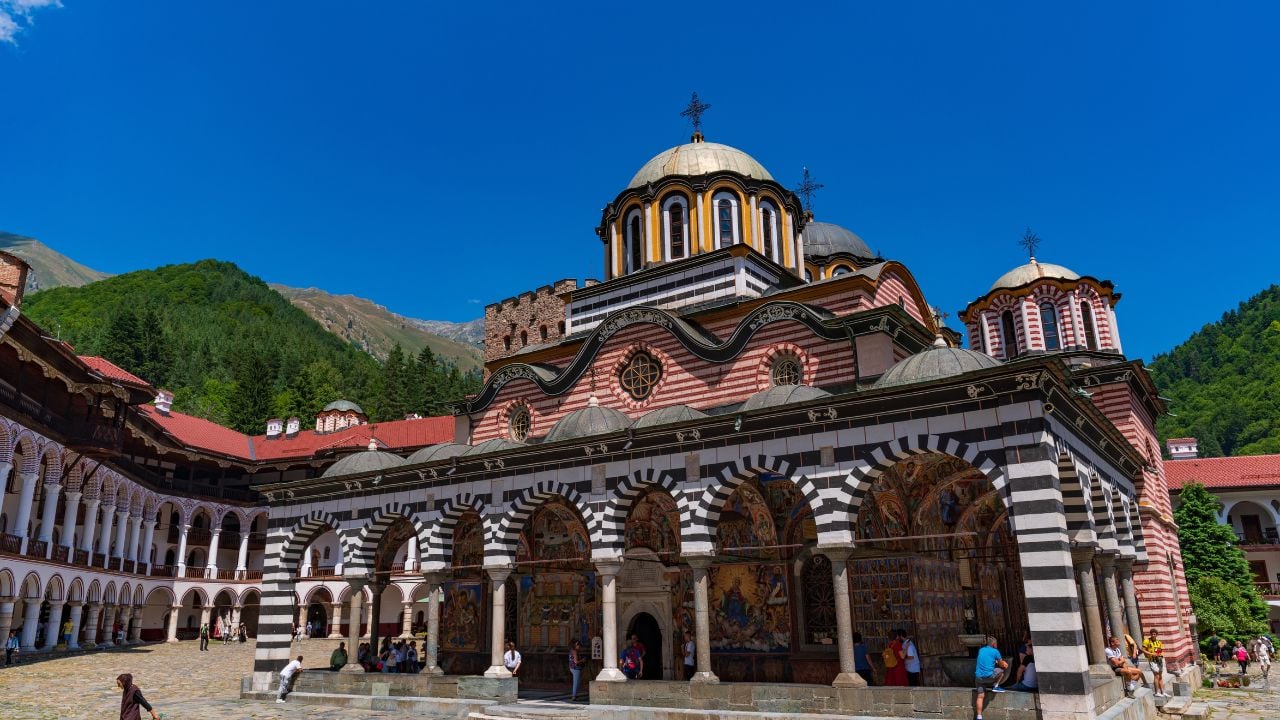
Rila Monastery is a UNESCO World Heritage Site nestled in the Rila Mountains of Bulgaria, surrounded by dense forests and towering peaks that create a serene and contemplative atmosphere. Its frescoed churches, vibrant murals, and intricately carved woodwork reflect centuries of artistic and spiritual achievement, providing a rich cultural experience.
Visitors can explore the cloisters, chapels, and museum collections while observing monks engaged in daily rituals. The monastery remains largely uncrowded due to its remote location, allowing for quiet reflection and uninterrupted exploration. Cafes and small shops nearby cater primarily to pilgrims and local tourists, keeping prices modest and realistic. Rila Monastery’s combination of spiritual heritage, architectural beauty, and natural scenery creates an immersive experience that remains largely untouched by mass tourism.
Life at Rila Monastery moves with calm deliberation, shaped by religious observance and seasonal rhythms. Monks perform ceremonies in their chapels, preserving centuries-old traditions for both worshippers and visitors. The surrounding landscape invites contemplative walks and moments of solitude. Local artisans and vendors maintain crafts that have been passed down through generations.
Visitors can experience both spiritual practice and architectural marvels without distraction. Experiencing Rila Monastery today allows travelers to witness a UNESCO site in its authentic, tranquil form before wider recognition increases visitation significantly.
Timbuktu, Mali
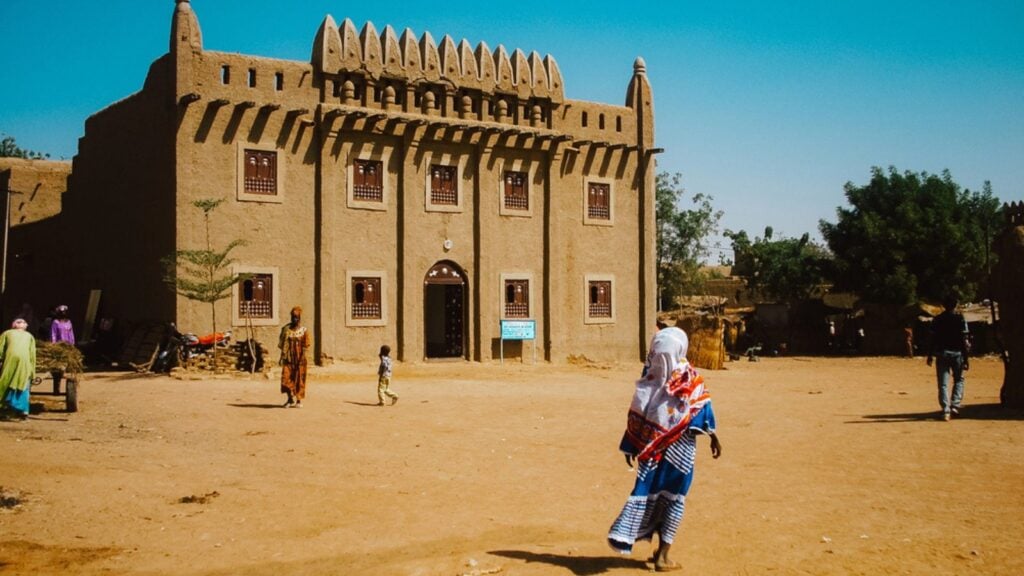
Timbuktu is a historic city in Mali, recognized by UNESCO for its role as a center of learning, culture, and trade in West Africa. Its mud-brick mosques, ancient libraries, and narrow streets tell stories of intellectual and spiritual achievement dating back centuries. Despite its fame, Timbuktu remains relatively isolated, allowing visitors to experience its heritage without overwhelming crowds.
Local life continues in markets, small workshops, and family compounds, preserving centuries-old practices. Accommodations and eateries are modest, providing comfort while maintaining authenticity. The city’s blend of history, scholarship, and resilience creates an environment where exploration feels both educational and intimate.
Daily life in Timbuktu revolves around markets, religious observance, and community interactions that have persisted for generations. Residents engage in trade, craftsmanship, and scholarly activities that define the city’s identity. Visitors can explore manuscripts, mosques, and public spaces while observing traditions firsthand. Streets remain navigable and authentic, free from heavy tourist traffic.
Even during festival periods, the city retains its calm and measured pace. Experiencing Timbuktu now offers a rare opportunity to engage with a UNESCO World Heritage Site in a state of relative authenticity and historical continuity.
Lucca, Italy

Lucca is a Renaissance-era city in Tuscany, Italy, surrounded by intact city walls that have protected its architectural heritage and urban layout for centuries. Its narrow cobblestone streets, piazzas, and medieval towers offer an intimate experience of Italian history and culture. Tourism exists but has not overwhelmed daily life, allowing locals to maintain their routines in shops, cafes, and public spaces.
Cyclists and pedestrians navigate the walls and streets, creating a lively yet unhurried rhythm. Prices remain reasonable, reflecting a balance between authenticity and visitor accessibility. Lucca’s combination of history, community, and charm allows travelers to engage with a UNESCO city without the pressure of large crowds.
Life in Lucca unfolds naturally, with residents enjoying long lunches, evening passeggiatas, and family gatherings. Local markets showcase seasonal produce, breads, and cheeses, reflecting centuries of culinary tradition. Visitors can explore museums, towers, and churches while observing daily life in context. Streets remain calm even in tourist seasons, preserving a human scale and sense of place.
The town’s rhythm encourages mindfulness and reflection while walking or cycling. Visiting Lucca today allows travelers to experience a UNESCO site where culture, history, and daily life coexist authentically and peacefully.
Český Krumlov, Czech Republic

Český Krumlov is a picturesque town in the South Bohemian Region of the Czech Republic, celebrated for its medieval castle, winding streets, and well-preserved architecture. The town’s compact layout allows visitors to explore historic squares, bridges, and alleyways at a leisurely pace without being crowded. Local life continues in small shops, cafés, and traditional workshops, preserving centuries-old practices.
Prices for food, lodging, and entry to attractions remain reasonable, reflecting the town’s dedication to both residents and visitors. Festivals and cultural events integrate with everyday routines rather than dominating them. Český Krumlov combines architectural grandeur, scenic beauty, and community life in a way that feels intimate and immersive.
Daily life in Český Krumlov emphasizes the continuity of tradition, artisanal craft, and community gatherings. Residents maintain historic buildings, shops, and cultural institutions as part of normal life. Visitors can explore castles, museums, and public spaces while experiencing living culture.
Streets remain navigable and welcoming, even during popular times. Local cuisine features regional ingredients, prepared simply to highlight flavor and heritage. Experiencing Český Krumlov now allows travelers to witness a UNESCO site in a state of authenticity and charm before it becomes overly commercialized.
Caral, Peru
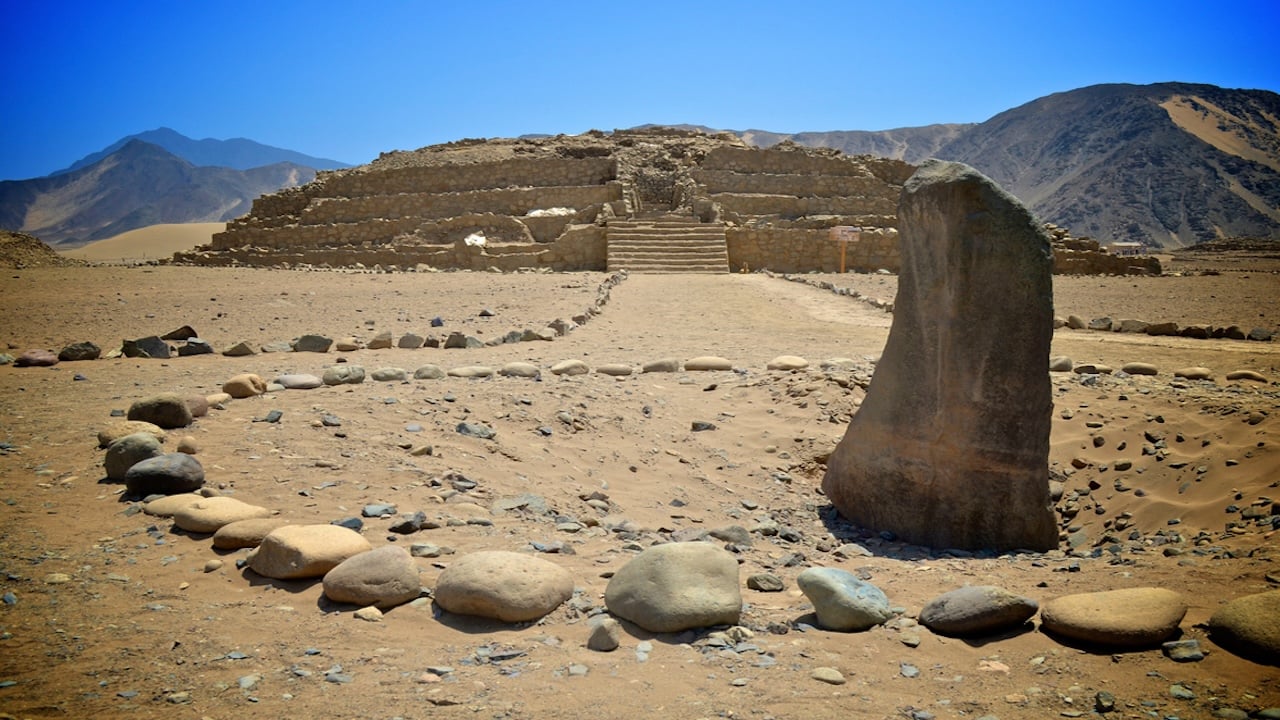
Caral is one of the oldest known cities in the Americas, located in Peru’s Supe Valley, and recognized by UNESCO for its archaeological significance. The site contains pyramids, plazas, and ceremonial structures dating back more than five millennia, revealing early urban planning and cultural development. Despite its historical importance, Caral remains relatively quiet, allowing visitors to explore its mounds, temples, and pathways without large crowds.
Local guides provide detailed insights into construction methods, social organization, and cultural practices. Food and accommodation in nearby towns remain modest, ensuring accessibility for travelers. Caral’s combination of ancient engineering, cultural richness, and serenity makes it a rare destination where history feels immediate and tangible.
Life at Caral revolves around preservation, guided exploration, and agricultural continuity in surrounding villages. Locals maintain crops and routines much as they have for generations, complementing the archaeological site. Visitors can traverse terraces, plazas, and temples while learning about early civilizations firsthand. Even during tourist visits, spaces feel spacious and unhurried.
Walking the grounds encourages reflection on human achievement, ingenuity, and society. Experiencing Caral today offers a unique opportunity to witness a UNESCO site in a state of relative solitude and authenticity.
Chania (Old Town), Greece
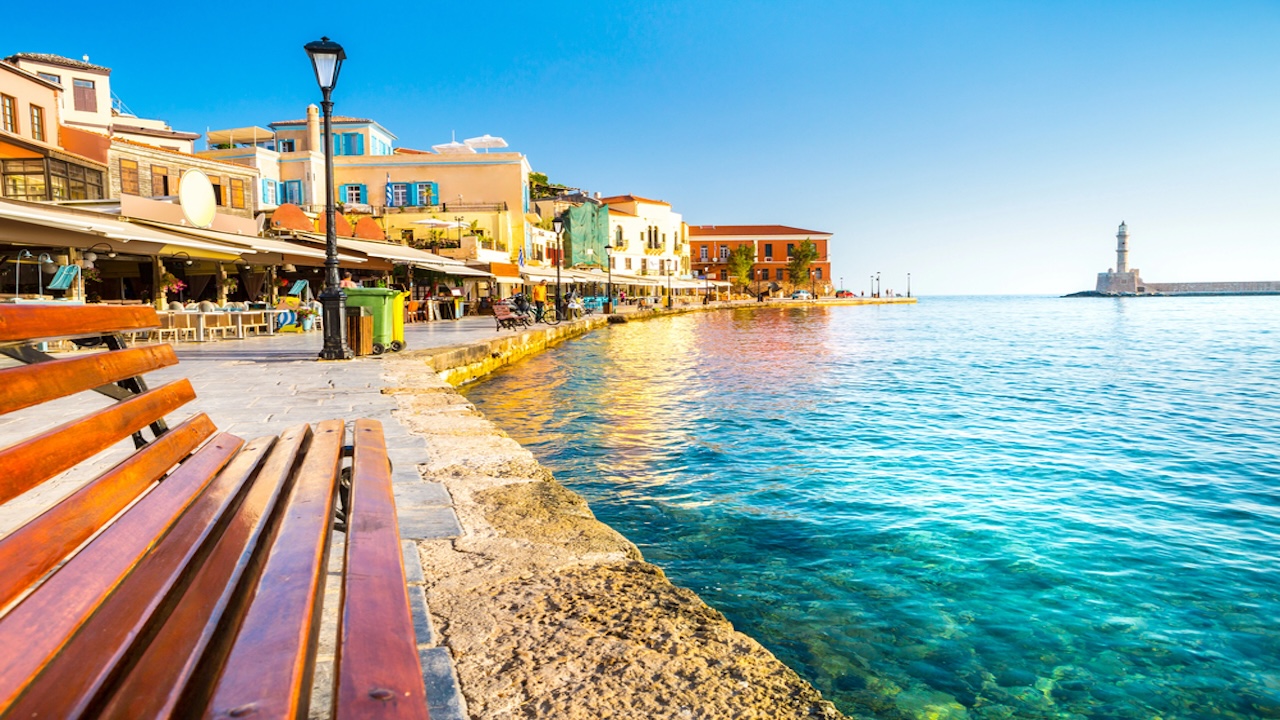
Chania’s old town is a coastal UNESCO site where Venetian architecture and Cretan daily life intertwine seamlessly, offering visitors a sense of history and authenticity in every street. Despite growing recognition, tourism remains controlled, allowing locals to maintain daily routines in shops, bakeries, and tavernas without interruption.
Cobbled alleys lead to squares, harbors, and historic landmarks that have survived centuries, providing insight into the region’s past. Fishing continues to support the local economy, with daily markets displaying fresh seafood and produce. Prices for meals, crafts, and entrance fees remain reasonable, reflecting the town’s community-centered priorities. Chania combines historical significance, local culture, and scenic beauty into an immersive experience that is still largely untouched by mass tourism.
Daily life in Chania revolves around communal meals, temple visits, and market interactions that blend history with contemporary living. Residents engage in craft work, trading, and cultural practices passed down through generations. Visitors can walk the streets freely, observing rituals and traditions without disruption. Cafés and restaurants offer authentic Cretan cuisine, emphasizing local ingredients and seasonal freshness. Even during peak periods, spaces remain navigable and welcoming. Experiencing Chania now provides a rare opportunity to witness a UNESCO site in its living context before it becomes overwhelmed by global attention.
Vieste, Italy
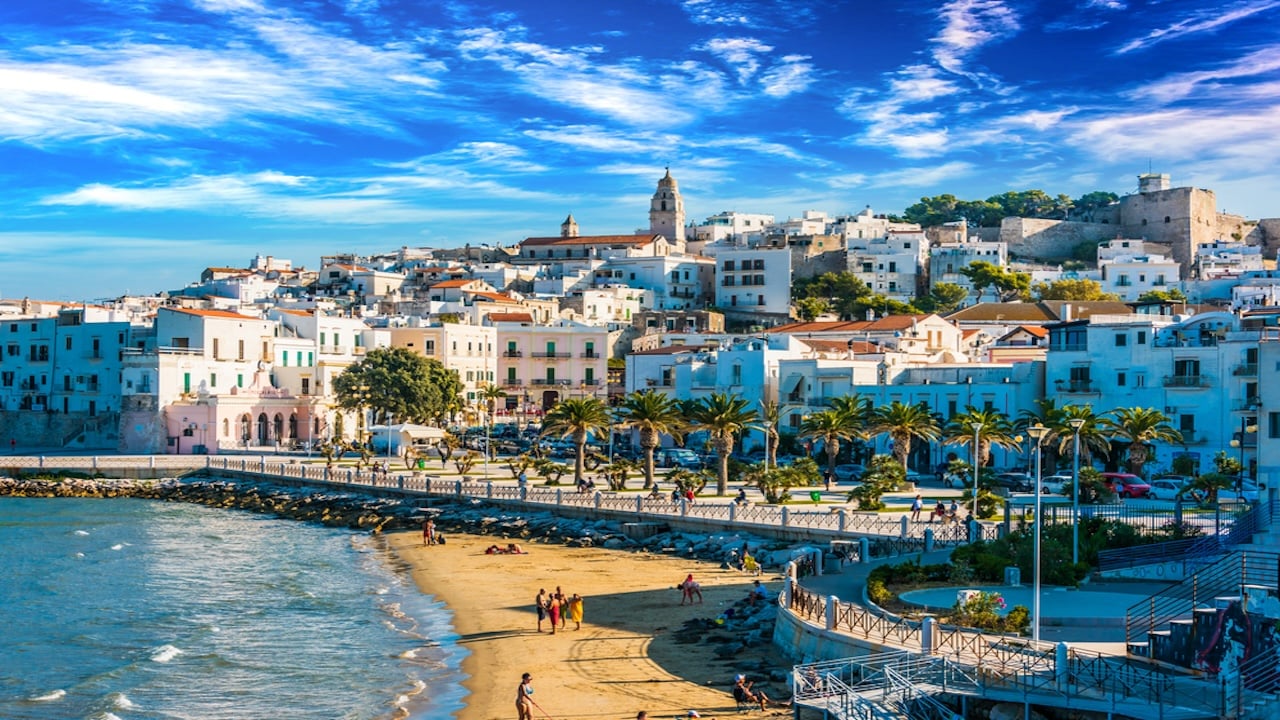
Vieste is a coastal town on the Gargano Peninsula, recognized by UNESCO for its historic architecture, cliffs, and strategic maritime heritage. Its isolation has preserved local culture and limited mass tourism, allowing visitors to experience daily life and heritage sites in relative tranquility. Streets wind between stone houses, squares, and beaches, revealing a combination of natural beauty and architectural continuity.
Fishing and agriculture remain integral to the town’s economy, shaping the cuisine and local traditions. Small restaurants and shops cater primarily to residents, keeping prices fair and reflecting the town’s rhythms. Vieste offers a unique chance to witness Italian coastal life with authenticity, combining history, scenery, and community in one harmonious experience.
Life in Vieste unfolds gradually, with residents gathering in squares, waterfronts, and eateries throughout the day. Meals highlight local seafood, produce, and traditional recipes prepared with care. Streets remain navigable and serene even during warmer months, preserving a sense of calm. Visitors can explore temples, fortifications, and markets without disruption or crowds. The town’s rhythm encourages observation, reflection, and immersion. Experiencing Vieste now allows travelers to enjoy a UNESCO site in a state of continuity, history, and lived culture before global recognition changes its character.
Olhão, Portugal
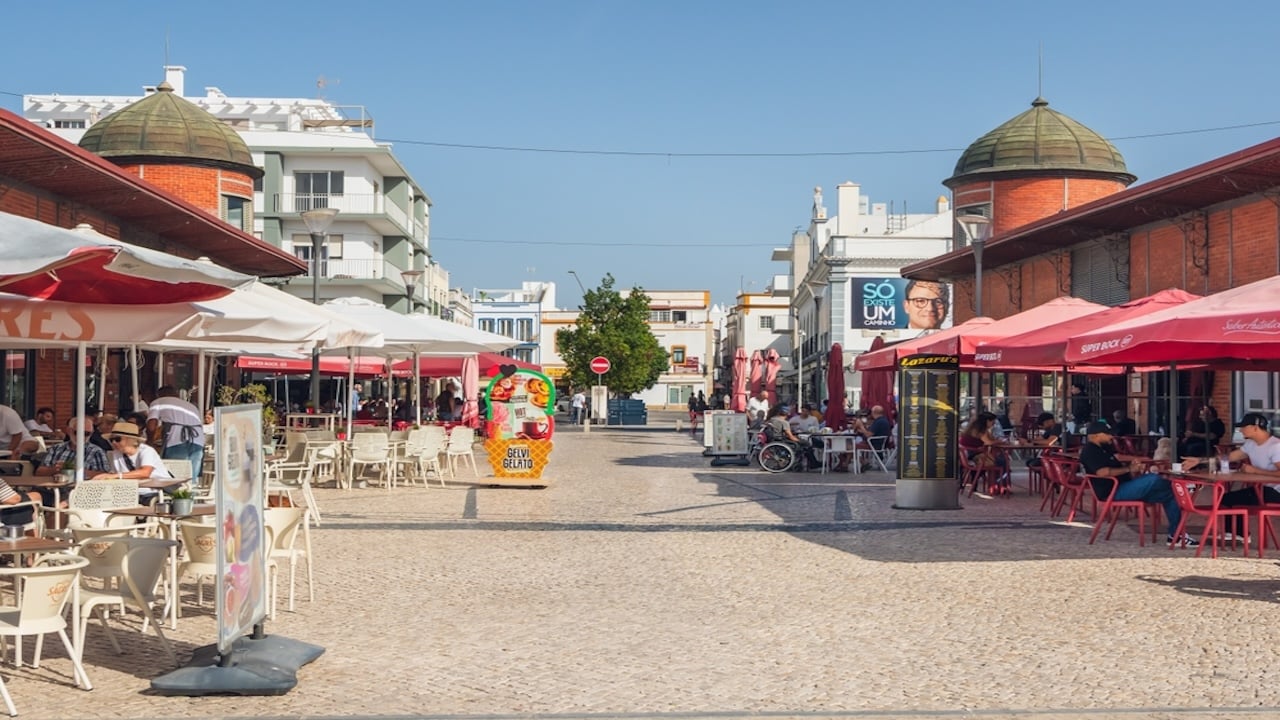
Olhão is a fishing town in the Algarve region, recognized by UNESCO for its traditional architecture, market culture, and maritime heritage. Narrow streets, whitewashed buildings, and the bustling waterfront give visitors a sense of authenticity rarely seen in coastal towns. Tourism exists but remains secondary to local life, with markets, cafes, and shops primarily serving residents.
Fresh seafood is abundant, with prices reflecting local standards rather than inflated tourist rates. The town’s pace and scale allow for relaxed exploration, letting visitors observe daily routines alongside historical structures. Olhão’s combination of working port, preserved architecture, and community focus offers a rare glimpse into Portuguese coastal culture without the interference of crowds.
Daily life in Olhão revolves around fish markets, neighborhood interactions, and family meals that maintain centuries-old traditions. Residents perform craftwork, prepare food, and manage commerce in ways that have remained consistent over generations. Visitors can explore streets, squares, and harbors without overwhelming the environment. The rhythm of life emphasizes calm, observation, and connection to place. Even during busier periods, spaces remain navigable and welcoming. Experiencing Olhão today provides a chance to see a UNESCO site in its authentic, unaltered state before widespread tourist attention alters its character.
Girona, Spain

Girona is a historic Catalan city where medieval walls, cobbled streets, and well-preserved architecture create an immersive experience of history and culture. Its UNESCO designation reflects the town’s strategic significance and remarkable preservation over centuries. Tourism exists but does not dominate daily life, allowing locals to maintain shops, markets, and cultural routines.
Streets and squares retain their human scale, offering visitors room to explore without crowding. Prices remain reasonable, reflecting local priorities rather than tourist demand. Girona blends cultural richness, architectural beauty, and community life in a way that feels personal, calm, and intimate rather than staged or artificial.
Daily life in Girona centers on neighborhood routines, community gatherings, and the preparation of regional cuisine that showcases local ingredients. Residents maintain the integrity of historic buildings, businesses, and cultural practices across generations. Visitors can explore museums, temples, and public spaces without disrupting daily rhythms.
The town’s layout encourages observation, reflection, and immersive engagement with both heritage and contemporary life. Even during festival periods, spaces remain navigable and welcoming. Experiencing Girona now allows travelers to witness a UNESCO site in a fully authentic and living context before it becomes overwhelmed by mass tourism.
Hoi An Ancient Town, Vietnam

Hoi An is a UNESCO World Heritage Site in Vietnam, celebrated for its preserved streets, traditional architecture, and vibrant riverfront culture. Despite increasing attention from visitors, the town maintains its daily rhythms, with locals running markets, workshops, and restaurants as part of normal life. Streets are lined with historic wooden houses, temples, and tailor shops that reflect centuries of trade and cultural exchange.
Prices for meals, accommodations, and souvenirs remain reasonable, keeping experiences accessible to a wide range of travelers. The lantern-lit river and quaint bridges create an intimate atmosphere that contrasts with more crowded destinations. Hoi An’s combination of architectural heritage, active community, and scenic charm provides a deeply engaging and authentic experience.
Daily life in Hoi An revolves around trade, family routines, and cultural practices that have persisted for generations. Residents continue to maintain houses, temples, and shops with care and attention to detail. Markets feature fresh produce, seafood, and handmade crafts that are central to local culture. Visitors can stroll the streets, observe artisans, and participate in traditional ceremonies without overwhelming the town.
Even during busier tourist periods, the pace remains measured, and spaces feel navigable and welcoming. Experiencing Hoi An today allows travelers to connect intimately with a UNESCO site before global attention transforms its character and rhythms.
Skellig Michael, Ireland

Skellig Michael is a remote island off the coast of County Kerry, Ireland, designated as a UNESCO World Heritage Site for its well-preserved monastic settlement perched on rugged cliffs above the Atlantic Ocean. The steep stone steps, beehive huts, and panoramic views reveal the ingenuity and devotion of early Christian monks who lived here centuries ago.
Access to the island is limited, keeping visitor numbers low and preserving the site’s solitude. Wildlife thrives around the rocky shores, adding to the raw and dramatic natural scenery. Tours are carefully managed to balance preservation with visitor experience, ensuring that exploration is both safe and intimate. Skellig Michael combines natural beauty, historical significance, and isolation, creating a rare destination where reflection and discovery are fully possible.
Visiting Skellig Michael allows travelers to connect with history, spirituality, and the forces of nature simultaneously. The journey by boat across the Atlantic is part of the immersive experience, offering glimpses of seabirds, waves, and dramatic cliffs. Monastic ruins stand quietly against the horizon, inviting contemplation and understanding of early monastic life.
Even brief visits allow for appreciation of craftsmanship, endurance, and cultural continuity. The controlled number of visitors preserves tranquility, ensuring that the island remains largely unspoiled. Experiencing Skellig Michael today offers a unique opportunity to witness a UNESCO site in its authentic, remote, and awe-inspiring form.
Lamu Old Town, Kenya
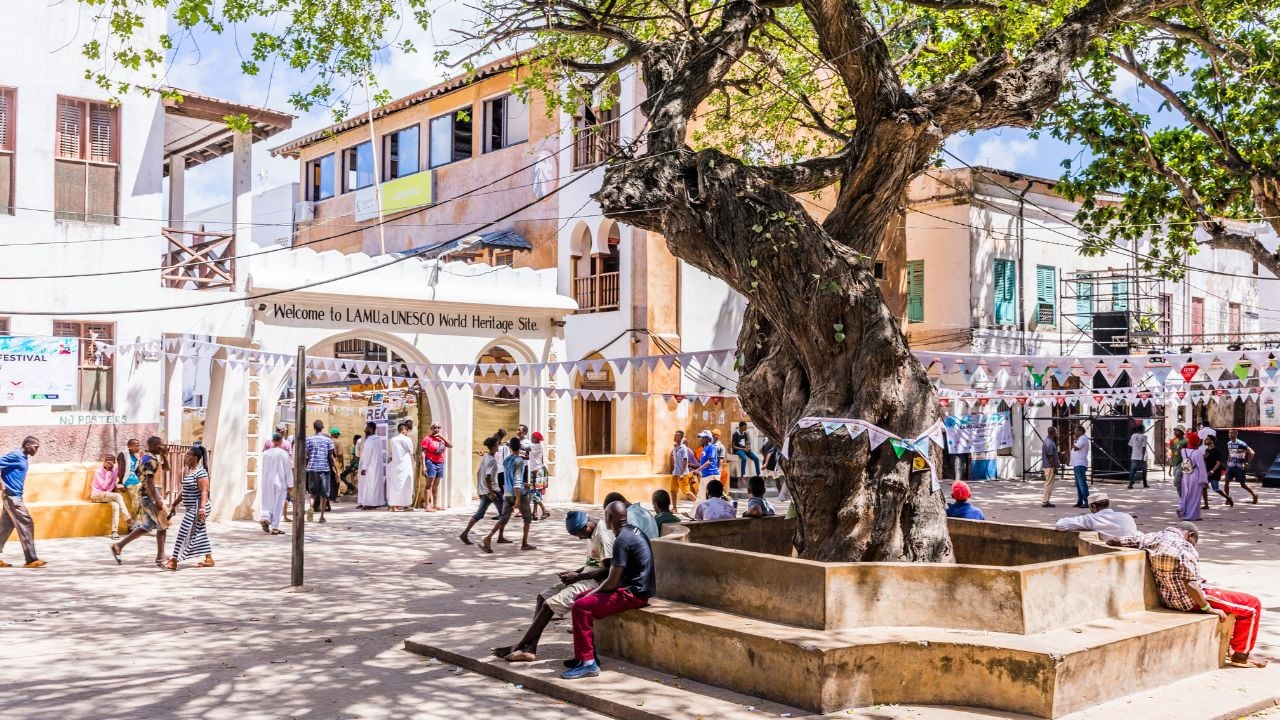
Lamu Old Town is a UNESCO World Heritage Site on Lamu Island, Kenya, known for its Swahili architecture, winding alleys, and rich cultural traditions that have endured for centuries. The town’s narrow streets, coral stone buildings, and intricately carved wooden doors reflect centuries of trade, Islam, and local craftsmanship.
Tourism exists but has been managed to preserve the local way of life, with residents continuing to navigate their routines in markets, mosques, and homes. Boats on the lagoon, local markets, and family-run shops retain authenticity and charm. Prices for food, lodging, and crafts remain fair, reflecting community priorities rather than tourist inflation. Lamu offers a deeply immersive experience where history, culture, and daily life remain harmoniously intertwined.
Daily life in Lamu unfolds through quiet morning rituals, market activities, and communal gatherings that have persisted across generations. Residents perform craftwork, manage trade, and prepare traditional meals, providing authentic insights for observant visitors. Streets and alleys are navigable and unhurried, even during busier periods, maintaining a human scale.
Local cuisine emphasizes fresh seafood, tropical fruits, and regional recipes. Visitors are able to participate as observers, blending naturally into daily life without overwhelming it. Experiencing Lamu today offers a rare opportunity to connect with a UNESCO site where tradition, architecture, and culture remain vibrant and intact.
Valle de Viñales, Cuba
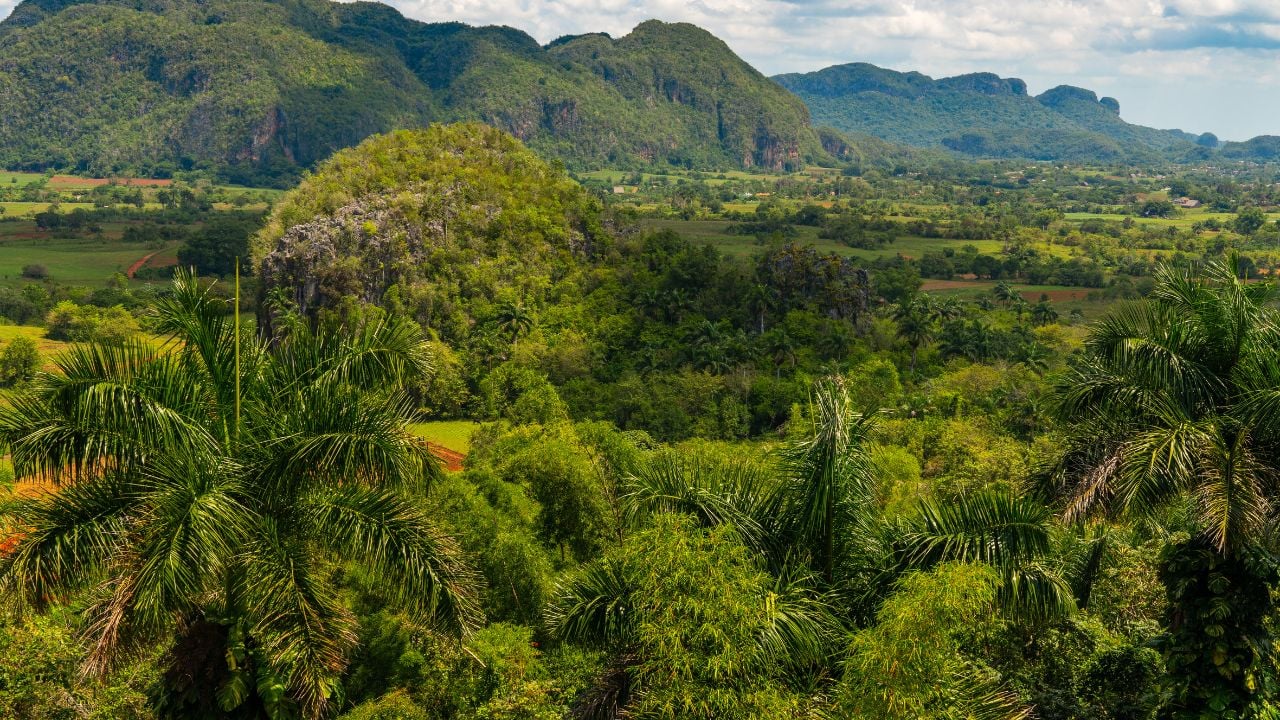
Valle de Viñales is a UNESCO World Heritage site in Cuba, celebrated for its karst landscapes, tobacco farms, and agricultural traditions that have shaped the region for centuries. Towering limestone mogotes rise dramatically above the valley, creating a unique backdrop for local farming communities. Tourism is present but modest, allowing visitors to experience rural life without overwhelming crowds.
Farmers continue traditional cultivation practices, producing some of the world’s finest tobacco leaves for local and export markets. Accommodation and local eateries remain small-scale, affordable, and deeply connected to the community. The valley’s combination of natural beauty, agricultural heritage, and cultural preservation creates a tranquil and immersive experience for travelers seeking authenticity.
Life in Viñales revolves around farming cycles, local markets, and social interactions that have persisted across generations. Residents maintain tobacco fields, orchards, and gardens with careful attention to traditional methods. Visitors can explore caves, trails, and farms while observing community practices and environmental stewardship.
Streets and pathways remain uncrowded, preserving a sense of intimacy and calm. Food emphasizes local produce, seafood, and simple preparation methods. Experiencing Viñales today allows travelers to witness a UNESCO site where landscape, culture, and daily life coexist harmoniously before mass tourism alters its character.
Matera, Italy
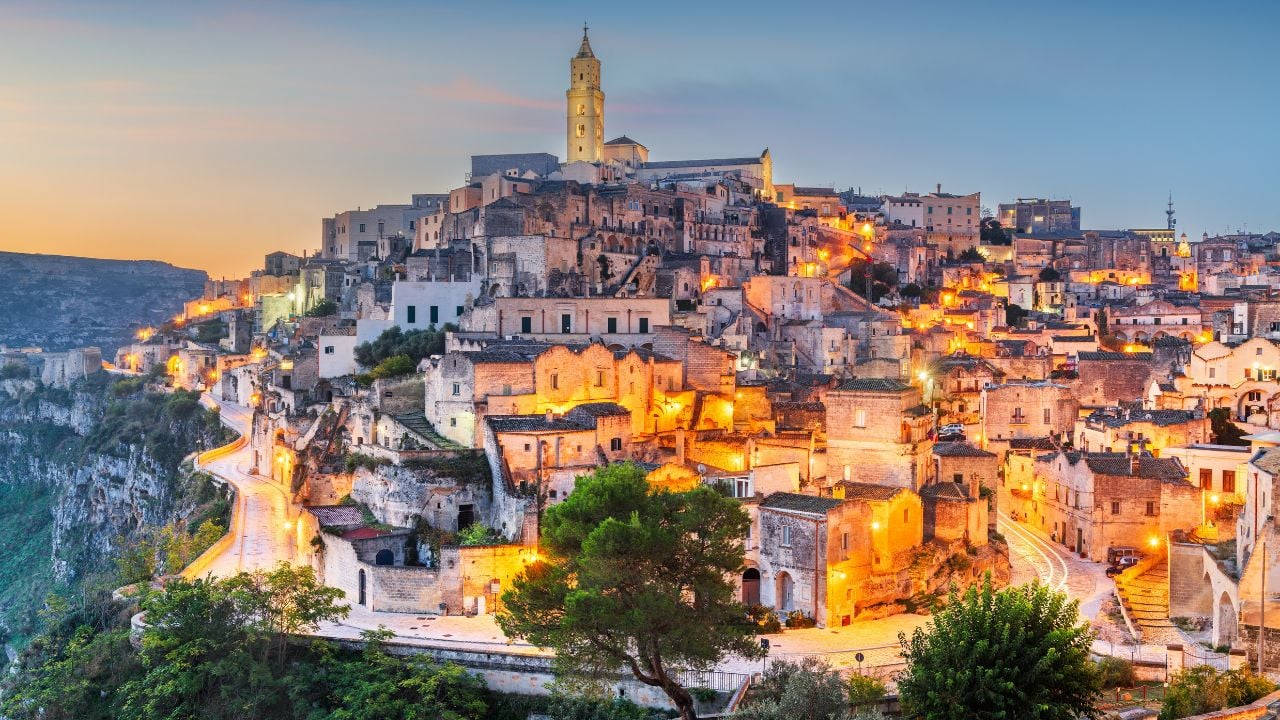
Matera, located in southern Italy, is a UNESCO World Heritage city famed for its sassi districts, ancient cave dwellings, and layered history spanning millennia. Its stone houses, narrow alleys, and historic churches provide a tangible connection to human habitation and architectural adaptation over centuries. Tourism exists but is controlled, allowing locals to maintain daily routines without disruption.
Cafes, restaurants, and artisan workshops continue to serve both residents and visitors authentically. Prices reflect the balance between accessibility and preservation. Matera’s combination of history, unique urban structure, and community life creates a deeply immersive experience that remains largely undisturbed by mass tourism.
Daily life in Matera involves the continued use and care of the sassi dwellings, local commerce, and cultural practices passed down through generations. Residents navigate stairways, piazzas, and public spaces as part of daily life, maintaining continuity and vibrancy.
Visitors can explore caves, churches, and markets at a calm pace, observing tradition in action. The city’s rhythm encourages reflection, observation, and cultural appreciation. Even during festivals or high seasons, Matera retains an intimate scale and human connection. Experiencing Matera today allows travelers to engage with a UNESCO site authentically before its growing fame transforms the environment and pace of life.
Palenque, Mexico
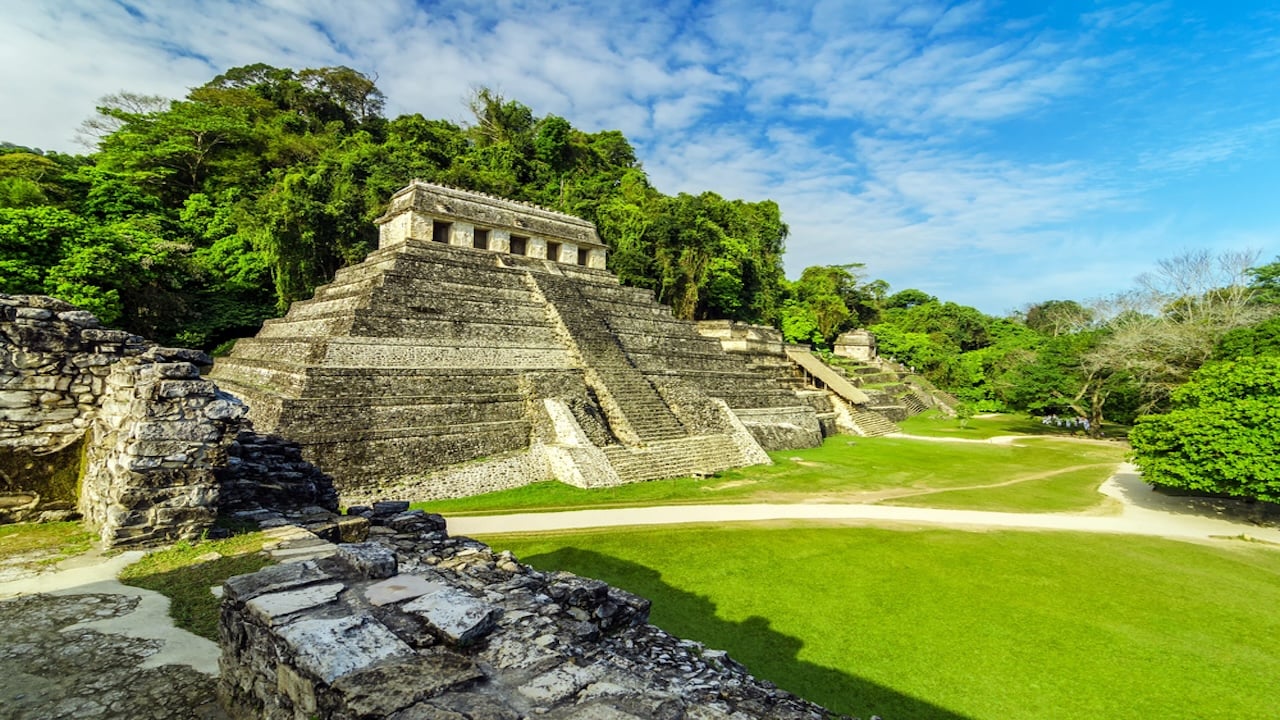
Palenque is an ancient Maya city in southern Mexico, recognized by UNESCO for its architectural sophistication, ceremonial centers, and jungle setting. Its temples, palaces, and plazas are surrounded by dense tropical forest, creating a unique interplay between human achievement and natural environment. Tourism exists but remains controlled, allowing visitors to explore the site without overwhelming crowds.
Local guides provide detailed interpretations of inscriptions, structures, and cultural significance. Prices for entrance and nearby accommodations remain reasonable, maintaining accessibility. Palenque offers a combination of historical significance, natural beauty, and cultural continuity that allows for immersive and reflective exploration.
Daily life around Palenque involves small communities, agricultural practices, and cultural traditions that have persisted for centuries. Residents maintain trails, local markets, and nearby villages, providing context for the archaeological site. Visitors can observe wildlife, architecture, and ancient urban planning while experiencing tranquility. Paths and plazas remain navigable, allowing freedom of movement and contemplation. Food, crafts, and community interactions provide insights into local culture. Experiencing Palenque today allows travelers to engage with a UNESCO site where history, nature, and human activity coexist authentically and peacefully.
Bhaktapur, Nepal
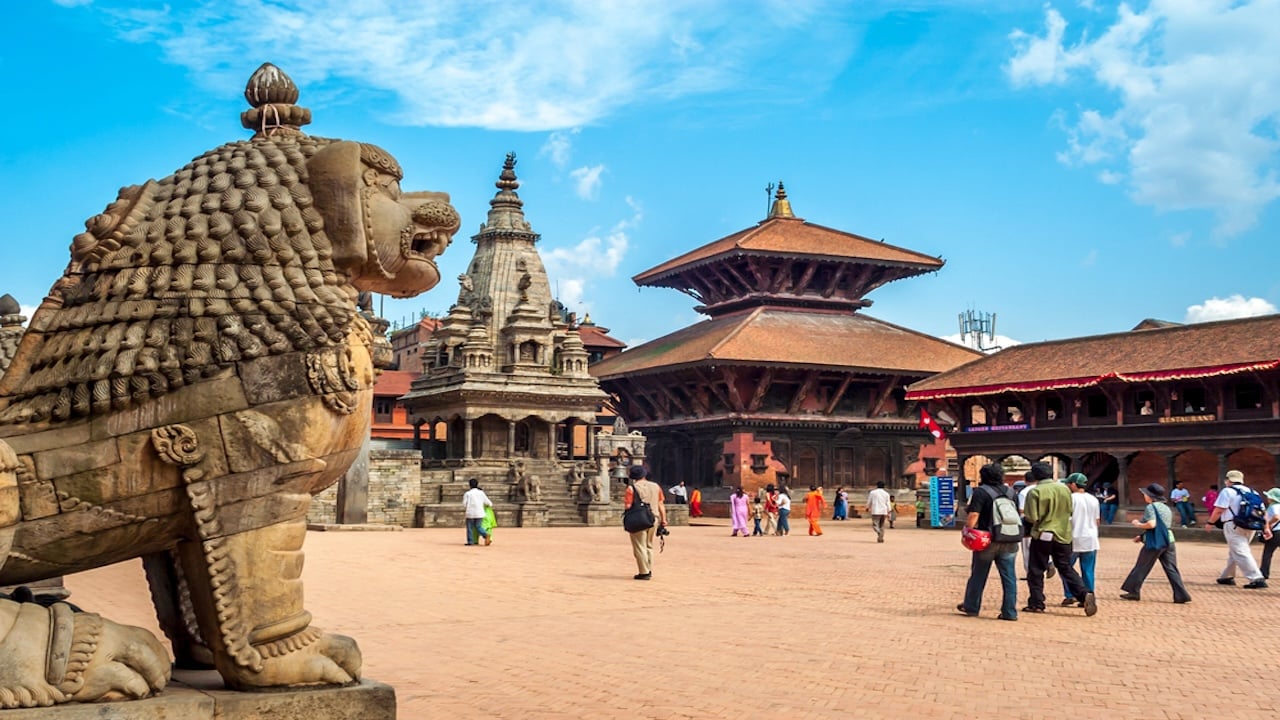
Bhaktapur is a UNESCO World Heritage city in the Kathmandu Valley, Nepal, celebrated for its medieval architecture, vibrant squares, and centuries-old cultural traditions. Its narrow streets wind past intricately carved wooden houses, pagodas, and temples that have been preserved through generations. Despite its fame, tourism is carefully managed, allowing locals to maintain daily routines without disruption.
Markets, cafes, and artisan workshops continue to serve the community authentically, keeping prices reasonable and accessible. Festivals and religious ceremonies are still central to life, providing visitors with insight into local customs. Bhaktapur combines historical significance, living culture, and architectural beauty, offering a deeply immersive experience that remains largely untouched by overcrowding.
Daily life in Bhaktapur revolves around traditional craft, commerce, and community gatherings that have persisted for centuries. Residents maintain temples, homes, and squares with meticulous care, preserving continuity and authenticity. Visitors can explore courtyards, museums, and market areas while observing daily routines in context. Streets and public spaces remain navigable and unhurried, even during festive periods. Local cuisine emphasizes fresh, regional ingredients, prepared with care and tradition. Experiencing Bhaktapur today allows travelers to connect intimately with a UNESCO site before growing tourism transforms its rhythm and atmosphere.
Lijiang Old Town, China
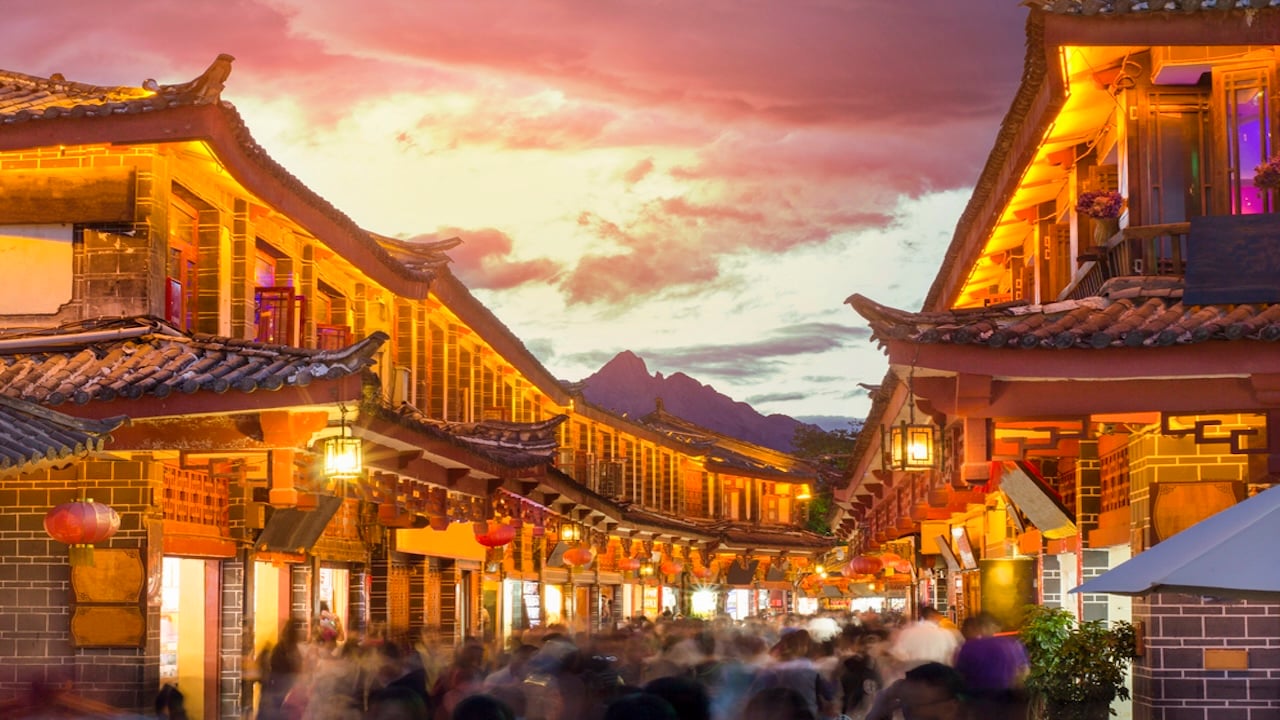
Lijiang Old Town is a UNESCO World Heritage site in Yunnan Province, China, celebrated for its network of canals, bridges, and traditional Naxi architecture. Despite its historical significance, the town remains manageable in terms of tourist density, allowing visitors to experience authentic local life and culture. Stone-paved streets wind through residential and commercial areas, leading to temples, squares, and markets that have been in continuous use for centuries.
Local shops, restaurants, and teahouses serve both residents and visitors, maintaining reasonable prices while preserving tradition. The surrounding mountains and river landscapes enhance the town’s charm, combining natural beauty with historical context. Lijiang offers a rare opportunity to explore a well-preserved heritage site without the stress of overcrowding, providing immersion in both culture and history.
Daily life in Lijiang unfolds around markets, festivals, and neighborhood routines that have endured across generations. Residents maintain buildings, waterways, and cultural practices, ensuring continuity and authenticity. Visitors can stroll the streets, engage with artisans, and observe traditional ceremonies without overwhelming the environment.
The town’s pace allows for reflective exploration and photography while maintaining respect for local life. Even during peak tourist periods, spaces remain navigable and welcoming. Experiencing Lijiang today provides a unique chance to witness a UNESCO site in its authentic form, where history, culture, and community coexist harmoniously.