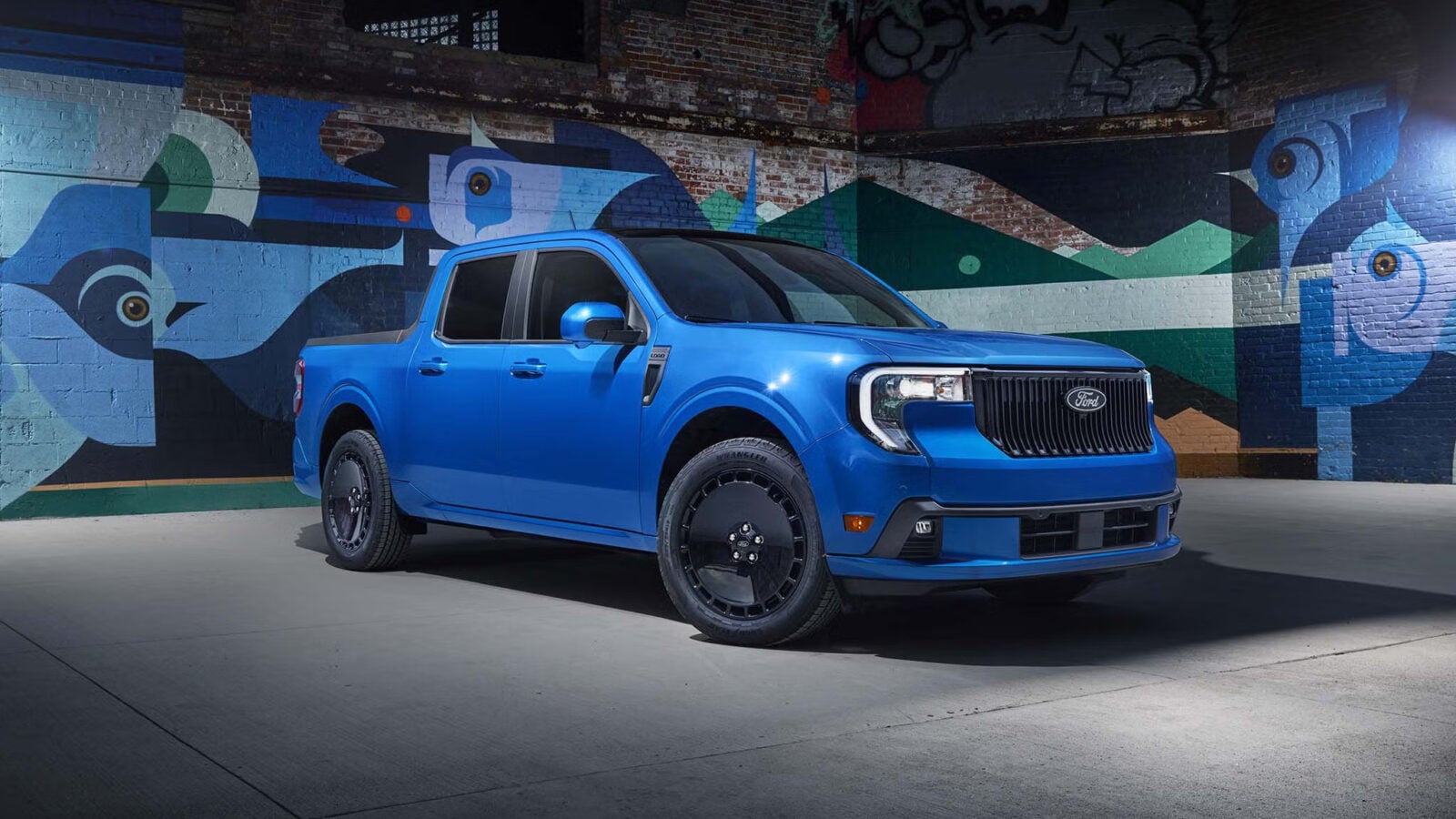
Mexico has spent decades building one of the world’s most important automotive manufacturing industries. Its factories produce millions of vehicles for international markets, with the United States serving as the largest destination for Mexican-built cars and trucks.
That relationship has helped automakers establish extensive manufacturing operations south of the border. Companies including General Motors, Ford, Nissan, BMW, and Kia have invested heavily in Mexican production facilities, taking advantage of established supply chains and regional trade agreements.
However, the introduction of new U.S. tariffs has created significant uncertainty for manufacturers operating in Mexico. Automakers are now facing higher costs when exporting vehicles to their most important market, forcing some to reconsider production and investment decisions.
According to Reuters, the latest industry figures suggest that the pressure is beginning to show. According to data released by Mexico’s national statistics agency, INEGI, automotive exports recorded their sharpest annual decline of 2026 in September.
Mexico’s Auto Exports Fell 12% In September
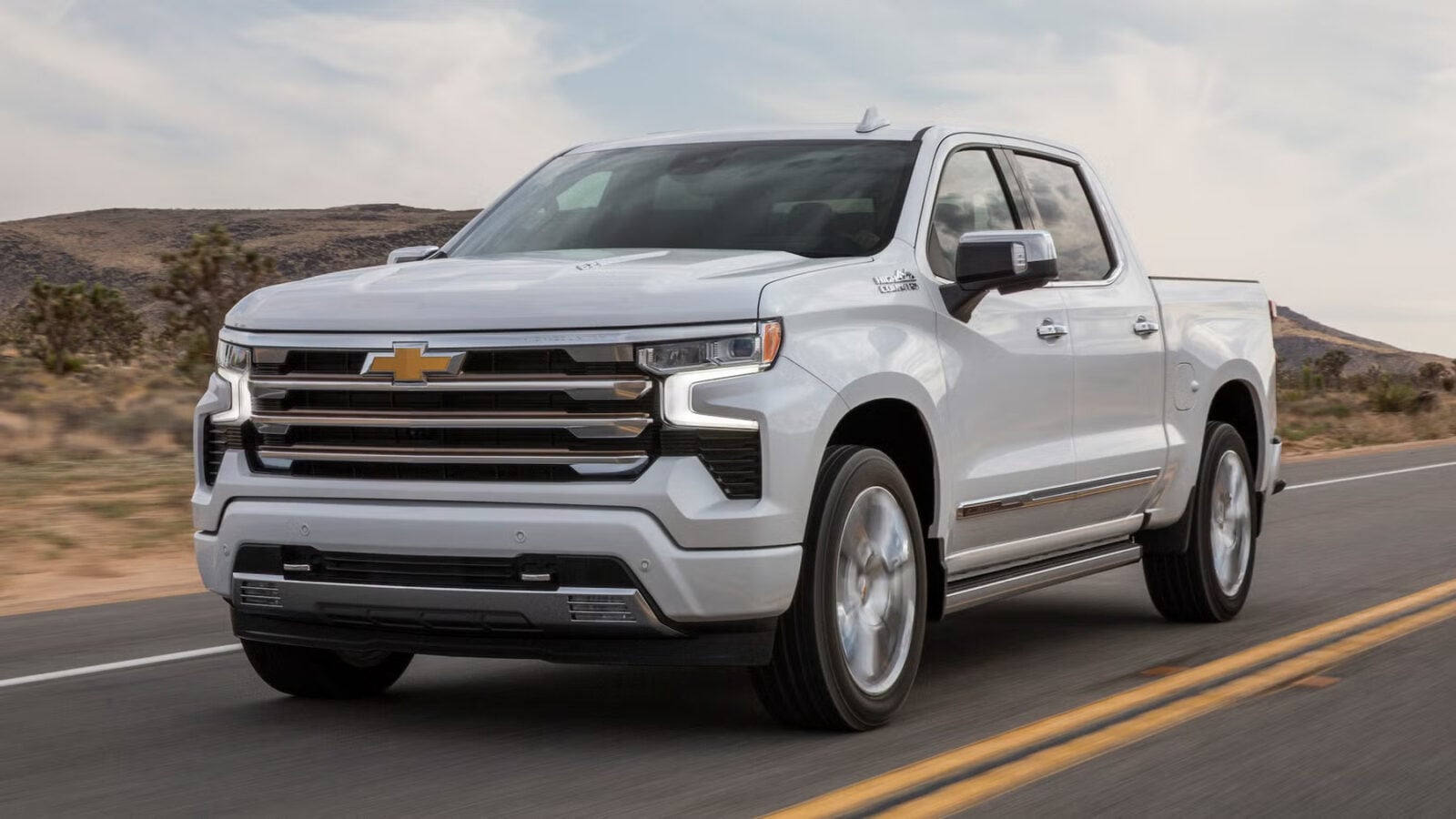
Mexican vehicle exports declined 12% in September compared with the same month last year, marking their steepest year-over-year drop since December 2025. Vehicle production also fell 15%, highlighting the difficulties facing an industry heavily dependent on international demand.
Domestic vehicle sales provided some relief, increasing 8% during September. However, stronger local demand cannot fully compensate for reduced exports, particularly given the industry’s substantial reliance on American buyers.
According to the Mexican Automotive Industry Association (AMIA), Mexico is still the largest foreign supplier of light vehicles to the United States. Mexican-built vehicles account for approximately 16% of the American light-vehicle market, making changes in trade policy particularly consequential.
Tariffs Are Making Mexican-Built Cars More Expensive
Vehicles imported into the United States from Mexico currently face a 25% tariff, although qualifying North American content can reduce the effective burden. Mexican officials estimate that compliance with regional sourcing requirements brings the effective tariff rate down to approximately 10% to 12%.
Even at those reduced rates, tariffs represent an additional expense for manufacturers accustomed to operating under longstanding free-trade arrangements. Automakers must decide whether to absorb those costs, adjust production strategies, or pass some of the expense to customers.
The uncertainty comes as the United States, Mexico, and Canada review the United States-Mexico-Canada Agreement (USMCA). The outcome of those discussions could have lasting implications for vehicle manufacturing and investment throughout North America.
GM, Ford, And Nissan Are Among Those Affected

Several major automakers recorded significant declines in Mexican vehicle exports during September, including General Motors, Ford, and Nissan. GM had already announced a $4 billion investment initiative in 2025 aimed partly at shifting production capacity toward its American facilities.
Mercedes-Benz also recorded no vehicle production or exports from Mexico during September, although its situation involved a separate manufacturing change. The company had closed its joint production facility with Nissan in May, contributing to its absence from the latest figures.
Not every manufacturer experienced declining shipments, however, with Kia, BMW, and Mazda recording stronger export performance. Mazda’s monthly exports reportedly more than doubled, demonstrating that the downturn has affected manufacturers unevenly.
Mexico’s Auto Industry Faces An Uncertain Future
Exports to the United States declined 5% during the first nine months of 2026, according to AMIA data. Meanwhile, shipments to Canada increased by slightly over 9%, providing some diversification for Mexico’s automotive industry.
Analysts warn that prolonged uncertainty could influence future manufacturing investments, particularly if companies begin relocating production to avoid tariffs. Such decisions could affect employment, factory utilization, and Mexico’s economic growth.
September’s figures represent a significant warning rather than definitive evidence of a long-term manufacturing decline. Much will depend on the outcome of ongoing trade negotiations and whether automakers regain confidence in the North American supply chains they have spent decades developing.