Nearly 30 years after Tupac Shakur was gunned down on the Las Vegas Strip, jurors are hearing details about his final hours that have long remained outside the public record.
A retired Las Vegas police officer testified about what Shakur told him in the ambulance shortly after the 1996 shooting. The rapper was still conscious and speaking, but when the officer tried to get him to identify his attackers, Shakur wasn’t interested in giving him a name.
Jurors have also been shown autopsy photos while a forensic pathologist walked them through the gunshot wounds that ultimately killed the 25-year-old rapper. Some members of Shakur’s family stayed in the courtroom for that testimony, while others stepped outside before the photos were displayed.
The testimony comes during the murder trial of Duane “Keffe D” Davis, the only person ever charged in Shakur’s killing. Davis has pleaded not guilty, and his defense is now asking jurors to disbelieve the very stories about the shooting that Davis spent years telling publicly.
Tupac’s Last Known Words to Police
Embedded media follows, please allow a moment for it to load.
Retired Las Vegas Metropolitan Police Department officer Garry Dale was working on the Strip on the night of Sept. 7, 1996, when he encountered Shakur and Death Row Records co-founder Marion “Suge” Knight.
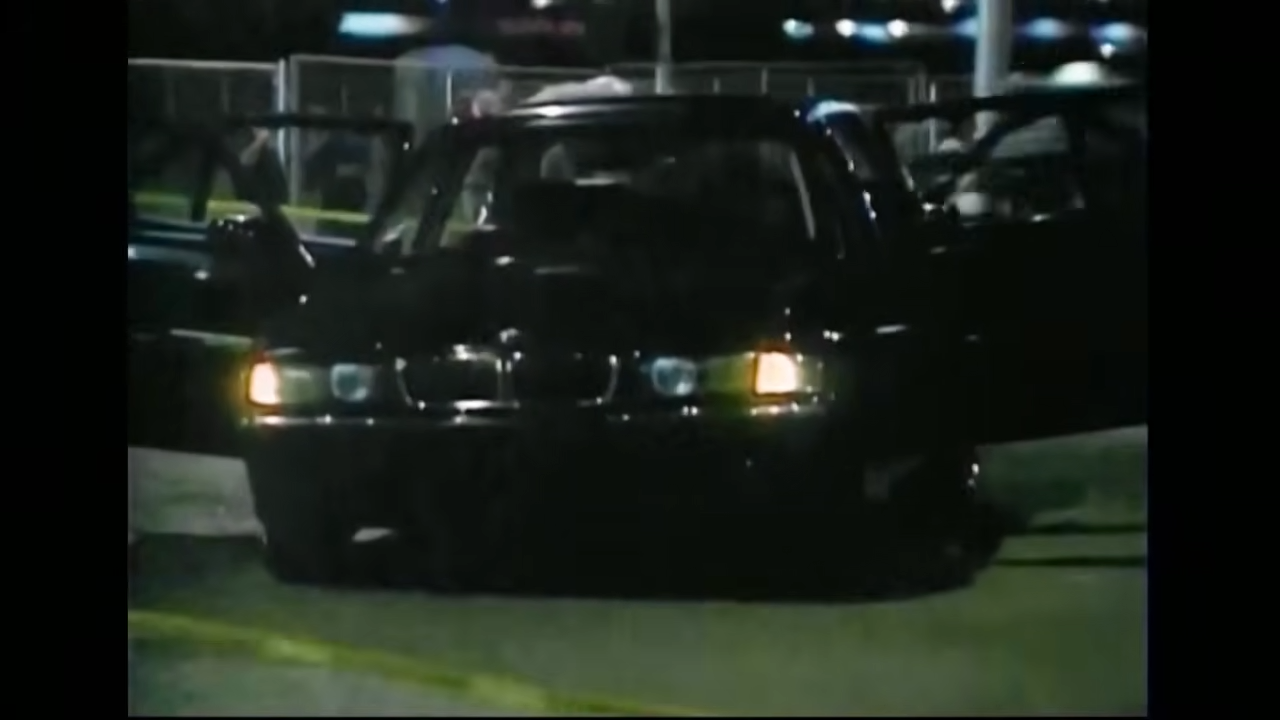
Dale testified that he and another officer stopped the black BMW carrying Shakur and Knight because it did not have a visible license plate. The officers gave them a warning and let them go.
About 10 minutes later, Dale responded to a shooting call and found Shakur gravely wounded.
Dale rode in the ambulance with him and tried to find out who was responsible. According to CNN’s transcript of his testimony, Shakur was still able to speak.
“He was still talking, and I was trying to convince him to tell me the name of whoever his assailants were,” Dale testified.
Asked whether Shakur responded, Dale recalled him saying, “No, we’ll take care of it,” or words to that effect.
Dale said Shakur would not give him anything more.
Those are among Shakur’s last known words. He remained hospitalized for six days before dying on Sept. 13, 1996.
Jurors Hear What the Bullets Did
The following day, the trial turned from what happened immediately after the shooting to the injuries Shakur suffered.
Dr. Lisa Gavin, a Clark County forensic pathologist and medical examiner, testified as prosecutors displayed autopsy photos to the jury. Gavin did not perform Shakur’s autopsy in 1996. According to The Associated Press, she was called to testify because the medical examiner who conducted the original autopsy has since died.
Gavin described three bullets and the damage they caused.
One caused Shakur’s lung to collapse and fill with blood. Doctors eventually removed the damaged lung as they tried to save him. Other gunfire damaged his intestines and other parts of his body.
USA Today reported that Gavin described a bullet entering through Shakur’s right armpit area and traveling through a lung into his chest. Another struck his right thigh and traveled into his abdomen, damaging his intestines.
When asked by a juror whether Shakur had suffered any wounds to his head, Gavin said he had not. She also said she could not determine whether all of the bullets were the same caliber.
His cause of death was gunshot wounds to the chest and abdomen.
Some of Tupac’s Family Stayed to Watch
The autopsy photos were shown to the jury but were not included in the trial’s public broadcast.
Some of Shakur’s relatives left the courtroom before prosecutors displayed them. Others stayed.
His cousin, Zayd Akinyela, told The Associated Press that he wanted to understand exactly what had happened to his cousin.
“I think we’ve been waiting 30 years to grieve properly,” Akinyela said.
He told AP that he had not previously known how many times Shakur had been shot. Seeing the photos left him angry and sad, but he said knowing the details was part of finding some personal closure.
The testimony is also putting those details in front of a jury for a very different reason: Prosecutors are trying to prove who set the shooting in motion.
What Prosecutors Say Happened That Night
Prosecutors contend Shakur’s killing grew out of a confrontation hours earlier at the MGM Grand following a Mike Tyson fight.
Surveillance video shown during the trial captured Shakur and members of his entourage attacking Orlando “Baby Lane” Anderson, Davis’ nephew, inside the casino.
Prosecutors say Davis, a leader in the South Side Compton Crips, wanted retaliation.
Later that night, Shakur was riding with Knight in the BMW when a white Cadillac pulled alongside them and gunfire erupted. Knight survived. Shakur did not.
Davis is not accused of firing the shots. Prosecutors contend he obtained the gun and helped orchestrate the attack, which is enough for him to face a murder charge under Nevada law.
For years, one of the biggest pieces of evidence against Davis has been Davis himself.
Davis’ Own Words Are Now at the Center of the Case
On Thursday, Aug. 20, jurors heard a 2008 recording in which Davis discussed the shooting with detectives.
According to The Associated Press, Davis said he was riding in the white Cadillac with Anderson and two other men when they found Shakur and Knight.
Davis told detectives he had a gun and passed it toward the back seat. He identified Anderson as the person who ultimately took the weapon and opened fire.
It was the first time Davis had directly discussed his own involvement with authorities. He later spoke publicly about the killing and wrote about it in his 2019 memoir, Compton Street Legend.
Those statements now create an unusual problem for his defense.
Davis’ attorney, Michael Sanft, isn’t merely arguing that prosecutors misunderstood what his client said. He’s asking jurors not to believe Davis’ stories in the first place.
Reuters reported that Sanft argued Davis fabricated stories about his involvement and challenged prosecutors to produce evidence corroborating them.
That leaves jurors with a strange question at the center of a murder case that took nearly three decades to reach a courtroom: Were Davis’ repeated accounts of the night Tupac Shakur was shot admissions, or stories he told because there was something to gain from telling them?
Prosecutors will have to prove Davis’ guilt beyond a reasonable doubt. He is presumed innocent unless and until proven guilty in court.