
The Trump administration hasn’t exactly been friendly toward electric vehicles. Federal incentives and emissions policies have been rolled back, creating a tougher environment for EV manufacturers hoping to win over American buyers.
Something largely outside the auto industry’s control, however, could give EV demand an unexpected push. Months of conflict involving Iran have contributed to major disruption in global energy markets, sending fuel prices sharply higher.
U.S. diesel prices recently crossed $6 per gallon on average for the first time, while gasoline has also become considerably more expensive. Those prices are making the cost of filling up increasingly difficult for drivers to ignore.
Now, a new study suggests that expensive gasoline is changing how Americans think about electric cars. According to the HERE-SBD EV Index 2026, 57% of U.S. drivers surveyed said gas prices had influenced their interest in EVs.
High Gas Prices Are Making EVs More Appealing
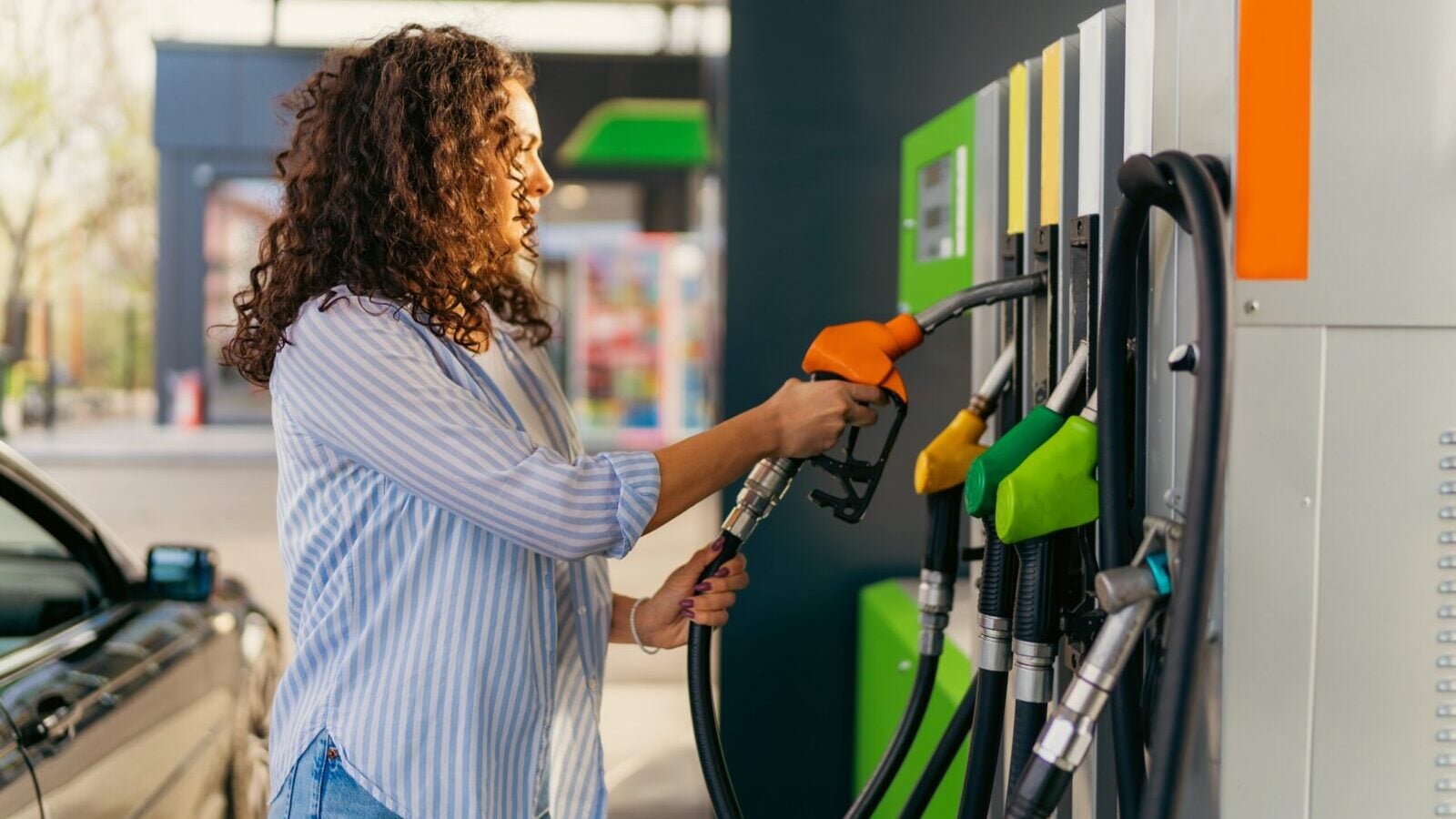
The study, conducted by HERE Technologies and SBD Automotive, found that 53% of American respondents are now more open to considering an EV than they were a year ago. Among drivers who don’t currently own an EV, 10% fewer said they intend to choose a gasoline-powered vehicle next compared with last year’s survey.
Fuel prices aren’t solely responsible for that shift. Improving vehicle range and charging speeds influenced 35% of respondents considering EVs, while charging infrastructure and access to charging at home or work were also significant factors.
Public charging perceptions have improved substantially. Some 47% of respondents now believe public charging availability is good, up from just 28% last year, while the U.S. added approximately 31,600 public charge points during the period measured by the index.
Price Is Still A Major Problem
Greater interest doesn’t necessarily translate directly into sales. Vehicle price remains one of the biggest obstacles to EV adoption, with around two in five U.S. drivers surveyed still viewing electric cars as too expensive.
Current EV owners appear considerably happier with the experience. Around 85% rated public charging coverage as good or better, while 77% said they would likely replace their current EV with another electric vehicle.
Those figures arrive while U.S. EV sales have been losing momentum. HERE cites industry data showing EV market share at 5.37% so far in 2026, down nearly three percentage points from the full-year figure for 2025.
Expensive Fuel Could Change The Equation
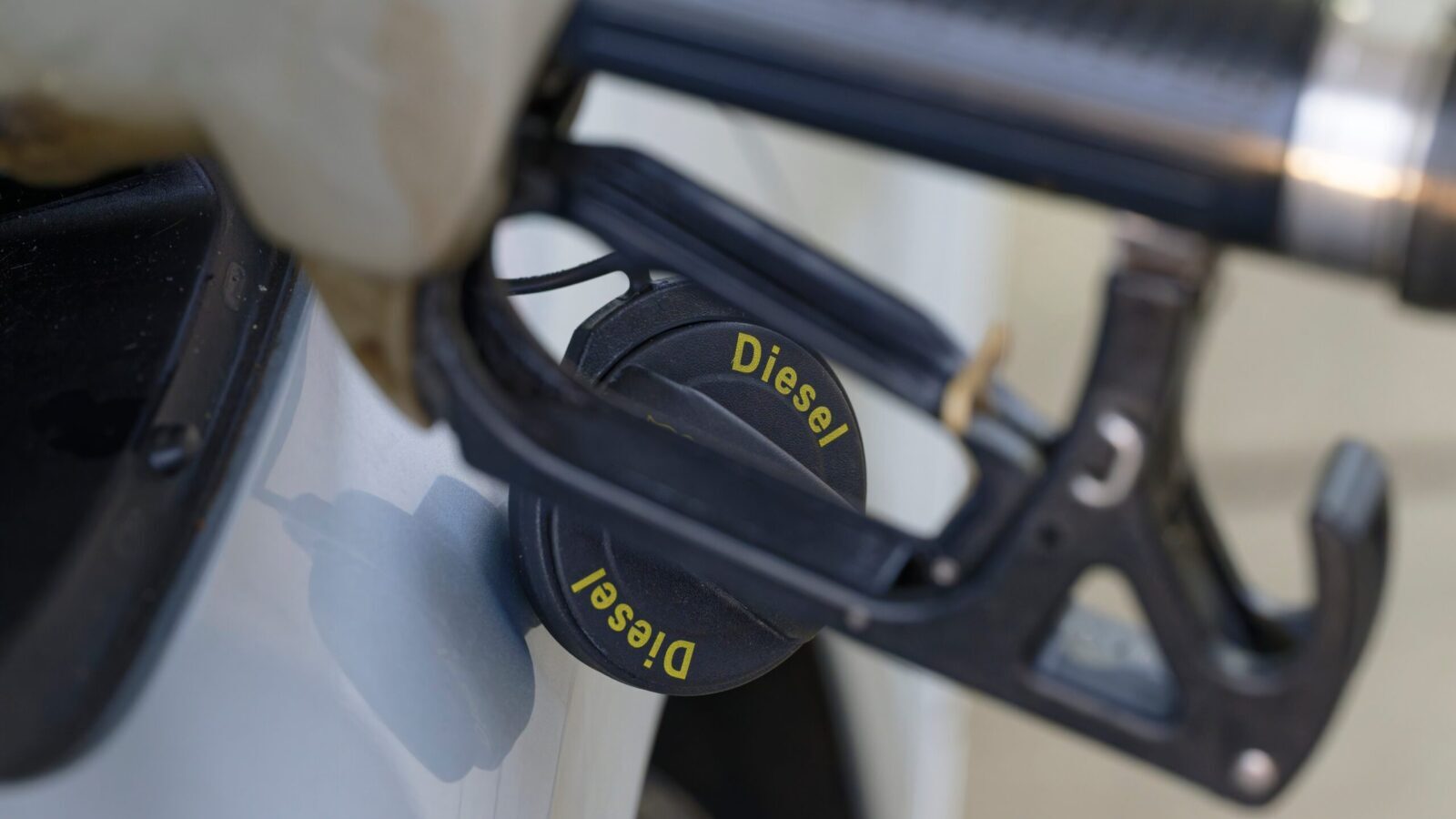
The Iran conflict doesn’t guarantee an EV sales rebound, and charging access, purchase prices, and available models remain important considerations. Fuel costs, however, have historically played a role in what Americans choose to drive.
If gasoline remains expensive, the financial argument for switching away from internal combustion becomes harder to dismiss. An administration that has pulled back support for EVs could therefore find an unexpected force pushing some American drivers toward them anyway.