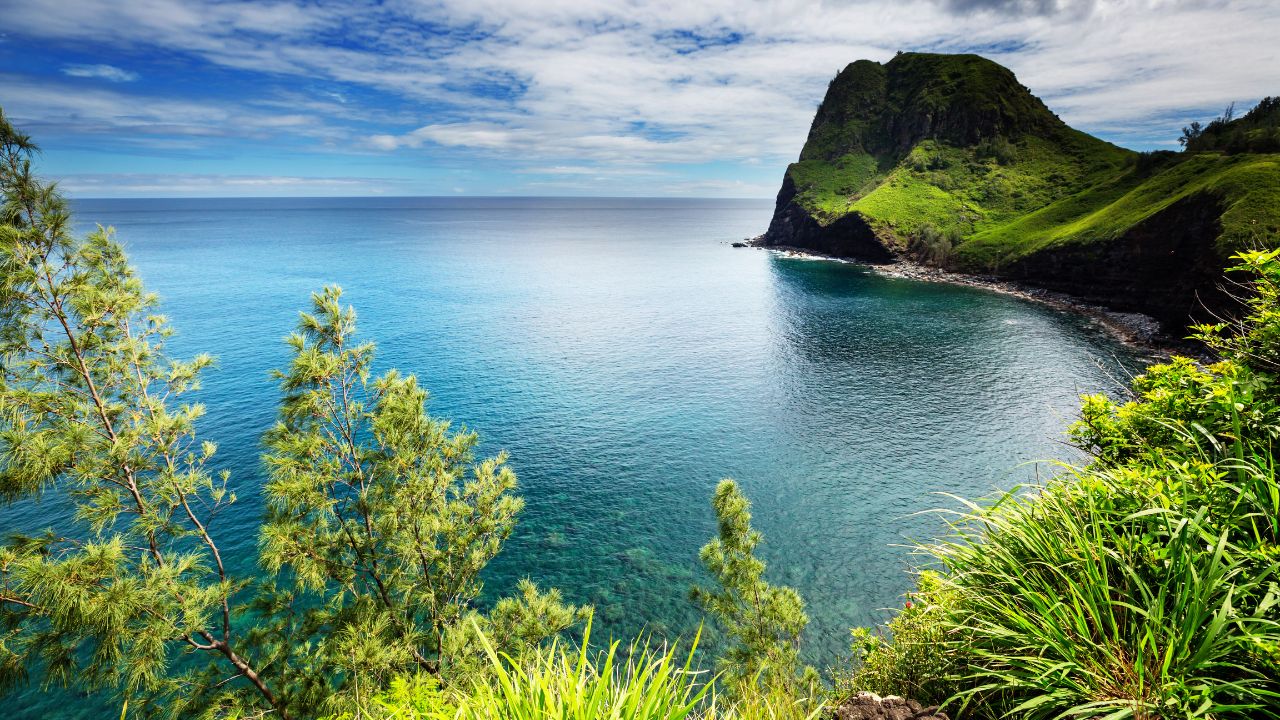
A famous vacation name can put heavy pressure on a trip. Travelers book the place they have seen in photos for years, expecting clear water, charming streets, easy sunsets, or a once-in-a-lifetime setting.
The real visit can bring a different set of details: higher prices, packed viewpoints, seaweed on the beach, local recovery concerns, new taxes, or rules that were easy to miss during planning.
None of these destinations are bad choices. Santorini has the caldera, Tulum has Caribbean coast access, Maui has beaches and volcanic scenery, Amsterdam has canals and museums, and the Maldives has lagoons and resort islands.
The gap comes from expectations. These five places remain popular, but the best visits now depend on clearer budgeting, better timing, and a more realistic idea of what the destination can actually deliver.
1. Santorini, Greece
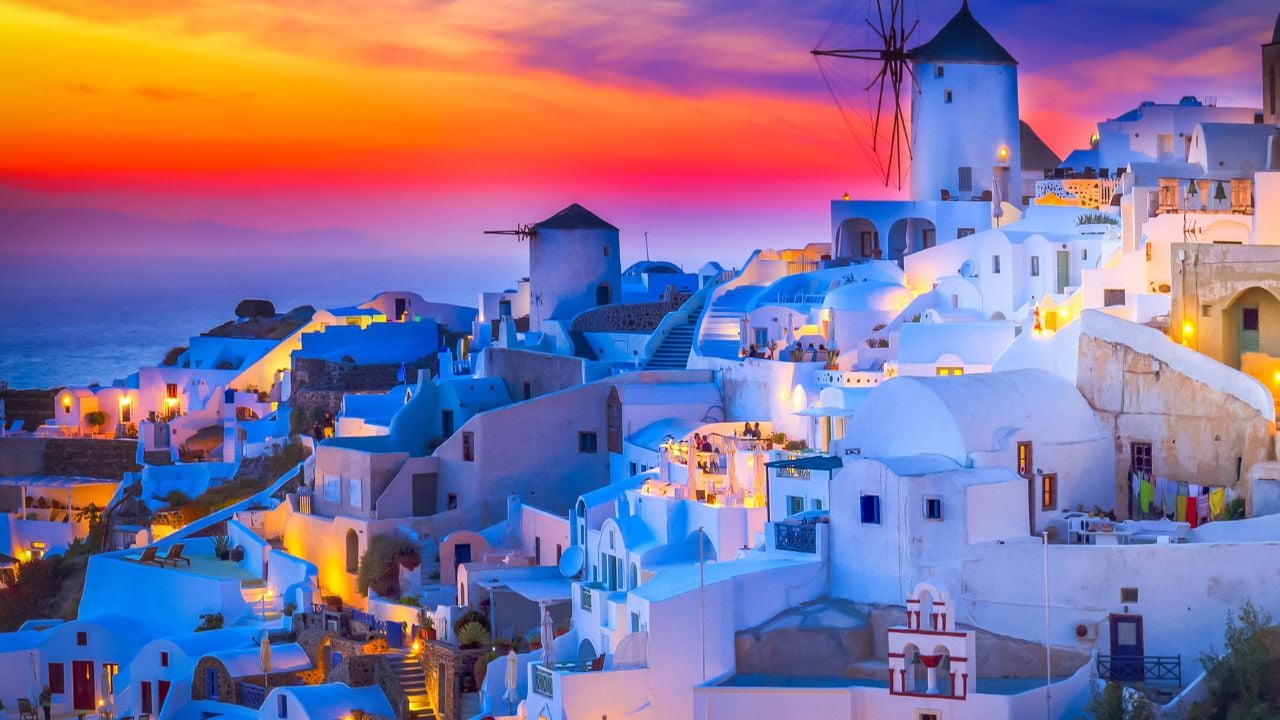
Santorini keeps the dramatic caldera, whitewashed villages, blue domes, and sunset views that made it one of Europe’s most recognizable islands. The same small cliffside spaces also attract heavy demand, especially around Oia and Fira during peak hours.
The Municipal Port Fund of Thira’s 2025-2026 cruise policy says Santorini will not exceed 8,000 cruise passengers on the same day in 2026. The cap gives the island a formal crowd-management system, but cruise surges can still shape the mood of a short visit.
For travelers, the rethink often begins on the ground. Narrow walkways, sunset bottlenecks, high hotel rates, and compressed cruise-stop schedules can make the island feel less romantic than the photos suggest.
A calmer visit usually starts with an overnight stay, an early walk, and a plan that goes beyond the most photographed corners. Villages outside Oia, slower meals, and time away from the main sunset crowd give Santorini more room to breathe.
2. Tulum and Mexico’s Caribbean Coast
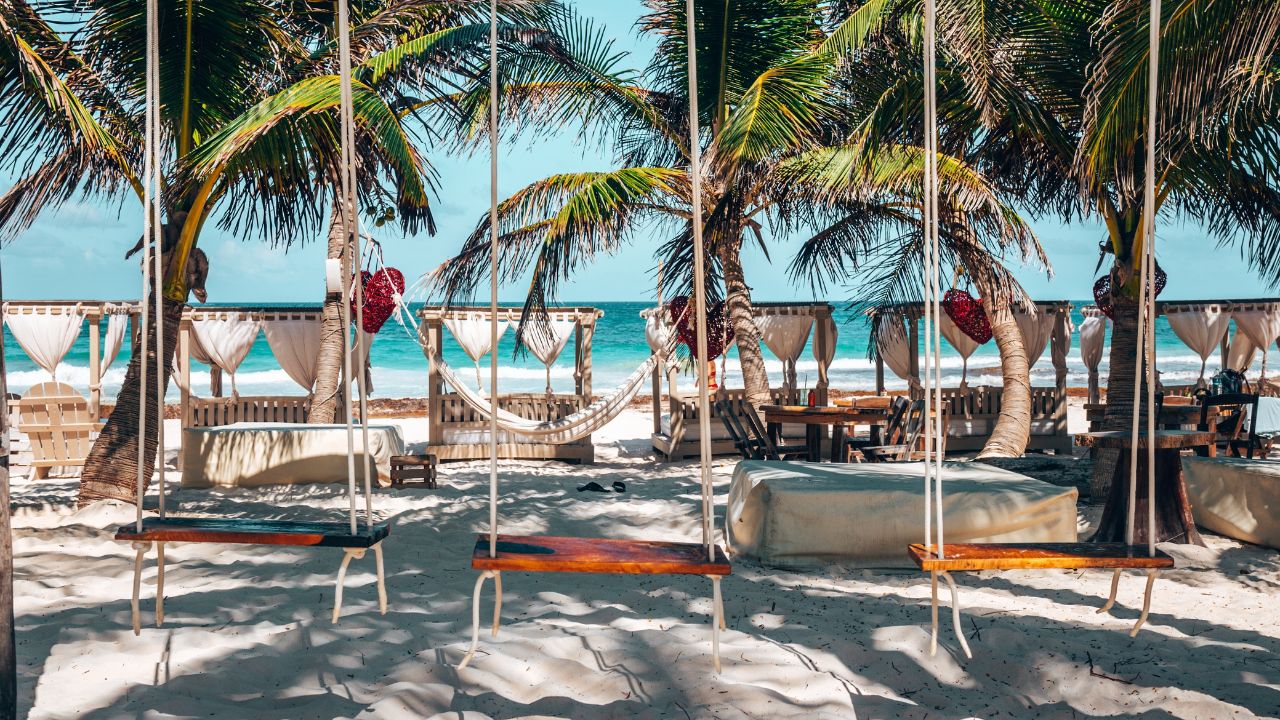
Tulum’s image is built around turquoise water, beach clubs, cenotes, ruins, and jungle-style hotels. The shore can look beautiful, but Caribbean beach conditions change quickly.
The University of South Florida’s March 2026 Sargassum Outlook said most monitored regions were seeing record-high sargassum amounts for March, with major beaching events in the western Caribbean, including the Mexican Caribbean coast. The same outlook said 2026 was likely to become a major sargassum year and possibly a record one by summer.
Sargassum can affect the smell, color, and usability of the shore. Resorts may clean constantly, but conditions can still vary from one beach club, hotel zone, or stretch of sand to another.
Travelers who book only for flawless beach days may leave disappointed during a heavy seaweed period. A stronger Tulum plan includes cenotes, archaeological sites, inland restaurants, early beach checks, and enough flexibility to move around if one shoreline looks rough.
3. Maui, Hawaii
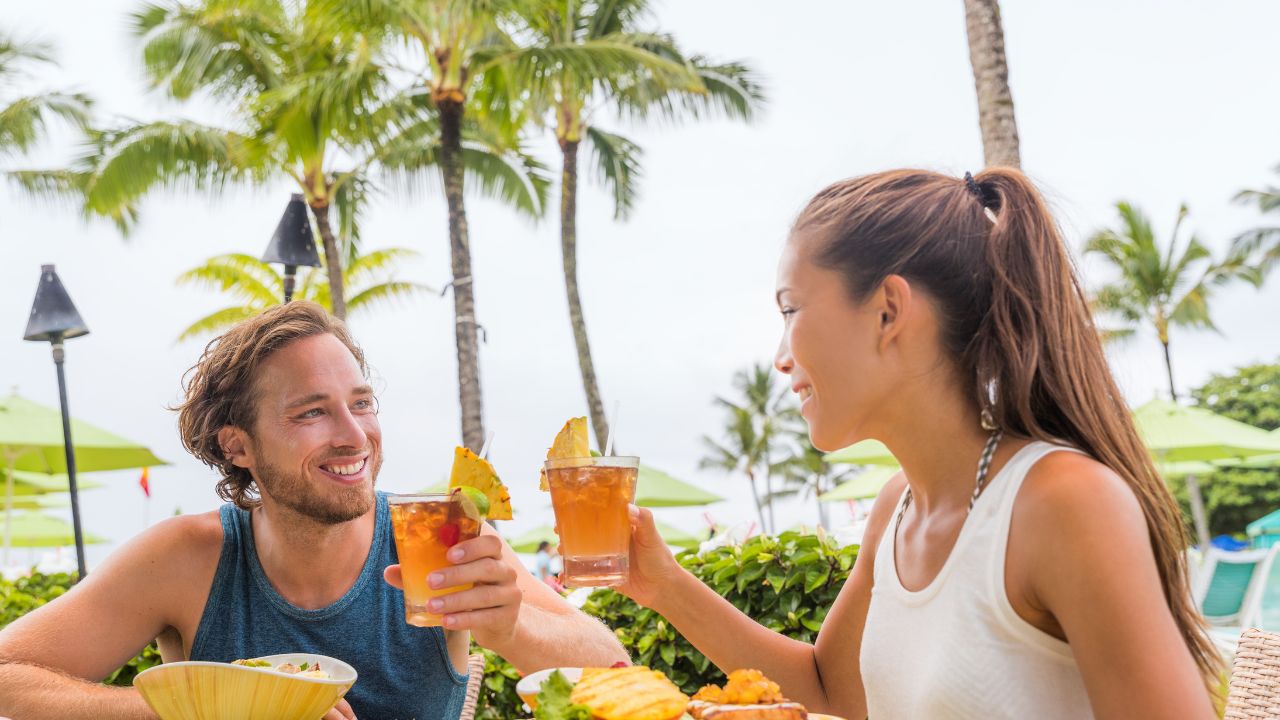
Maui remains one of America’s most desired island escapes, with beaches, valleys, waterfalls, volcanic scenery, and deep cultural meaning. Since the 2023 Lahaina wildfire disaster, travel to the island has carried more emotional and local context.
The County of Maui’s official Maui Recovers portal remains active for people directly affected by the wildfires, with resources, updates, maps, recovery information, and rebuilding tools. That public recovery work shows why visitors should think carefully about where they go, where they stay, and how their spending affects residents.
Housing pressure has also changed the conversation. Maui County says Bill 9 is expected to return more than 6,000 units to long-term residential use, while also noting that the law does not eliminate tourism or all short-term rentals.
For visitors, the island is open, but the old habit of booking any rental in any neighborhood deserves more caution. A better trip uses legal lodging, supports local businesses, avoids treating recovery areas as attractions, and leaves space for local guidance instead of assuming every part of Maui is ready for the same kind of vacation.
4. Amsterdam, Netherlands
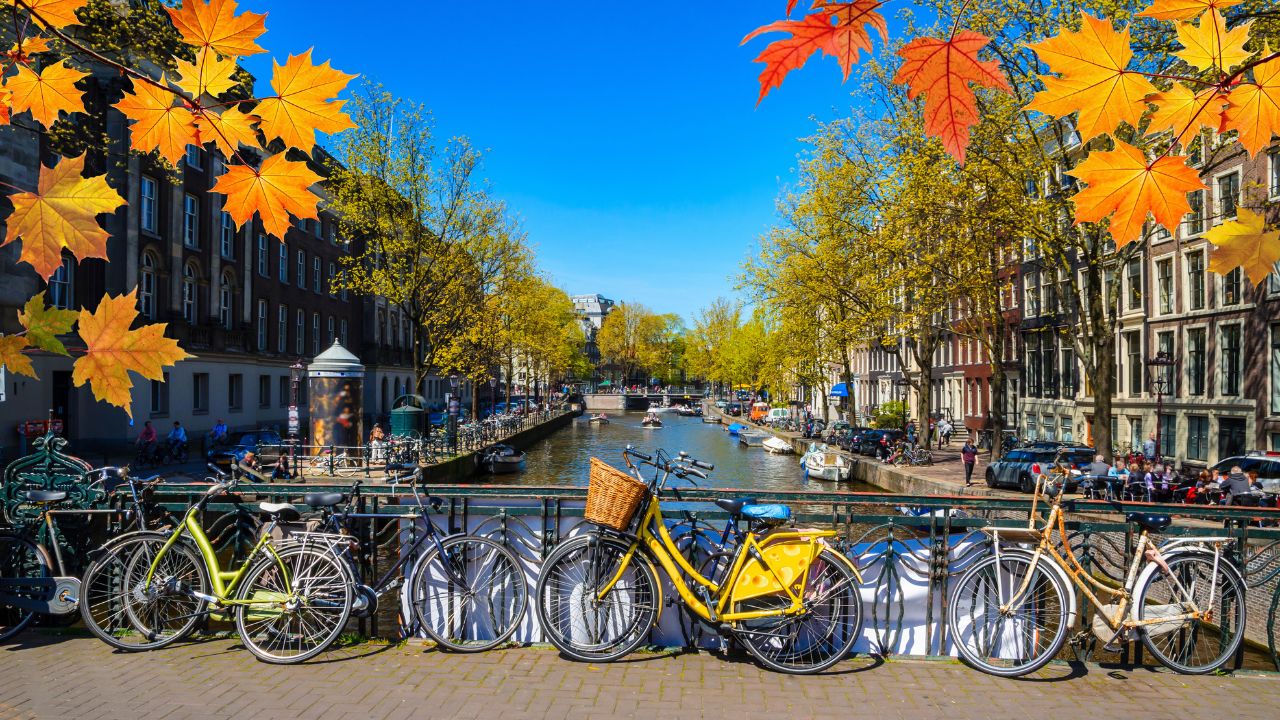
Amsterdam looks like an easy city break from a distance. Canals, museums, bikes, cafés, and compact neighborhoods make the city seem simple to plan.
The final hotel bill can look different from the first search result. The City of Amsterdam lists a tourist tax of 12.5% of the overnight price, excluding VAT, plus a €15 day tourist tax per cruise passenger.
Those extra costs can make a short stay feel heavier than expected, especially for travelers comparing hotels only by headline nightly rate. The tax should be part of the budget before choosing where to stay.
Crowds add another friction point. Around the Anne Frank House, Dam Square, canal cruise docks, museum entrances, and the Red Light District, bikes, trams, tour groups, and narrow sidewalks can make movement feel slow.
Amsterdam usually feels better with early museum bookings and more time outside the busiest core. Neighborhoods beyond the most crowded center can give visitors the canal-city experience with more room to walk, eat, and slow down.
5. Maldives
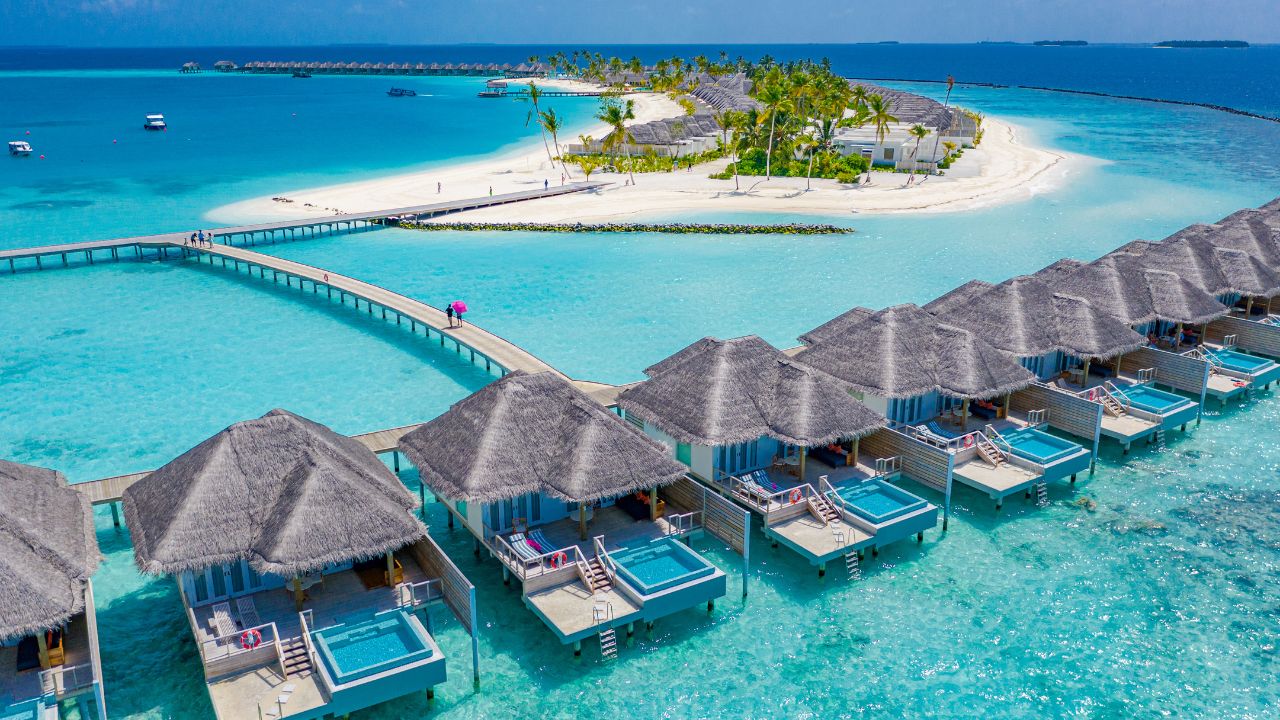
The Maldives continues to sell one of the strongest vacation images in the world: overwater villas, clear lagoons, coral islands, and quiet luxury. The fine print is the cost structure around that image.
The Maldives Inland Revenue Authority says Green Tax is payable by tourists staying in resorts, integrated resorts, resort hotels, hotels, tourist vessels, tourist guesthouses, and similar establishments. From January 1, 2025, many resorts, larger hotels, tourist vessels, and similar properties are listed at US$12 per tourist per day of stay, while smaller hotels and guesthouses on inhabited islands with 50 or fewer rooms are listed at US$6.
Those charges may look small at first, but they grow quickly on longer stays or family trips. Transfers, service charges, seaplanes, resort dining, excursions, peak-season room rates, and taxes can push the final cost far beyond the villa price that caught the traveler’s eye.
The Maldives can be extraordinary for travelers who understand the full bill before booking. For anyone expecting a simple and affordable island escape, the math can change the mood before the trip even starts.