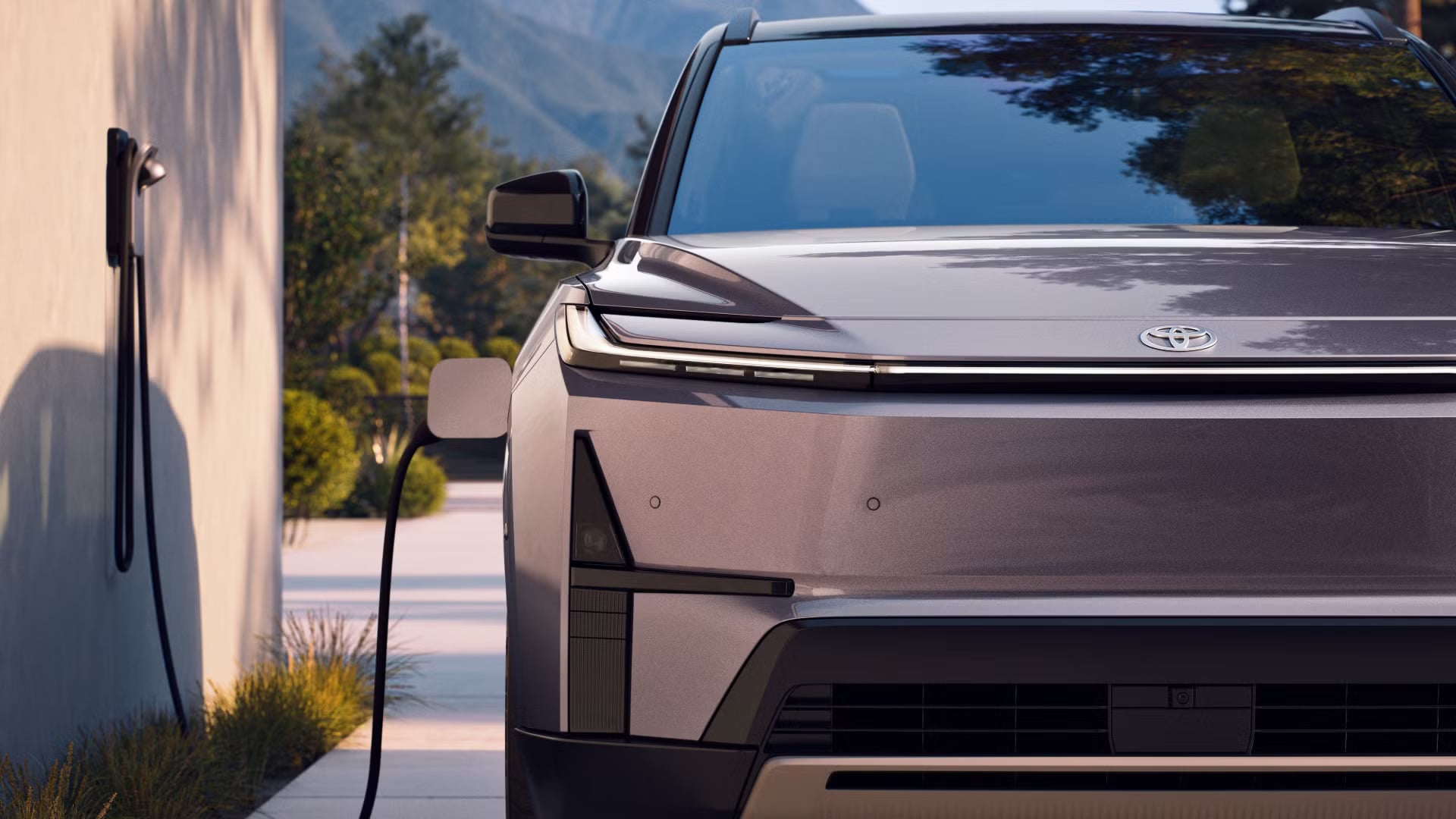
Toyota’s ambitious plan to reinvent the Highlander as an all-electric SUV has encountered an early setback. The automaker has confirmed that production of the upcoming 2027 Toyota Highlander EV has been delayed, pushing back one of its most significant electric vehicle launches.
The next-generation Highlander marks a dramatic change for one of Toyota’s most recognizable family SUVs. Rather than offering gasoline and hybrid powertrains, the redesigned model is set to become an electric-only vehicle, while the larger Grand Highlander continues as Toyota’s three-row SUV with conventional powertrain options.
Although the delay appears relatively short, it comes at an important time for Toyota’s expanding EV lineup. The company has recently introduced several new battery-electric models as it works to strengthen its position in an increasingly competitive market.
Toyota says the postponement is intended to allow additional refinements before production begins. At the same time, the delay gives the company more time to capitalize on the strong demand for the current Highlander, particularly its hybrid variants.
Production Has Been Pushed Back
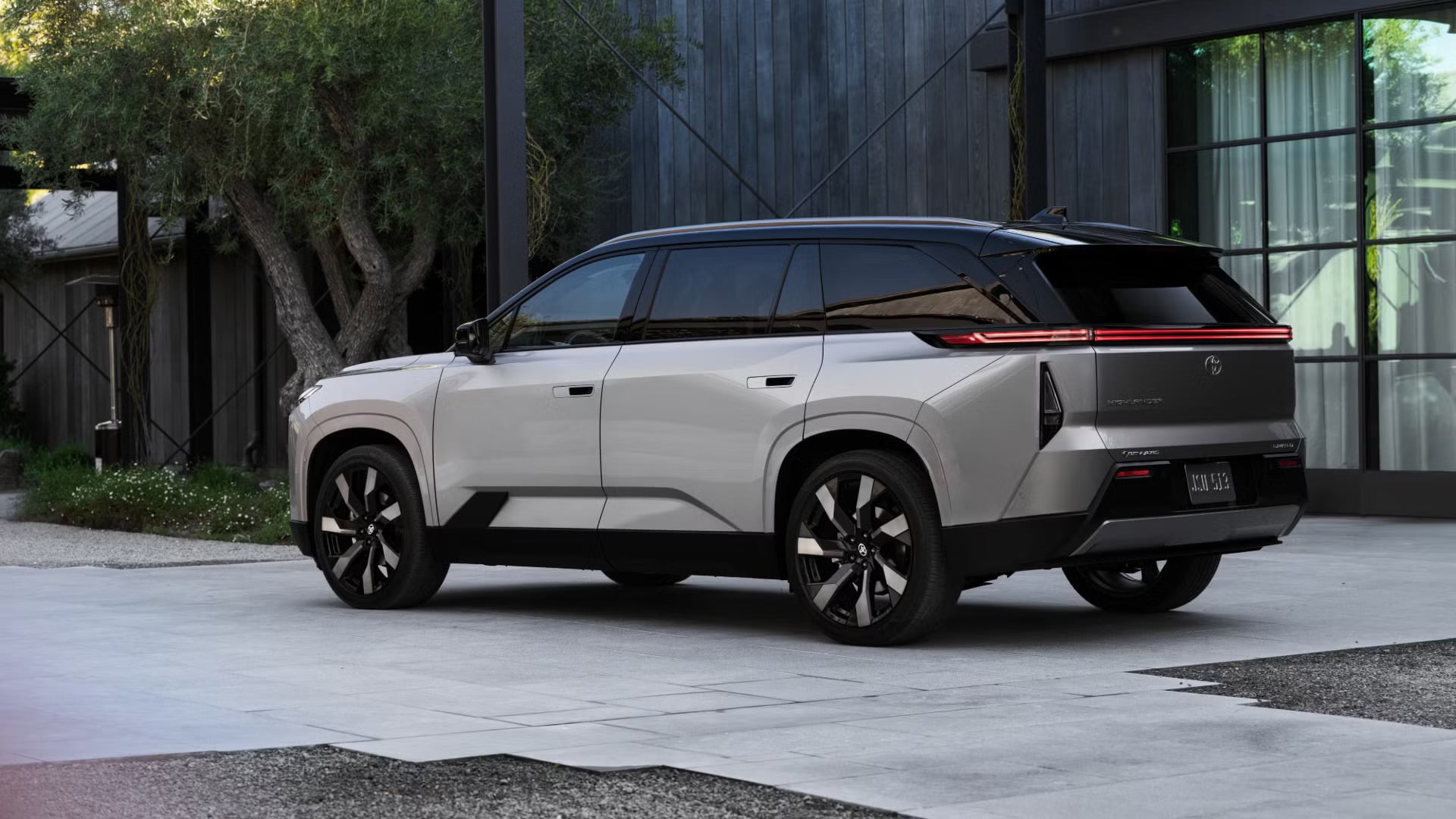
The Highlander EV is one of Toyota’s most important upcoming electric vehicles because it moves the brand into one of North America’s most competitive segments. Three-row electric SUVs remain relatively scarce, with rivals such as the Kia EV9 demonstrating growing demand, while Toyota’s strong reputation in the family SUV market gives the company an opportunity to attract both loyal Highlander owners and first-time EV buyers. A successful launch would also strengthen Toyota’s expanding battery-electric lineup as the automaker works to accelerate its transition beyond hybrids.
Toyota confirmed that the start of production for the 2027 Highlander has been delayed to allow engineers to complete final adjustments before launch. While the company has not announced a revised production date, reports suggest the delay could last as long as eight weeks.
The automaker has not detailed the specific changes being made to the vehicle. It remains unclear whether the additional time is being used for engineering refinements, manufacturing readiness, or production planning.
Despite the delay, Toyota has indicated that the electric Highlander could still arrive before the end of the year if development remains on schedule.
Current Highlander Production Will Continue
The production delay affects only the upcoming electric model. Toyota confirmed that the existing 2026 Highlander, available with both gasoline and hybrid powertrains, will remain in production through December.
That decision comes as the current model continues to perform well in the marketplace. Hybrid versions, in particular, have experienced strong demand, allowing Toyota to continue supplying one of its most popular family SUVs while preparing its electric successor.
Keeping the current Highlander on sale also provides dealers with additional inventory during the transition to the new generation.
Kentucky Production Could Be Part Of The Story
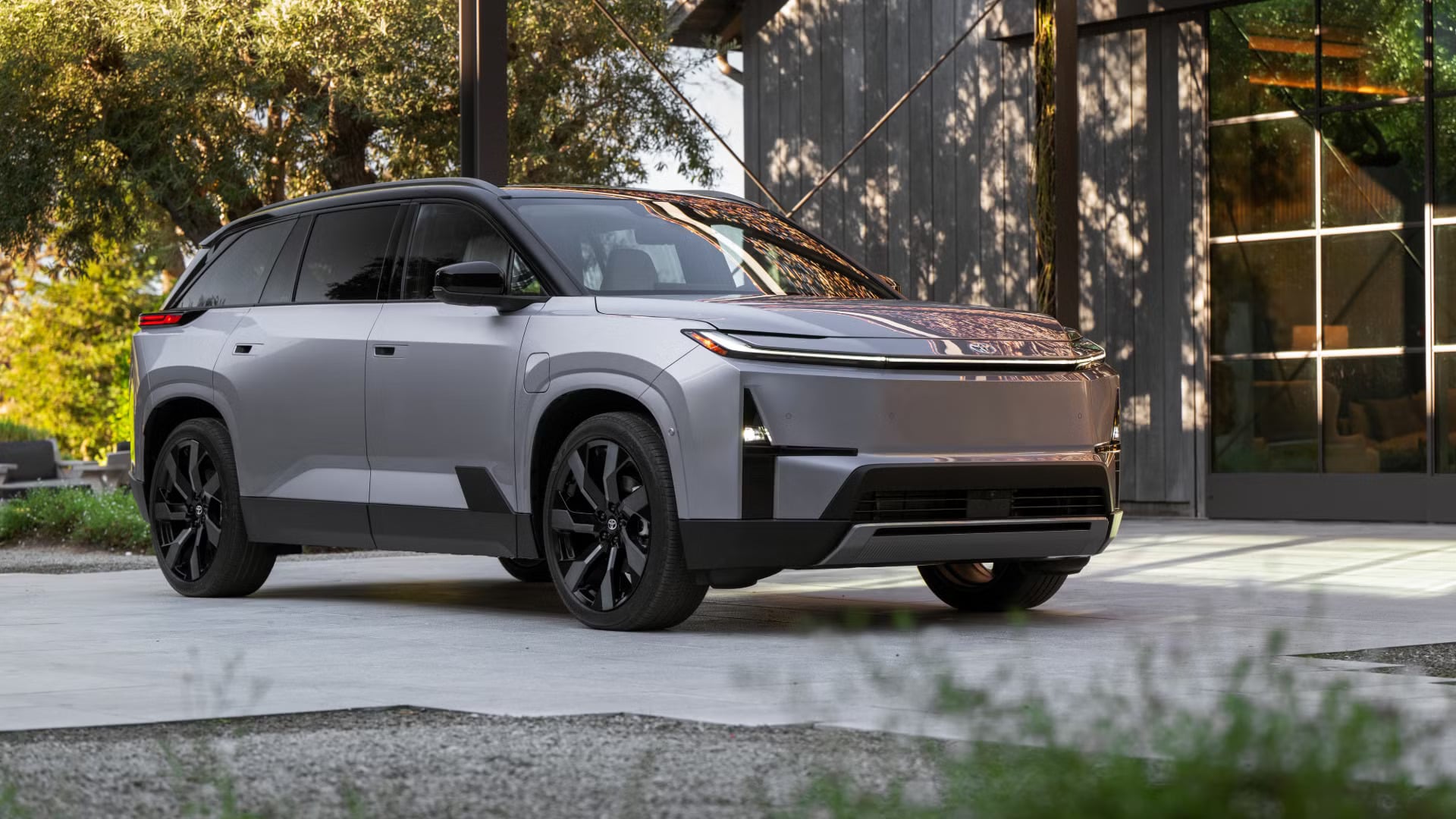
The new Highlander EV will be assembled at Toyota’s manufacturing facility in Kentucky, which has recently undergone significant changes. The plant has also begun producing the redesigned RAV4, creating additional pressure as production ramps up for multiple high-volume models.
Reports indicate that RAV4 production has experienced its own challenges during the transition, contributing to lower vehicle availability. Although Toyota has not linked the Highlander delay directly to the factory, launching two major products from the same facility inevitably adds complexity.
The Kentucky plant is expected to play a key role in Toyota’s North American electrification strategy over the coming years.
Other Models Could Also Feel The Impact
The Highlander shares its underlying platform with several upcoming vehicles, including the Subaru Getaway and the Lexus TZ. While Toyota has not announced any changes for the Lexus model, it is produced in Japan rather than Kentucky, meaning its launch schedule may remain unaffected.
The Subaru Getaway, however, is expected to be built alongside the Highlander in Kentucky. Subaru has not confirmed whether its launch timeline has changed, but sharing the same production facility raises the possibility of similar scheduling adjustments.
Even with the delay, Toyota’s broader electric vehicle strategy remains intact. The company has steadily expanded its EV portfolio with models such as the redesigned bZ, the C-HR EV, and the bZ Woodland, positioning the Highlander as one of its most important future family vehicles.
Given the continued popularity of Toyota’s gasoline and hybrid SUVs, a brief production delay is unlikely to have a significant impact on overall sales. It does, however, highlight the challenges automakers continue to face as they transition some of their best-selling nameplates into the electric era.