
There are a ton of car myths floating around, shared by the uncle who taught you to drive stick, the highway mechanic who patched your tire, or the crew talking shop at your local car meet.
Most of these tips are outdated or just plain wrong. You don’t need to warm up your engine every morning unless you’re driving something from the 1950s. And when it comes to things like tire pressure or fuel grade, your owner’s manual is the only advice that matters.
However, some warnings that have circulated over the years actually hold merit. Take topping off your gas tank, for instance. You’ve probably done it yourself — watched the pump stop at $49.87 and felt the urge to squeeze in a few more cents to hit an even $50. We’ve all been there.
Here’s why that extra splash of gas is a bad idea.
Why This Matters and Where the Info Comes From

Long-running beliefs about cars are hard to debunk, mainly if, at one point, they were based on truth. Using your cell phone while pumping gas, leaving your vehicle in park while the engine warms up, and filling up your tank early in the morning were all once things that many of us were taught when it comes to our cars.
This article is based on guidance from reputable automotive and environmental agencies, including the U.S. Environmental Protection Agency (EPA) and the Automotive Maintenance and Repair Association (AMRA). We also consulted manufacturer documentation and fuel station safety protocols to give you the best information possible.
It’s Bad for the Environment

Topping off your gas tank increases the chances of fuel spilling onto the ground, and most modern cars have a safety feature to prevent this. However, it can still fail (which, unfortunately and embarrassingly, I have experienced). Gasoline is a highly flammable petroleum product and contains harmful chemicals like benzene, a known carcinogen. When spilled, it can seep into soil or be washed into storm drains, eventually polluting local waterways and harming aquatic ecosystems.
While the EPA stat about used motor oil polluting a million gallons of water doesn’t apply directly to gasoline, it illustrates how even small amounts of petroleum products can have outsized environmental effects. Preventing unnecessary spills helps reduce this impact.
It’s a Safety Hazard
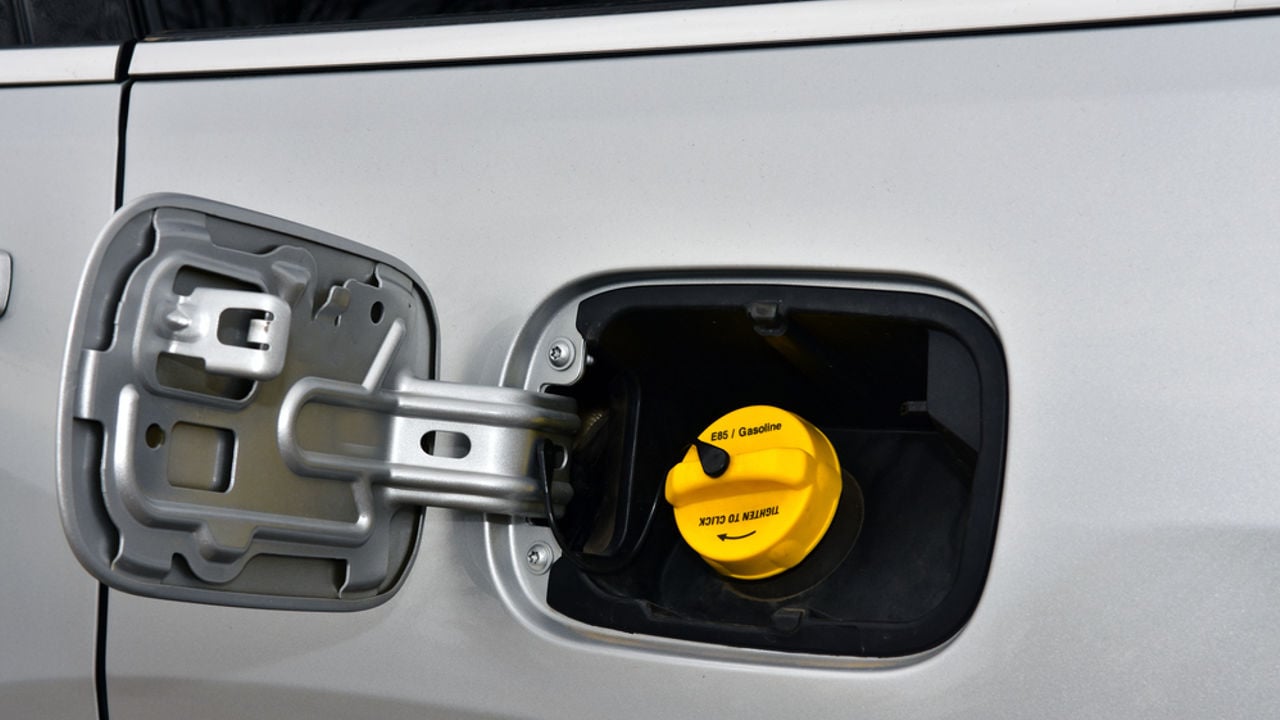
Spilled gasoline is more than just messy — it’s dangerous. Gas vapors are highly flammable and can ignite under the right conditions. Static electricity, heat, or even a car backing into a pump can trigger a fire if there’s gas on the ground.
While rare, fires at gas stations have happened, and topping off your tank increases the risk. Even a few drops can make a big difference in the wrong situation.
It Can Damage Your Vehicle
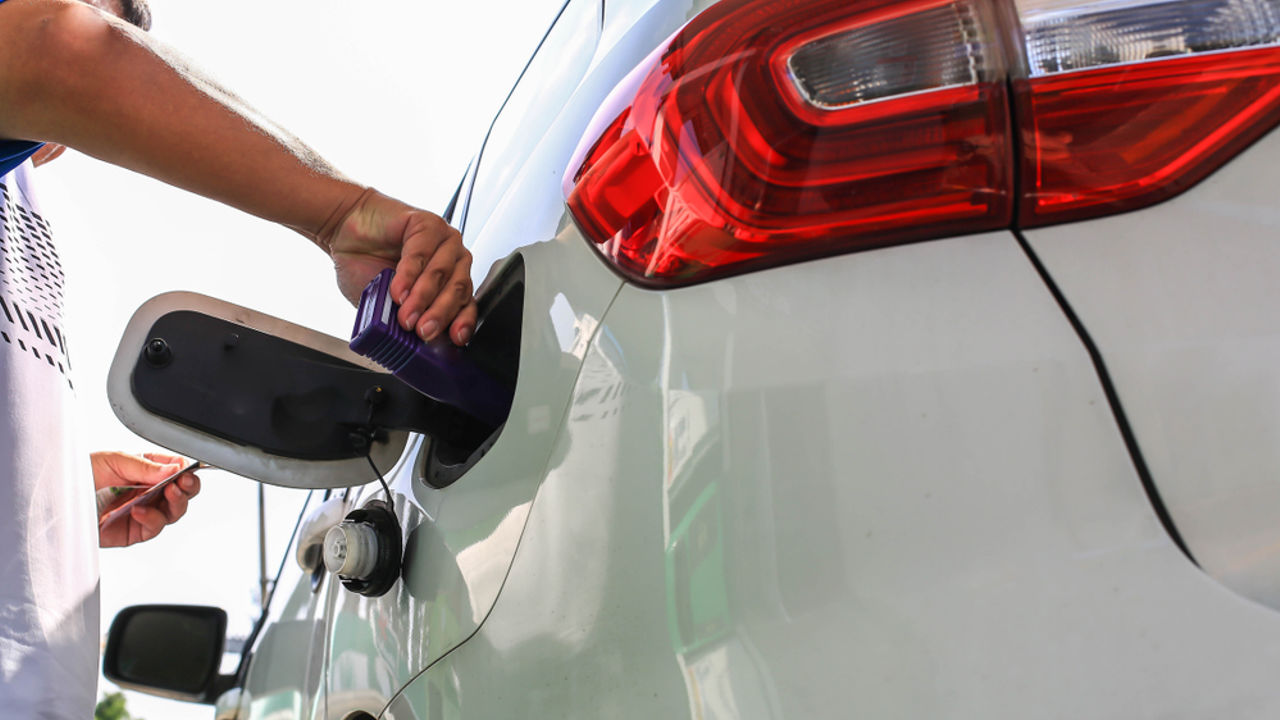
Most vehicles built after 1996 are equipped with an Onboard Refueling Vapor Recovery (ORVR) system. This system includes a charcoal canister that captures fuel vapors during refueling to reduce air pollution. When you overfill your tank, liquid gasoline can enter the canister, saturating the charcoal and rendering it ineffective.
This can trigger the check engine light and, over time, lead to the failure of the evaporative emissions system. Replacing the charcoal canister or other ORVR components can cost hundreds of dollars in parts and labor. That may sound a tad dramatic, but in today’s economy, it’s not worth the risk.
It Doesn’t Improve Performance and Might Hurt It

Some drivers believe adding a little extra gas improves mileage or gives them a longer driving range. It doesn’t. In fact, overfilling your tank can negatively affect your car’s emissions system.
Excess fuel can flood vapor lines and the purge valve, leading to poor fuel-air mixture readings and reduced engine efficiency. While it won’t destroy your fuel injection system outright, it can cause your car to run less efficiently, especially in vehicles sensitive to changes in pressure or vapor levels.
If you’re looking to save fuel, you’re better off keeping your tires properly inflated, avoiding aggressive acceleration, and reducing excess weight.
Modern Gas Pumps Are Designed to Shut Off for a Reason

Fuel pumps have automatic shutoff mechanisms to prevent overfilling. When the tank is full, these pumps stop the flow of gas based on back pressure. If you continue to pump after it shuts off, you override that safety system. Even worse, if you aren’t paying attention to the fuel you’re pumping, it can continue filling and spill out of your car dramatically.
Doing so not only risks spilling fuel but also wastes money since any extra fuel may be sucked back into the gas station’s vapor recovery system — not into your car’s tank.
A Few Cents Isn’t Worth the Cost
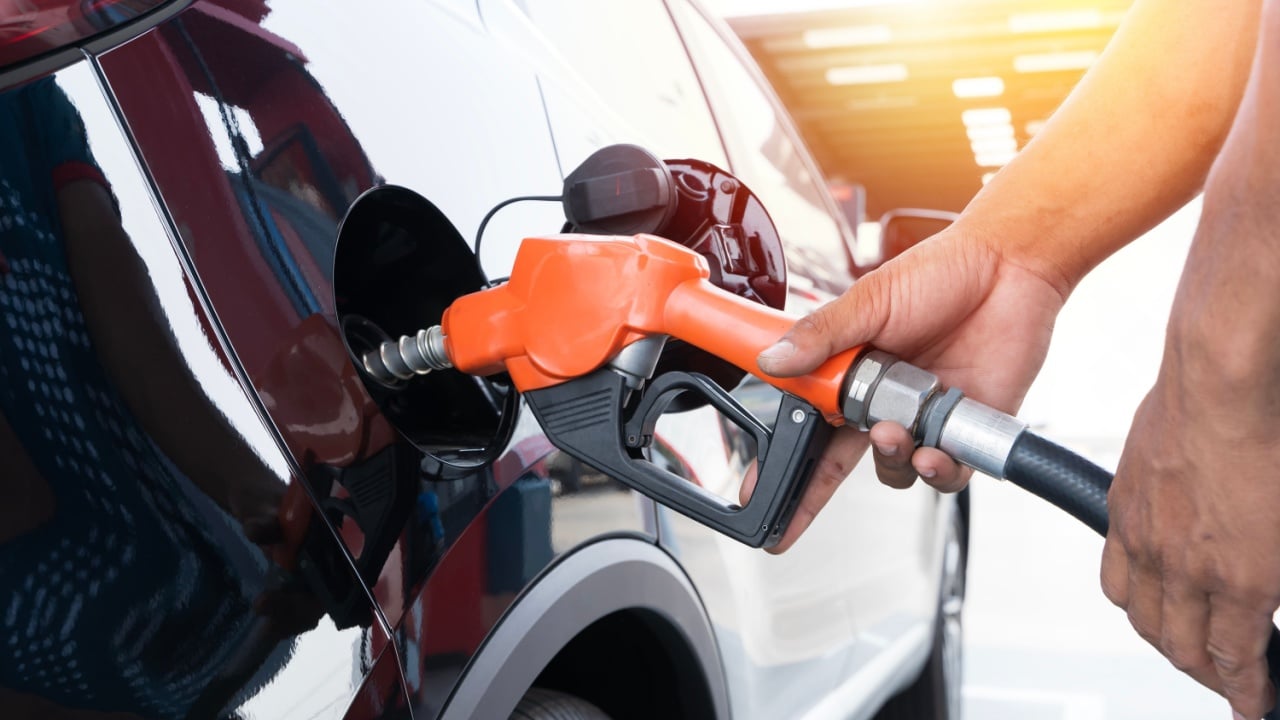
That satisfying click of rounding off the dollar might feel good at the moment, but topping off your tank carries real risks. From harming the environment to damaging your emissions system and even posing a fire hazard, the consequences outweigh the benefits.
The next time the pump stops, trust it. Let it be $49.87. Your car, your wallet, and the planet will be better off for it.
What are some other debunked car myths you grew up with? Let us know in the comments!