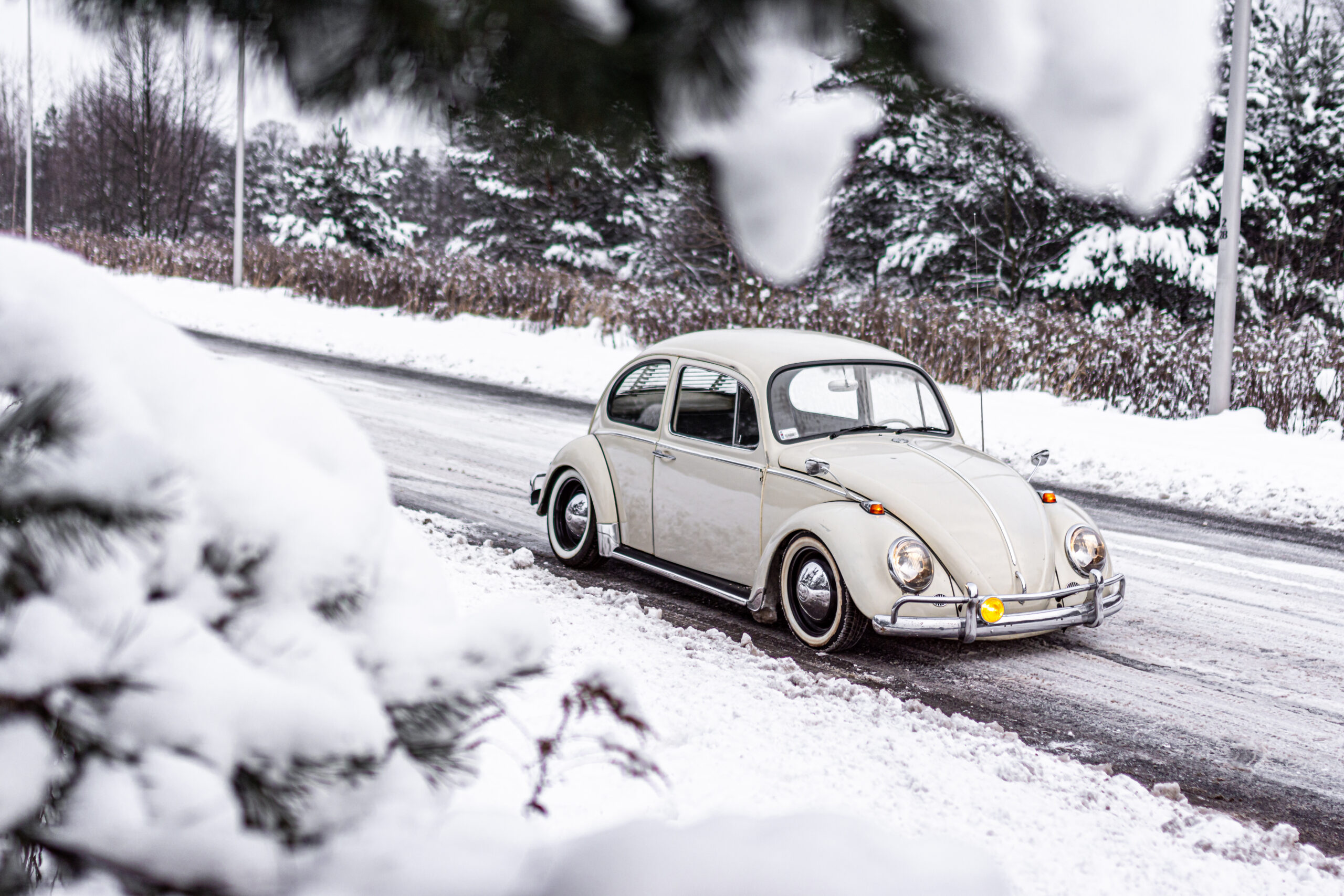
Winter and classic cars have a complicated relationship, kind of like that friend who borrowed your favorite wrench and returned it slightly rusty. While many enthusiasts tuck their vintage rides away until spring, there’s something special about piloting a classic through the colder months.
The crisp air, the throaty exhaust note in the cold morning, the admiring glances from other drivers who can’t believe you’re actually out there — it’s an experience worth having. But let’s be honest, your 1967 Mustang wasn’t exactly engineered with modern winter driving in mind.
Here’s how to keep your classic happy, safe, and running smoothly when the temperature drops.
Check Your Coolant Mix Before the First Freeze

That green or orange liquid in your radiator becomes your best friend when temperatures plunge below 32°F. A 50/50 antifreeze-to-water mix typically protects against freezing to roughly –34°F (–37°C), helping prevent freeze damage from turning into an expensive ice sculpture.
Test your coolant with an inexpensive hydrometer — they’re about $10 and could save you thousands in cracked block repairs. If your classic has been sitting with plain water or a weak mixture, now’s the time to flush and refill with fresh coolant rated for at least -30°F.
Consider that many older engines have iron blocks that are particularly vulnerable to freeze damage, making this step absolutely non-negotiable.
Your Battery Needs Extra Love in Cold Weather
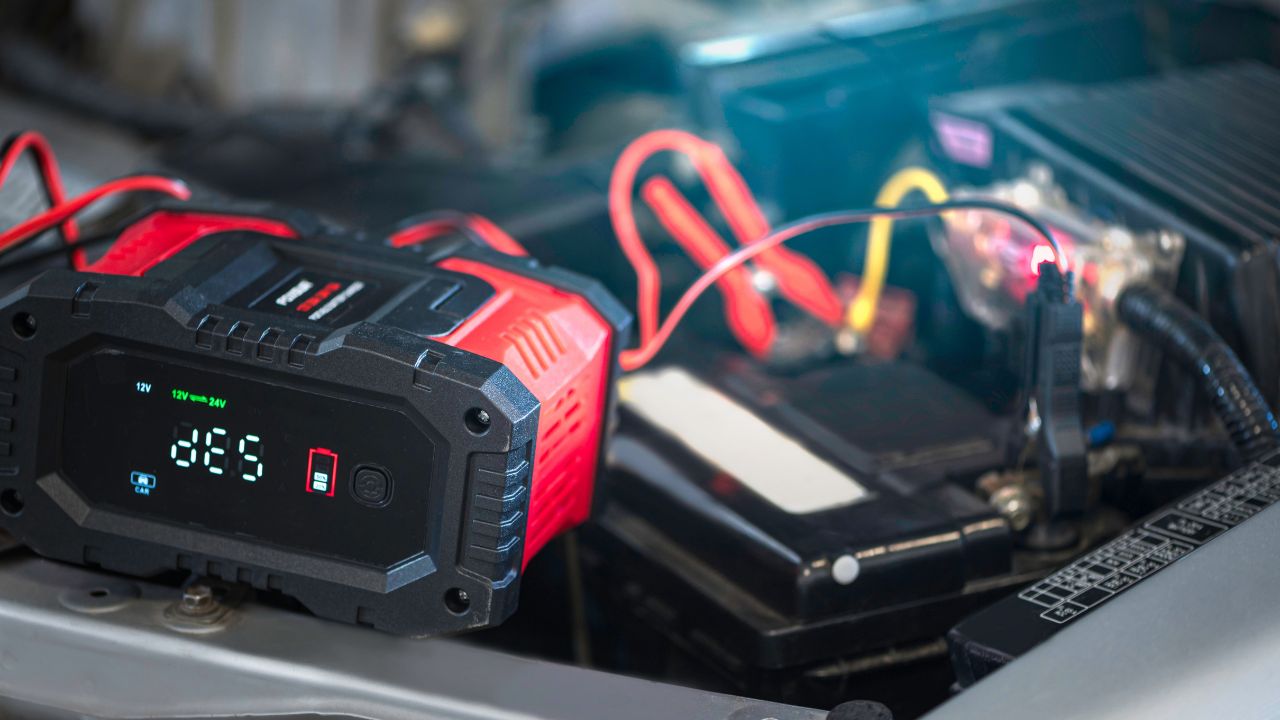
Cold cranking amps aren’t just marketing jargon — they’re the difference between firing up your classic and calling for a jump on a 20°F morning.
Batteries can lose about 35% of their strength at 32°F and about 60% at 0°F, which is rough news for older electrical systems that already ask a lot from them. Have your battery load-tested at an auto parts store (usually free) and replace it if it’s showing weakness. Keep the terminals clean and tight, and if you’re storing the car between drives, consider a battery tender to maintain optimal charge.
A quality battery for a classic typically runs $100-200, which beats the frustration of being stranded every single time.
Switch to Winter-Weight Oil If Your Engine Needs It

Here’s where things get interesting for those running older engines without modern multi-grade oils. If you’re still using straight-weight oil like 30W or 40W, winter is when you’ll want to drop down to 20W or even 10W for easier cold starts.
Modern classics that can handle multi-grade synthetic oils have it easier — something like 5W-30 flows beautifully in cold weather while still protecting at operating temperature. The “W” stands for winter, and that first number tells you how the oil behaves when cold.
Thicker summer oils turn into molasses below freezing, which means your engine struggles to turn over and components don’t get lubricated quickly enough during those critical first seconds.
Tire Pressure Drops With the Temperature
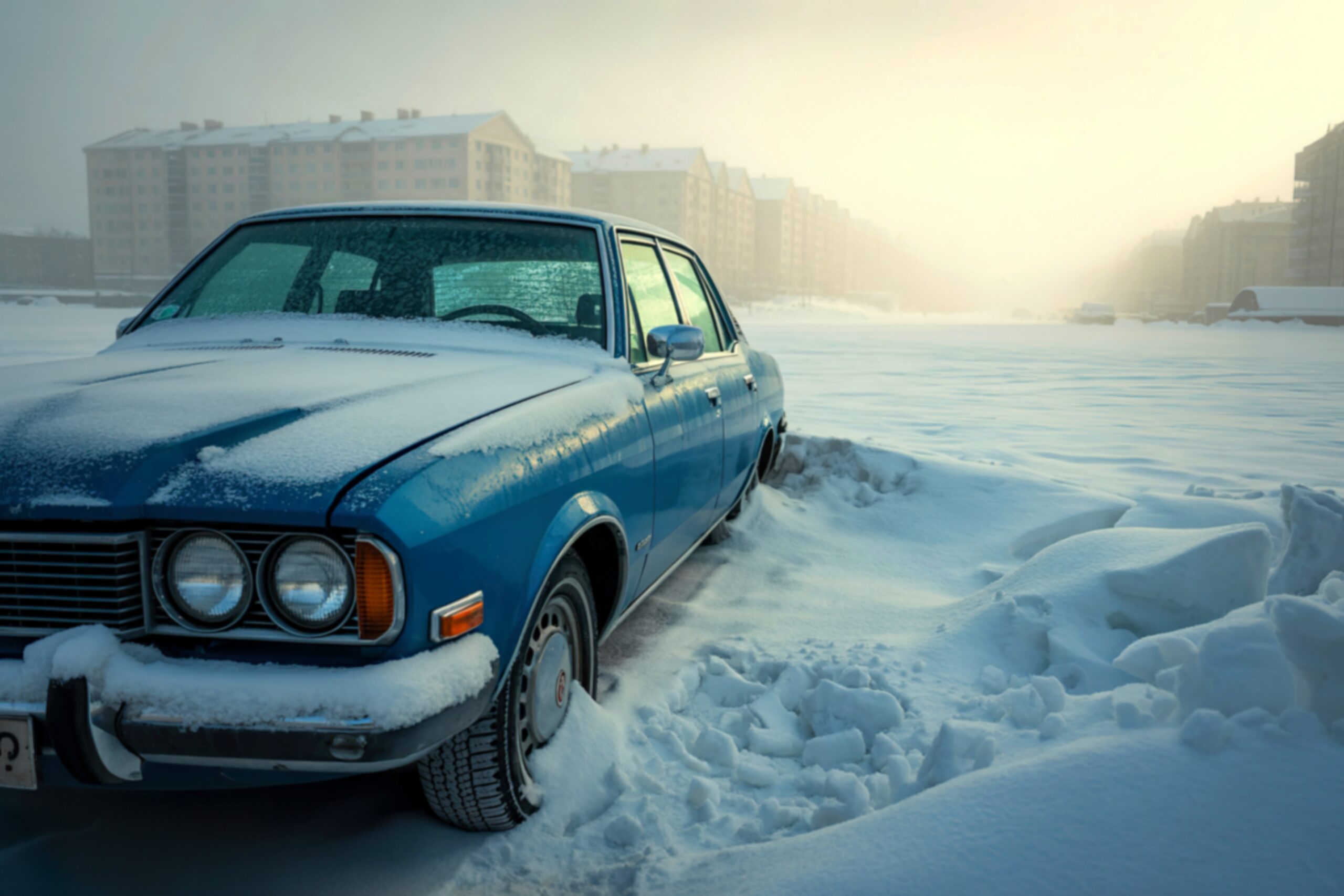
Remember high school chemistry? Gas contracts when it gets cold, and that applies to the air in your tires too.
For every 10°F drop in temperature, you’ll lose about 1 PSI, which doesn’t sound like much until you realize a 40°F swing from fall to winter could leave you around 4 PSI low. Check your pressures weekly during winter months, and do it when the tires are cold for an accurate reading. Under-inflated tires reduce traction, hurt fuel economy, and wear unevenly — all things that matter more when you’re driving a classic with less sophisticated suspension and braking systems than modern cars.
Keep a quality tire gauge in your glove box and actually use it.
Undercoating and Rust Protection Become Critical
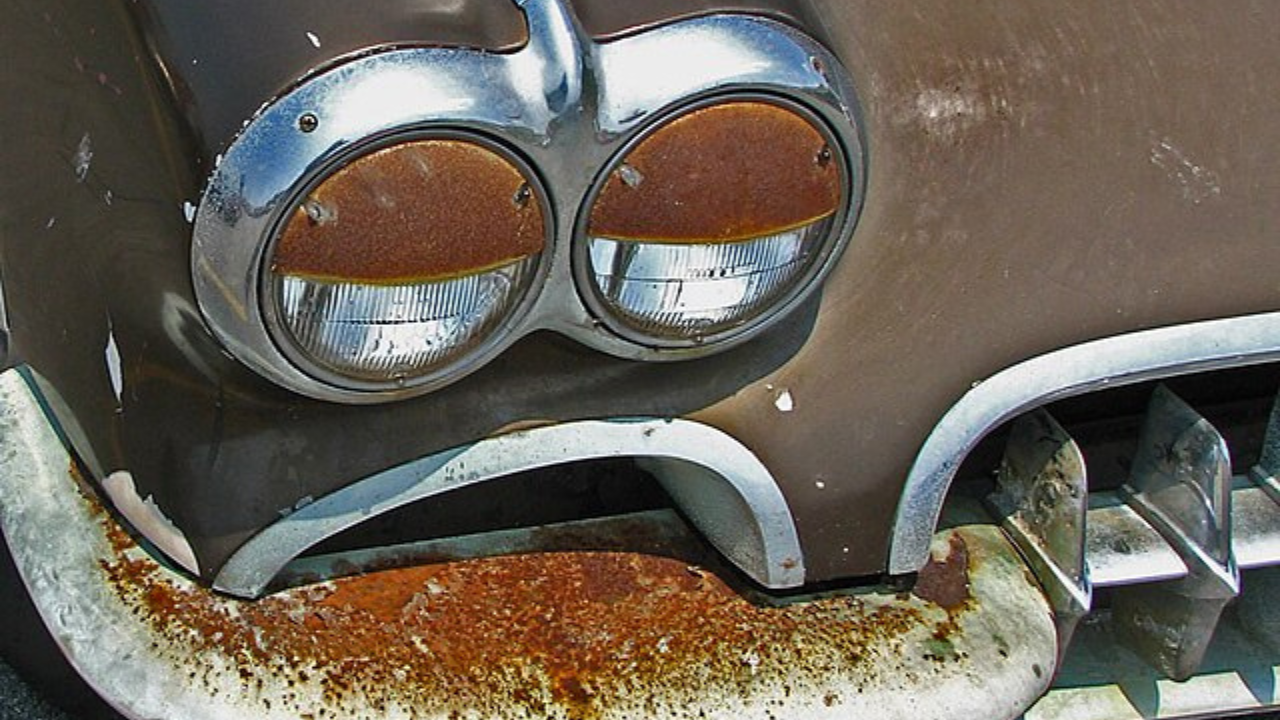
Road salt is the sworn enemy of classic car sheet metal, and winter roads are basically a corrosive soup designed to dissolve your rocker panels.
Before winter driving begins, inspect your undercarriage and address any rust spots or coating damage. Apply a quality rust inhibitor or undercoating to vulnerable areas, paying special attention to wheel wells, frame rails, and anywhere moisture can hide. Some enthusiasts use fluid film or wool wax-based products that stay pliable in cold weather.
After every drive on salted roads, try to rinse the undercarriage when temperatures allow — many self-serve car washes have undercarriage sprayers specifically for this purpose.
Keep Your Fuel Tank Fuller Than Usual
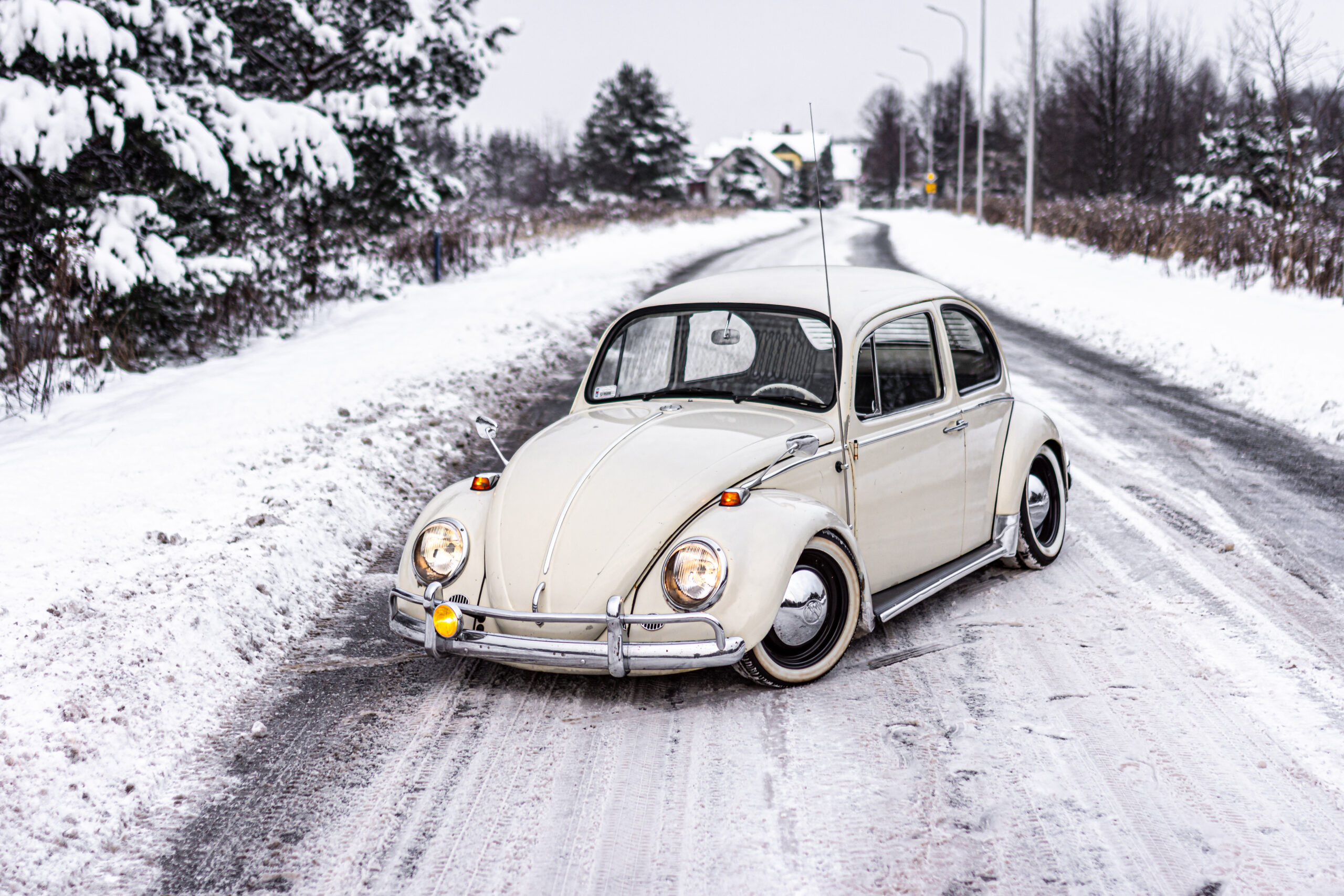
Running around with a quarter tank might work in July, but winter driving calls for keeping that gauge above half whenever possible.
A fuller tank reduces condensation inside the fuel tank, which means less water mixing with your gasoline — particularly important for classics with steel tanks that can rust from the inside. That extra fuel also gives you a safety margin if you get stuck or delayed in cold weather.
Consider adding a fuel stabilizer designed for ethanol-blended fuel to help manage moisture and slow fuel degradation. Plus, there’s something reassuring about having extra range when the weather turns nasty and you need to make it home.
Upgrade Your Wiper Blades and Washer Fluid
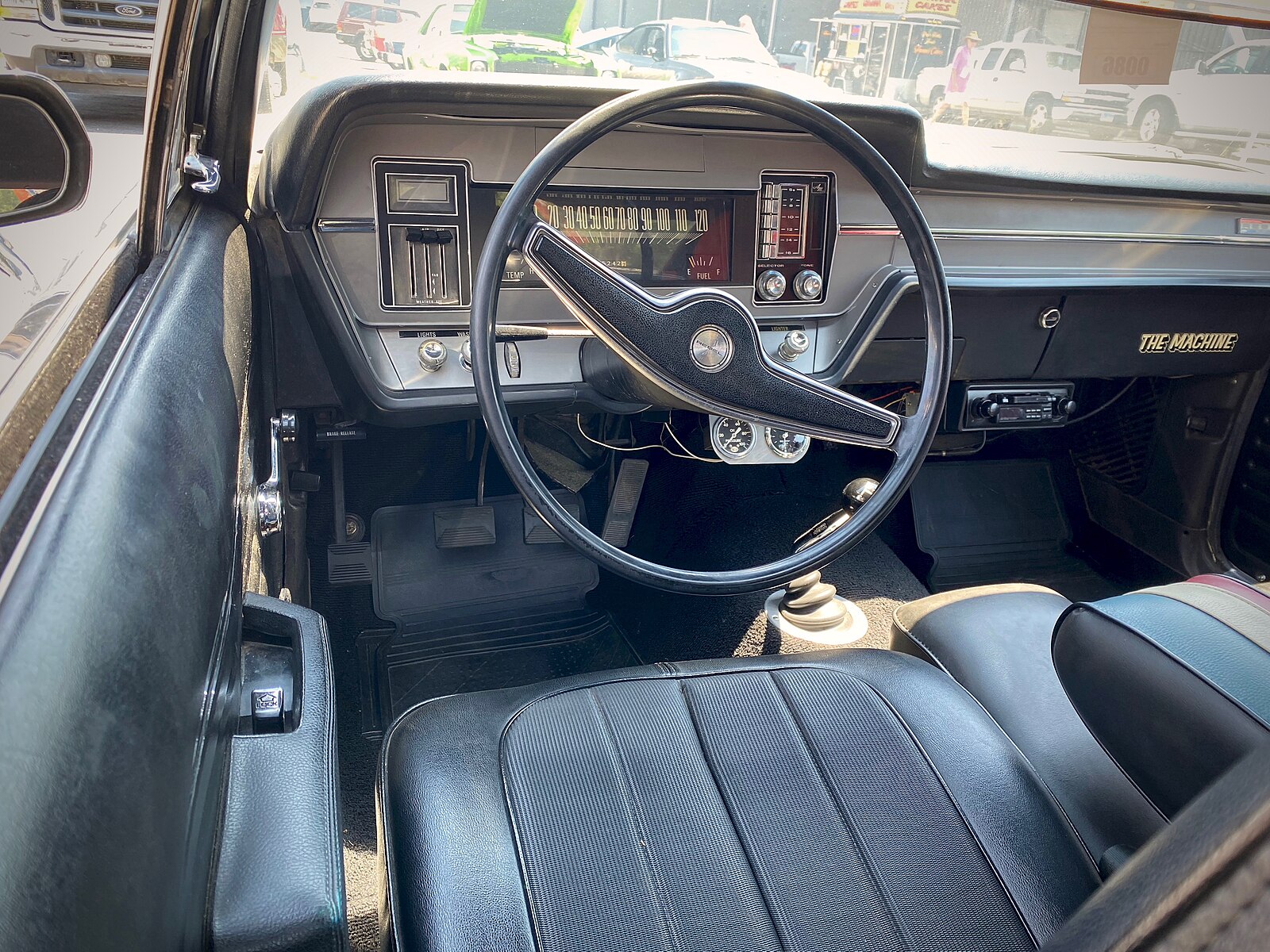
Those original-style wiper blades that looked so authentic at the car show? They’re probably not going to cut it when you’re dealing with slush, road spray, and freezing temperatures.
Invest in quality winter wiper blades that can handle ice buildup — you can always swap back to period-correct blades for summer shows. Make absolutely certain your washer fluid is rated for winter temperatures, ideally -20°F or lower.
Regular washer fluid or water will freeze in your reservoir and lines, potentially cracking components. Good visibility isn’t optional when you’re driving a classic without modern safety features like stability control or antilock brakes.
Consider Your Tire Choice Carefully
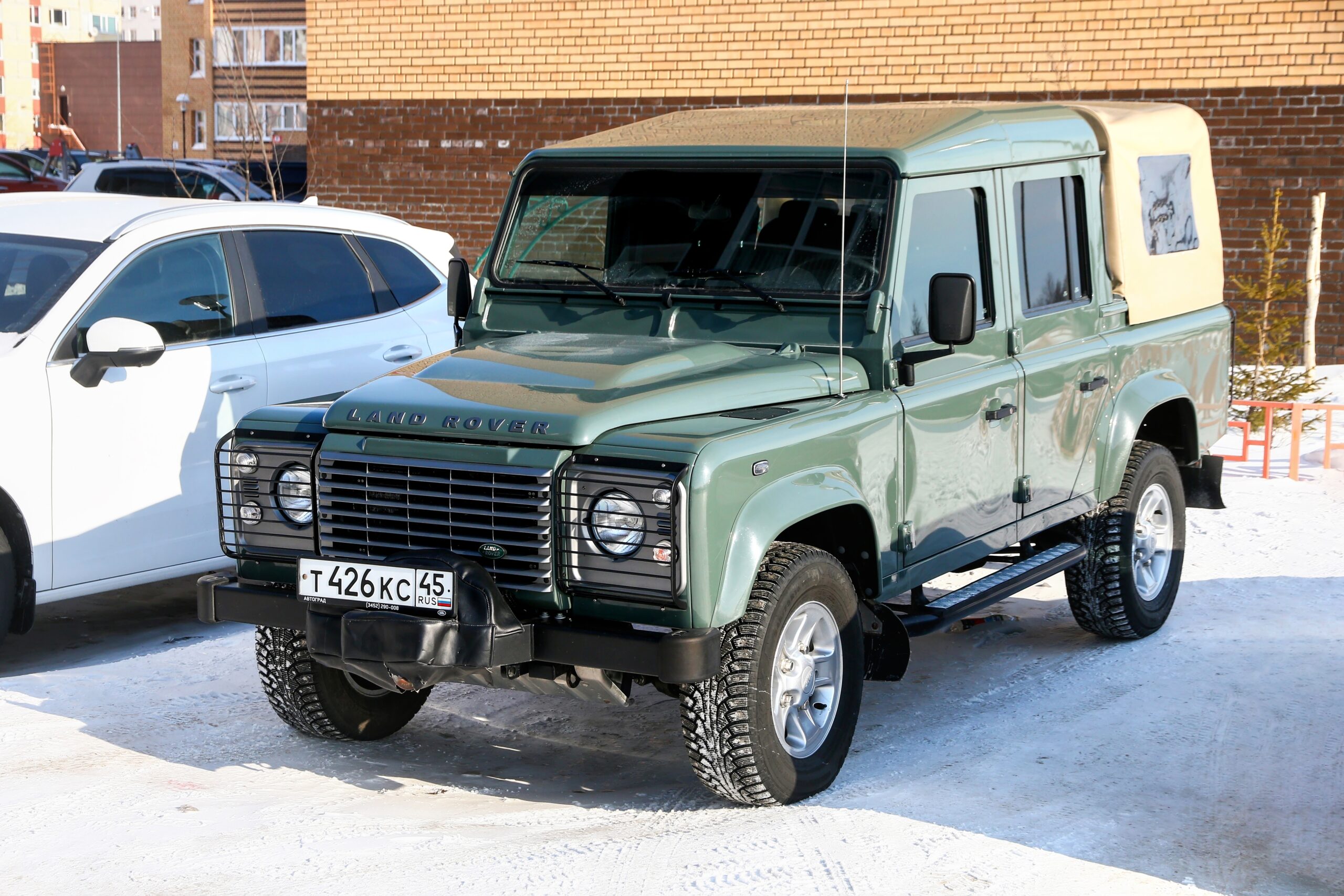
This is where classic car owners face a real dilemma: authenticity versus safety.
Those bias-ply tires or classic-look radials might be perfect for the aesthetic, but they’re not engineered for winter traction. You don’t necessarily need dedicated snow tires (though they’re excellent), but at minimum, ensure your tires have decent tread depth — at least 4/32 inch, though 6/32 or more is better for winter.
All-season radials designed for classic sizes offer a good compromise between looks and winter capability. Some enthusiasts keep a set of winter-appropriate wheels and tires just for cold-weather driving, which also protects those expensive period-correct tires from salt and harsh conditions.
Your Defroster and Heater Need to Actually Work
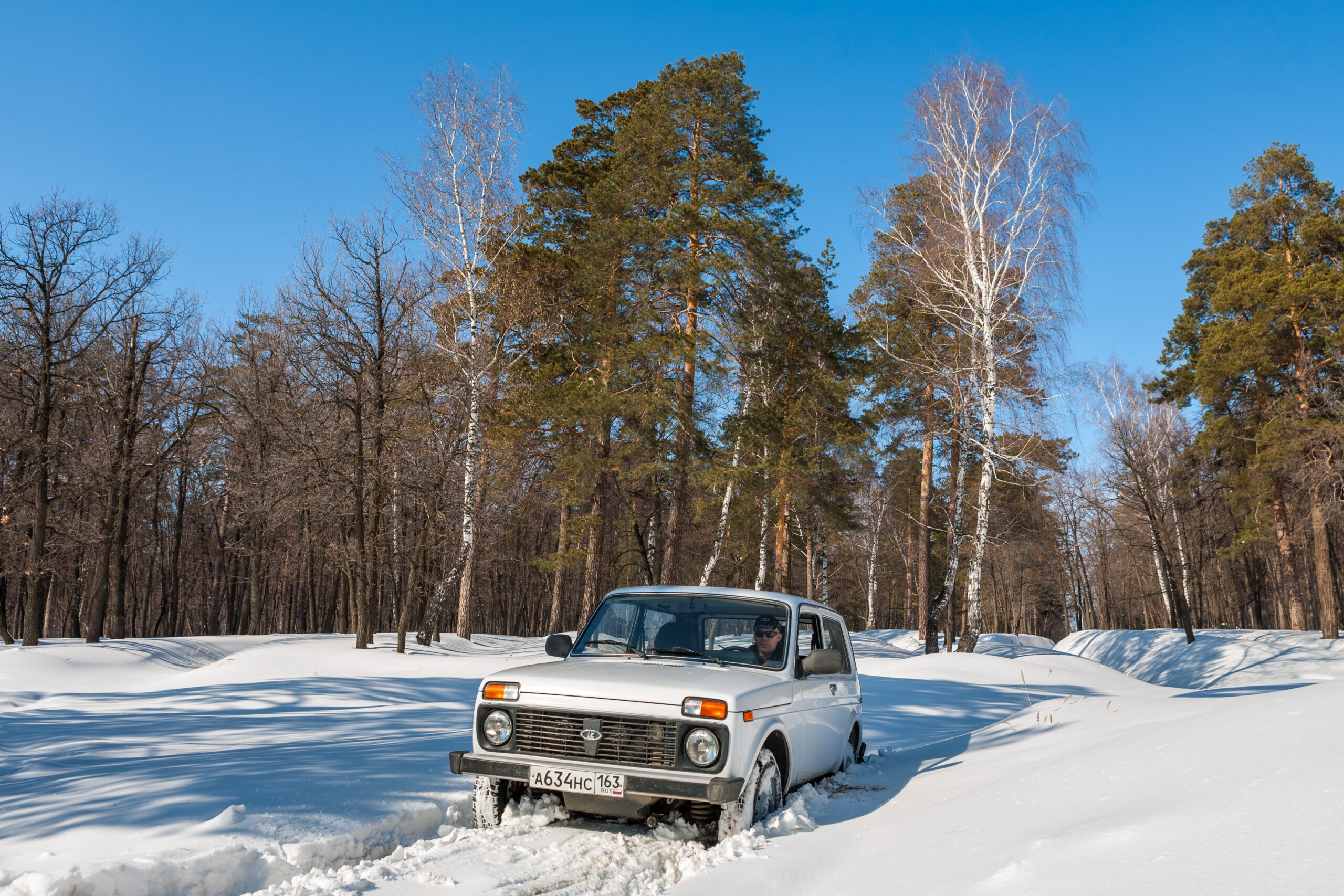
It’s easy to tolerate a mediocre heater during a summer cruise, but winter exposes every weakness in your classic’s HVAC system.
A properly functioning defroster is a safety essential — you simply cannot drive safely if you can’t see through fogged or iced windows. Replace old, cracked heater hoses, flush the heater core if it’s weak, and ensure any vacuum lines or mechanical linkages controlling the blend doors are in good shape. Check that your blower motor spins freely and consider upgrading to a higher-output unit if your classic struggles to warm the cabin.
Many older cars used thermostatic controls that can fail, so verify everything works before you need it desperately on a freezing morning.
Adjust Your Driving Style for Reduced Traction
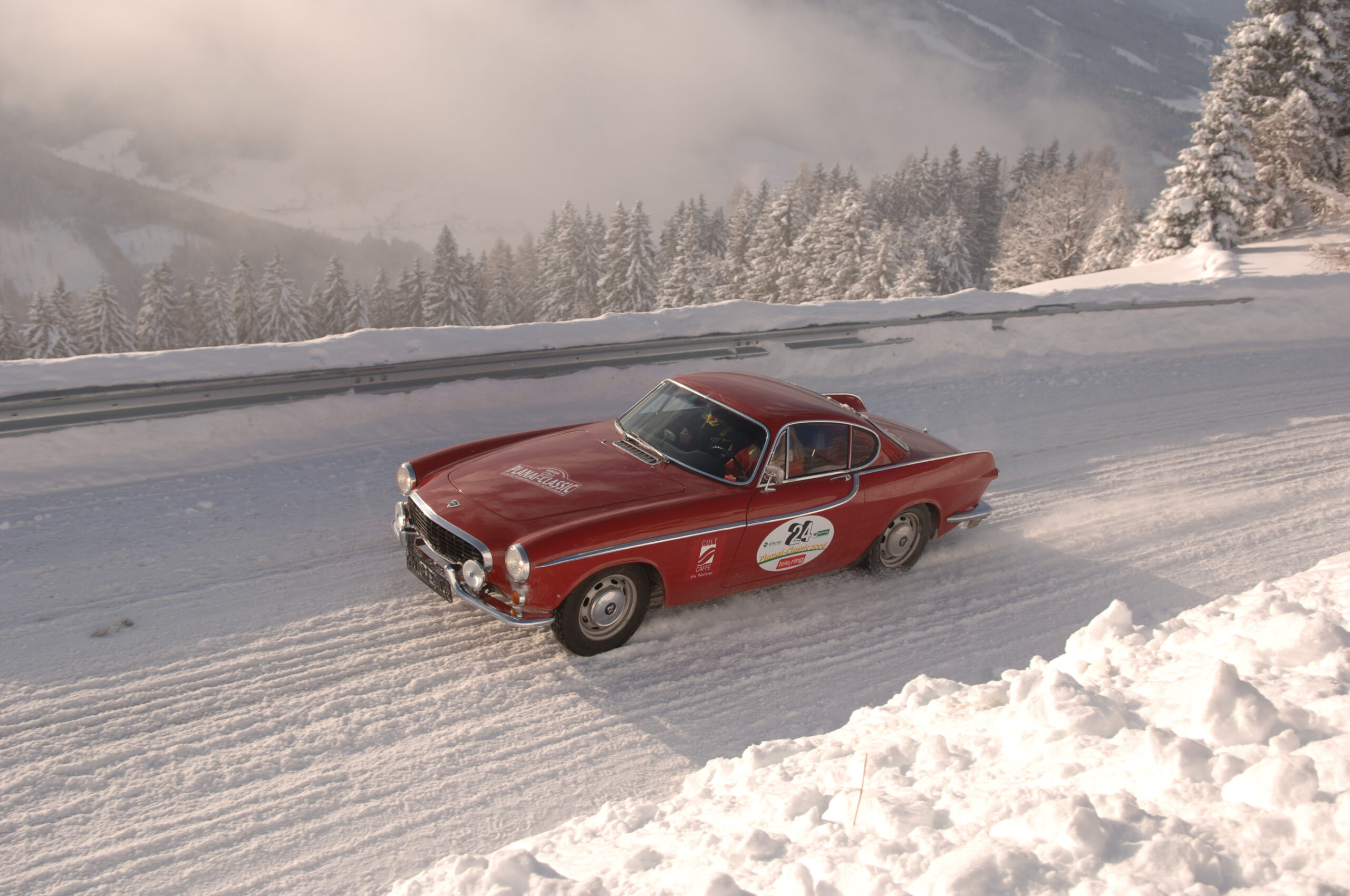
Here’s a reality check: your classic doesn’t have ABS, traction control, stability control, or any of the electronic nannies modern drivers rely on. That means you’re the traction control system, and smooth inputs are your best friend.
Accelerate gently, brake earlier and softer than you think necessary, and increase following distances substantially — think three to four seconds minimum. Rear-wheel-drive classics can get squirrely on slick roads, so be especially gentle with the throttle when cornering or starting from a stop.
If you start to slide, resist the urge to overcorrect and remember that weight transfer is your friend; load the front tires before turning, load the rear before accelerating.
Pre-Drive Warm-Up Is More Important Than You Think
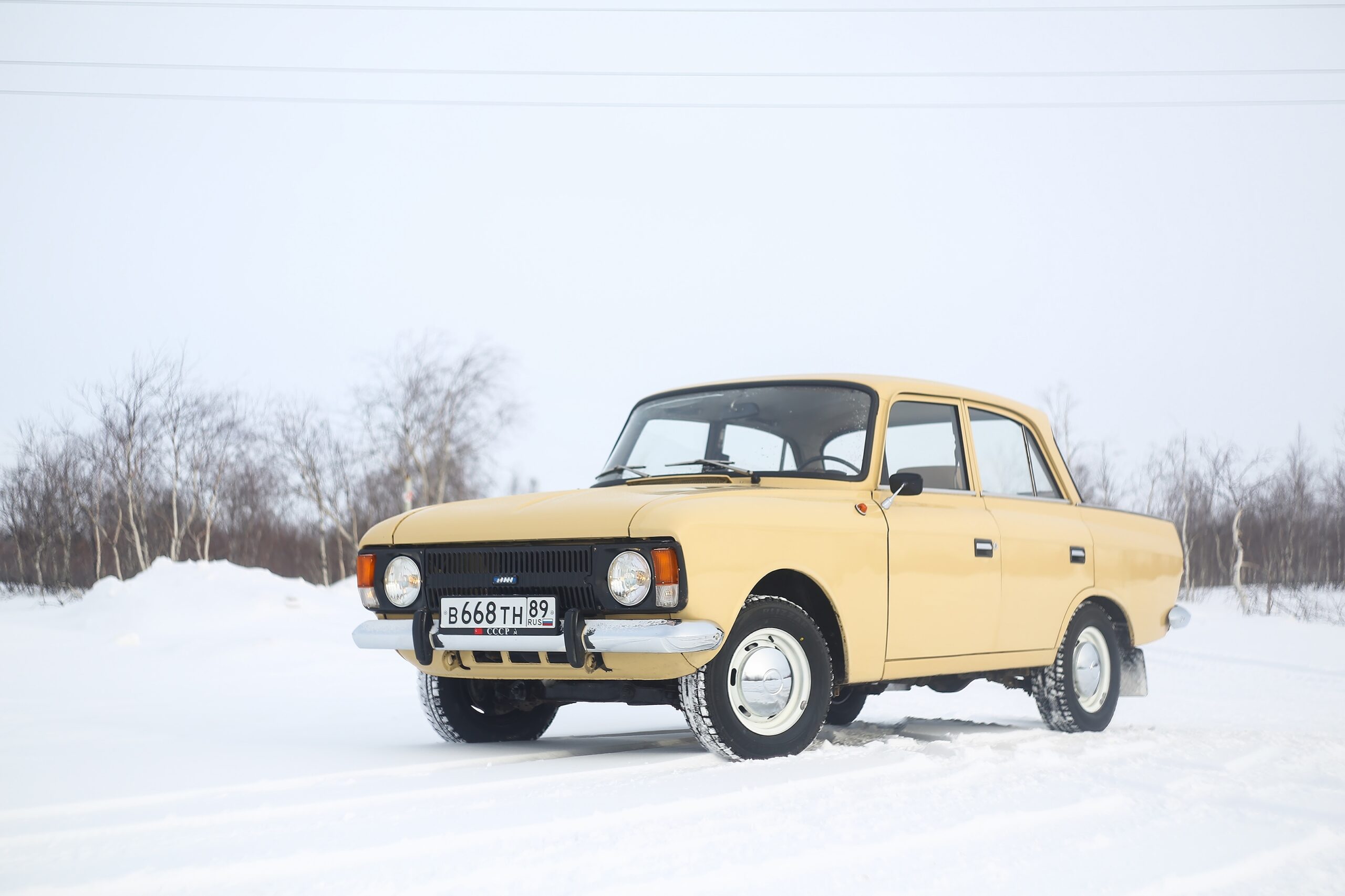
Modern cars can be driven almost immediately, but your classic benefits from a proper warm-up period. Let the engine idle for about 30–120 seconds before driving off, then drive gently until fully warmed, which allows oil to circulate and vital components to reach something close to operating temperature.
This is especially important for engines with mechanical lifters or older bearing designs that need time for proper lubrication. Don’t just sit there idling forever though — extended idling can actually be worse than gentle driving.
After the initial warm-up, drive conservatively for the first few miles, keeping RPMs moderate until the temperature gauge shows the engine is fully warm.
Know When to Just Keep It Parked
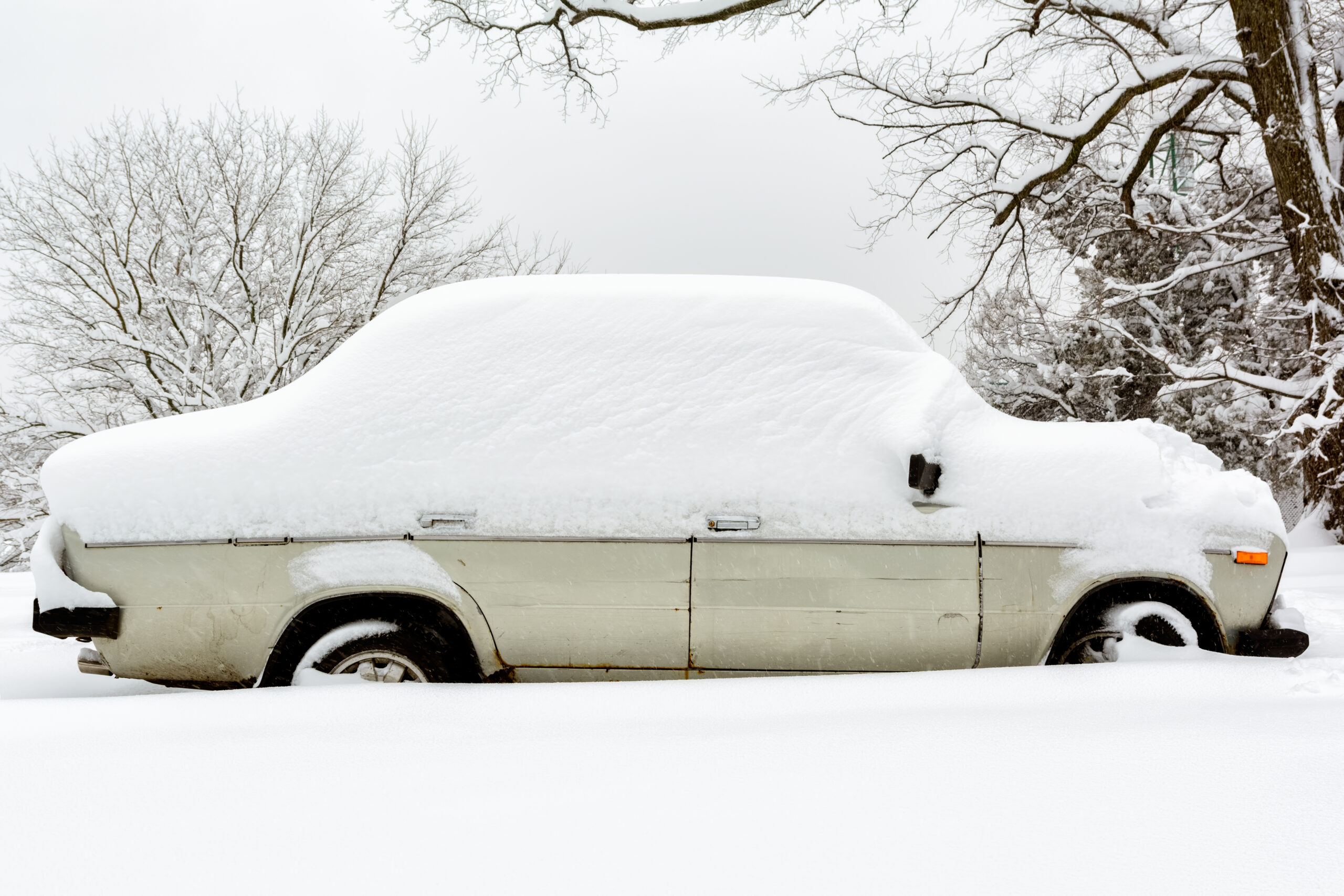
Part of being a responsible classic car owner is recognizing when conditions are simply too harsh. If your area is expecting a major ice storm, heavy snow, or temperatures well below zero with dangerous wind chills, your classic can wait for another day.
There’s no shame in choosing not to risk your investment and personal safety when conditions are extreme. Pay attention to road treatment schedules too — the first few hours after salt trucks pass are when roads are most corrosive.
Some winter driving is part of enjoying your classic year-round, but being selective about which days you venture out shows wisdom, not weakness.
Conclusion

Driving your classic through winter takes preparation, awareness, and a willingness to adjust your expectations compared to piloting a modern car. The reward is getting to enjoy your passion year-round rather than watching it gather dust for four or five months.
You’ll find that winter driving creates stories and memories that summer cruises sometimes can’t match — there’s a certain satisfaction in successfully navigating challenging conditions in a vintage machine. Stay on top of maintenance, respect the weather conditions, and don’t be afraid to give your classic a break when winter throws its worst at you.
With the right approach, you and your classic can handle winter together just fine.