
Just weeks ago, Dodge showrooms were struggling with an overwhelming surplus of 2024 Hornet plug-in hybrids gathering dust on their lots. A new-car listings study by iSeeCars found that about 82% of 2024 Hornet plug-in hybrids were still sitting as leftover inventory in dealer listings, signaling trouble for the ambitious newcomer.
However, the Hornet’s problems extended beyond the hybrid variant. Dodge has now ended Hornet production, citing ‘shifts in the policy environment,’ widely reported as import-tariff pressure on the Italy-built model, alongside weak sales After barely three years on the market, the Hornet is heading to automotive history’s footnotes.
Across enthusiast forums and online communities, passionate car fans have dissected exactly what went wrong with Dodge’s compact crossover experiment, offering insights that paint a picture of a vehicle that never quite found its audience.
Too Many SUVs Exist

The automotive landscape has become absolutely saturated with crossovers and SUVs, and the Hornet entered a market that was already overflowing with options.
Forum users repeatedly pointed out that buyers in this segment had countless choices from nearly every manufacturer, making it incredibly difficult for the Hornet to stand out. When you’re competing against established players like the Mazda CX-50, Honda CR-V, and even Dodge’s own Durango, you need something truly special to grab attention.
The Hornet arrived without a compelling answer to the question “Why should I buy this instead?” that every shopper asks. In a sea of capable, well-reviewed crossovers, being just another option wasn’t nearly enough.
No Badge Or Emblem
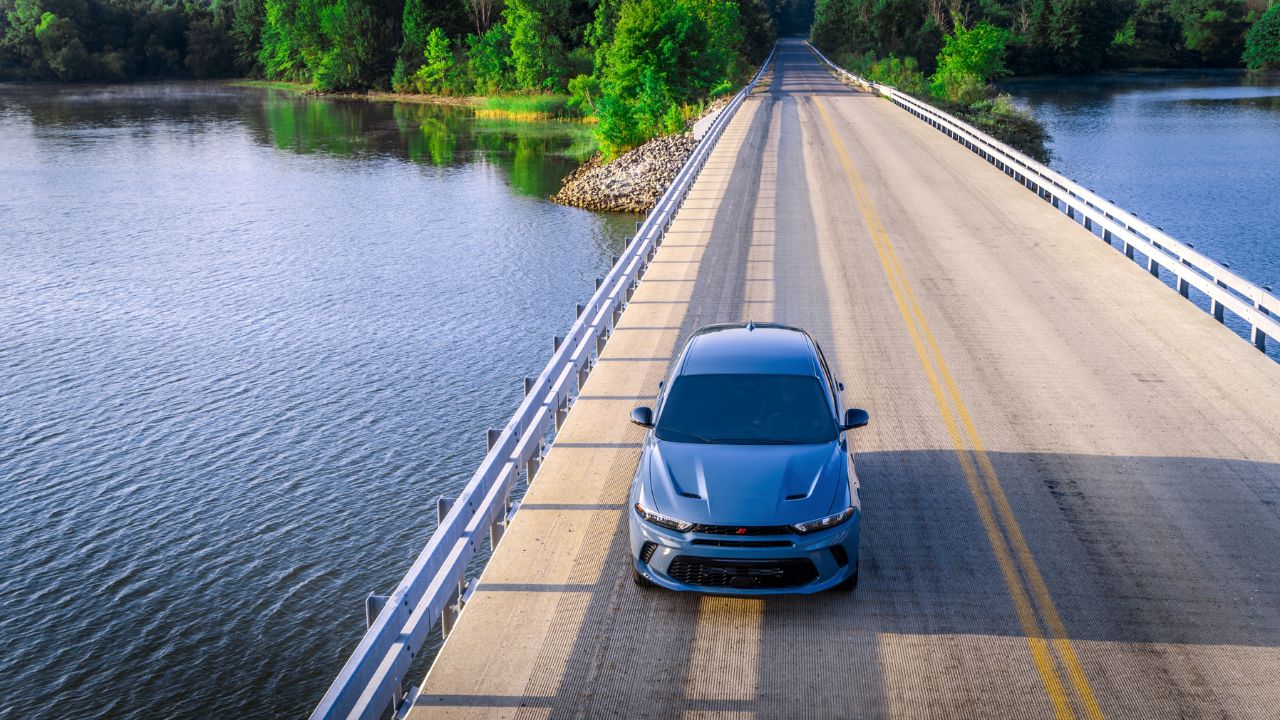
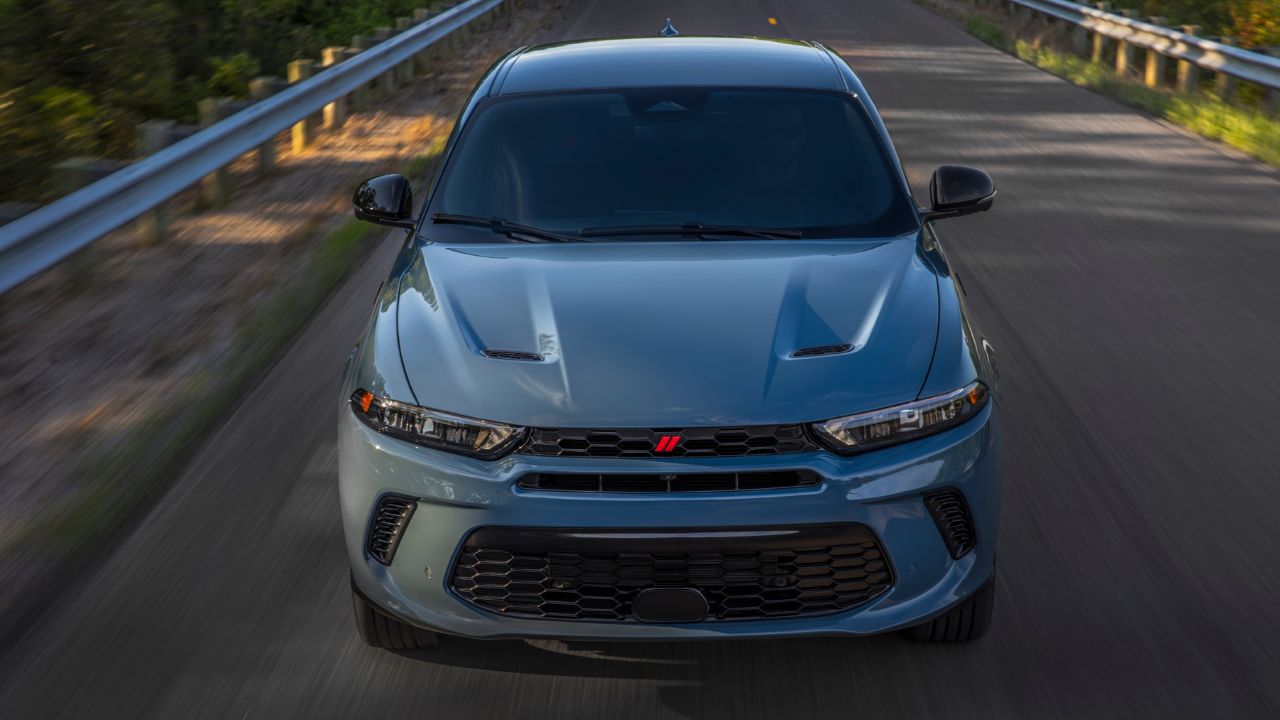
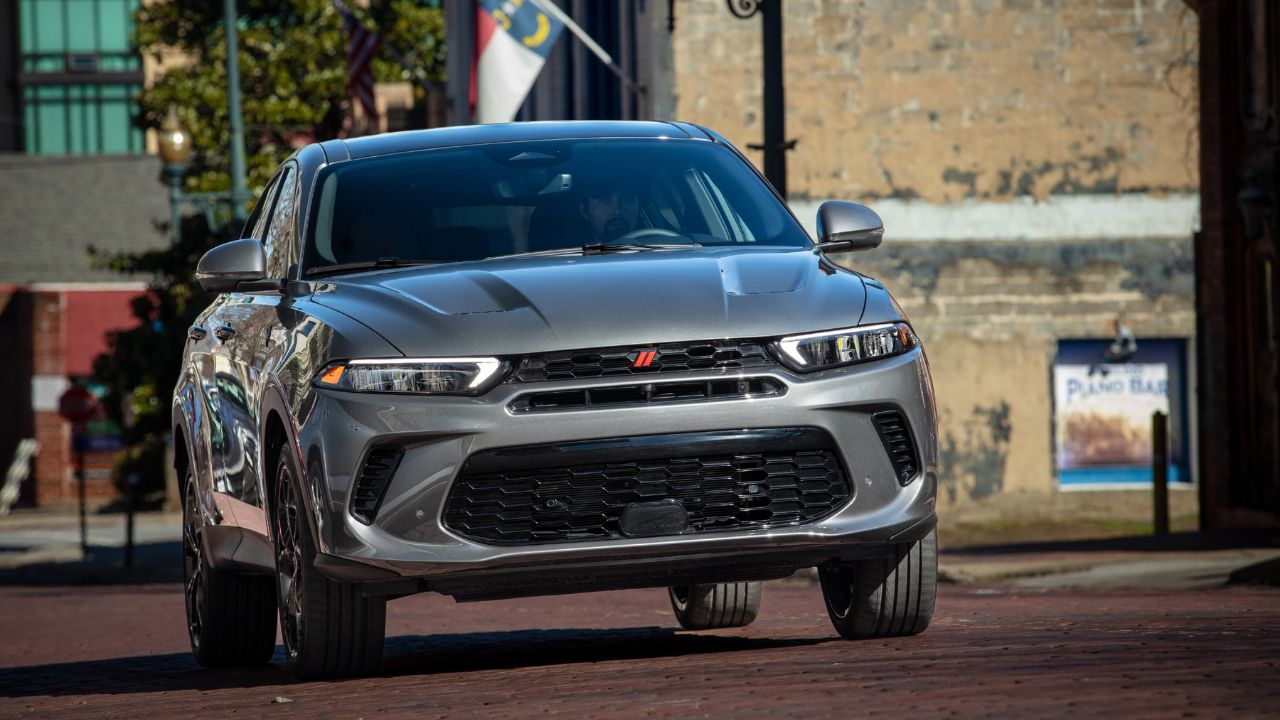
Here’s something that really got enthusiasts talking: the Hornet launched without the traditional crosshair-style Dodge face that many enthusiasts still prominently associate with the brand.
Car culture thrives on brand identity and heritage, and many forum members felt the Hornet looked anonymous without clear Dodge DNA up front. The subdued badging approach might have worked for a luxury brand aiming for minimalism, but Dodge buyers typically want that unmistakable muscle car lineage front and center. Some enthusiasts joked that the Hornet seemed almost embarrassed to be a Dodge, which is exactly the opposite of what the brand stands for.
When your brand built its reputation on a bold, in-your-face attitude, hiding your identity feels like a fundamental miscalculation.
Based on the Alfa Romeo Tonale
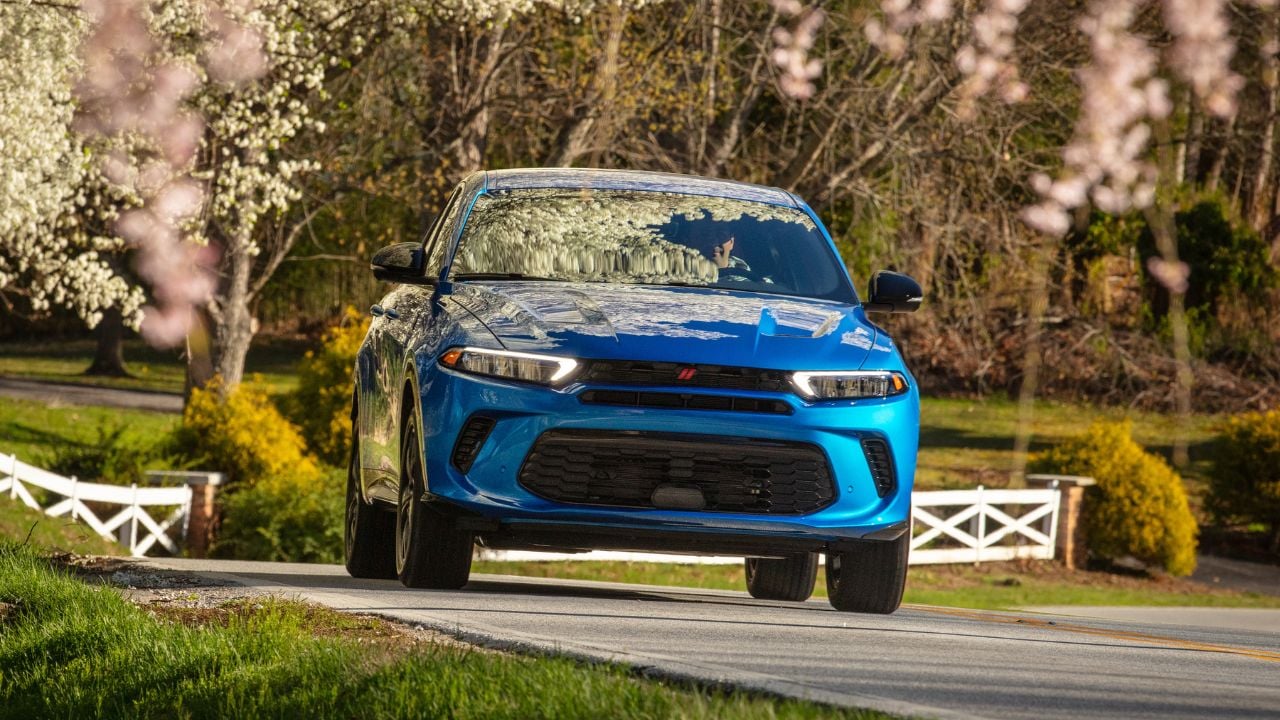
The Hornet’s Italian heritage became a lightning rod for criticism among Dodge loyalists who discovered it shared its platform with the Alfa Romeo Tonale.
Enthusiasts debated whether this was badge engineering at its most transparent, essentially asking customers to pay Dodge prices for a rebadged Alfa. The irony wasn’t lost on forum members: Alfa Romeo’s reliability reputation made this partnership seem questionable from the start. While platform sharing is common in the industry, the execution here felt like it lacked the authenticity that Dodge’s traditional muscle car buyers expect.
Many argued that if they wanted an Italian crossover experience, they’d just buy the Alfa, at least then the maintenance headaches would come with some exotic cachet.
Poor Reliability Rating
Reliability concerns didn’t help. Consumer Reports’ reliability guidance has been cited as middling for the Hornet, and the model has also seen notable recalls, including a brake-pedal recall affecting 2024 Hornet plug-in hybrids.
The compact SUV earned concerning marks that had potential buyers thinking twice before signing on the dotted line. For a brand trying to establish a new nameplate, starting with reliability questions creates an uphill battle that’s tough to overcome. Forum veterans noted that first-year vehicles often have teething issues, but the Hornet’s problems seemed to extend beyond typical new-model quirks.
When you’re asking customers to take a chance on an unproven vehicle, reliability concerns become deal-breakers rather than minor considerations that can be overlooked.
Way Too Expensive

Pricing discussions dominated forum threads, with enthusiasts expressing shock at the Hornet’s MSRP compared to its competition.
The base model started around $32,995, while the R/T plug-in hybrid started around $41.6K (depending on how the destination is presented), numbers that had shoppers questioning the value proposition. Many pointed out that for similar money, buyers could get more established nameplates with proven track records and better resale values. The plug-in hybrid’s premium seemed especially difficult to justify when comparing features and performance to competitors.
Dodge needed the Hornet to feel like a performance bargain, but instead it came across as overpriced for what you actually got, which is basically poison for a brand built on delivering bang for your buck.
It’s Not the Prettiest

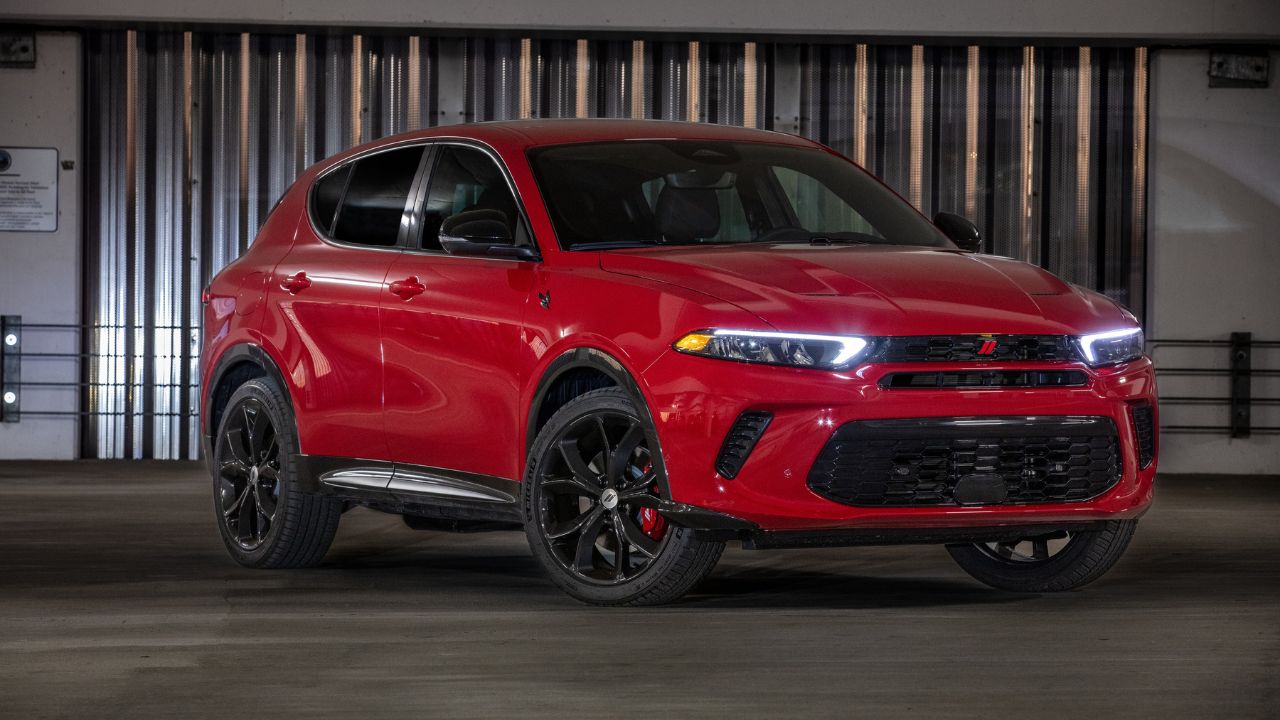
Beauty is subjective, but forum discussions revealed that the Hornet’s styling failed to resonate with many enthusiasts who found it uninspiring and forgettable.
The design language seemed caught between trying to be sleek and attempting to incorporate Dodge’s performance heritage, ultimately achieving neither convincingly. Some enthusiasts described it as looking like a generic crossover that could wear any brand’s badge, lacking the aggressive stance and bold character lines that typically define Dodge products. The rear end received particular criticism for appearing unfinished or rushed, as if the designers ran out of ideas halfway through.
When your brand is known for vehicles that make people turn their heads, producing something this anonymous represents a significant departure from what customers expect and want.
Should Have Been a Sedan
This complaint came up repeatedly: enthusiasts argued that Dodge should have created a compact performance sedan instead of another crossover.
The brand discontinued the Dart years ago, leaving a sedan-shaped hole in the lineup that the Hornet’s platform could have filled perfectly. Many forum members expressed frustration that Dodge abandoned enthusiasts who actually want to drive something low-slung and sporty rather than sitting high in yet another SUV. A properly executed compact sedan with Dodge’s performance DNA could have offered a genuine alternative in a segment dominated by imports.
Instead, Dodge chose to compete in the most crowded, competitive segment imaginable, where standing out requires either exceptional execution or an unbeatable price, and the Hornet offered neither.
Underwhelming Performance

For a brand synonymous with horsepower and quarter-mile times, the Hornet’s performance figures left enthusiasts distinctly unimpressed.
The base turbocharged four-cylinder produced 268 horsepower, respectable but hardly thrilling by Dodge standards. Even the plug-in hybrid R/T’s combined 288 horsepower felt modest when you’re competing against a legacy that includes Hellcats and Demons.
Forum members noted that the Hornet never felt genuinely quick despite decent acceleration numbers, lacking that visceral punch that makes Dodge products special. The nine-speed automatic transmission received mixed reviews for its tuning, sometimes hunting for gears when you wanted immediate response.
When your badge carries expectations of tire-smoking performance, delivering something merely adequate becomes a fundamental betrayal of brand identity.
Conclusion
The Dodge Hornet’s short production run serves as a cautionary tale about the importance of understanding your brand’s core audience and what they truly want. Enthusiast forums revealed a community that felt the Hornet represented everything Dodge shouldn’t be: anonymous, expensive, unreliable, and uninspiring.
Perhaps the most telling criticism was that it seemed designed for a customer that doesn’t exist, someone who wants a Dodge crossover but doesn’t care about the performance heritage that makes the brand special. The automotive market has proven brutally unforgiving to vehicles that can’t answer the fundamental question of why they deserve to exist.
While three years might seem like a quick cancellation, the Hornet’s struggles suggest it was never going to find its footing in a segment where it had no clear competitive advantage or compelling reason for customers to choose it over well-established alternatives.