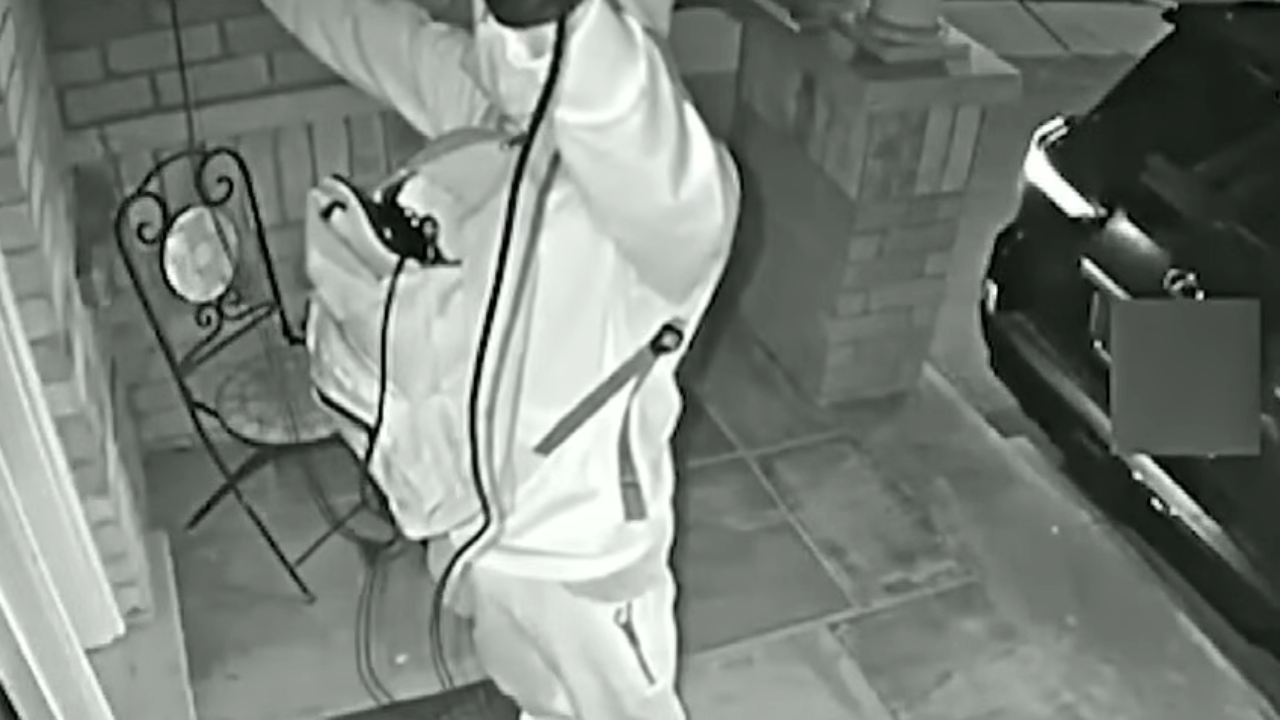
A St. Louis woman who regularly protected her car keys from electronic thieves woke up to find her 2017 Nissan Maxima missing after leaving her key fob outside its protective holder for one night.
Sherri Brown’s sedan disappeared from an off-street parking area beside her Wyoming Street home sometime between Sunday night, October 11, and Monday morning, October 12. The car had been locked, and her keys were inside the house.
Brown suspects the thieves used a relay attack, a technique that can trick a vehicle into recognizing a nearby key even when its owner has the fob safely indoors. However, that method has not been confirmed in her case.
Making matters worse, Brown recently reduced her auto insurance coverage to save money. She now has only liability insurance, which generally does not cover the theft of her own vehicle.
One Night Without Protection
Embedded media follows; please allow a moment to load.
According to First Alert 4’s October 14 report, Brown normally stores her car keys in a signal-blocking holder designed to prevent electronic access to her key fob.
On Sunday, she planned to go out and left the keys in her purse instead. When she decided to stay home, she never returned them to the protective holder.
By the following morning, her Maxima was gone. Brown reported finding no broken glass or other evidence of forced entry.
How Relay Attacks Work
A relay attack exploits the wireless communication between a vehicle and its proximity key.
Using specialized electronic equipment, thieves can relay signals between a key fob inside a home and a vehicle parked outside. The vehicle may then respond as though the legitimate key were nearby, allowing someone to unlock it and start the engine.
The National Insurance Crime Bureau previously demonstrated that relay equipment could unlock and start numerous vehicles equipped with keyless entry and push-button ignition.
Unlike traditional car theft, the technique does not necessarily require breaking a window, stealing the physical key, or damaging the ignition.
A signal-blocking Faraday pouch can interrupt the wireless communication needed for such an attack. Owners can test a pouch by placing their key inside, closing it completely, and checking whether their vehicle still responds.
Insurance Adds Another Problem
Brown told First Alert 4 that unexpected expenses had forced her to temporarily reduce her insurance coverage.
Because the Maxima was approximately 10 years old, she considered dropping additional coverage a reasonable way to reduce her monthly expenses.
However, liability insurance generally pays for covered damage or injuries caused to others, not the theft of the policyholder’s own vehicle. Theft protection typically comes through comprehensive coverage.
The National Insurance Crime Bureau recommends that vehicle owners review their coverage to ensure they have adequate protection against theft.
Preventing Another Theft
Brown’s experience comes despite declining vehicle theft figures in St. Louis. First Alert 4 reported that thefts in Tower Grove South were down 13% in 2026, while citywide thefts had fallen 15% compared with the same period in 2025.
Owners of vehicles with proximity-key systems can reduce exposure by storing their fobs in tested signal-blocking pouches or containers, away from exterior doors and windows.
Additional physical security, such as a steering-wheel lock, can also provide another barrier even if thieves gain electronic access to a vehicle.
Brown’s case illustrates the potential consequences of leaving a key fob unprotected, although the precise method used to steal her Maxima remains unverified.