
During his recent visits to Japan, Trump recently praised Japan’s ‘tiny’ cars as ‘cute’ and talked about the idea of building ultra-compact cars in the U.S. The idea sparked conversations across the automotive world: could these tiny Japanese machines actually work on American roads? Kei cars, which are limited to 660cc, capped at 64 PS (about 63 hp), and restricted to 3.4 m length, 1.48 m width, and 2.0 m height under Japan’s kei regulations, offer impressive fuel economy and maneuverability in crowded cities.
Whether Trump’s vision becomes policy remains to be seen, but one thing’s certain — several kei cars would find enthusiastic audiences stateside. Here are 12 Japanese kei cars that could genuinely succeed in the American market if we let go of our love of massive SUVs.
Honda N-Box

The Honda N-Box dominates Japan’s kei car sales charts for good reason — it’s essentially a miniature minivan done right.
Despite its boxy 11.2-foot length, the N-Box offers seating for four adults and a surprising amount of cargo space thanks to clever packaging. The turbocharged 660cc three-cylinder produces 63 horsepower, which sounds modest until you remember the whole thing weighs roughly 2,030–2,205 pounds (depending on trim/drive)
American city dwellers struggling with parking and rising gas prices would appreciate the N-Box’s practicality wrapped in an approachable design that doesn’t scream “economy car.”
Suzuki Jimny

The Suzuki Jimny proves that serious off-road capability doesn’t require three tons of truck. This pint-sized SUV features a legitimate ladder frame, three-link rigid axle suspension, and a low-range transfer case — the same ingredients that make its larger competitors trail-rated.
At just 11.6 feet long and 5.3 feet wide, it can navigate trails that would give a full-size pickup fits. Americans have been importing 25-year-old Jimnys for years, demonstrating real demand for a affordable, capable, and efficient alternative to massive SUVs that’ll actually fit in a garage.
Note: The current Jimny sold globally is not a kei car; Japan also has a kei-class Jimny variant.
Daihatsu Copen
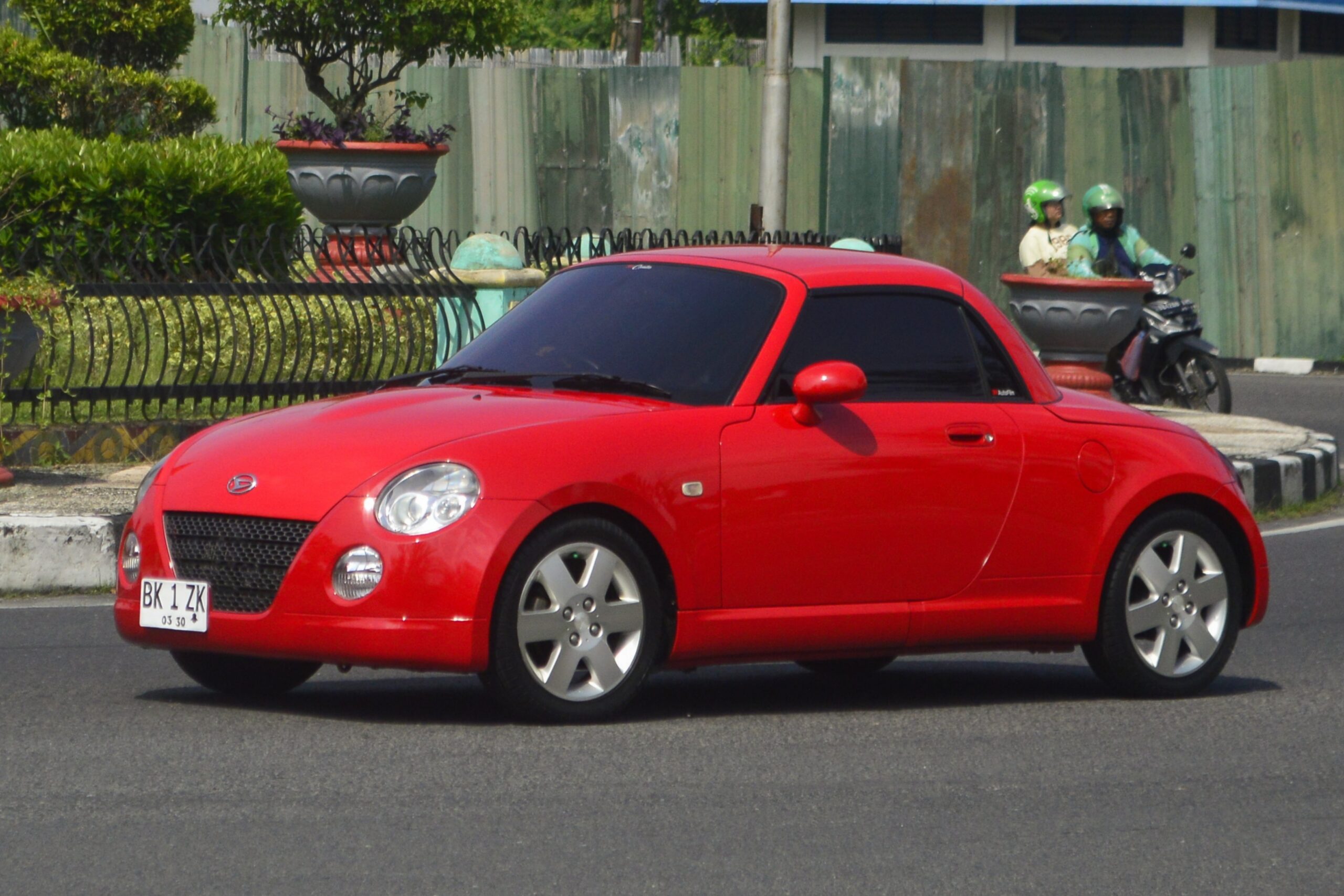
If Mazda made a Miata even smaller and gave it a power-folding hardtop, you’d get something like the Daihatsu Copen.
This two-seat roadster measures just 11 feet long but delivers genuine sports car thrills with its 63-horsepower turbocharged engine and 1,610-pound curb weight. The power-to-weight ratio means it feels quicker than the numbers suggest, and the handling is properly sharp.
American enthusiasts who appreciate the Miata’s philosophy but want something even more unique and city-friendly would embrace the Copen’s blend of style and driving engagement.
Honda S660

The Honda S660 takes the mid-engine sports car formula and shrinks it to kei car dimensions, creating something truly special.
With the turbocharged engine mounted behind the seats and rear-wheel drive, it offers handling dynamics that punch well above its 11.1-foot length. The six-speed manual transmission and 63 horsepower might not impress on paper, but the 1,830-pound weight means it drives like a go-kart with license plates.
Americans who’ve experienced the S660 consistently rave about its playfulness — it’s the kind of car that makes every drive feel like an event, even at legal speeds.
Suzuki Hustler
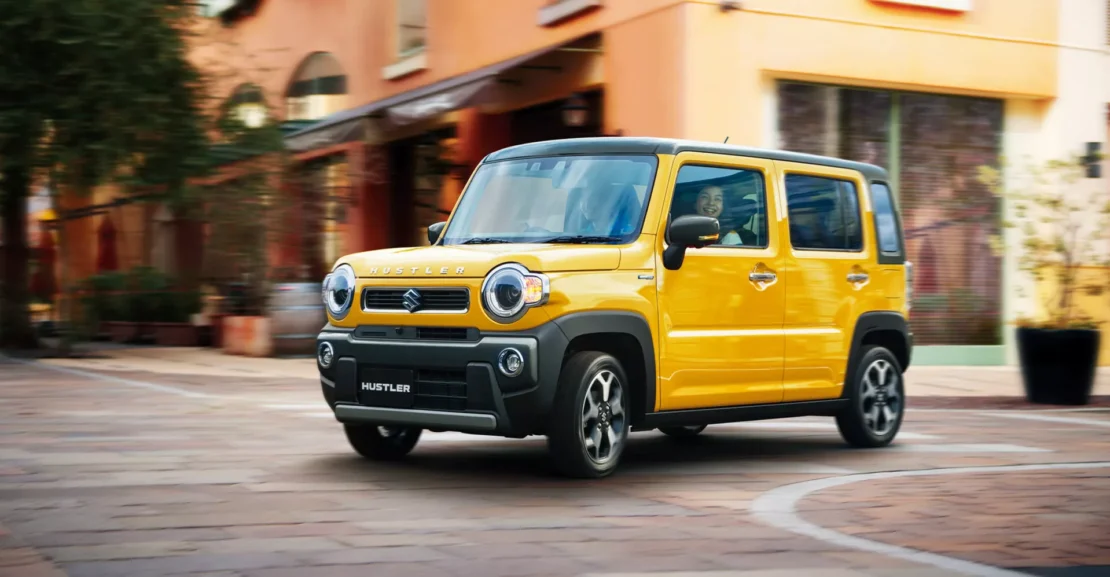
The Suzuki Hustler looks like someone designed an SUV specifically for Instagram, and somehow it works. Its retro-modern styling features circular headlights, two-tone paint options, and enough character to stand out in any parking lot.
Beyond the looks, it offers impressive versatility with available all-wheel drive, a surprisingly roomy interior, and a a mild-hybrid (ISG) system on some versions that achieves remarkable fuel economy.
American buyers tired of cookie-cutter crossovers would appreciate the Hustler’s personality combined with genuine utility — it’s proof that practical transportation doesn’t have to be boring.
Daihatsu Tanto

The Daihatsu Tanto solves urban parking and access challenges with its ingenious “miracle open door” design — the front passenger side features a wide-opening door system with a built-in pillar design (‘Miracle Open Door’) that makes getting in and out effortless.
Parents loading kids or car seats would particularly appreciate this feature, along with the tall roof that provides genuine headroom. The interior space rivals vehicles twice its size thanks to smart packaging, and the available power sliding doors add convenience rarely found in this size class.
For American families downsizing from larger vehicles, the Tanto offers surprising functionality in a compact footprint.
Suzuki Alto Works
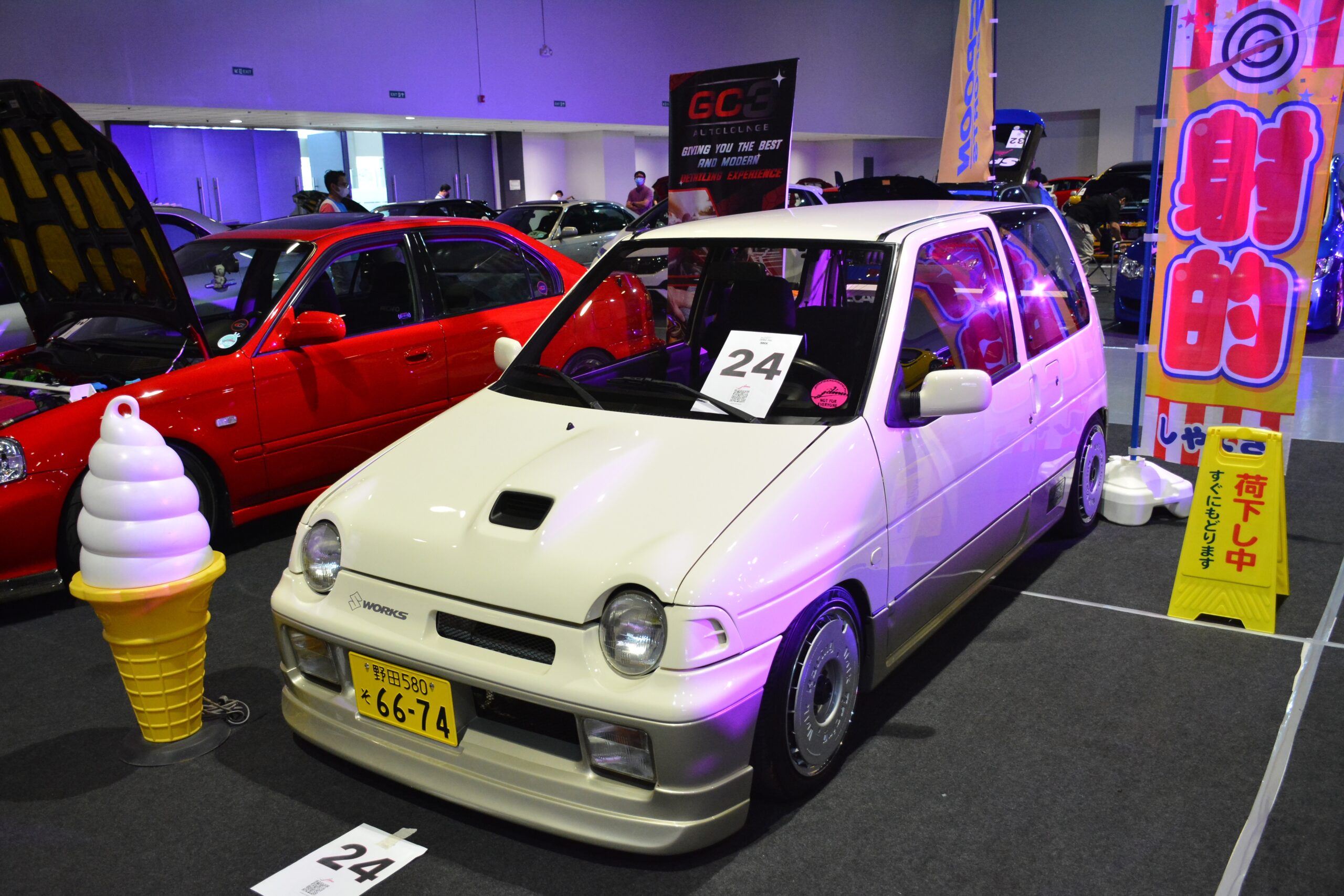
Think of the Suzuki Alto Works as a modern interpretation of the classic hot hatch formula, just scaled down.
This turbocharged pocket rocket delivers 63 horsepower to a mere 1,455-pound chassis, resulting in genuinely spirited performance. Available with a 5-speed manual (and in some versions a 5-speed automated manual/AGS) provides proper driver engagement, while the sport-tuned suspension makes it feel connected to the road.
American enthusiasts who appreciate lightweight simplicity over brute power would find the Alto Works refreshing — it proves you don’t need 300 horsepower to have fun, just the right power-to-weight ratio and sharp dynamics.
Honda N-Van
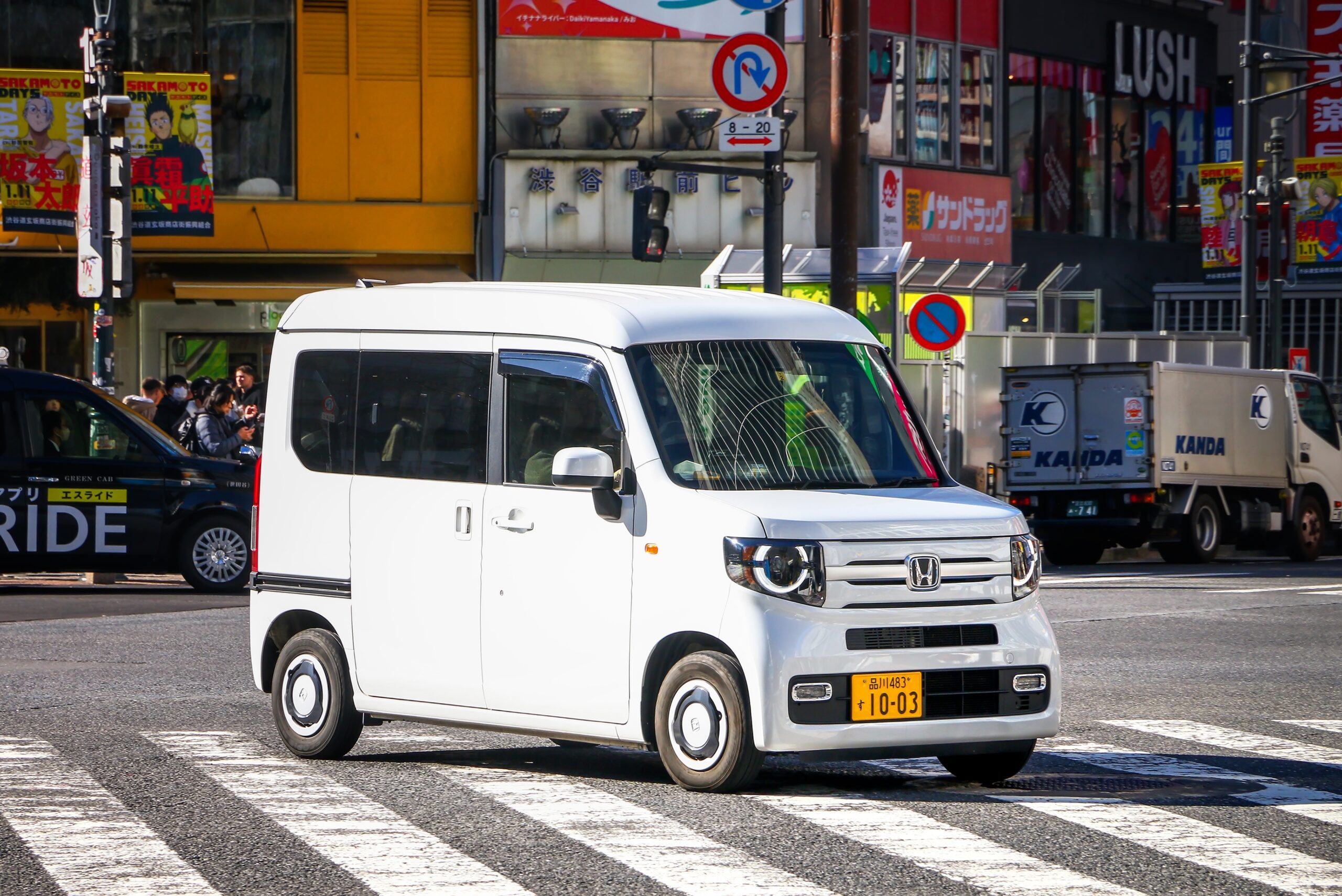
The Honda N-Van reimagines the work van concept with remarkable efficiency and thoughtfulness.
What makes it special is a door-in-pillar structure (the pillar function is integrated into the doors) on the passenger side, allowing the front and sliding rear doors to create a massive opening for loading cargo. The flat floor and boxy shape maximize usable space, while the available four-wheel drive adds versatility.
American small business owners and outdoor enthusiasts would appreciate the N-Van’s functionality; it’s essentially a pickup truck’s practicality in a package that fits anywhere and sips fuel.
Daihatsu Cast
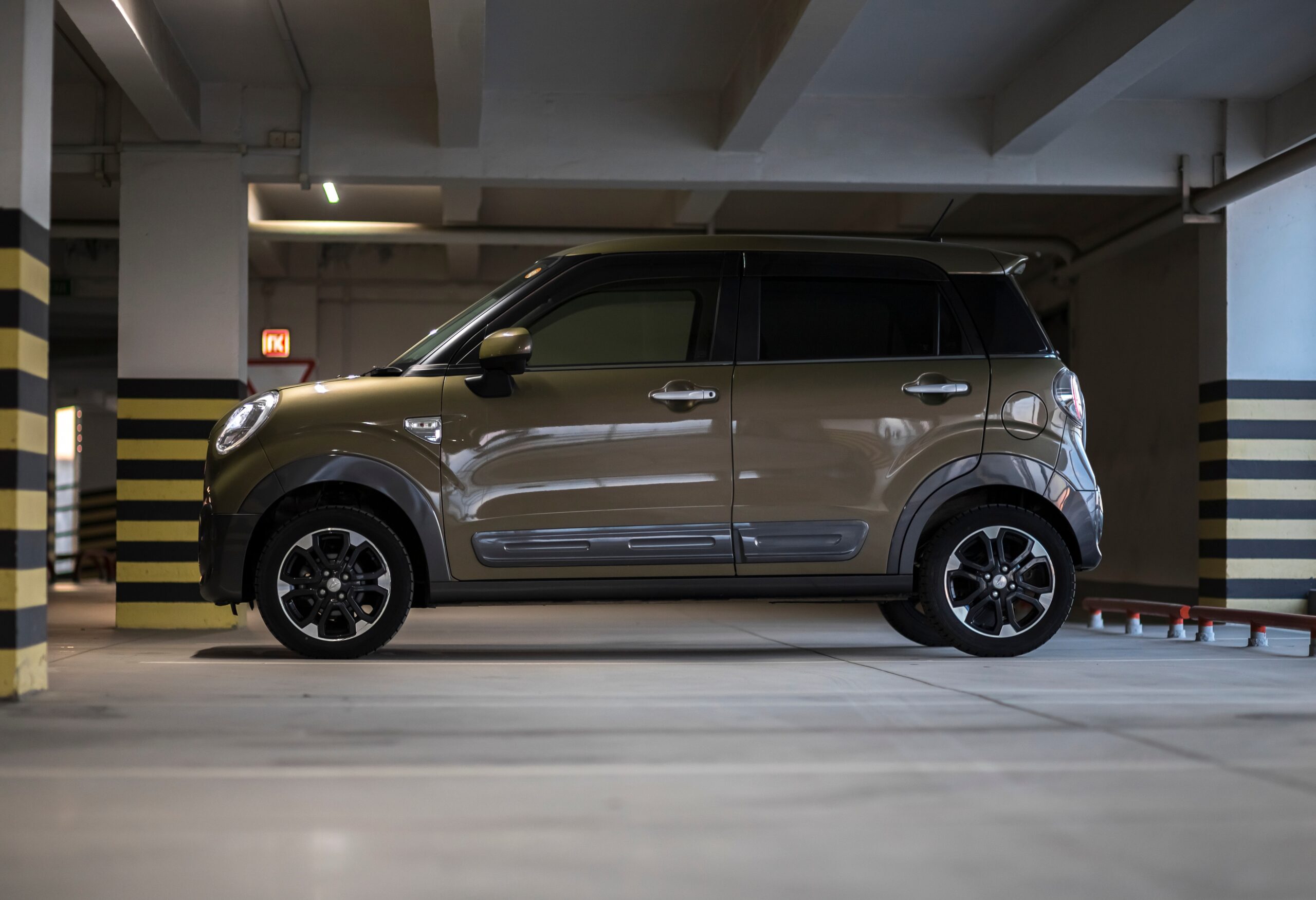
The Daihatsu Cast comes in three distinct personalities — Sport, Style, and Activa — letting buyers choose their preferred character. The Sport version features aggressive styling and sport-tuned suspension, the Style emphasizes fashion-forward design, and the Activa adds SUV-inspired cladding with available all-wheel drive. All versions share a quality interior that feels more premium than expected at this price point.
Americans shopping for personal transportation would appreciate having options that reflect individual tastes while maintaining the same efficient platform underneath.
Mitsubishi eK X

The Mitsubishi eK X brings crossover styling to kei car dimensions with raised ride height and rugged design elements.
Available in both two-wheel and four-wheel drive configurations, it offers surprising capability for its 11.3-foot length. The turbocharged engine provides adequate power for urban/suburban driving (kei-class power levels), while the spacious interior comfortably seats four adults.
American buyers drawn to crossovers but concerned about size and efficiency would find the eK X delivers the commanding seating position and versatile design they want without the typical bulk and thirst.
Suzuki Spacia
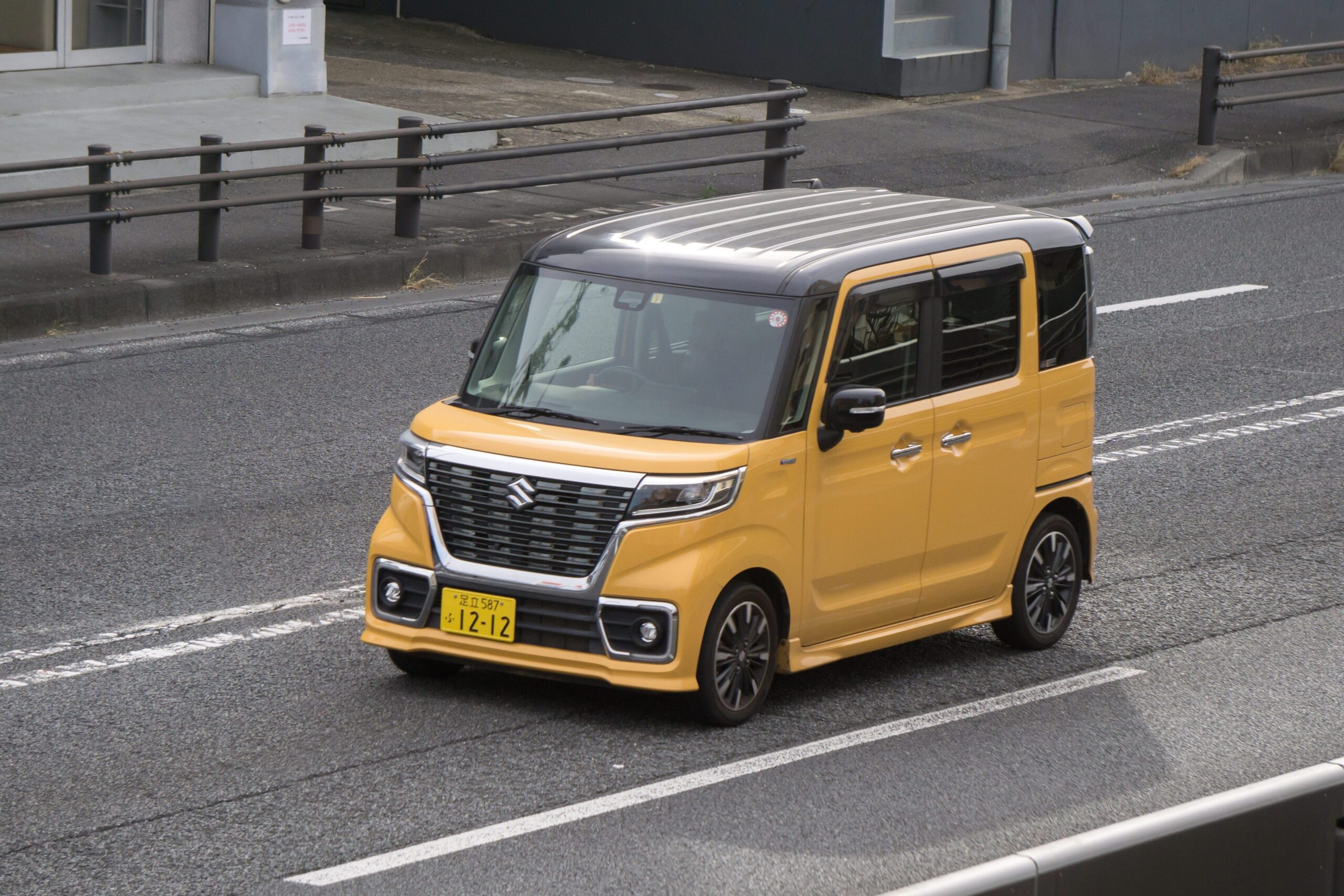
The Suzuki Spacia targets families with its minivan-inspired design featuring power sliding doors and a spacious cabin.
The tall roof and flat floor create surprising interior volume, while thoughtful storage solutions maximize practicality. Available hybrid powertrains deliver excellent fuel economy, and the smooth ride quality makes it comfortable for longer trips.
American families considering downsizing from full-size vehicles would appreciate the Spacia’s ability to comfortably transport four people and their gear while parking in spots that would intimidate larger vehicles.
Daihatsu Hijet Truck
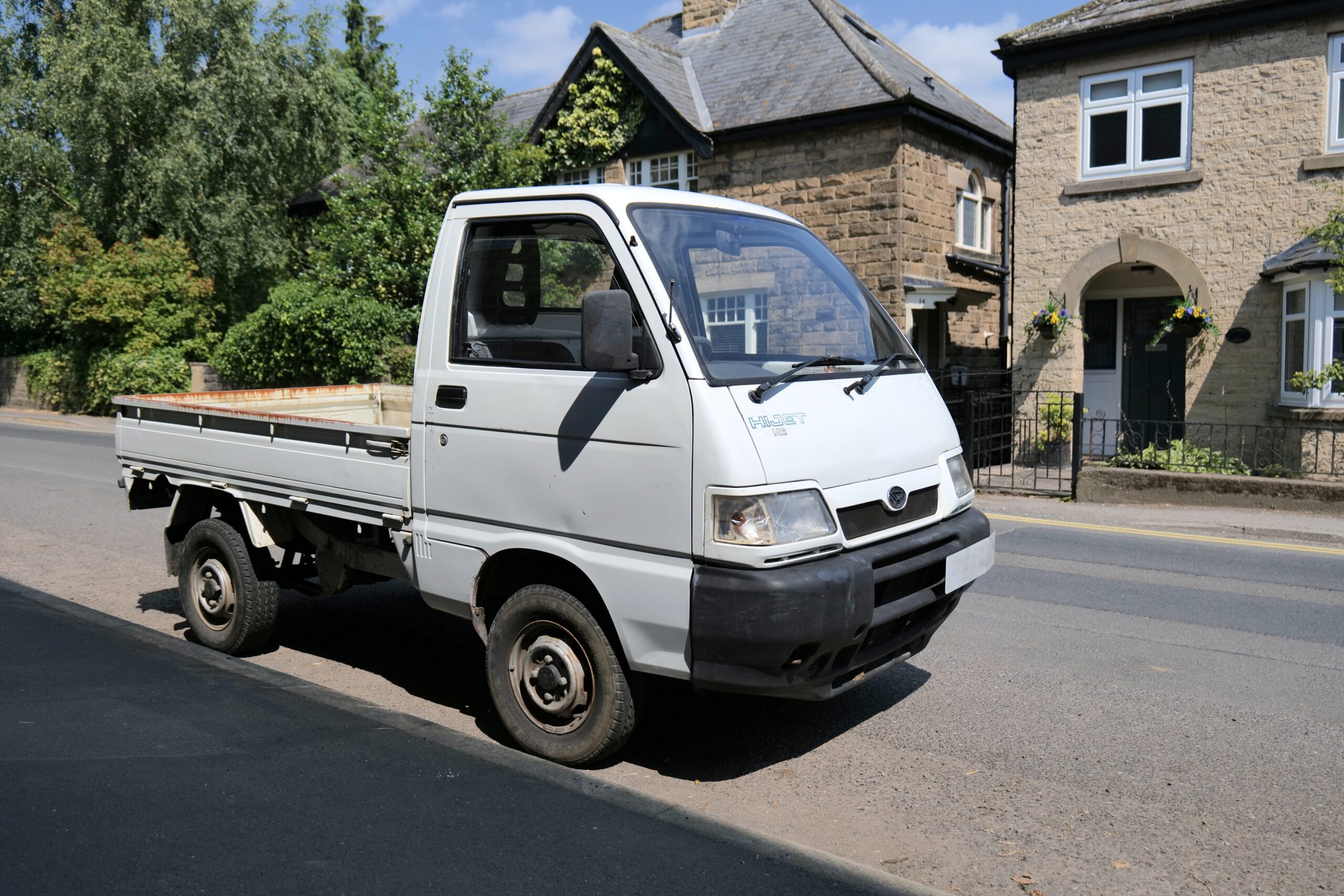
The Daihatsu Hijet Truck proves that utility doesn’t require full-size dimensions. This tiny pickup offers a functional bed, available four-wheel drive, and payload capacity that’s impressive relative to its footprint.
The near-vertical windshield and compact dimensions provide excellent visibility and maneuverability in tight spaces. American contractors, landscapers, and DIY enthusiasts would find the Hijet Truck perfect for local jobs where a full-size pickup is overkill — it delivers genuine work truck capability while fitting in residential driveways and achieving fuel economy that makes daily use affordable.
Conclusion
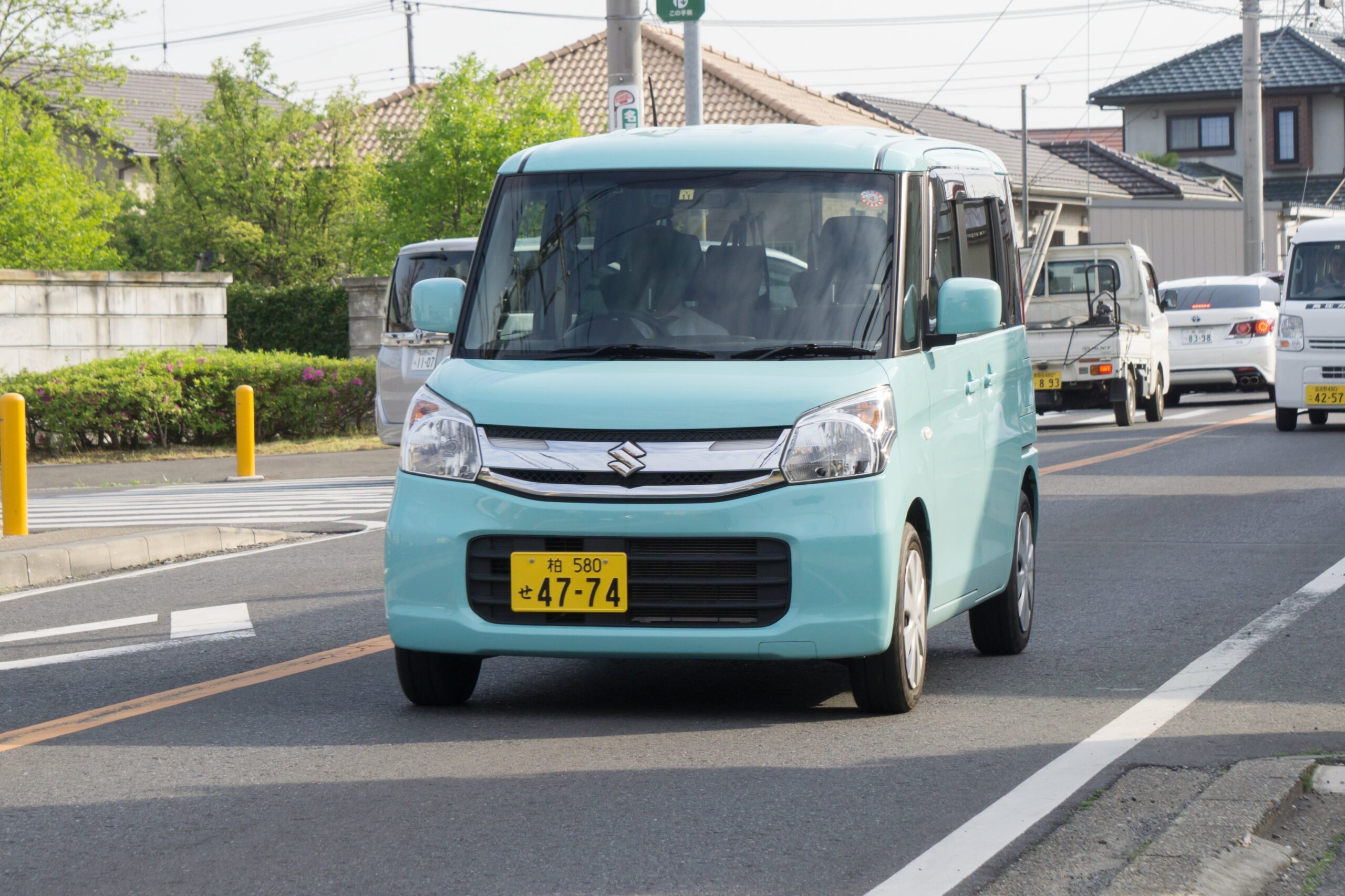
Kei cars represent a fundamentally different approach to personal transportationone shaped by strict Japanese regulations that cap engine displacement at 660cc, limit power output, and tightly control vehicle dimensions. Within those constraints, manufacturers have developed vehicles that prioritize efficiency, clever packaging, and purpose-built design rather than outright performance or size.
In the United States, these vehicles are not currently legal for sale as new cars due to federal safety and emissions standards, which differ significantly from Japans kei regulations. As a result, most kei cars on American roads today arrive through gray-market imports under the 25-year exemption. Any broader adoption would require regulatory changes or U.S.-specific redesigns rather than simple imports.
Still, growing urban density, rising fuel costs, and increasing interest in right-sized vehicles suggest there could be room for kei-inspired concepts in the American market. While they would not replace larger vehicles, these compact machines demonstrate that thoughtful engineeringnot sheer sizecan meet many real-world transportation needs efficiently and effectively.
Whether or not kei cars ever gain official approval in the U.S., they offer a clear reminder that smaller vehicles can deliver meaningful utility when designed around clearly defined constraints.