We were all ready to love the 2026 Honda Prelude. The nameplate’s return after about 25 years away felt like Honda finally remembered that driving should be fun, not just efficient.
Then reality hit harder than a missed shift: $43,195 and a reported 0 to 62 mph time of 8.28 seconds in an early test (and some dealerships selling it for even higher). To put that in perspective, you could buy a well-equipped Honda Civic Hybrid for about $13,000 less and still beat that reported Prelude launch result.
The Prelude isn’t a bad car; early reviews praise its handling and that clever S+ Shift system, but the value proposition is tougher to justify when the competition offers more speed for less money. For enthusiasts watching their budgets, there’s actually a whole roster of commuter-friendly cars that’ll get you to 60 faster without breaking the $40,000 barrier.
Some are new, some are slightly used gems from recent years, but all of them prove that you don’t need a premium price tag to enjoy a quick daily driver. Let’s dig into the alternatives that deliver better bang for your buck.
2025 Honda Civic Hybrid – 6.2 Seconds, Starting at $30,490

The irony is almost too perfect. Honda’s own Civic Hybrid hits 60 mph in 6.2 seconds, while a reported Prelude test recorded 0 to 62 mph in 8.28 seconds, and the Civic Hybrid costs $12,705 less.
Both cars share the same 2.0-liter hybrid powertrain making 200 horsepower, yet somehow the Civic is significantly faster. The difference comes down to weight and tuning, with the lighter Civic making better use of that electric motor’s instant torque.
You also get more interior space, a more refined cabin with Google Built-in on higher trims, and fuel economy that’ll make your wallet smile at 50 city/47 highway mpg. Sure, the Civic lacks the Prelude’s coupe styling and Type R-derived suspension bits, but when you’re saving enough money to fund a track day membership, that’s a compromise most enthusiasts can live with.
The older generation will tell you that Honda lost its way, but the numbers don’t lie: this Civic is the smarter buy.
2025 Mazda3 2.5 Turbo – 5.6 Seconds, Starting at $33,485
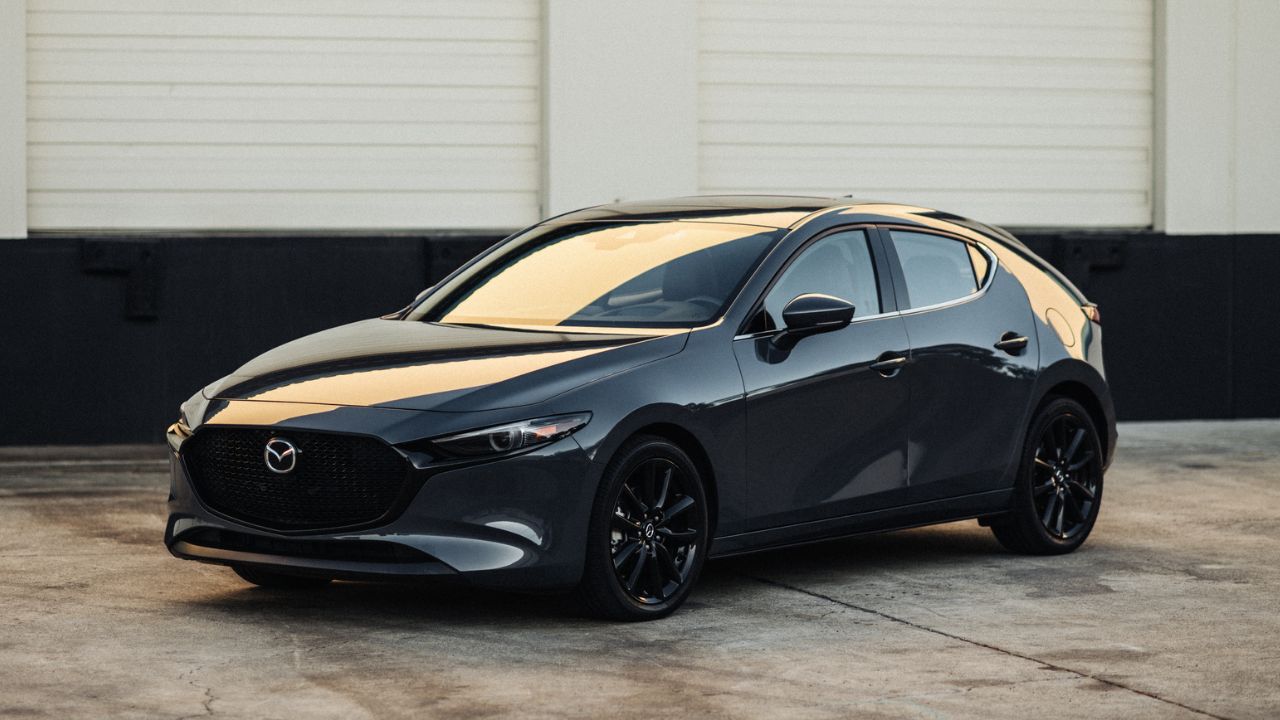
If you want to humble Prelude owners at stoplights while sitting in genuine leather, the Mazda3 Turbo is your weapon of choice.
With up to 250 horsepower and 320 lb-ft of torque on premium fuel (or 227 horsepower and 310 lb-ft on regular) from its 2.5-liter turbo four, this thing launches like it’s auditioning for a much more expensive job. That 5.6-second sprint to 60 mph isn’t just quick for the class, it’s genuinely fast, period.
Standard all-wheel drive means you can actually use all that power without decorating someone’s lawn with tire marks. Inside, Mazda’s premium materials approach puts the Prelude to shame, with soft-touch surfaces and thoughtful details that’d make a luxury brand jealous. Yes, the rear seat is a bit tight, and that rotary controller for the infotainment takes some getting used to. But when you’re paying thousands less than a Prelude and getting much quicker acceleration, those feel like the kind of trade-offs adults can handle.
Your parents might call it “sensible,” but that turbo surge says otherwise.
2025 Toyota Corolla (Gas) – 8.2 Seconds, Starting at $22,325
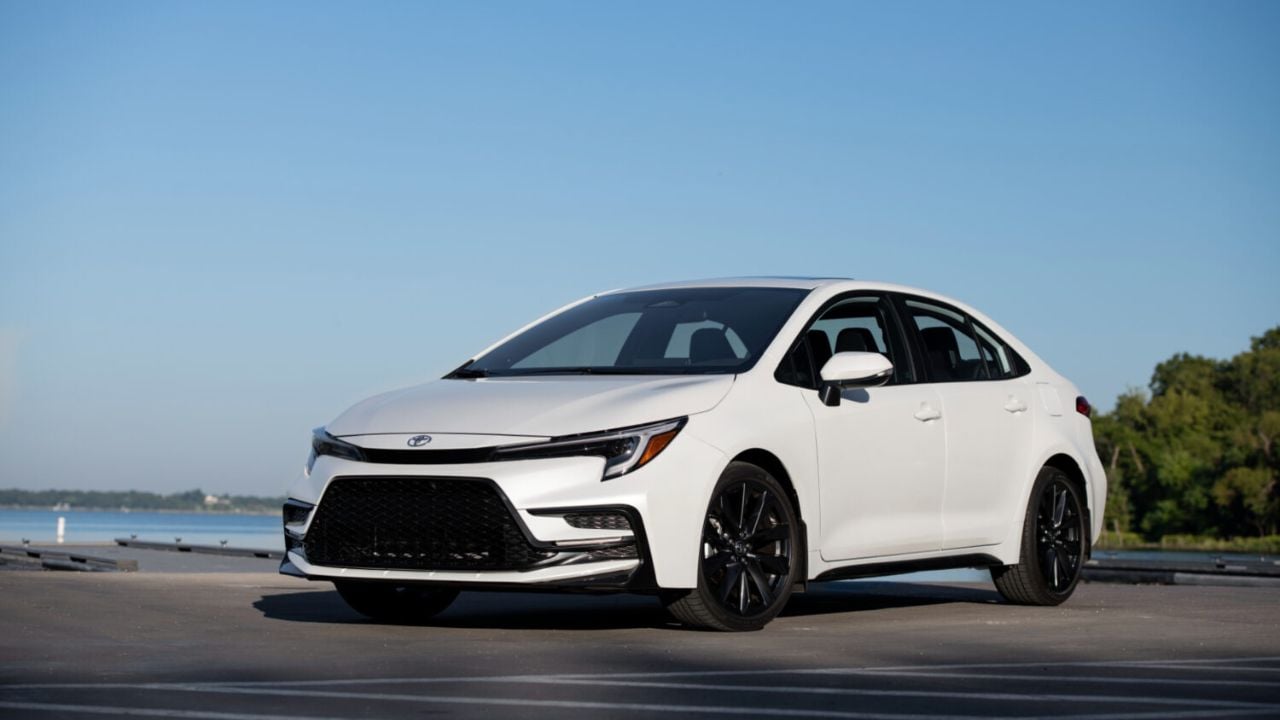
Before you skip this entry thinking “wait, that’s basically the same as the Prelude,” consider this: the base Corolla costs $20,870 less. Twenty. Thousand. Dollars.
For essentially identical 0-60 performance (8.2 vs 8.28 seconds), you’re getting Toyota’s legendary reliability, a spacious interior, and enough money left over to buy a decent used motorcycle for weekend fun. The 169-hp 2.0-liter four-cylinder won’t set your hair on fire, but it’s smooth, refined, and adequate for daily driving. The CVT isn’t the most exciting transmission, but it’s been perfected over years of development and contributes to impressive 32/41 mpg city/highway ratings.
Sure, the Prelude is prettier and handles better with its adaptive dampers, but ask yourself honestly: are those upgrades worth doubling your monthly payment? For commuters who prioritize practicality over parking lot compliments, this Corolla makes the Prelude look like an emotional purchase rather than a rational one.
And there’s absolutely nothing wrong with saving money to spend on what actually matters to you.
2024-2025 Hyundai Elantra N – 4.8 Seconds, Around $34,000-$35,000
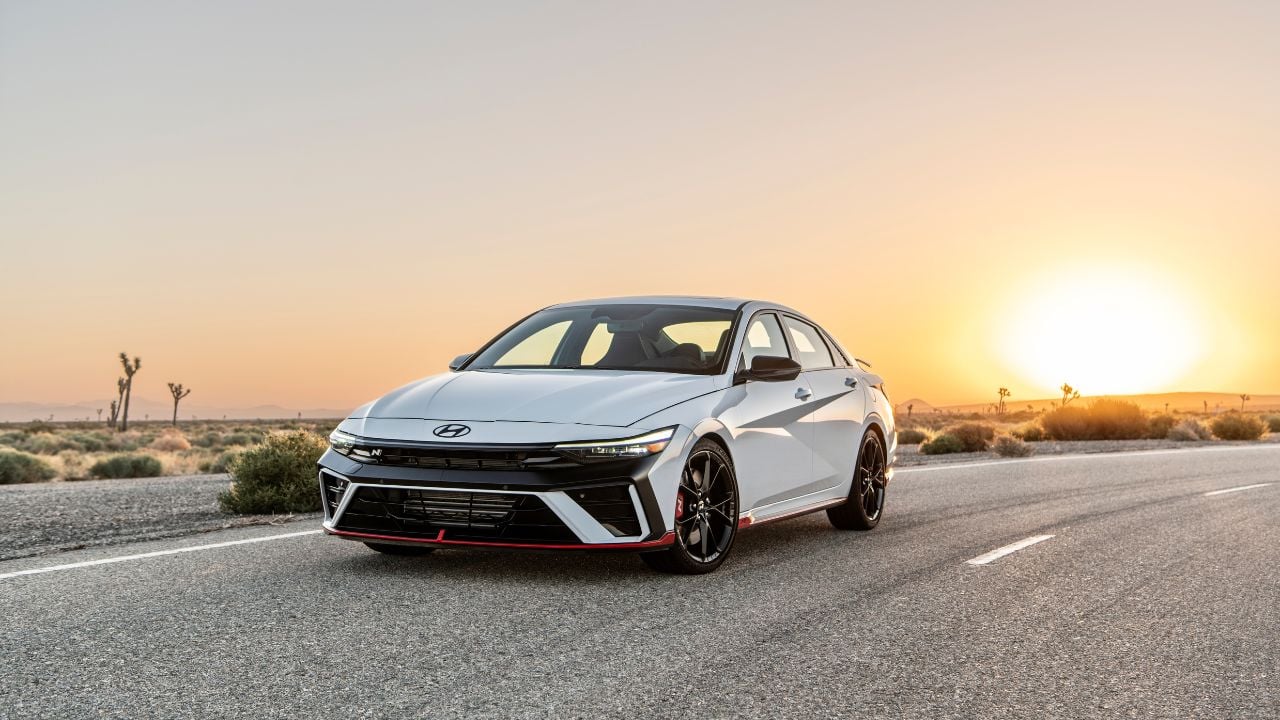
Now we’re talking serious performance. The Elantra N is what happens when Hyundai’s engineers get permission to build something genuinely unhinged for the compact sedan segment.
Its 286-hp turbocharged 2.0-liter engine slingshots this family sedan to 60 mph in just 4.8 seconds, embarrassing cars that cost twice as much. Track-tuned suspension, launch control, and even available summer performance tires come standard, along with aggressive styling that announces your intentions from three lanes away. The best part? You can find lightly used 2024 models hovering around the mid-$30,000 range, making them significantly cheaper than the Prelude while being monumentally quicker.
The interior isn’t as refined as the Mazda3’s, and the ride can be firm for daily commuting, but that’s missing the point entirely. For young enthusiasts who want legitimate performance-car thrills without the performance-car price, the Elantra N delivers more fun per dollar than almost anything on the market.
Older enthusiasts might scoff at the badge, but that’s just more motivation to dust them at the next on-ramp.
2025 Mazda3 (Base 2.5) – 7.0-7.5 Seconds, Starting at $24,725
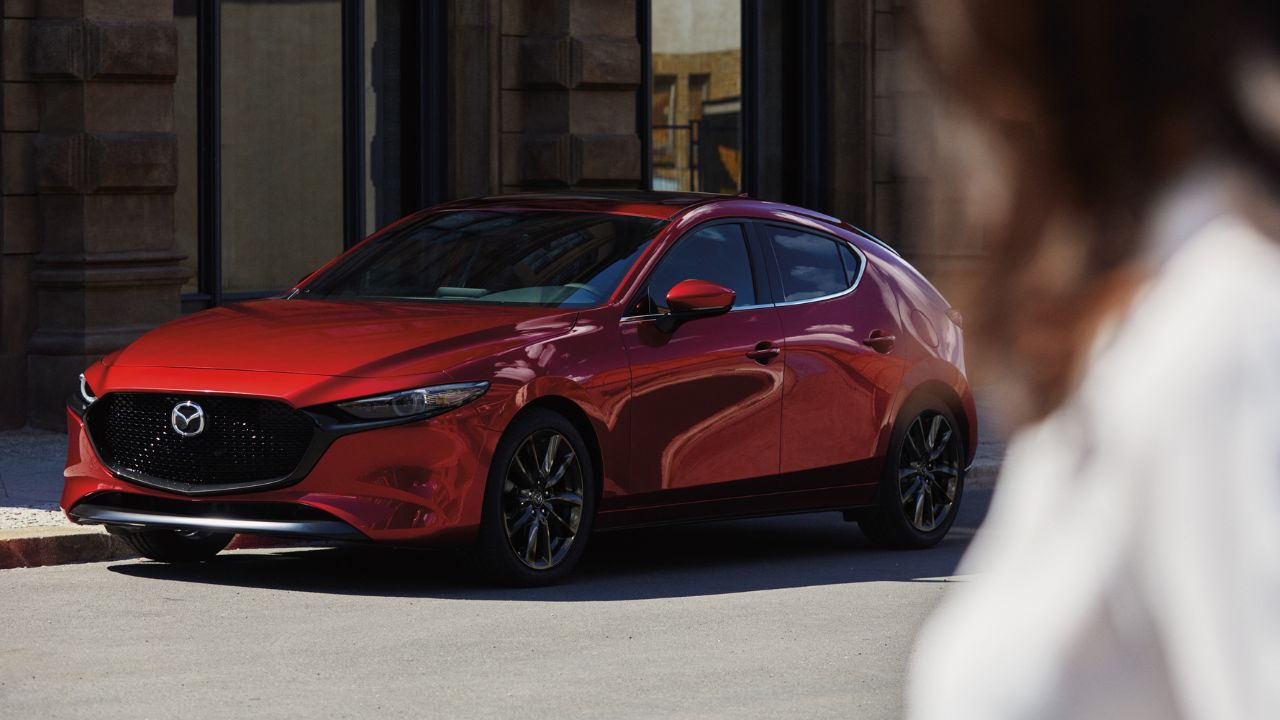
Even the naturally aspirated Mazda3 beats the Prelude to 60 mph while costing $18,470 less. Let that sink in.
With 191 hp from its 2.5-liter four-cylinder, this base Mazda hits 60 in 7.0 seconds with front-wheel drive or 7.5 with all-wheel drive, either way faster than the “sporty” Prelude. You still get Mazda’s premium interior treatment, with materials and build quality that punch well above the price class. The handling is engaging without being punishing, the ride is comfortable for long commutes, and fuel economy sits at a respectable 27-37 mpg depending on configuration.
If you spec the manual transmission (available on the 2.5 S Premium hatchback), you’re getting genuine driving engagement that the Prelude’s simulated shifts can only dream of. Critics will say it’s just an economy car dressed up nicely, but those same critics probably think spending $43,000 on an 8-second hybrid coupe makes sense.
The Mazda3 proves you can have style, substance, and speed without draining your savings account. Sensible never looked or felt this good.
2023-2024 Honda Civic Si – 6.6 Seconds, Around $27,000-$30,000
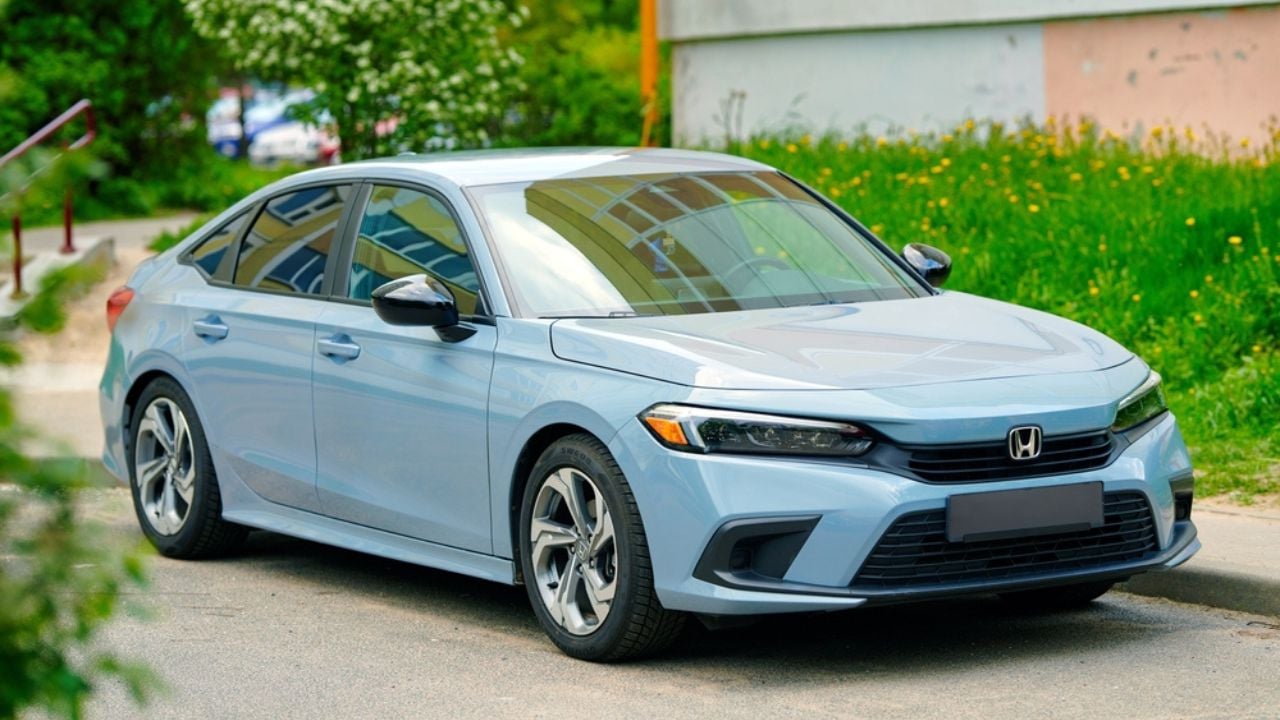
If you absolutely must have a Honda and want actual performance, the Civic Si should’ve been on your radar long before the Prelude showed up.
With its 200-hp turbocharged 1.5-liter and a proper six-speed manual transmission, this thing hits 60 mph in 6.6 seconds while delivering the kind of driver engagement that makes traffic jams almost bearable. Used examples from 2023-2024 are plentiful in the sub-$30,000 range, making them significantly more affordable than the Prelude. You get the same excellent Civic bones, space, visibility, comfort, plus a limited-slip differential and available summer tires.
The rev-happy engine loves to be wrung out, and that manual shifter is one of the best in the business. Sure, it’s only available as a sedan, and the lack of a hybrid means fuel economy takes a hit. But for driving purists who value engagement over efficiency, this is the Honda that actually delivers on the brand’s sporting heritage.
The Prelude might look cooler in photos, but the Si is way more fun when you’re actually driving it.
2025 Honda Civic (Gas) – 8.9 Seconds, Starting at $24,250

Yes, even the base gas Civic doesn’t look quick on paper, but it also costs $18,945 less. Car and Driver tested a 2025 Civic Sport sedan at 8.9 seconds to 60 mph. That’s enough savings to fully mod the suspension, add stickier tires, and still have money left for a decent set of wheels.
The 158-hp 2.0-liter four isn’t powerful, but it’s willing and smooth, paired with a CVT that’s actually competent for once. Inside, you get Honda’s latest cabin design with standard tech features that’d cost extra on most rivals. The Civic’s handling has been praised across the board, with sharp steering and a planted feel that makes boring commutes at least moderately enjoyable.
Practicality is a strong suit too, with a spacious trunk and back seat that actual humans can use. The styling is polarizing depending on who you ask, but it’s distinctive rather than derivative. For rational buyers who see cars as tools first and fashion statements second, this base Civic delivers 90% of the Prelude’s capability for 56% of the price.
That’s math even the most enthusiastic Prelude defender can’t argue with.
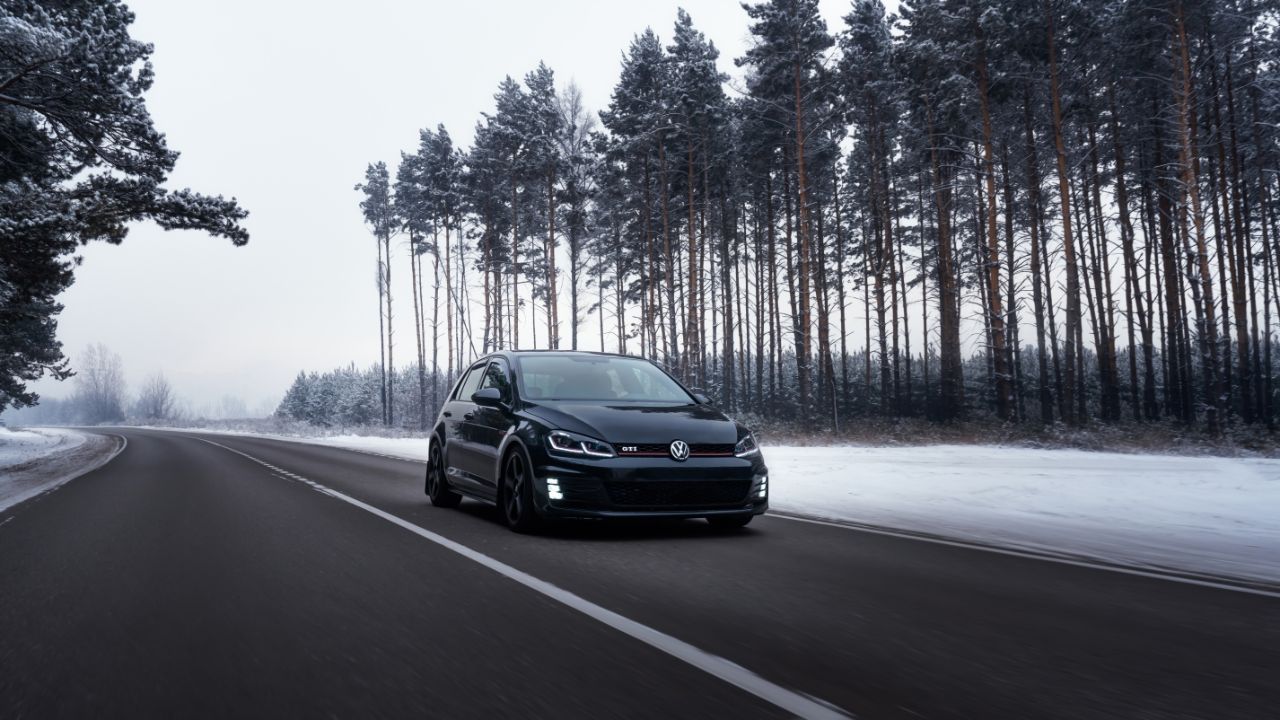
2020-2022 Volkswagen Golf GTI – Around 5.9 Seconds, $22,000-$28,000 Used
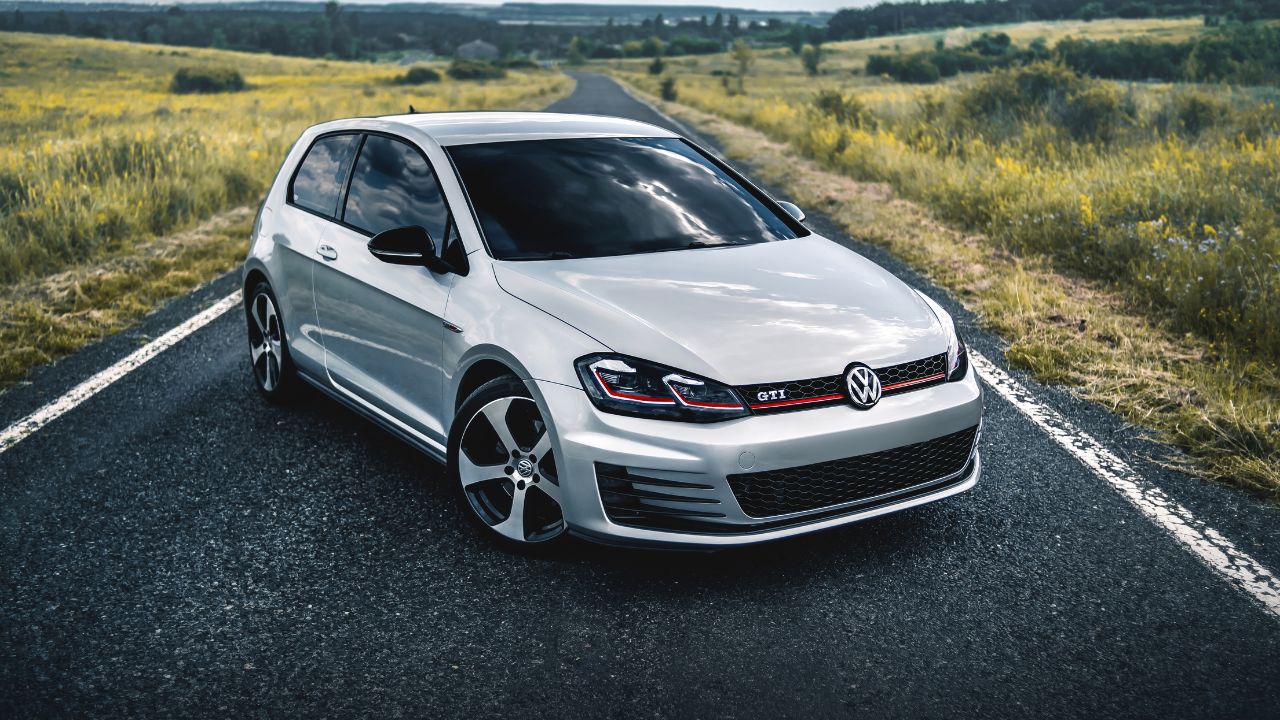
Hot hatch enthusiasts have known this secret for years: the GTI offers performance-car thrills in a practical wrapper.
Used examples from 2020-2021 deliver 228 hp from a turbocharged 2.0-liter four, rocketing to 60 mph in about 5.9 seconds. That’s 2.4 seconds quicker than the Prelude for thousands less money. The GTI’s dual-clutch automatic shifts with precision, or you can hunt down a manual if you’re patient.
Handling is tidy and confidence-inspiring, with adaptive dampers available on higher trims such as the Autobahn to keep things comfortable when you need it. Inside, VW’s build quality shows why Europeans trust this brand, with solid construction and intuitive controls. Cargo space with the rear seats folded embarrasses most sedans, making this a legitimate do-everything vehicle. The main concerns are potential maintenance costs, VW reliability isn’t legendary, and making sure previous owners maintained the turbo properly.
But for enthusiasts who want genuine European hot hatch character without paying new-car premiums, the GTI remains one of the best values in performance motoring. Your car-enthusiast uncle probably drove one and never shut up about it, which should tell you something.
2025 Subaru WRX – Around 5.4-5.6 Seconds, Starting at $38,920

The WRX has been the answer to “affordable AWD performance sedan” for decades, and the current generation carries that torch admirably.
Its 271-hp turbocharged 2.4-liter boxer engine launches this rally-bred sedan to 60 mph in around 5.5 seconds, nearly three seconds quicker than the Prelude. Standard all-wheel drive means you can use that power in any weather, and the manual-transmission WRX uses a viscous-coupling limited-slip center differential, and it also uses brake-based Active Torque Vectoring to help rotate the car.
The manual transmission is standard (CVT available if you must), delivering the kind of mechanical engagement that’s increasingly rare. At $38,920, it undercuts the Prelude by over $10,000 while offering substantially more performance.
The interior isn’t luxurious, Subaru never pretends otherwise, but it’s functional and durable, built for enthusiasts who care more about driving than impressing valets. Fuel economy suffers at 19/25 mpg, and the ride is firm for a daily driver, but those are conscious trade-offs for genuine performance capability.
Older enthusiasts will dismiss it as “boy racer nonsense,” but younger buyers recognize the WRX as one of the last affordable sports sedans that doesn’t require sacrificing your firstborn to the depreciation gods.
2024-2025 Mazda CX-30 2.5 Turbo – Around 5.9 Seconds, $35,000-$37,000
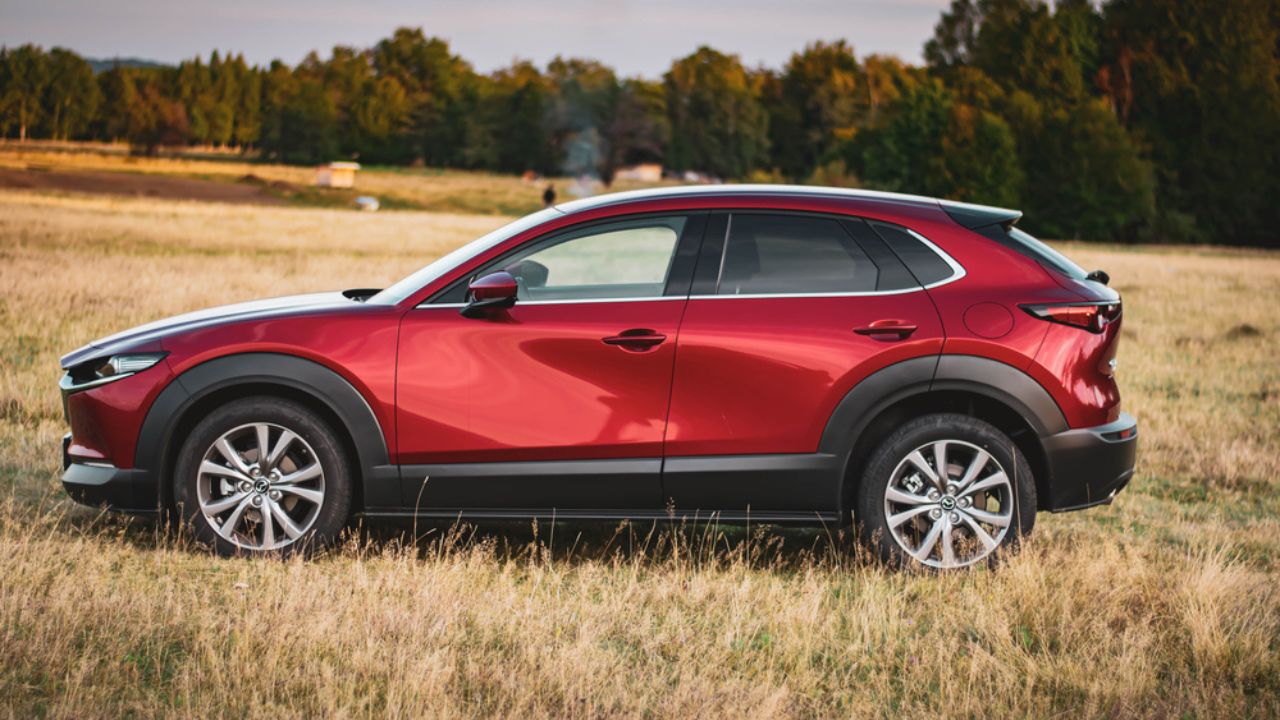
Hear us out: a small crossover that’s quicker than a sports coupe.
The CX-30 with Mazda’s 2.5-liter turbo produces up to 250 hp on premium fuel and hits 60 mph in about 6.2 seconds in Car and Driver testing. It shares its powertrain with the Mazda3 Turbo, so you’re getting the same punchy acceleration and premium interior treatment, just with a slightly higher seating position and more cargo space. For commuters who occasionally need to haul stuff or prefer the visibility of a raised ride height, this is the sweet spot between practicality and performance.
Standard AWD provides all-weather capability, and the ride quality is comfortable enough for long highway slogs. Inside, Mazda’s attention to detail continues to impress, with materials and fit-and-finish that’d make luxury brands nervous. Yes, it’s technically a crossover, which will make some purists clutch their steering wheels in horror, but the performance numbers don’t lie. For buyers who need one vehicle to do everything, commute, weekend trips, occasional performance driving, the CX-30 Turbo delivers more versatility than the Prelude for similar money.
Practical enthusiasts understand that compromise doesn’t mean surrender.
2023-2025 Toyota GR Corolla – Around 5.0 Seconds, $36,000-$40,000 Used

If you want rally-bred performance in a practical hatchback, Toyota’s GR Corolla is basically a street-legal rally car.
Its 300-hp turbocharged three-cylinder and torque-vectoring AWD system blast it to 60 mph in approximately 5.0 seconds: over three seconds quicker than the Prelude. Finding them is the hard part, as production numbers are limited and enthusiasts snatch up inventory quickly. Used examples hover around $36,000-$40,000, making them similar in price to a new Prelude but vastly more capable.
You get a six-speed manual (eight-speed automatic on some trims), genuine performance hardware, and Toyota’s legendary reliability backing it up. The interior is basic compared to the Prelude’s refinement, and the ride is decidedly firm for daily use, but this is a car built for driving, not posing. Cargo space with the hatch makes it far more practical than a coupe, and that distinctive triple-exhaust look lets everyone know you’re serious.
Critics will say it’s too hardcore for commuting, but that’s exactly why enthusiasts love it: finally, a manufacturer that didn’t water down the formula to appease focus groups. If you can find one and afford the premium, the GR Corolla delivers performance that justifies its price tag.
2018-2020 Nissan 370Z – Around 5.2-5.3 Seconds, $25,000-$30,000 Used
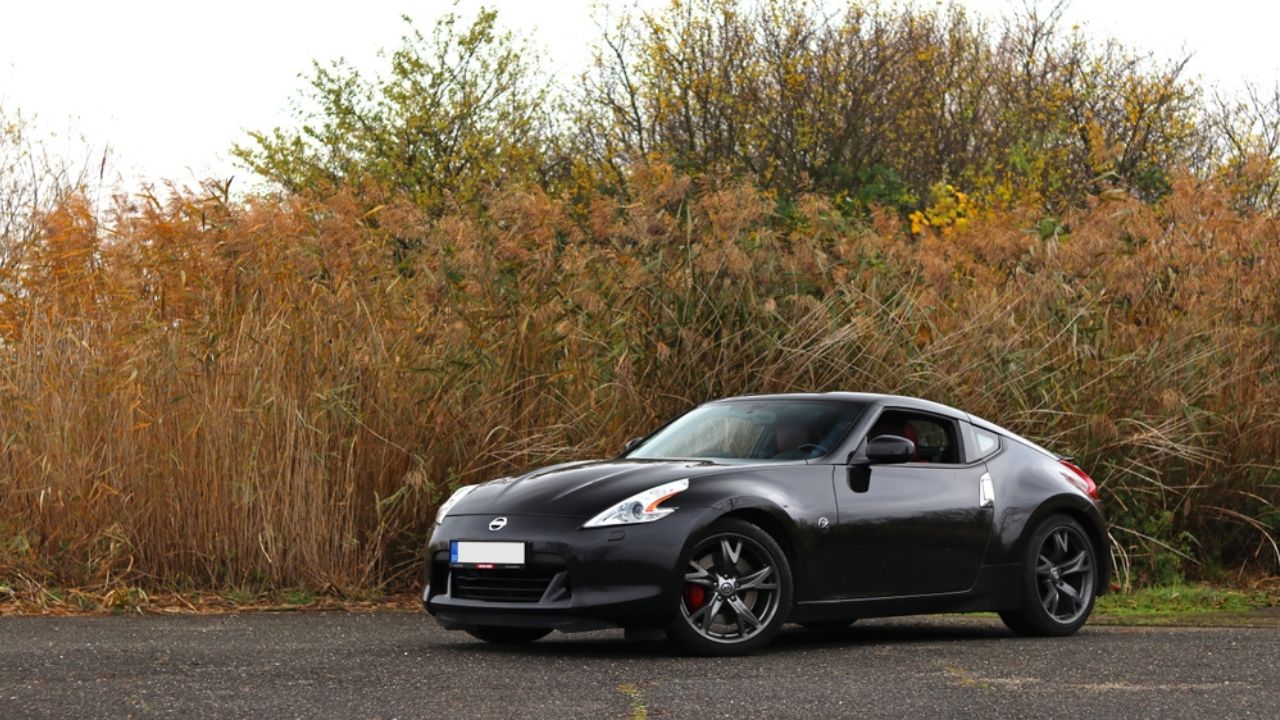
For buyers who want actual sports car credentials, used 370Z models offer rear-wheel-drive thrills and naturally aspirated V6 character.
The 3.7-liter engine makes 332 hp and pushes the Z to 60 mph in about 5.5 seconds, nearly three seconds quicker than the Prelude. Used examples are plentiful in the $25,000-$30,000 range, representing significant savings over a new Prelude. Yes, the interior feels dated, and the tech is firmly from the 2010s, but you’re buying mechanical excellence here, not a rolling iPad.
The manual transmission is one of the best anywhere, with a perfectly weighted clutch and crisp shifts. Handling is balanced and predictable, with enough tail-happiness to keep things interesting without being dangerous. The main drawbacks are limited cargo space (it’s a sports car, not a wagon) and mediocre fuel economy at 17/26 mpg.
Maintenance costs run higher than economy cars, though Nissan’s VQ engines are proven reliable when properly maintained. For purists who value driving purity over modern conveniences, the 370Z represents old-school sports car values before everything got hybridized and computer-controlled.
Your older relatives might actually approve of this choice, which should tell you it’s properly focused on what matters: the driving experience.
Conclusion

The 2026 Honda Prelude isn’t a bad car by any measure, but its $43,195 price tag places it in an awkward position when competitors offer better acceleration for less money. For buyers who prioritize driving dynamics over outright speed, the Prelude’s handling and efficiency might justify the premium, especially considering that clever S+ Shift system and Type R-sourced suspension components.
However, enthusiasts shopping primarily on performance metrics will find significantly better values elsewhere, whether that’s a Mazda3 Turbo’s refined speed, an Elantra N’s track-ready thrills, or even Honda’s own Civic Hybrid at nearly half the cost. The market has spoken clearly: affordable performance exists if you’re willing to look beyond the hype.
Smart shoppers will test drive multiple options before committing to what’s essentially a $43,000 Civic Hybrid with a prettier body and slower acceleration, because at the end of the day, your bank account and your right foot both deserve consideration.