Mud came first, followed by dust, gravel, snow, and everything in between. Steel frames met stubborn trails without hesitation, and drivers opened heavy doors, turned chunky knobs, and felt confident in every terrain.
Trails welcomed these machines because they never asked for permission, and each vehicle brought its own story formed in remote places and forged on unforgiving ground. Rugged tires met thick roots and deep ruts with steady purpose, and every start felt deliberate while every shift felt earned.
Paint scratched with pride, and engines hummed with quiet determination as the miles passed beneath them. Roof racks carried firewood, tools, and memories, and windows stayed rolled down through mountain passes and river crossings. What follows is a lineup of machines that understood work, valued durability, and left tracks in places maps forgot.
How These 4×4 Legends Made the Cut

Toughness shaped every selection on this list. Vehicles included here offered purpose-built four-wheel drive systems, strong chassis construction, and factory readiness for difficult conditions. Preference leaned toward models with long-term reliability, proven durability, and consistent success in off-road environments.
Recognition came from decades of real-world service across rural trails, mountain roads, and remote landscapes. Ground clearance, axle articulation, frame strength, and mechanical simplicity helped define the core traits. Real use by workers, explorers, and families helped confirm each vehicles capabilities.
Evidence came from ownership stories, trail logs, and years of hard labor in weathered conditions. Each model earned a reputation for resilience and made off-road travel part of its daily function. These vehicles were capable in factory form, even though many owners later modified them for specific trails. Purpose, reliability, and trail presence led the way in every inclusion.
Toyota Land Cruiser 70 Series

Steel met purpose when this one rolled off the line, and utility shaped every bolt and bracket. Land surveyors, remote rescue crews, and field mechanics trusted it with every part of their route. Solid axles and rugged frame rails soaked up terrain, with the front suspension moving from leaf springs to coils in 1999 while the rear stayed leaf sprung, and locking hubs turned steep hills into simple climbs.
The interior stayed simple with wipe-clean panels and robust switches that could take a knock or two. Drivers liked its thick doors, heavy gear throws, and the sense that nothing inside would ever break unless you asked it to.
In low range, it crawled forward like it had all the time in the world, and transmissions rarely slipped under pressure. Dust never stopped it, heat never slowed it, and the world kept calling it back into service.
Jeep Cherokee XJ

Boxed styling made it easy to recognize, and purpose filled the space under every fender. Unibody design gave it a tough backbone, and trail readiness came standard without any showroom sparkle. Axles sat strong and steady under its factory coil spring front and leaf spring rear suspension, and engines stayed responsive even with decades behind them.
Interiors never pretended to be anything more than functional, and knobs, buttons, and levers all felt built to last. Trail riders still talk about how it crawled without drama and coasted over deep mud ruts with ease.
Families took them camping, commuters drove them through snow, and overlanders added racks, tires, and recovery gear. The Cherokee XJ helped define what a compact SUV could be, and years later, many still return to it for its capability and legendary reputation.
Mercedes-Benz G-Class (W461)

Designed with straight edges and built with no apology for weight, this version of the G-Class delivered raw traction and durable simplicity. Contractors, utility workers, and off-grid residents trusted its bones, and all three locking differentials worked in perfect harmony to keep the wheels turning.
Axles gave it strength under load, and the ladder frame stayed calm even when the trail did not. No one cared about luxury inside, and the switchgear felt like equipment from an industrial control room. Rooflines stayed high for visibility, and torque rose steadily through mountain switchbacks.
Reliability came through mechanical engineering, and steel bumpers shrugged off more than a few bruises. It moved deliberately, crawled confidently, and lasted through conditions that made most vehicles beg for mercy.
Land Rover Defender 110 (pre-2016)

Tall, square, and unmistakably British, the old Defender stood proud on job sites and far-off mountain passes. Aluminum panels wrapped around a ladder chassis that welcomed punishment, and the suspension let each wheel find its footing like it had a mind of its own.
Drivers reached for chunky levers, pressed metal buttons, and aimed this one through dense forest, knowing the steel beneath would carry them through. Interiors came with rubber mats and sliding windows, and everything felt useful. Farmers packed hay in the back, rescue workers loaded gear on the roof, and adventurers took them across continents.
Defenders kept crawling long after others stopped, and owners often passed them from one generation to the next. Roads never defined them, and every trail added another layer of history.
Suzuki Jimny

Short, cheerful, and completely unstoppable, this compact 4×4 ignored its size and punched far above its weight. Approach and departure angles made it a tight-trail king, and low-range gearing pulled it over rocks, roots, and river crossings without complaint.
Steel frames supported its confident stance, and coil springs kept it planted where others bounced. Interiors stayed honest with plastic panels and cloth seats, and everything was designed to be practical first.
Owners often took two on expeditions, knowing at least one would make it back, and roof racks held kayaks, tents, or spare wheels. Torque stayed predictable, and every shift brought calm progress. Jungle trails, snowy switchbacks, and muddy pits all became home turf for the Jimny, and it earned its legend through consistency and charm.
Ford Bronco (First Generation)

Born to blend pickup durability with SUV confidence, this early Bronco turned the outdoors into a proper playground. Flat fenders and upright glass gave it character, and its short wheelbase helped it pivot through tight turns and forest trails. Dana axles held up under pressure, and solid suspensions kept all four corners stable.
Owners dropped the tops, packed the rear with supplies, and trusted the manual transfer case to deliver torque to wherever it needed to go. Interiors were simple and rugged with exposed metal and basic switches, and even base models brought real off-road readiness.
V8 options gave it strength, and drivers never hesitated when the road ended. Across ranches, beaches, and mountain trails, this Bronco kept going and left a lasting trail behind.
Chevrolet K5 Blazer

Long before SUVs got soft, this Blazer brought muscle and grit to every mile, and drivers saw it as part truck, part trail guide. Removable hardtops created convertible adventure rigs, and rear tailgates dropped to reveal camp-ready cargo space.
Power came from big, reliable engines, and four-wheel-drive systems engaged with confidence. Inside, the focus remained on utility with metal trim, vinyl floors, and durable fabrics. Drivers loaded up coolers, dogs, and toolboxes without hesitation, and steel panels shrugged off dents and dust.
Weekend campers and weekday workers both found use in it, and the K5 never failed to look right covered in mud. Suspension travel helped with clearance, and axles stayed planted when slopes steepened. It kept rolling when others looked for bypasses.
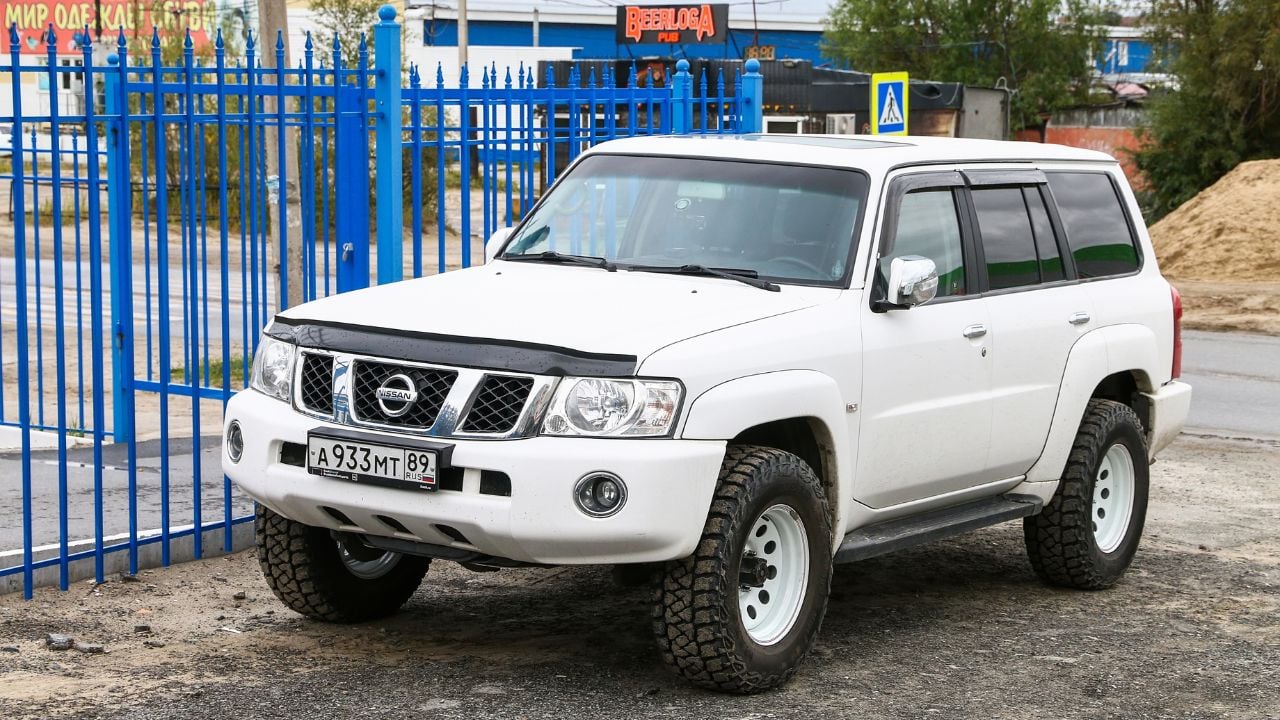
Nissan Patrol (Y61)

Built with strength in its core and simplicity in its skin, the Y61 Patrol became a fixture across regions where roads often disappeared. Solid axles delivered reliability, and a factory rear differential lock on some Y61 versions helped keep momentum alive in soft sand or rocky outcrops.
Frames could take years of abuse, and the suspension balanced comfort with climbability. Interiors stayed sparse with basic controls, rubberized floors, and bolted-down hardware that begged to get dirty. Underbody protection came ready, and snorkels often showed up in dealer catalogs.
Long-distance overland trips became part of its identity, and owners regularly clocked six figures on the odometer without a second thought. Diesel torque rose smoothly, and heavy loads rarely slowed its pace. This one belonged to the dirt and embraced it every time.
Mitsubishi Pajero (Second – Generation)
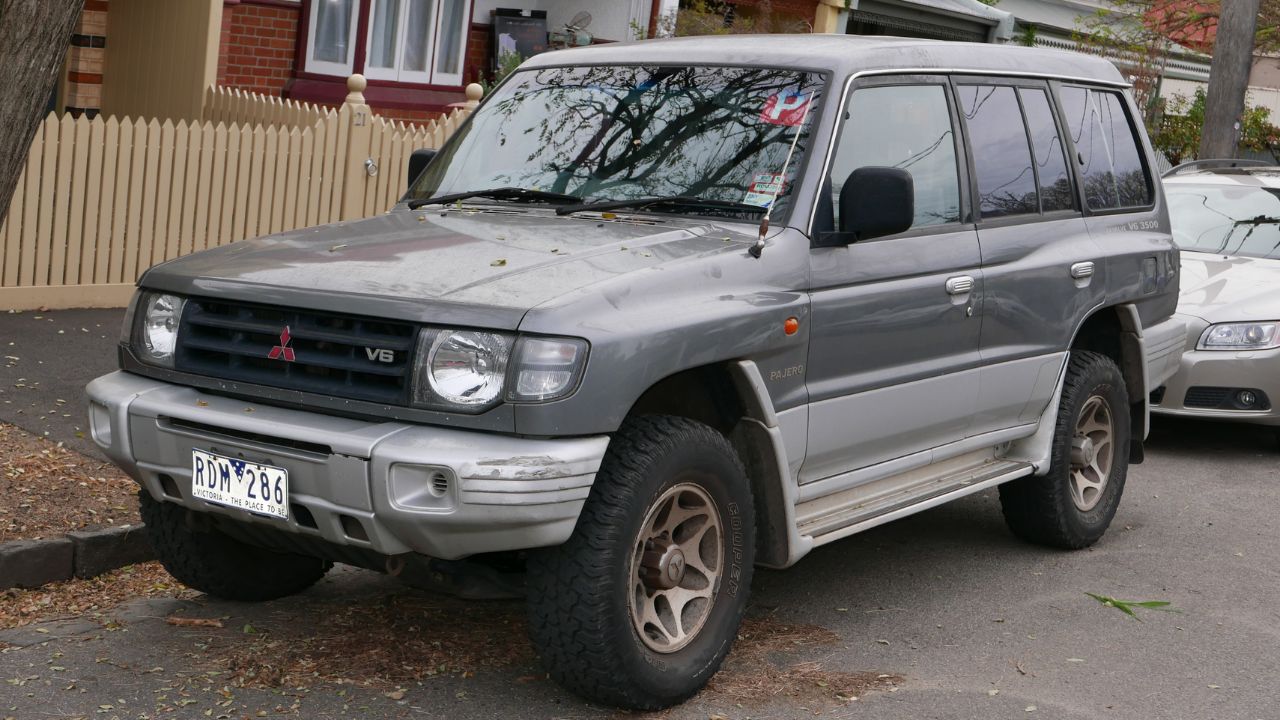
Rally heritage flowed through every bolt, and Dakar victories stamped this Pajeros resume with confidence. Coil suspension kept it composed on corrugated roads, and low range gearing allowed serious crawling. The second generation featured a boxy shape with generous glass area, and visibility became a quiet weapon in difficult terrain.
Interiors felt durable with easy-to-clean materials and dependable switchgear, and controls remained intuitive. Transfer cases delivered predictable engagement, and engines provided steady torque across varying conditions. Families took them on cross-country vacations, and adventurers packed rooftop tents without worry.
Trail repairs rarely required special tools, and aftermarket support arrived quickly. Confidence never wavered, and many still use them today as daily drivers that can climb mountains before breakfast.
International Harvester Scout II

Farm strong and mountain ready, the Scout II showed up with squared panels, big knobs, and nothing left to prove. Drivers stepped inside expecting noise, heat, and dust, and it delivered all of that and more with pride.
Frames carried heavy loads without flinching, and suspensions adapted to rock gardens and gravel grades alike. Interiors offered simple gauges and plenty of metal surfaces, and tailgates opened wide for camp setups or dog kennels. Power came from strong inline or V8 engines, and four-wheel-drive systems acted like they had something to prove.
Ground clearance helped it ford streams, and short overhangs improved angles in tight woods. This one became part of the land it rolled across, and owners often held onto them for decades.
Built to Last, Remembered Forever

Legends rarely ask for attention, and these 4x4s proved their worth with action instead of noise. Trails, farms, deserts, and forests welcomed them because they always came prepared. Years of hard work built their reputations, and thousands of miles added layers to their stories.
Every lever pulled, every tire change, and every muddy crossing helped define their purpose. Owners trusted them in moments where reliability mattered most, and memories formed behind their windshields now live on in garages, barns, and photo albums. Roads came and went, but these vehicles kept moving forward with strength and certainty.
Modern machines have borrowed from their legacy, but the originals still carry a quiet authority. These factory 4x4s were shaped by need, built by hand, and remembered with respect. Durability never needed a spotlight, and these vehicles carried it well.