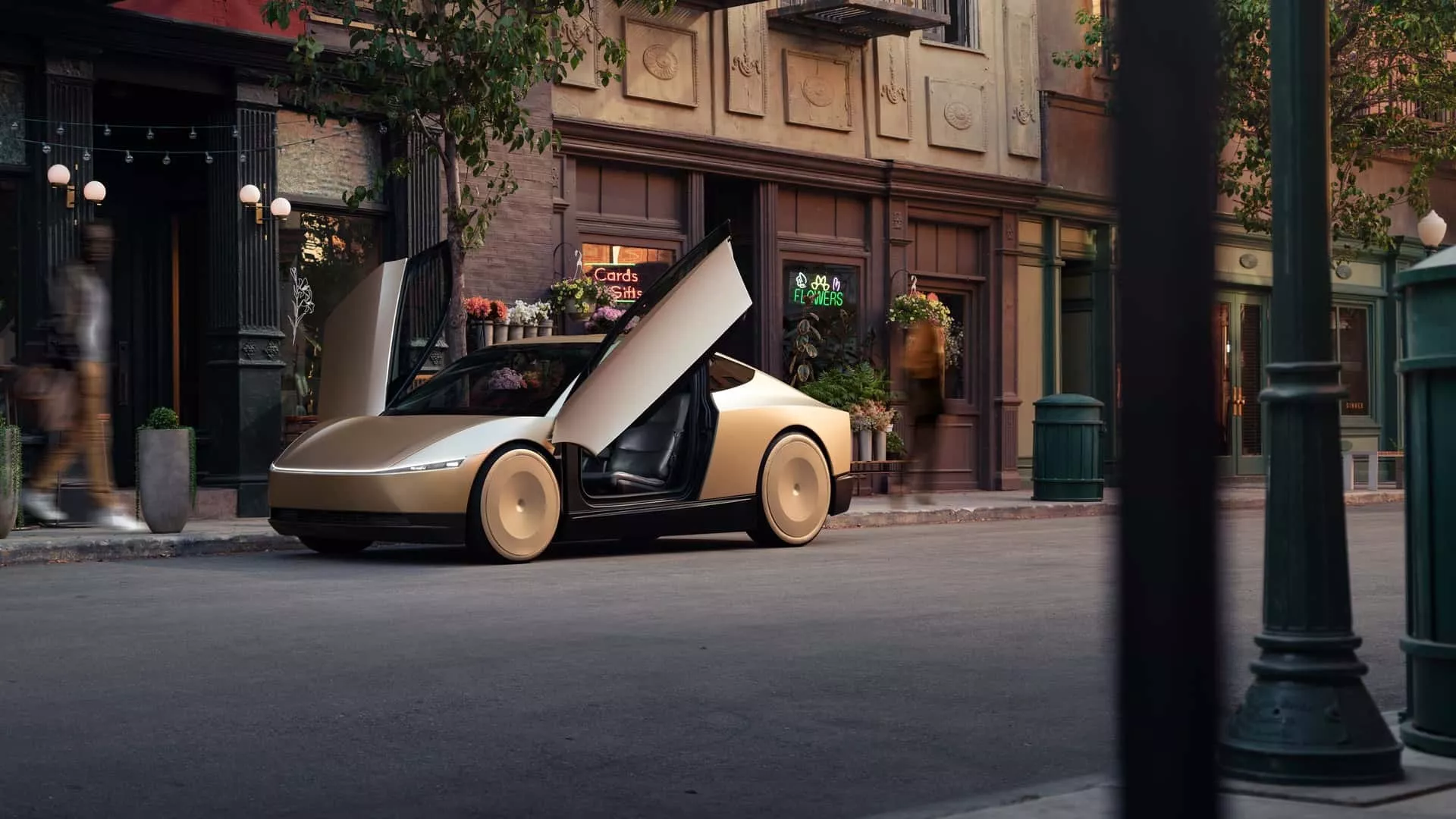
Tesla’s strange little two-seat Cybercab has spent months appearing on public roads without actually carrying the people it was designed for, but now that could be about to change.
Nearly two years after Tesla first revealed the purpose-built autonomous EV, preparations are reportedly underway to introduce it into the company’s Robotaxi operation in Austin, Texas. The transition from test vehicle to passenger service could happen before August is over.
Tesla itself is adding fuel to the speculation. Its Robotaxi account on X is offering current riders a chance to attend an upcoming Cybercab launch event, with winners expected to be announced on August 25.
Exactly what happens after that is unclear. The Cybercab presents Tesla with a considerably bigger regulatory and technical challenge than simply putting another Model Y into its fleet, especially if the production version arrives without a steering wheel or pedals.
Cybercab Rides Could Start This Month
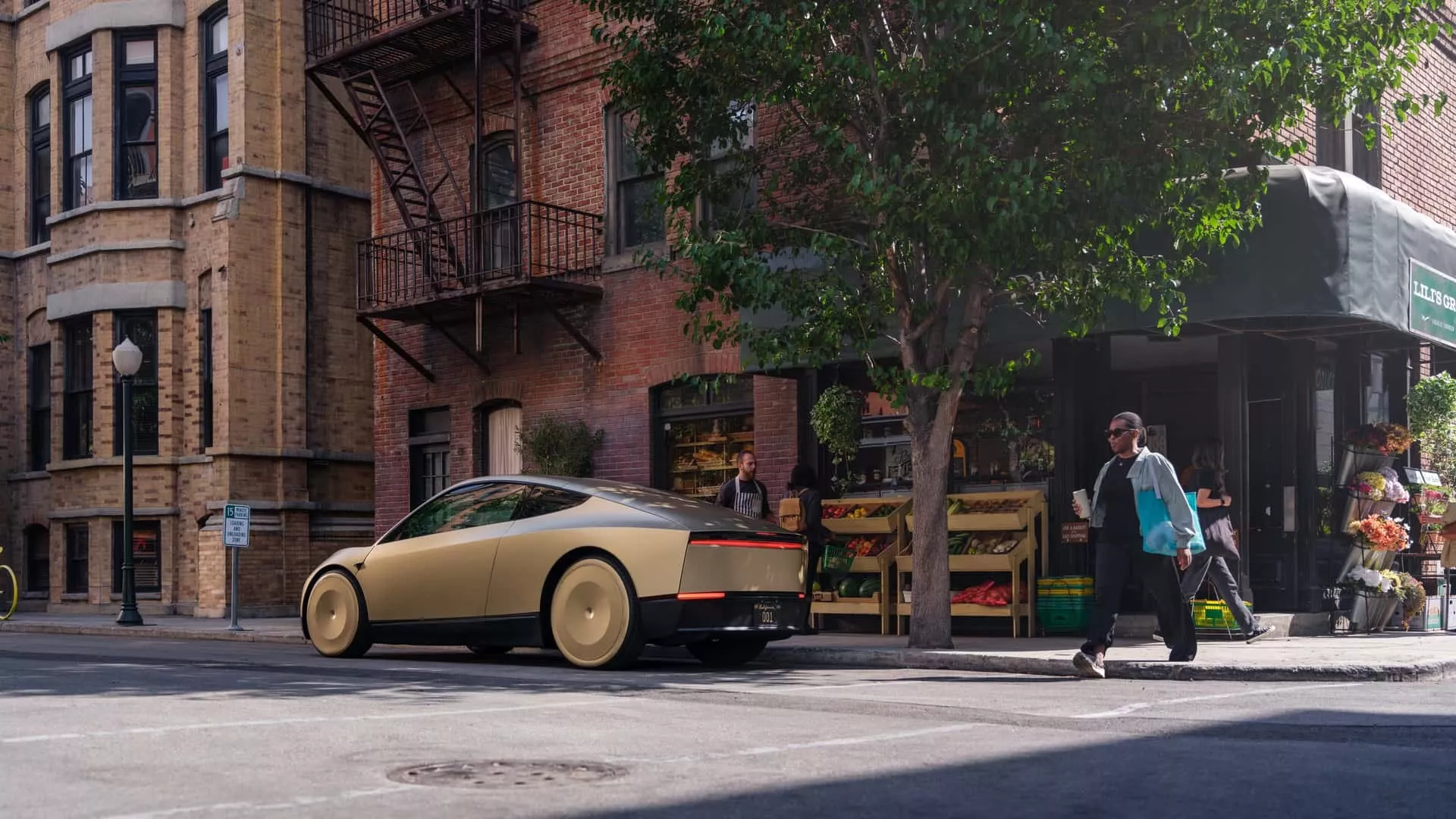
According to The Information, Tesla plans to begin by giving employees Cybercab rides on public roads around Austin before introducing the vehicle to paying passengers. Employees had previously been allowed to experience the car on private roads near Tesla’s Texas headquarters.
Another important piece of groundwork has already taken place. Tesla recently conducted Cybercab-specific emergency-response training with first responders in Austin, preparing them for incidents involving the unconventional autonomous vehicle.
Tesla has also begun manufacturing Cybercabs in Texas, with production reportedly starting in July. Significant volume isn’t expected until 2027, however, suggesting the initial passenger rollout could involve a relatively small number of vehicles.
Tesla Is Teasing Something For August
Ride in Robotaxi through 8/23 for a shot to attend our Cybercab launch event
More rides = better odds pic.twitter.com/NxA4H9sWF2
— Tesla Robotaxi (@robotaxi) August 18, 2026
The strongest public hint has come directly from Tesla’s Robotaxi account on X. The company announced that customers taking Robotaxi trips through August 23 can enter for a chance to attend the Cybercab launch event, with additional rides improving their chances of being selected.
Winners are due to be announced by 9 a.m. on August 25. Tesla hasn’t publicly detailed exactly what the event will involve or confirmed that attendees will actually ride in Cybercabs.
Reports indicate a public Cybercab launch is approaching, and Tesla is clearly promoting an associated event, but neither development guarantees an immediate large-scale deployment.
The Missing Steering Wheel Is A Big Deal
Tesla designed the Cybercab around autonomous operation from the beginning. Its minimalist two-seat cabin famously eliminates conventional driving controls, including the steering wheel and pedals, because the entire premise is that nobody inside should need to drive it.
Recent prototypes have complicated that picture by appearing both with and without traditional controls. Tesla hasn’t confirmed which configuration will initially carry passengers in Austin.
Removing those controls creates additional regulatory hurdles compared with operating autonomous versions of conventional cars. Tesla could therefore introduce Cybercabs equipped with temporary driver controls first, seek regulatory exemptions for the intended control-free design, or use another limited deployment strategy while approvals are worked out.
Tesla’s Robotaxi Fleet Is Still Small
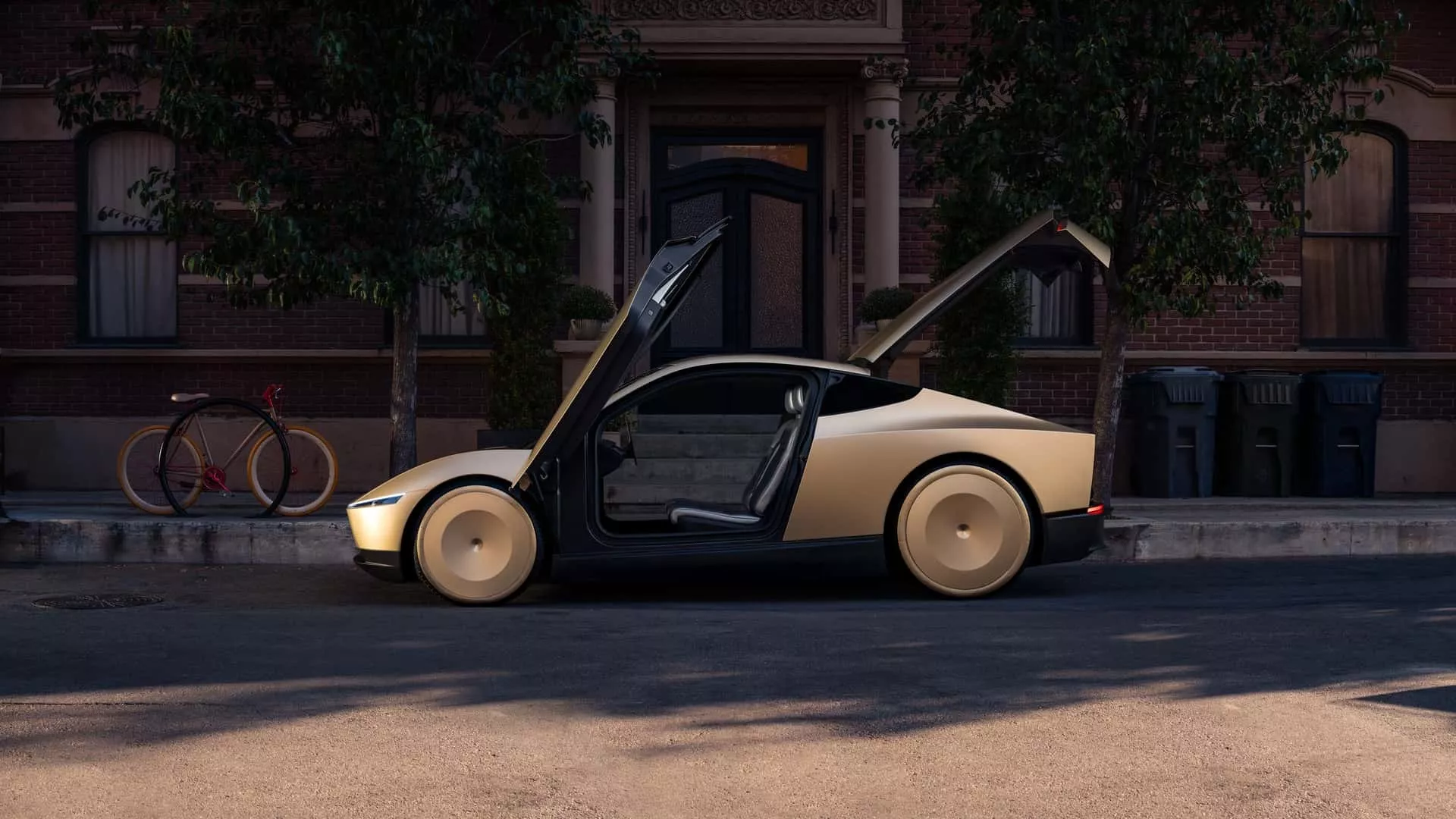
Putting Cybercabs into service would nevertheless be an important milestone for Tesla’s autonomous-driving ambitions. The company currently relies largely on Model Ys for its Robotaxi operation, meaning its service is using a vehicle originally designed around a human driver rather than one purpose-built as an autonomous taxi.
The Austin fleet is also modest, with reports putting the number of registered Model Y robotaxis there at just 186, far short of the enormous autonomous fleet CEO Elon Musk has envisioned.
Cybercab is supposed to change the economics of that equation. Its compact two-seat layout, dedicated autonomous architecture, and simplified construction are intended specifically for high-volume robotaxi duty rather than private ownership in the traditional sense.
Now Comes The Difficult Part
A public Cybercab rollout would finally move Tesla’s most ambitious autonomous vehicle beyond demonstrations, prototypes, and employee-only rides. It would also expose the vehicle to a highly unpredictable environment, namely ordinary passengers traveling on ordinary public streets.
There are still unanswered questions about regulatory approval, fleet size, production volume, and whether early Cybercabs will retain conventional controls. Tesla has not yet provided enough information to declare that a fully driverless, steering-wheel-free Cybercab service is ready for widespread deployment.
Still, Austin appears increasingly likely to become the first place where regular customers encounter one in the wild. After almost two years of waiting, Tesla’s dedicated robotaxi may finally be preparing to do some actual taxi work.