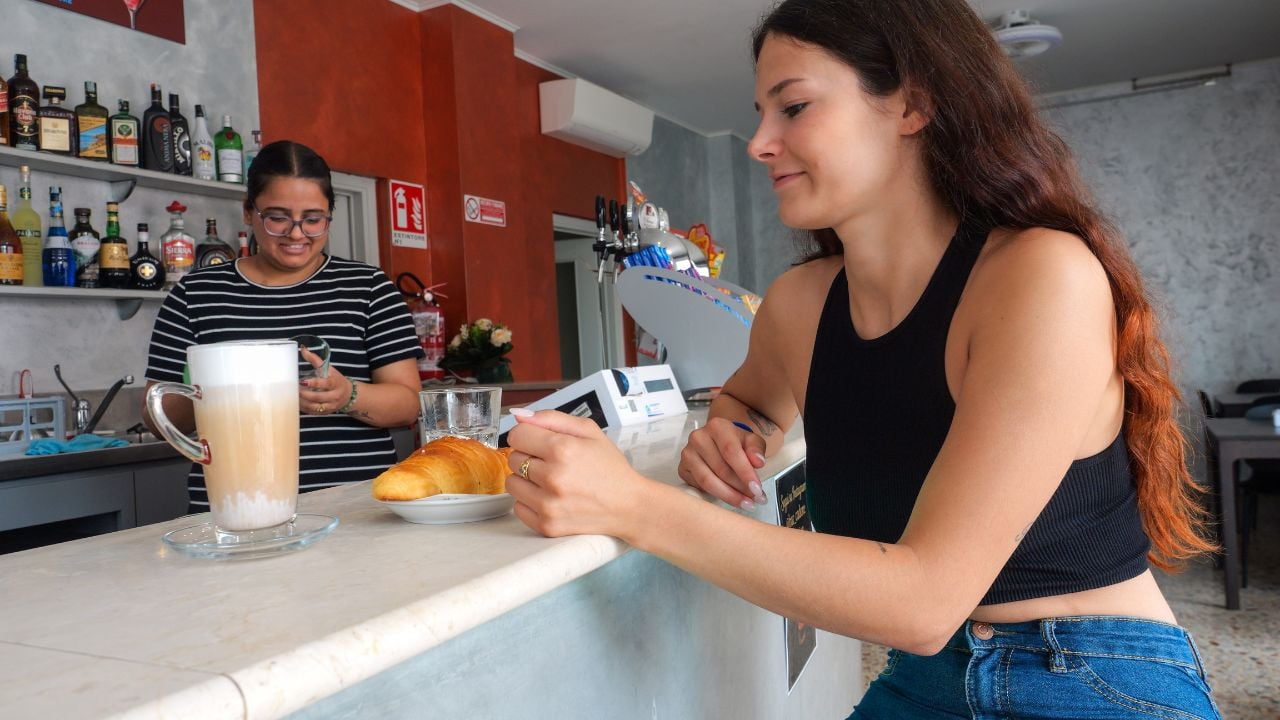
Ordering coffee in Italy can confuse American visitors because the routine is often faster and more structured than it looks. The counter may be crowded, locals may already know where to stand, and the cashier may be separate from the person making the espresso.
The main decision comes before ordering: drink at the bar or sit at a table. In many Italian cafés, those are two different experiences, with different service expectations and sometimes different prices.
A visitor who misses that detail can end up paying in the wrong place, carrying a counter order to a table, or waiting for service where no one is expecting to serve them.
The easiest approach is to watch the room first. If locals are paying at the register and carrying receipts to the barista, do the same. If tables have servers and printed menus, expect table service to cost more.
1. The Counter Is Usually the Fastest Option
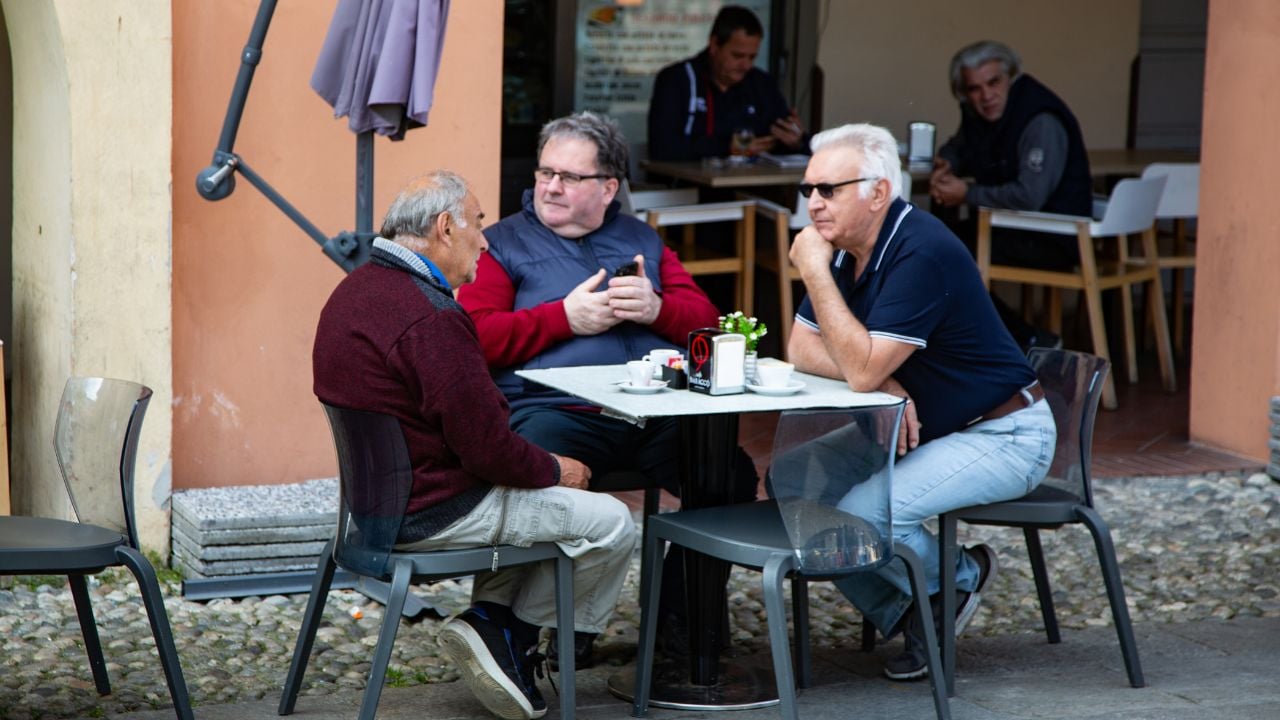
In Italy, a quick coffee is often taken standing at the bar. The drink is small, fast, and part of a short stop rather than a long sit-down break.
Condé Nast Traveler describes the traditional Italian coffee routine as ordering “un caffè” and drinking it at the bar, often quickly. That rhythm explains why locals can enter, order, drink, and leave in only a few minutes.
For Americans, the counter can look like a waiting area before the real café experience begins. In many Italian bars, the counter is the experience.
If you want the quick, cheaper, local-style stop, stay at the bar. Do not take a counter order to a table unless staff clearly say that is allowed.
2. In Busy Cafés, You May Need to Pay First
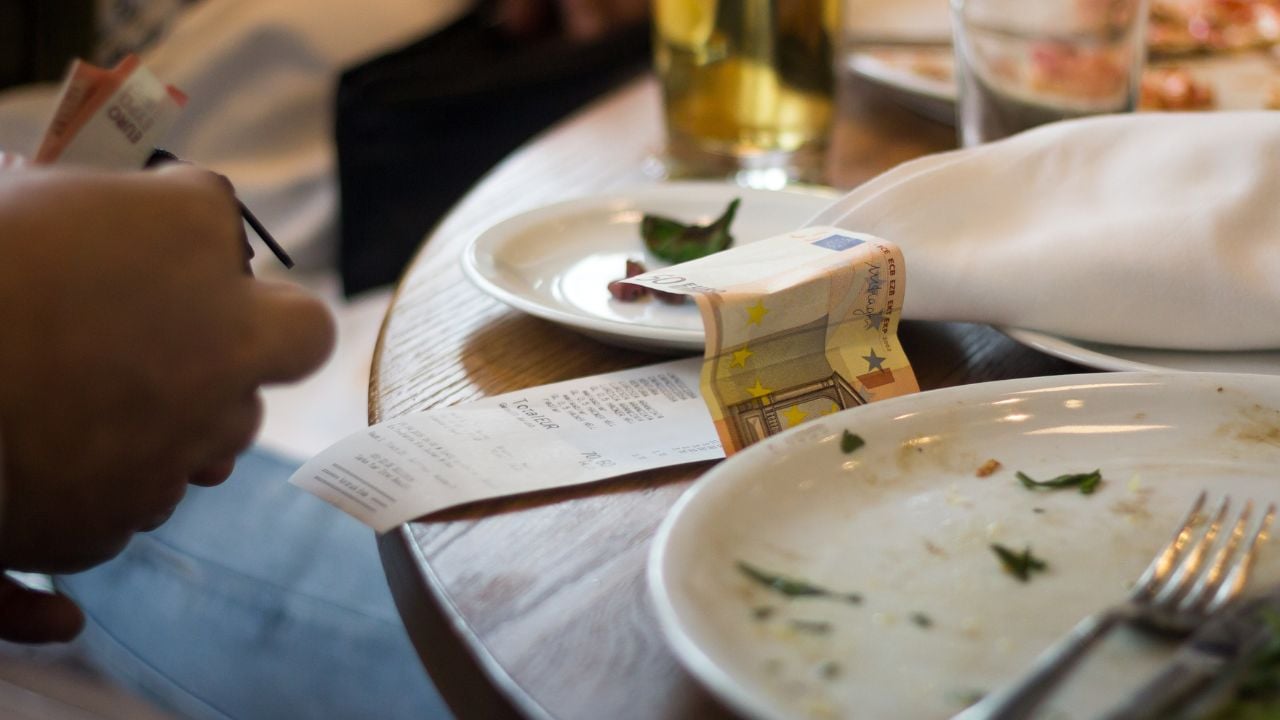
The step tourists miss most often is the cashier. In some cafés, especially busy city bars, the normal flow is to choose what you want, pay at the register, then take the receipt to the barista.
La Cucina Italiana describes this pay-first routine in Italian cafés: pay, line up with the receipt, and show it to the barista. The receipt tells the barista what you ordered.
That small paper slip is commonly called a scontrino. Standing at the espresso machine with cash in hand can make you look lost if everyone else is holding a receipt.
The rule is not universal. In a tiny bar, the same person may take the order, make the coffee, and accept payment. Let the room tell you the process before stepping into the counter crowd.
3. Sitting Down Can Change the Price
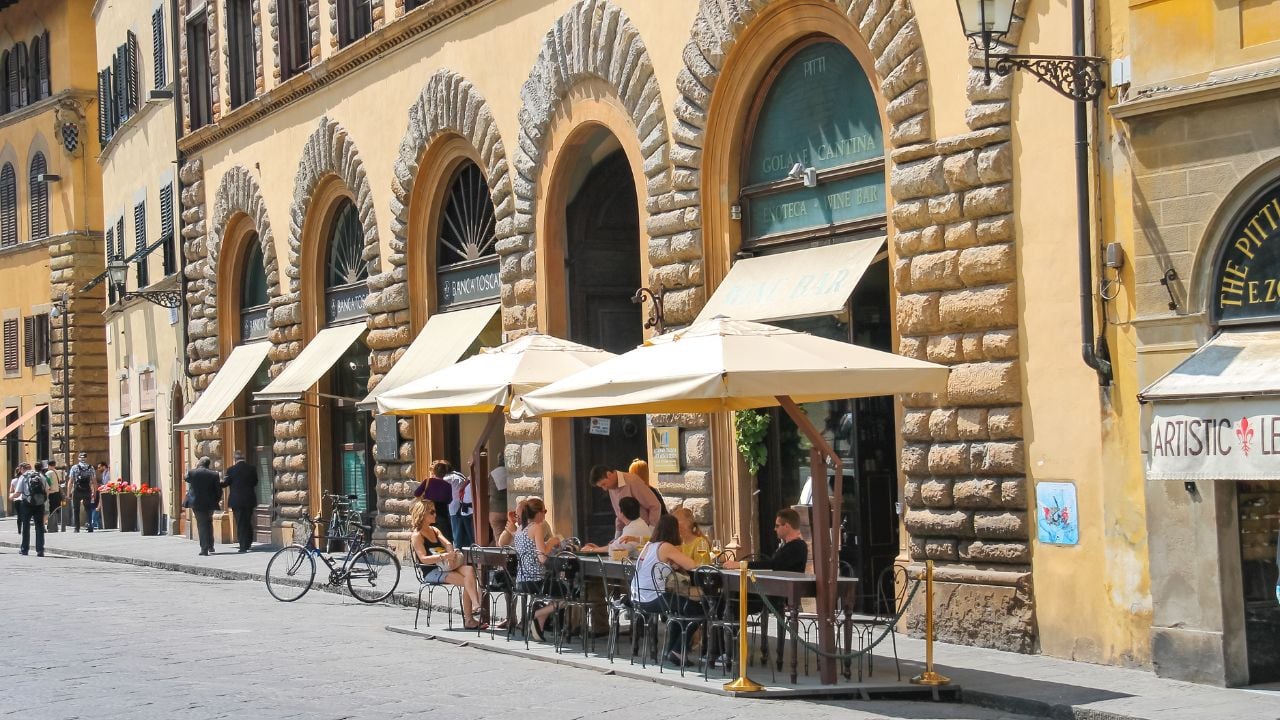
A common tourist mistake is ordering at the counter, then carrying the drink to an empty table. In many places, a table is not free seating for counter customers.
Table service can come with a different price list because it involves a server, a seat, a longer stay, and sometimes a more tourist-heavy location. Condé Nast Traveler’s Italian coffee guide warns that there can be a major price difference between bar service and table service in popular areas.
The extra cost is not automatically a scam. It may simply be the posted price for sitting down.
Check the menu before taking a table, especially near famous squares, train stations, and landmarks. To keep the lower counter price, order al banco and remain at the bar.
4. Keep the Receipt Until the Coffee Is Finished
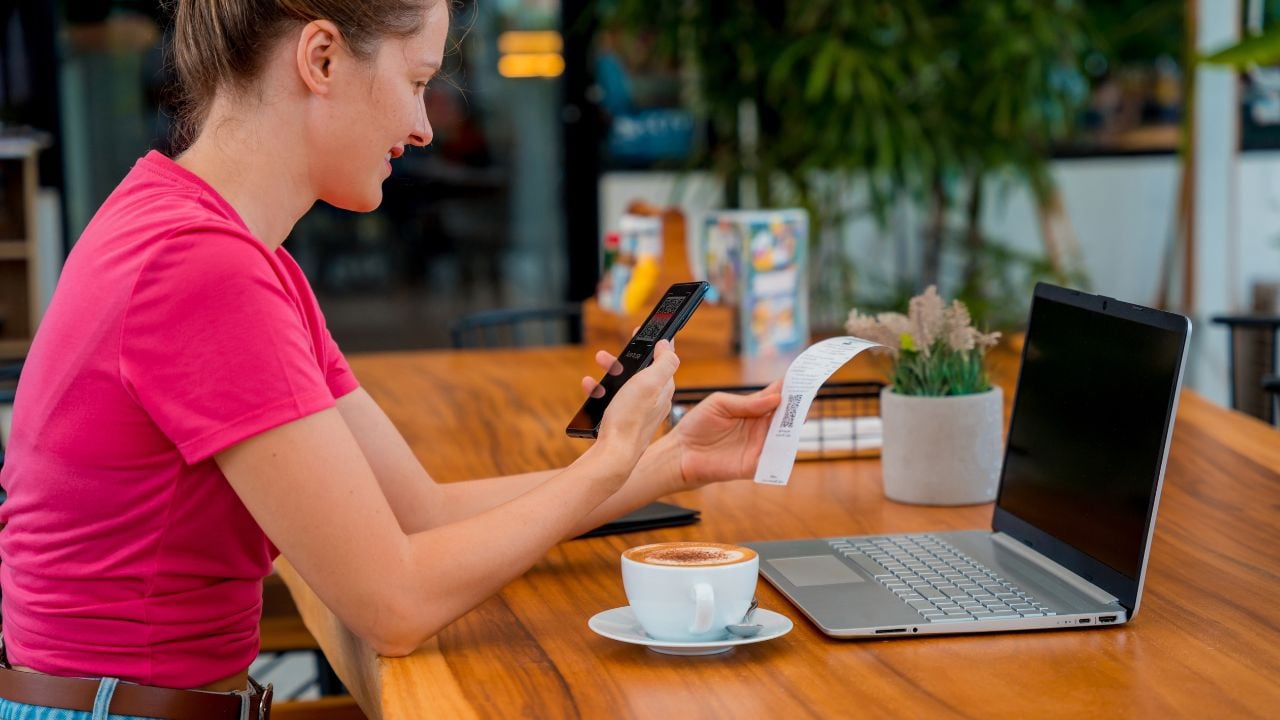
Travelers sometimes hear old warnings about being fined if they leave a café without a receipt. That fear is usually outdated, but the receipt is still useful during the order.
Italian consumer group ADUC says customers are not required to keep the receipt to show inspectors and do not risk a fine merely for leaving without it. The obligation to issue proper fiscal documentation sits with the merchant.
That does not make the receipt pointless. In a pay-first bar, it proves what you ordered and helps the barista serve the right drink.
Keep the receipt until the coffee and pastry are finished. It can prevent confusion at the counter, especially in crowded cafés where several customers are ordering at once.
5. Cappuccino Timing Is a Custom, Not a Law
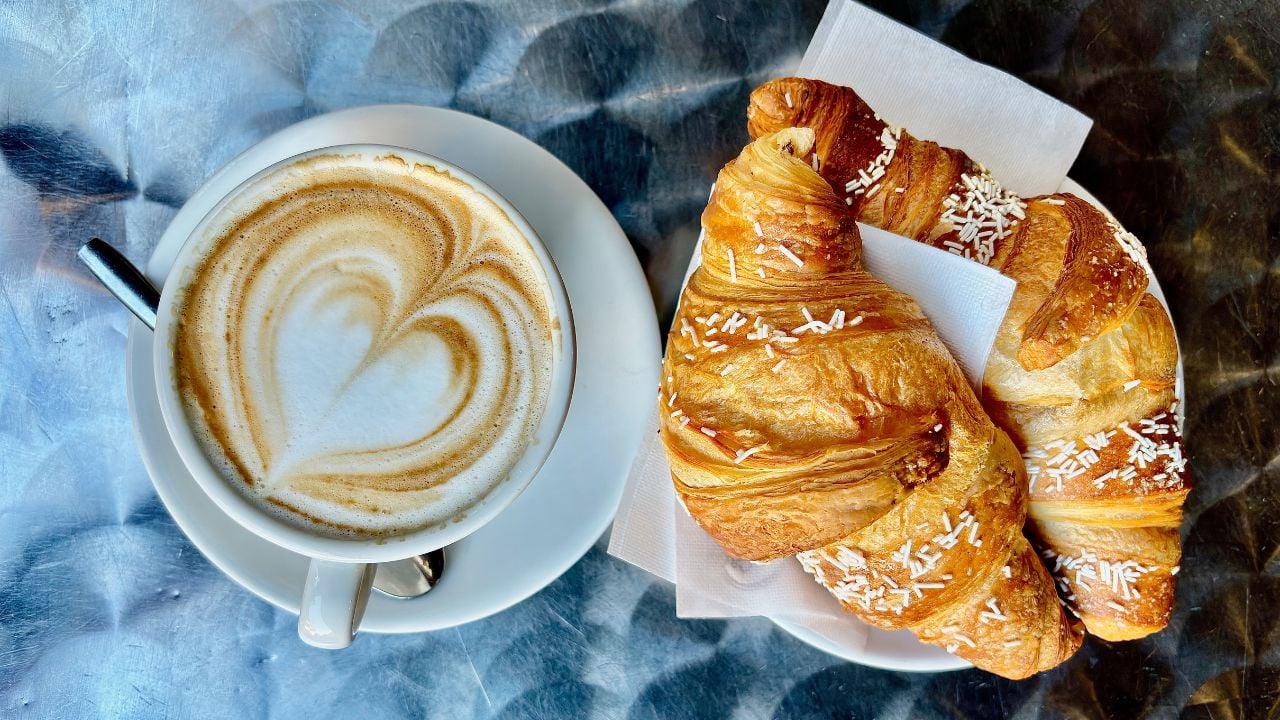
Another easy way to stand out is ordering a cappuccino late in the day. It is not illegal, and many cafés will still make one.
The cultural habit is different from the American all-day latte routine. Eataly’s Italian coffee guide describes cappuccino as part of the morning routine and says ordering it after 11 a.m. can mark someone as a tourist.
A visitor should not feel embarrassed for wanting milk coffee in the afternoon. The point is to understand why the order may feel unusual to locals after lunch.
For the classic Italian rhythm, order cappuccino with breakfast, then switch to un caffè later in the day. That one change makes the café routine much easier to follow.