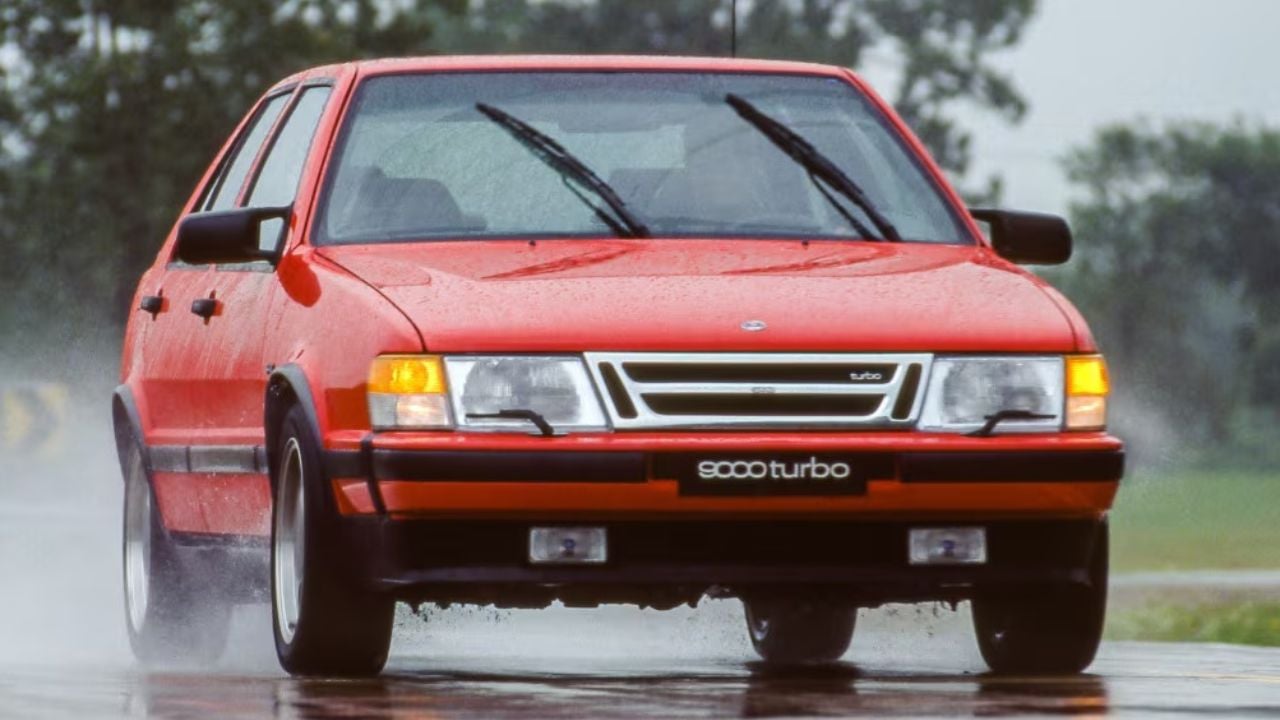
Among the many stories that shaped the European auto industry, few are as intriguing as the unrealized projects of major innovators. One such story comes from Sweden, where Saab once developed an engine that never had the chance to reach the market.
Saab was a brand known for unconventional thinking. Its cars rarely followed the easiest path, and that was exactly why they attracted such loyal buyers.
Although Saab is most often associated with models such as the 9-3 and 9-5, its real technical legacy lies in bringing turbocharging into everyday cars. Behind the scenes, however, the company had even more ambitious plans.
One of those plans was its own V8 engine, created to help Saab strengthen its position in the demanding American market.
The Twin Four Was A Very Saab Idea
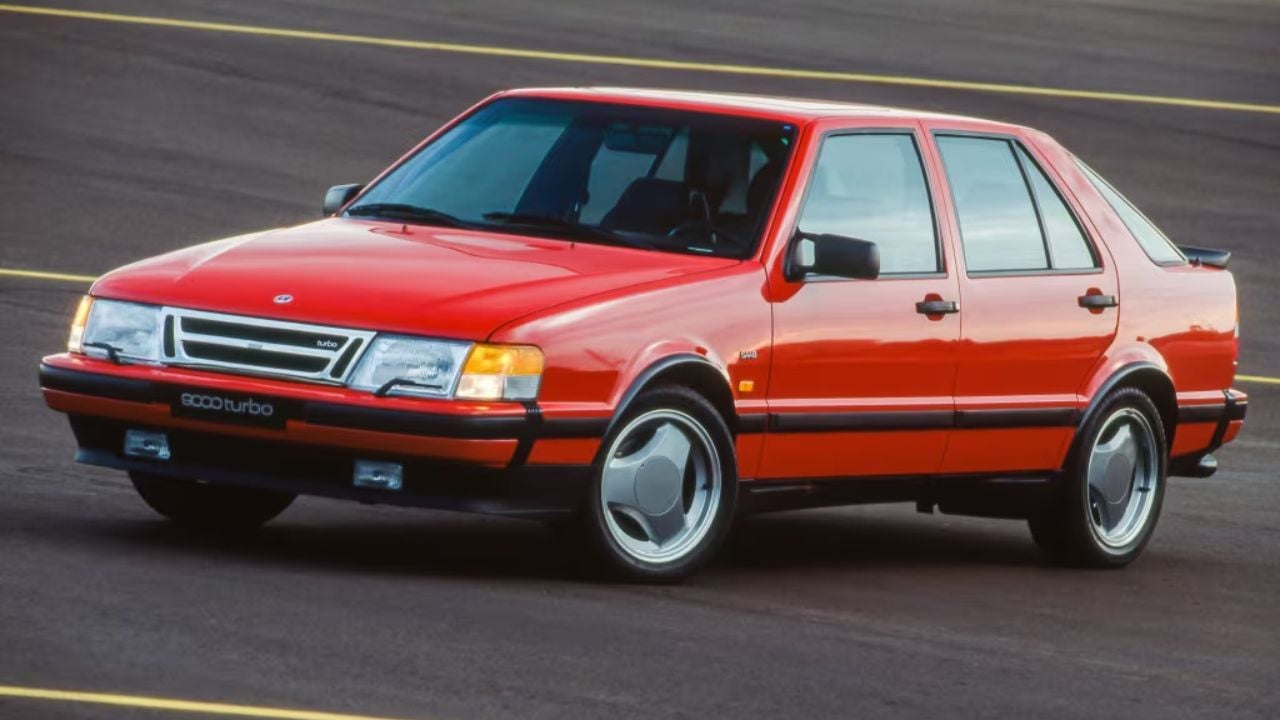
During the 1980s, Saab engineers worked on a project intended for the 9000, the brand’s midsize luxury sedan. Rather than developing an entirely new engine from scratch, they chose an unusual solution.
They combined two inline four-cylinder engines into one compact 244 cubic inch V8, with a 90-degree angle between the cylinder banks. The concept was called Twin Four, and it was exactly the kind of engineering experiment people expected from Saab.
The engine did not use turbochargers because of space limitations, but it still produced around 230 hp. For the time, that was enough for the size and character of the Saab 9000.
A prototype fitted with the engine covered about 40,000 miles during testing, which shows that the project was taken seriously and had reached a meaningful level of technical maturity.
General Motors Changed The Direction
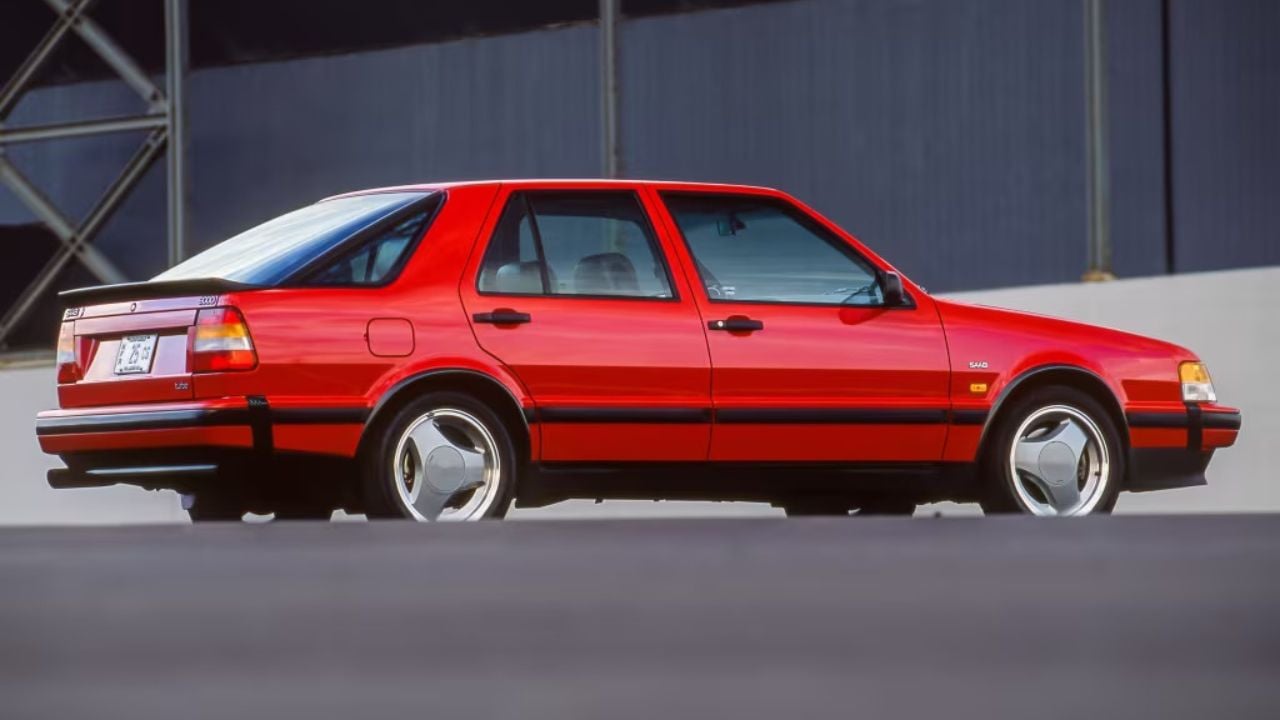
The turning point came in 1989, when General Motors took a 50% stake in Saab and created Saab Automobile AB. Instead of continuing to invest in Saab’s V8, the American giant pushed its own technical solutions.
As a result, the Saab 9000 received a 183-cubic-inch V6 from GM’s engine range in 1995. That decision effectively ended development of the Swedish eight-cylinder engine.
Saab’s fate became even more complicated after General Motors took full control in 2000. The global financial crisis of 2008 forced GM to abandon less profitable brands, which eventually led to Saab’s collapse. There was brief hope when Spyker Cars bought the company in 2010, but that rescue attempt soon failed. One of the major obstacles was GM’s refusal to allow certain cooperation with Chinese investors.
Only A Few Engines Were Built
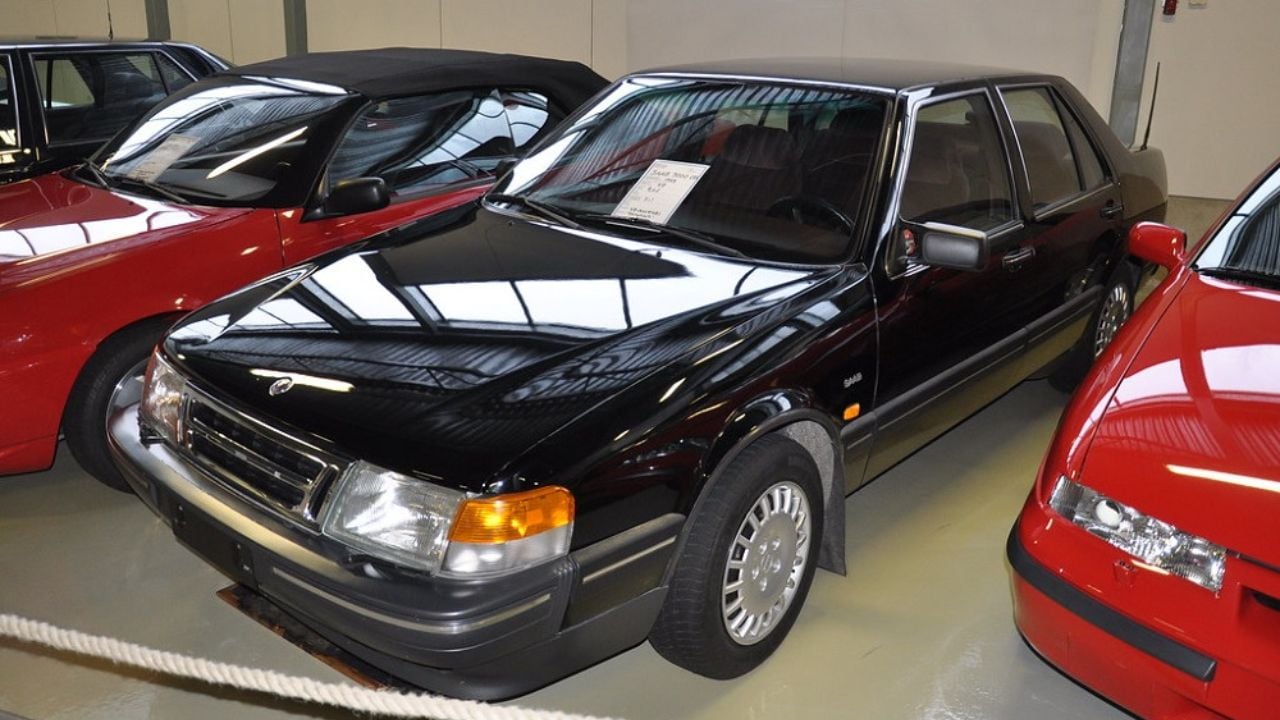
According to available information, only five examples of Saab’s V8 were produced. The only complete prototype car fitted with the engine is now kept at the factory museum in Uusikaupunki, Finland.
The vehicle is still in running condition, although it is almost certain that it will never move beyond its role as a historical exhibit. The story remains a reminder of how bold ideas can sometimes arrive before their moment. It also shows how much the fate of one project can depend on corporate decisions far beyond the engineering department.
For Saab, the V8 could have opened a very different path, especially in the United States. Instead, it became one of the brand’s most fascinating missed opportunities.
In the attached photos, you can see a regular red Saab 9000 with a turbocharged gasoline engine under the hood. The surviving V8 prototype appears in the final photo, finished in black.
This article originally appeared on Autorepublika.com and has been republished with permission by Guessing Headlights. AI-assisted translation was used, followed by human editing and review.