A card reader abroad can look helpful when it flashes a familiar number in U.S. dollars. After a long flight, a crowded café, or a rushed hotel check-in, many Americans choose the dollar total because it removes the mental math.
The problem is dynamic currency conversion, often shortened to DCC. The terminal or ATM offers to convert the purchase into the cardholder’s home currency before the transaction is processed.
That familiar number can cost more than paying in the country’s own currency. The traveler may not notice the difference on one coffee or museum ticket, but repeated dollar choices can add up across hotels, restaurants, taxis, tours, and shopping.
Visa’s dynamic currency conversion guidance says travelers may be offered the choice to pay in their home currency, but that option can include an exchange rate and extra fees. The safer habit is to choose the local currency unless there is a specific reason not to.
1. The Dollar Button Can Lock In a Worse Conversion
Seeing a charge in dollars feels reassuring because the amount is instantly understandable. A traveler in Paris may feel more comfortable approving $42 than estimating what 39 euros will become later.
The screen is not only translating the price. It may be offering a separate conversion service through the merchant, acquirer, or ATM operator.
Mastercard’s DCC guide defines dynamic currency conversion as a service that lets a cardholder choose to complete a cross-border transaction in either the local currency or the cardholder’s billing currency.
One dollar-denominated receipt may not look painful. Hotels, rental cars, tours, designer purchases, and several days of restaurant bills give a weak conversion rate more room to affect the total trip cost.
2. Local Currency Is Usually the Better Button
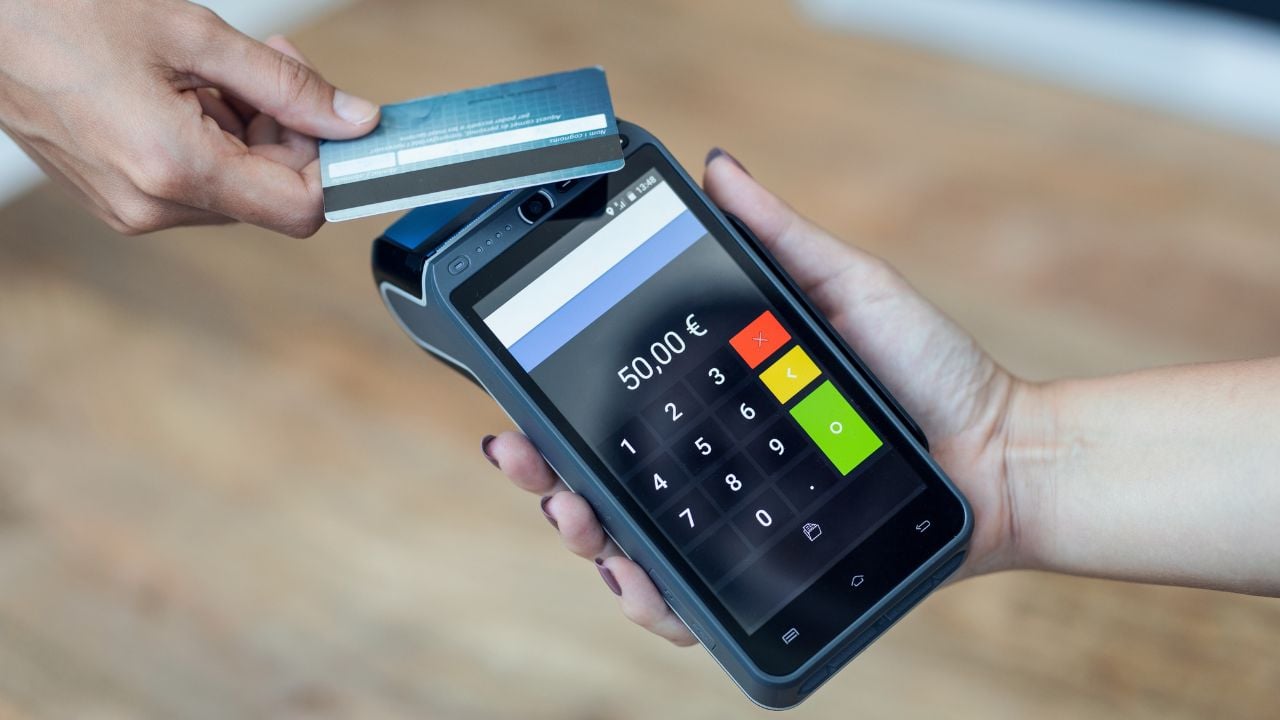
When a terminal asks whether to pay in dollars or in euros, pounds, yen, pesos, or another local currency, the usual move is to choose the local currency.
American Express explains that when a foreign vendor or ATM offers dynamic currency conversion, the customer may be asked whether to continue with conversion in the home currency or the foreign currency. Its guidance says choosing the local currency is the best way to avoid DCC charges.
The charge will still appear on the U.S. card statement in dollars later. The difference is that the conversion is handled through the normal card network or issuer process instead of the merchant’s conversion offer.
Say “local currency, please” before the card reader is turned around. At a self-service kiosk, pause before tapping and look for the option that keeps the transaction in the country’s own money.
3. ATMs Can Use Confusing Wording
Cash machines abroad often make the choice sound more serious than it is. The screen may ask whether to “accept conversion,” “continue with conversion,” or “continue without conversion.”
Declining the ATM’s conversion offer usually does not cancel the cash withdrawal. It means rejecting the machine’s dollar conversion and continuing with the withdrawal in the local currency.
Visa’s DCC guidance applies to purchases and cash withdrawals, so travelers should watch for the same currency choice at ATMs and payment terminals. Mastercard’s DCC guide also includes ATM environments among the places where DCC can be offered.
Read each ATM screen before pressing the green button. Choose local currency, decline the machine’s conversion when prompted, and let the bank or card network handle the exchange after the local-currency withdrawal is processed.
4. A No-Foreign-Fee Card Does Not Block DCC

A credit card with no foreign transaction fee is useful abroad, but it does not stop a traveler from choosing the wrong currency at the terminal.
Foreign transaction fees and dynamic currency conversion are separate issues. The card may waive one type of fee while the merchant’s dollar option still uses its own conversion rate and possible charges.
American Express says credit cards with foreign transaction fees often charge between 1% and 3% of the transaction. It also notes that not all cards charge foreign transaction fees, so travelers should check their card terms.
The strongest setup is a travel-friendly card plus the local-currency habit. Check card fees before leaving, then reject dollar conversion prompts abroad.
5. Read the Screen Before You Tap

The mistake usually happens in a hurry. A traveler sees a dollar total, feels relieved, and approves before noticing the exchange-rate details.
Mastercard’s DCC guide says cardholders must be clearly advised that they can complete the transaction in either the local currency or their billing currency. It also says the offer should not use confusing, biased, or misleading language or formatting.
Those rules do not help much if the traveler taps without reading. Hotel bills, car rentals, expensive dinners, guided tours, and shopping purchases deserve an extra pause.
Look for the two currency choices, choose the local one, and keep the receipt. A basic currency app or rough mental estimate is enough for comparison; the goal is not perfect math, but avoiding the expensive comfort of a familiar dollar total.