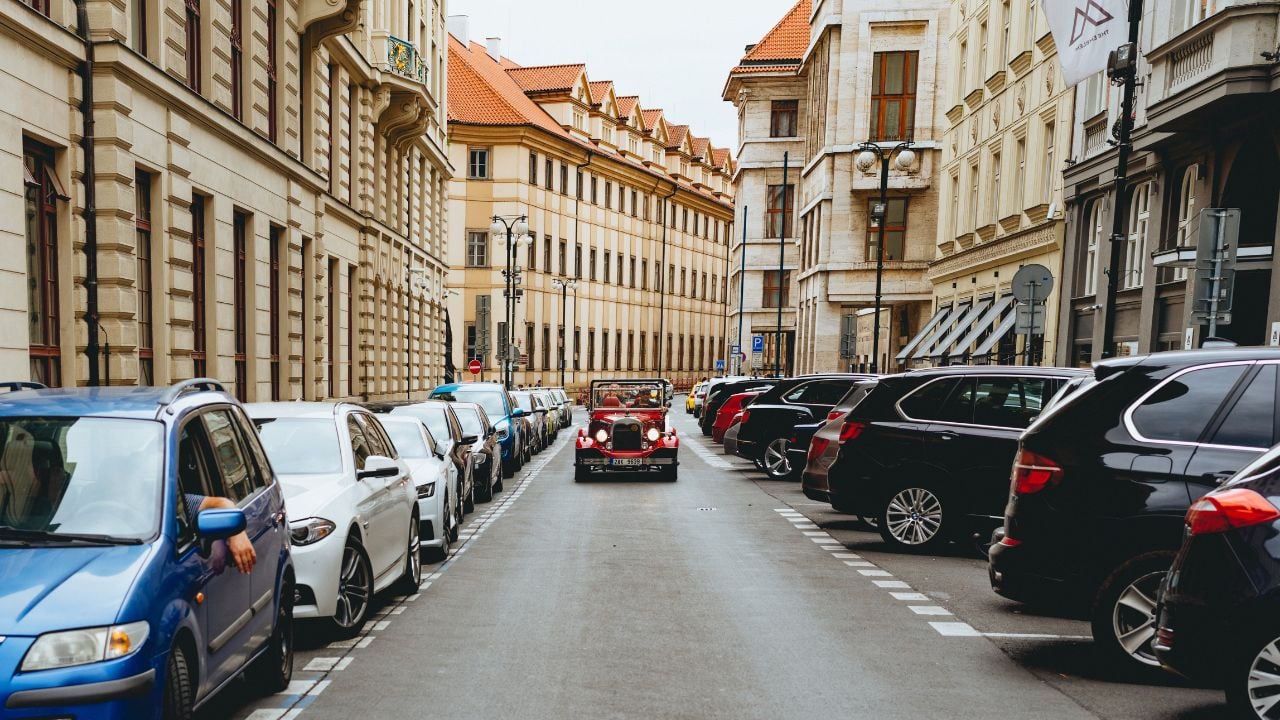
Driving into a European old town can feel harmless at first. The hotel is only a few streets away, the GPS shows a route, and the narrow lane looks like it must lead to parking somewhere.
The problem can appear after the car has already entered. A camera records the license plate, a restricted-zone sign passes too quickly to understand, or a curb marking turns out to be for residents only.
The expensive mistake is trying to park as close as possible before checking whether the car is allowed into the historic center. In many older European cities, central streets were not designed for rental cars, luggage drop-offs, or casual circling.
Confirm access before arrival, ask the hotel or host for the authorized route in writing, and park outside the old town when the rules are unclear. A taxi, tram, bus, or short walk is usually cheaper than a restricted-zone fine.
1. The GPS Can Lead Drivers Straight Into Trouble
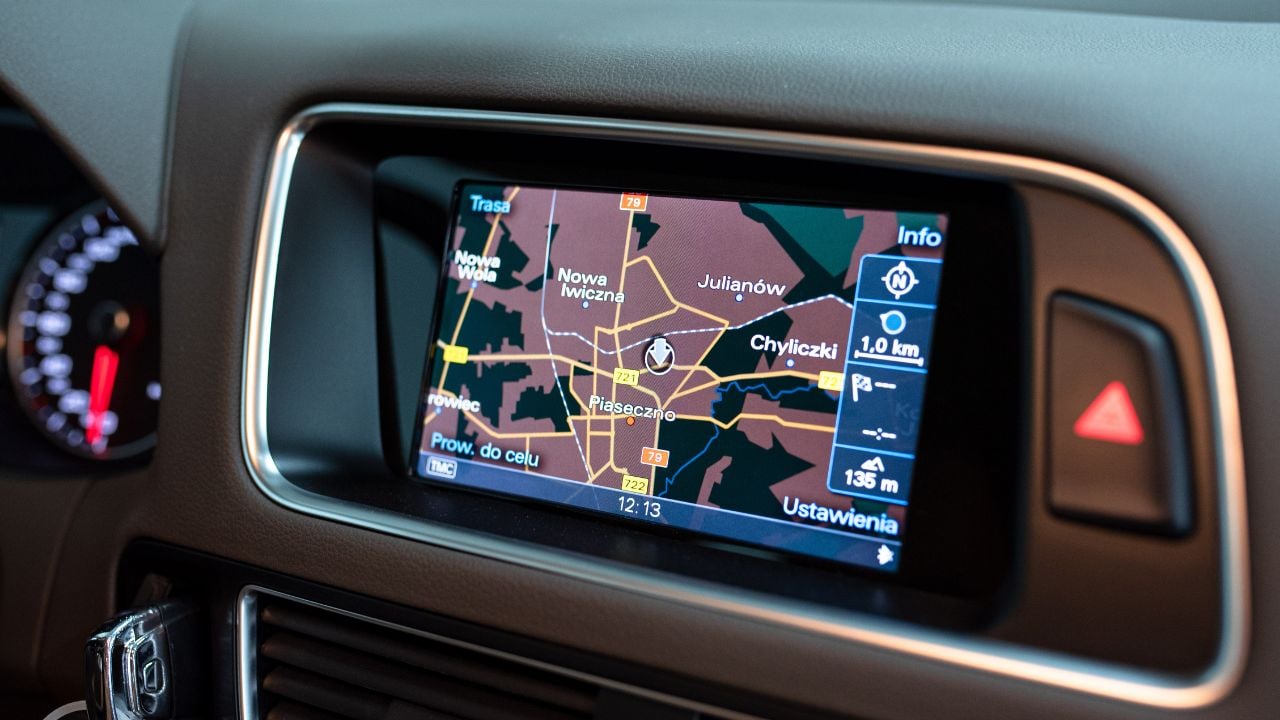
Navigation apps can show a route that is physically open but not legal for a visitor’s car. They may miss local permits, timed restrictions, resident-only streets, camera-controlled entrances, or hotel-specific access routes.
Granada’s official tourism site warns visitors directly: do not trust your GPS when driving in the city center. The same page says traffic is restricted in the center and tells visitors to check which streets are blocked.
Tourists staying in official accommodation inside Granada’s restricted areas may be treated like residents during their stay, but the hotel must be authorized by the Mobility Department. Visitors are told to ask the hotel whether it has permission and which route they must use.
Each accommodation has one authorized access route. Before driving into Granada’s center, get the route from the hotel, follow that route only, and avoid improvising when the GPS suggests a shortcut.
2. Italy’s ZTL Signs Are Easy to Miss and Hard to Fix Later
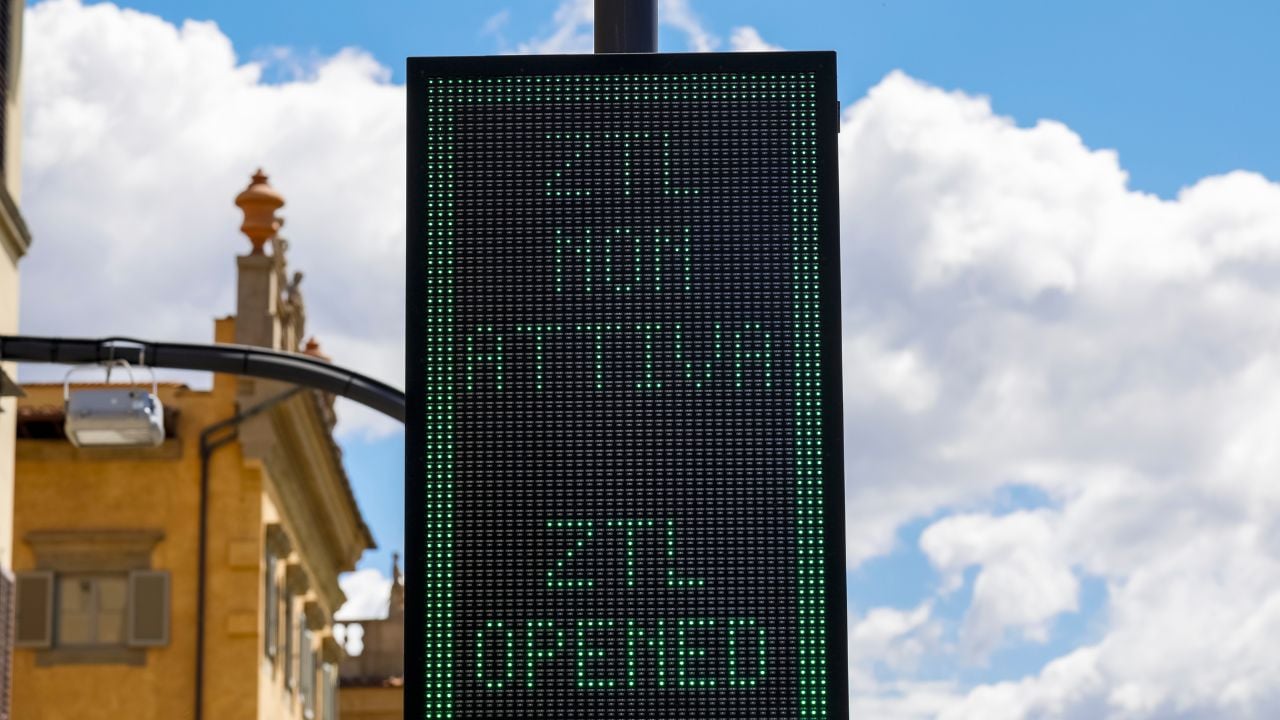
Italy is where many visitors learn this lesson the expensive way. Zona a Traffico Limitato, usually shortened to ZTL, restricts vehicle access in many historic centers.
The European Consumer Centre says around 300 Italian towns and cities have ZTLs. These zones are usually for local residents, registered vehicles, and authorized traffic.
Entrances are marked by signs and monitored by cameras. A tourist may not recognize the sign in time, especially when navigating narrow streets, watching scooters, and looking for the hotel.
A restaurant booking, hotel reservation, nearby rental-car office, or luggage drop-off does not automatically authorize the car. If the destination sits inside a ZTL, confirm the license-plate registration before entering the zone.
3. A Hotel in the Old Town Does Not Always Give the Car Access
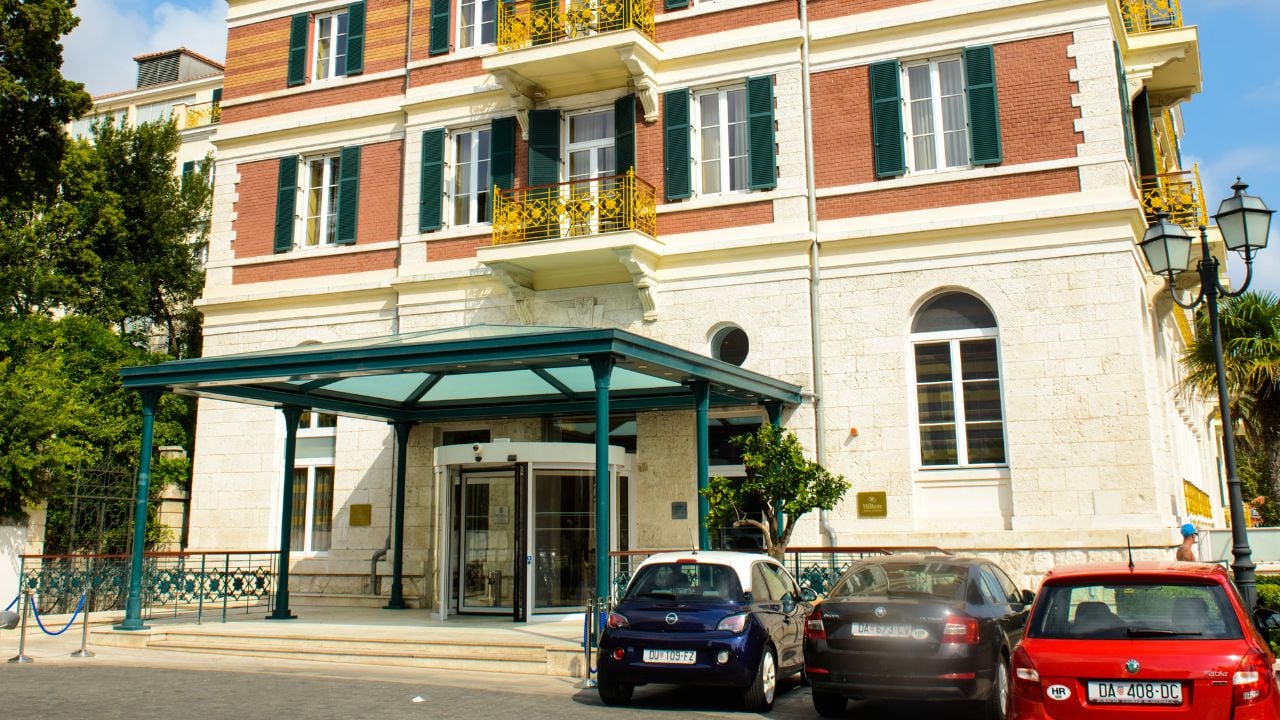
Many tourists assume a central hotel booking gives them permission to drive to the front door. In restricted zones, the permission may depend on license-plate registration, a specific route, or a time-limited access window.
The European Consumer Centre’s Italy ZTL guidance tells hotel guests staying inside a ZTL to ask the hotel to register the number plate for the stay. It also warns drivers not to enter the ZTL until authorization is in place.
The same guidance says authorization for the hotel’s ZTL does not allow the car to drive through every ZTL in the city. One wrong turn can create a separate violation.
Before arrival, send the hotel the rental-car plate number, ask for written confirmation that registration is complete, and request the exact permitted route. Do not enter first and ask the front desk afterward.
4. Colored Parking Zones Can Catch Visitors After They Park
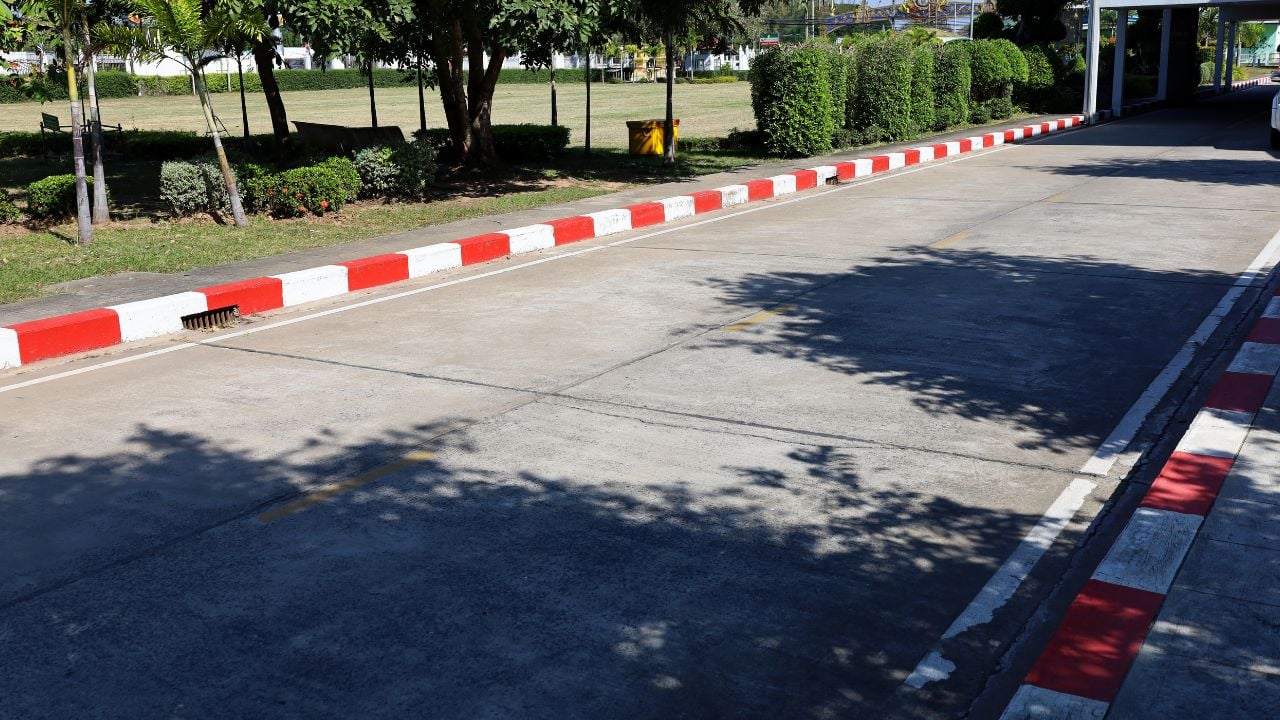
Even when driving into the center is legal, the parking spot may not be. Many European cities use colored parking zones for residents, short-term visitors, mixed-use parking, paid parking, and permit-only spaces.
Prague’s official parking site says selected streets are divided into blue, purple, and orange zones. Each zone has its own conditions, shown on road signs or parking machines.
Blue zones are mainly for residents and permit holders, though short-term visitor parking may be possible through the virtual parking meter under posted conditions. Purple zones and orange zones have their own time and payment rules.
Do not guess from the color alone. Read the sign, check the parking machine, or use the city’s official parking system before leaving the car. An open space is not the same thing as a legal space.
5. Dubrovnik Shows How Fast Access Rules Can Get Expensive
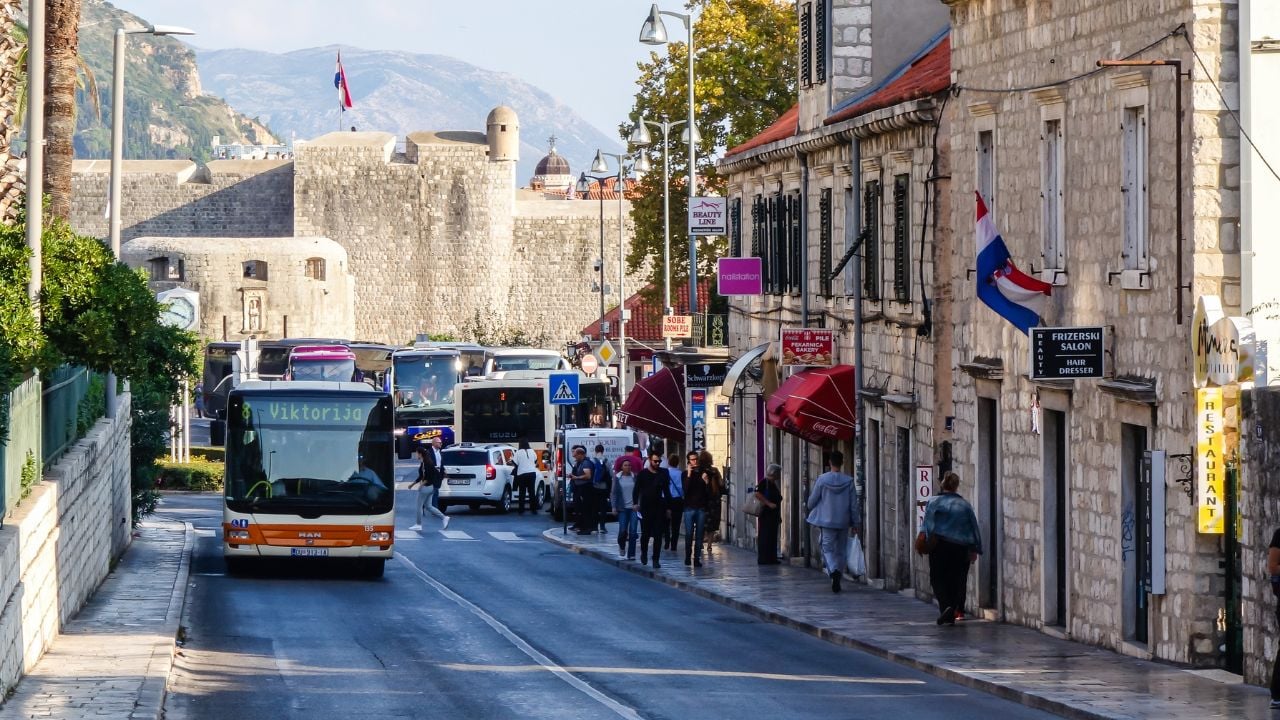
Dubrovnik looks like a place where drivers might get close to the Old Town gates, unload bags, and solve parking afterward. That approach now carries serious risk.
ECC Germany says Dubrovnik’s restricted zone has been in place since June 2025 to protect the historic center and reduce traffic. From March 1 to November 30, entry is allowed only under certain conditions, with signs, LED displays, traffic lights, and cameras marking the restrictions.
Entering without registration can be costly. ECC Germany says the fine is €260 for private cars, while hire-car cases can exceed €1,600 because the notice may first go to the rental company.
Dubrovnik’s tourism office says visitors should confirm with the host whether access and parking can be secured before arrival. The city also has prepaid parking reservations at Pile and the Cable Car lower platform, and vehicles with an advance booking are automatically recognized by the system.
Anyone arriving by rental car should arrange access before driving toward the Old Town. If the hotel or host cannot confirm registration, park outside the restricted zone and use a taxi, bus, or walk for the final stretch.