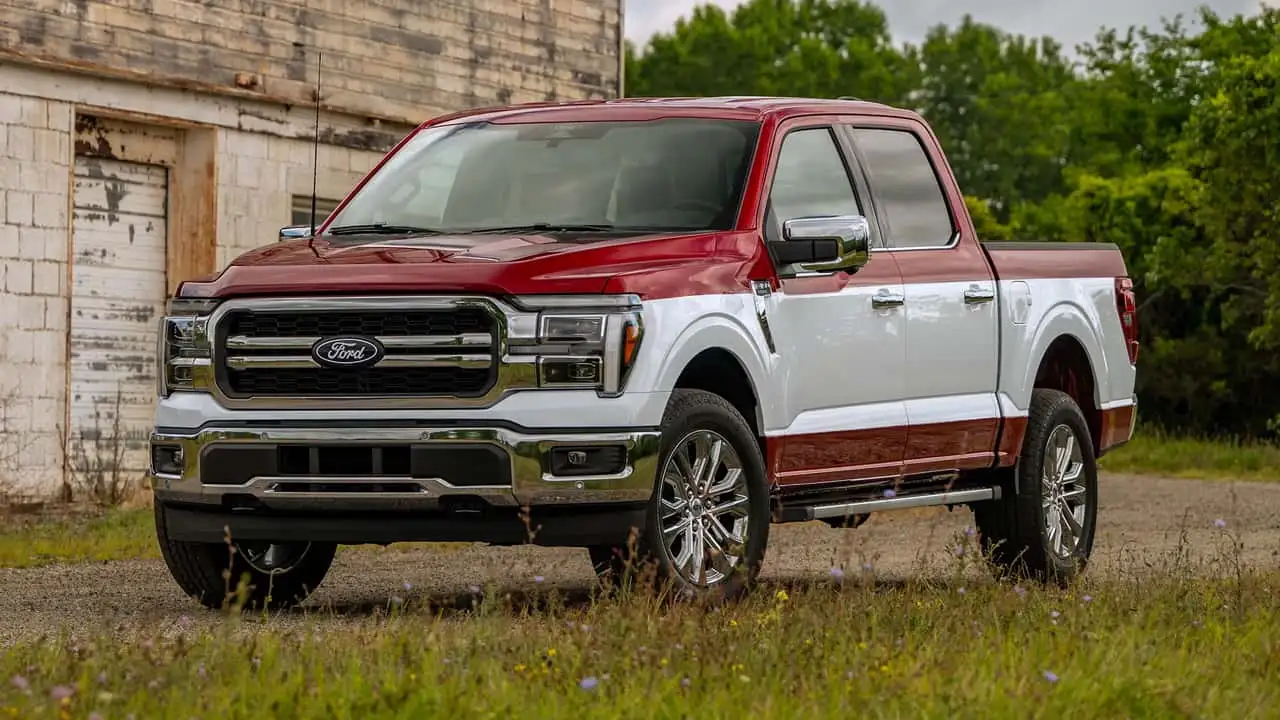
America loves trucks and SUVs, but according to the federal government, many vehicles classified as trucks aren’t really trucks at all. That’s about to change under new rules from the National Highway Traffic Safety Administration (NHTSA).
As reported by the Detroit News, the agency is revising how passenger cars and light trucks are classified for federal fuel-economy regulations. Starting with the 2030 model year, many SUVs and crossovers that currently qualify as light trucks could instead be classified as passenger cars.
Automakers have spent decades benefiting from the more lenient fuel-economy requirements traditionally applied to trucks, making this a substantial change in how their vehicles are classified. Vehicles primarily designed to transport passengers have often qualified for the same regulatory category as more capable workhorses.
The revised definitions are part of the Trump administration’s effort to relax Corporate Average Fuel Economy (CAFE) standards. However, the reclassification could create unexpected complications for automakers, particularly when deciding where to manufacture their vehicles.
Not Every SUV Will Count As A Truck
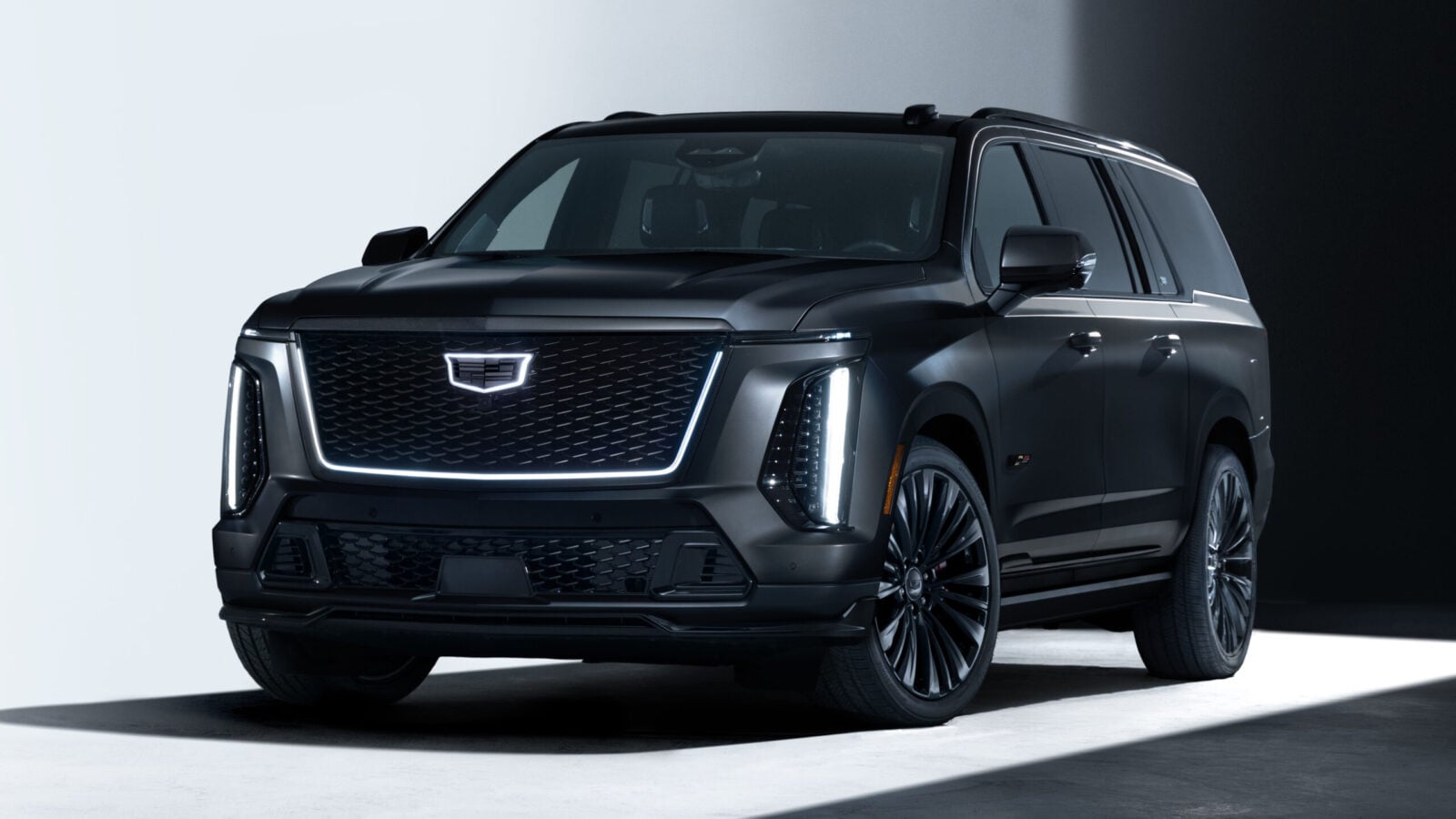
Under the existing system, approximately 70 percent of light-duty vehicles qualify as trucks, even though many are primarily designed for everyday passenger transportation. NHTSA argues that the classification no longer accurately reflects how these vehicles are used.
The new criteria place greater emphasis on genuine truck capabilities, including ground clearance, approach angles, towing capacity, and payload. NHTSA estimates the resulting classification could effectively reverse today’s proportions, leaving roughly 70 percent of vehicles categorized as cars and 30 percent as trucks.
Fuel Economy Rules Are Getting Looser
The changes accompany a reduction in federal fuel-economy targets, with the projected fleetwide average for the 2031 model year dropping from approximately 50.4 mpg under the previous framework to 34.9 mpg. That means automakers could face less pressure to improve efficiency in the immediate future.
However, the distinction between cars and trucks is still important because the categories face different compliance requirements. If a future administration tightens fuel-economy standards again, vehicles reclassified as passenger cars could become more challenging to keep compliant.
Could This Push Production Overseas?

According to Automotive News, one potential consequence involves how CAFE regulations treat domestically manufactured and imported passenger cars. Domestic passenger-car fleets face a separate minimum compliance requirement, creating incentives that can influence where automakers choose to build vehicles.
Industry analysts warn that manufacturers could potentially relocate some production overseas to take advantage of those differences. Such decisions would depend on future regulations and economics, but the possibility reveals an unintended consequence of redefining America’s trucks.
A Major Change With Uncertain Consequences
The new classification rules don’t mean existing SUVs will suddenly become sedans or lose their capabilities. Instead, they’ll change how those vehicles are counted when manufacturers calculate compliance with federal fuel-economy standards.
The relaxed fuel-economy standards may make the changes easier for automakers to handle initially. However, if stricter rules return in the future, manufacturers could find themselves reconsidering where they build certain vehicles to avoid higher compliance costs.