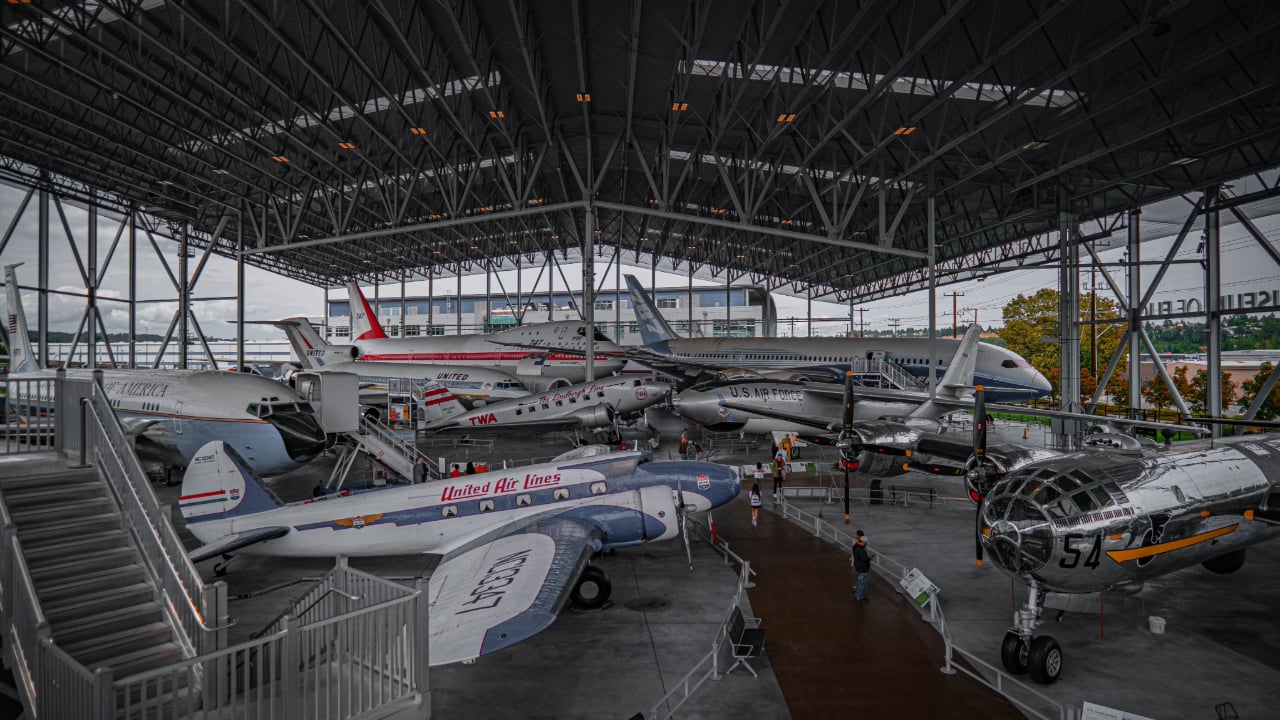
The United States is basically a playground for anyone who loves aviation. You’ll find some of the world’s most incredible air and space museums scattered all over the country, from coast to coast. These places don’t just line up old planes on display; they actually make the story of flight feel alive.
You can see everything: delicate early airplanes, sleek modern jets, and even real-life spacecraft that pushed boundaries. What really makes these museums special isn’t just the massive collections; it’s how they tie together the nuts-and-bolts of technology with the big dreams that drove people to fly in the first place.
Whether you’re walking under giant bombers, stepping inside famous aircraft, or getting close to machines that literally changed history, the whole experience just sticks with you. Honestly, if you’re even a little curious about airplanes, you owe it to yourself to check these museums out. They belong on any travel list.
National Museum of the United States Air Force (Dayton, Ohio)
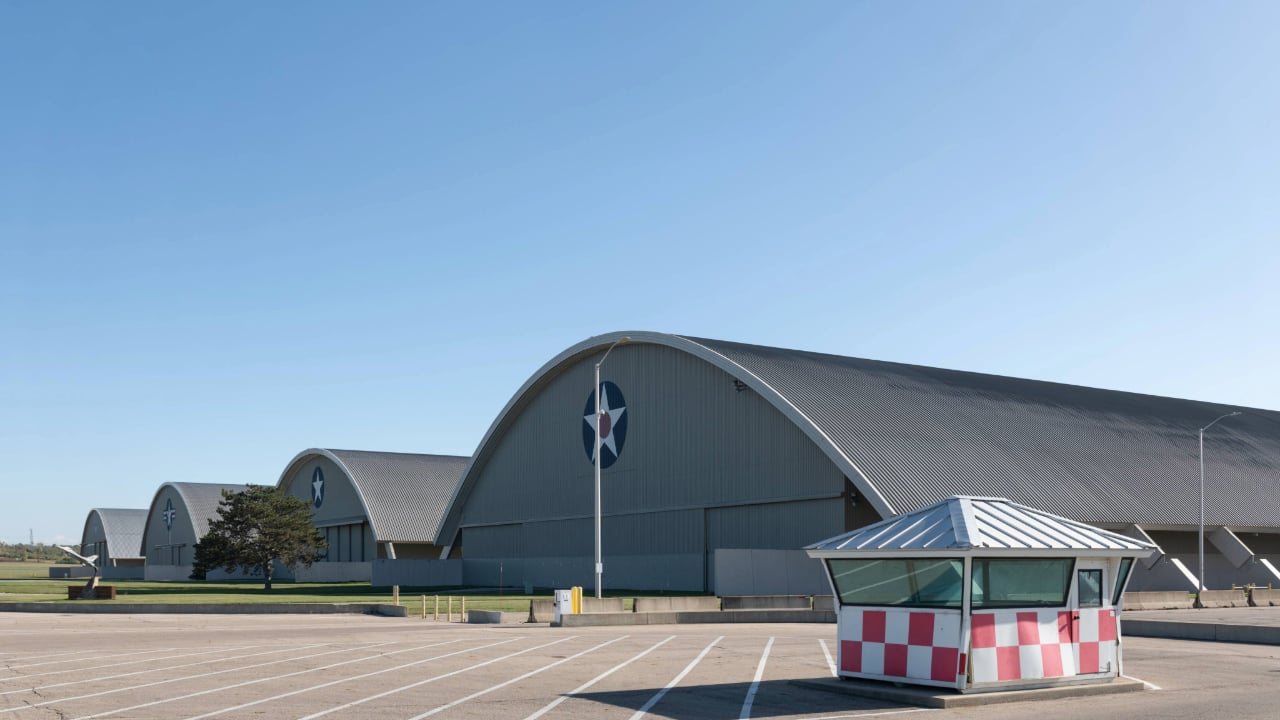
The National Museum of the United States Air Force isn’t just a museum. It’s more like an entire world dedicated to aviation. Walk through its sprawling hangars and you’ll explore hundreds of aircraft, each with its own story, stretching from World War I biplanes all the way to the latest stealth fighters.
One minute you’re craning your neck under a massive bomber, the next you’re face to face with Cold War legends, and yes, you can actually step inside planes once used by presidents. The place is huge, but it doesn’t overwhelm you.
Everything is arranged in a way that makes sense, with clear stories guiding you from one era to the next. Whether you show up out of casual curiosity or you’re a full on aviation fanatic, this museum pulls you right into history and gives it new life.
Smithsonian National Air and Space Museum (Washington, D.C.)
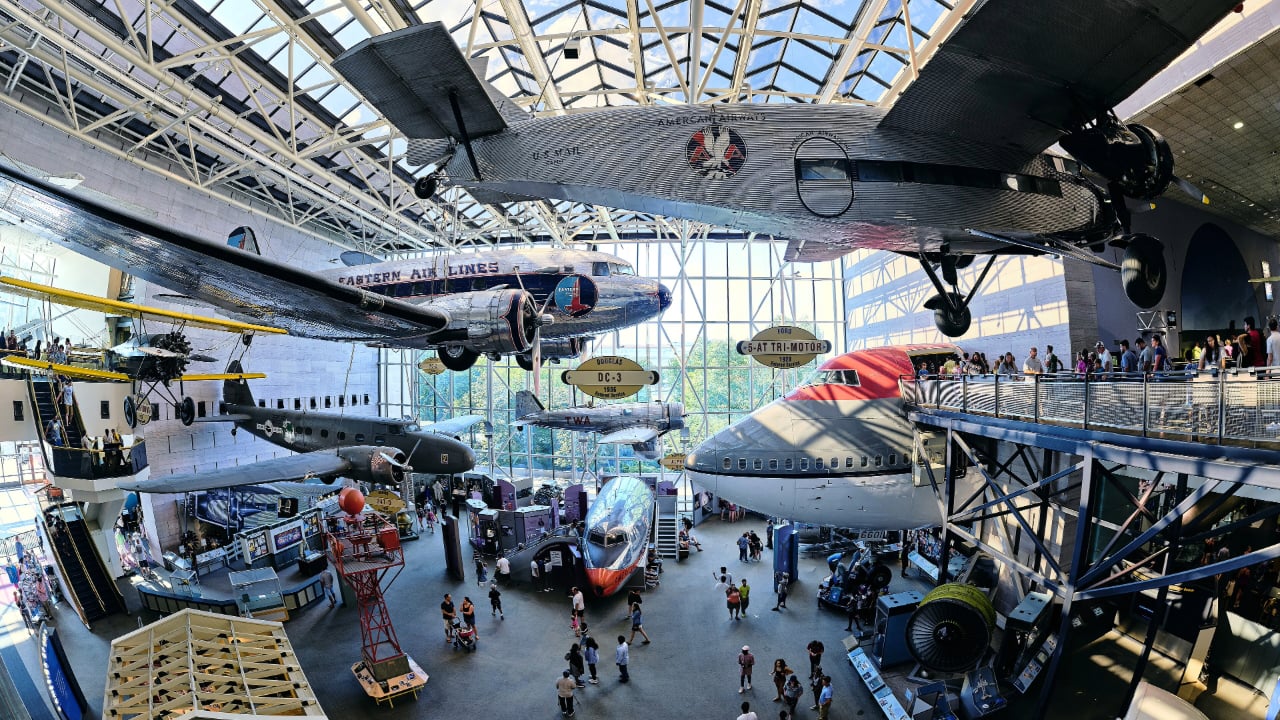
Then there’s the Smithsonian National Air and Space Museum. It’s one of the most popular museums in the world, no question, and it earns its esteemed reputation. Sitting right on the National Mall, the experience is packed but surprisingly easy to navigate.
You can stare at the original Wright Flyer, the birth of powered flight, and then move forward decades to spacecraft that left Earth behind. The Smithsonian does a beautiful job blending the nuts and bolts of flying machines with the dreams and ambition behind them.
The interactive exhibits draw in kids and adults alike, and the artifacts leave you awestruck. It’s not just about cool airplanes and rockets. It celebrates the people and their drive to conquer the sky.
Steven F. Udvar-Hazy Center (Virginia)
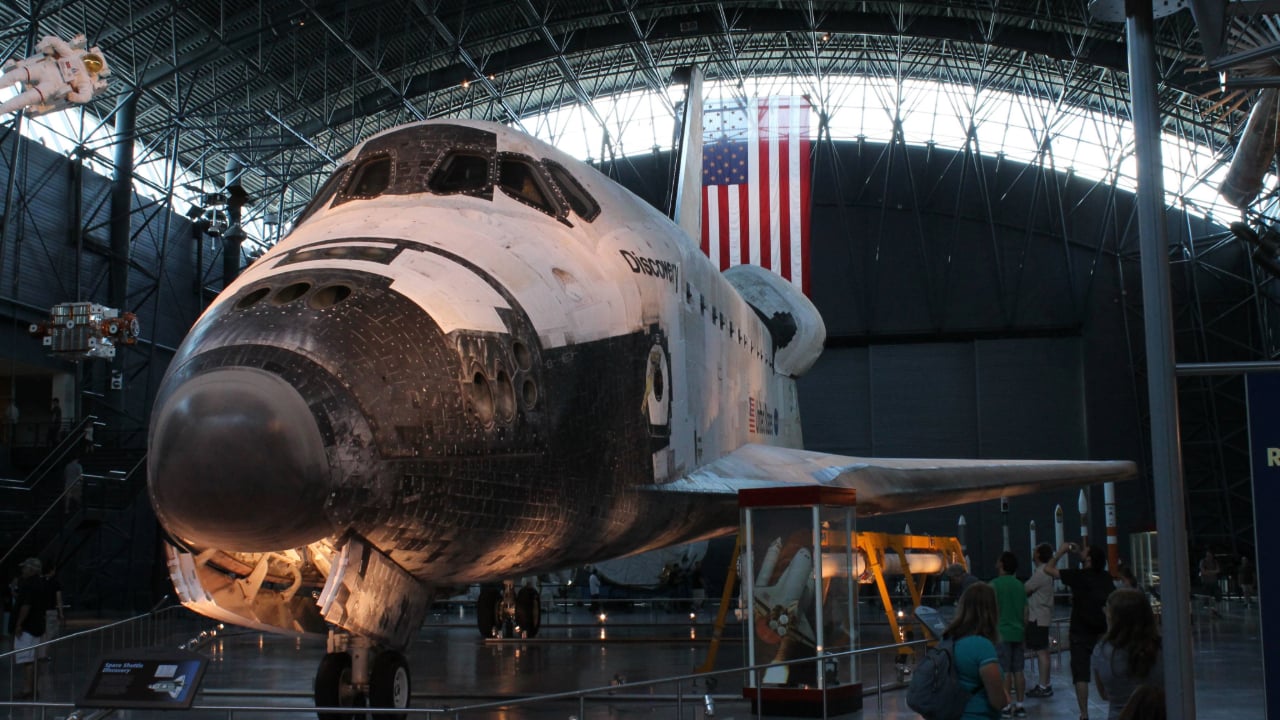
Just outside DC, the Steven F. Udvar-Hazy Center takes things up a notch. It’s part of the Smithsonian, but on a completely different scale. Walk into the hangar and you will probably stop in your tracks.
Aircraft hang overhead and stretch out across a huge open floor. You will find the Space Shuttle Discovery, the SR 71 Blackbird, and even a Concorde, all displayed so you can really see how massive these machines are.
The setup invites you to explore, with viewing platforms and wide sightlines, so you never feel stuck or crowded. It feels more like stepping into a giant time capsule than visiting a typical museum. You get a sense of just how big and ambitious the history of flight really is.
Museum of Flight (Seattle, Washington)
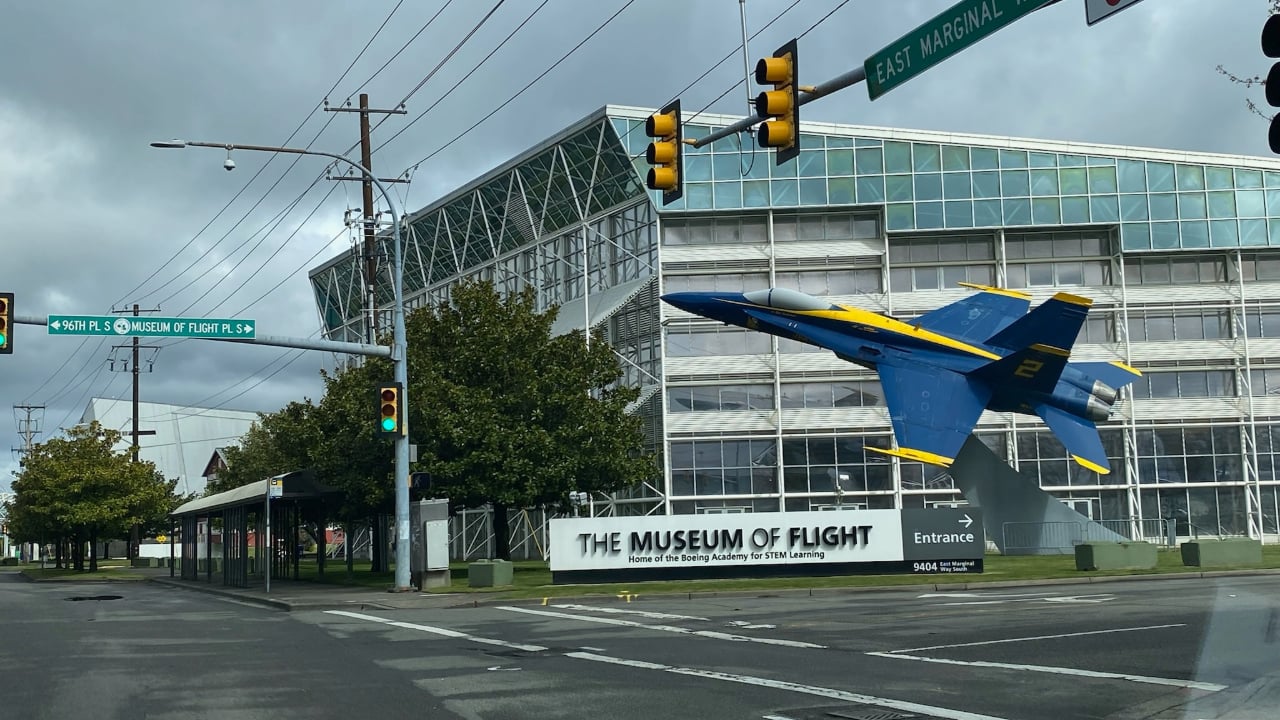
Head to Seattle and you’ll find the Museum of Flight, right in the heart of a city that helped build the world’s airplanes. The city’s Boeing roots run deep, and you’ll see that everywhere in the museum.
Here, commercial flight history meets military and space exploration. Walk through a Concorde, learn about early jetliners, and see how modern air travel took shape. The exhibits are arranged so you actually understand how aviation changed the world.
There is a real sense of place. The museum almost feels like it is part of Seattle’s DNA. It has plenty for aviation enthusiasts but still captures the attention of anyone with even a passing interest.
Pima Air & Space Museum (Tuscon, Arizona)
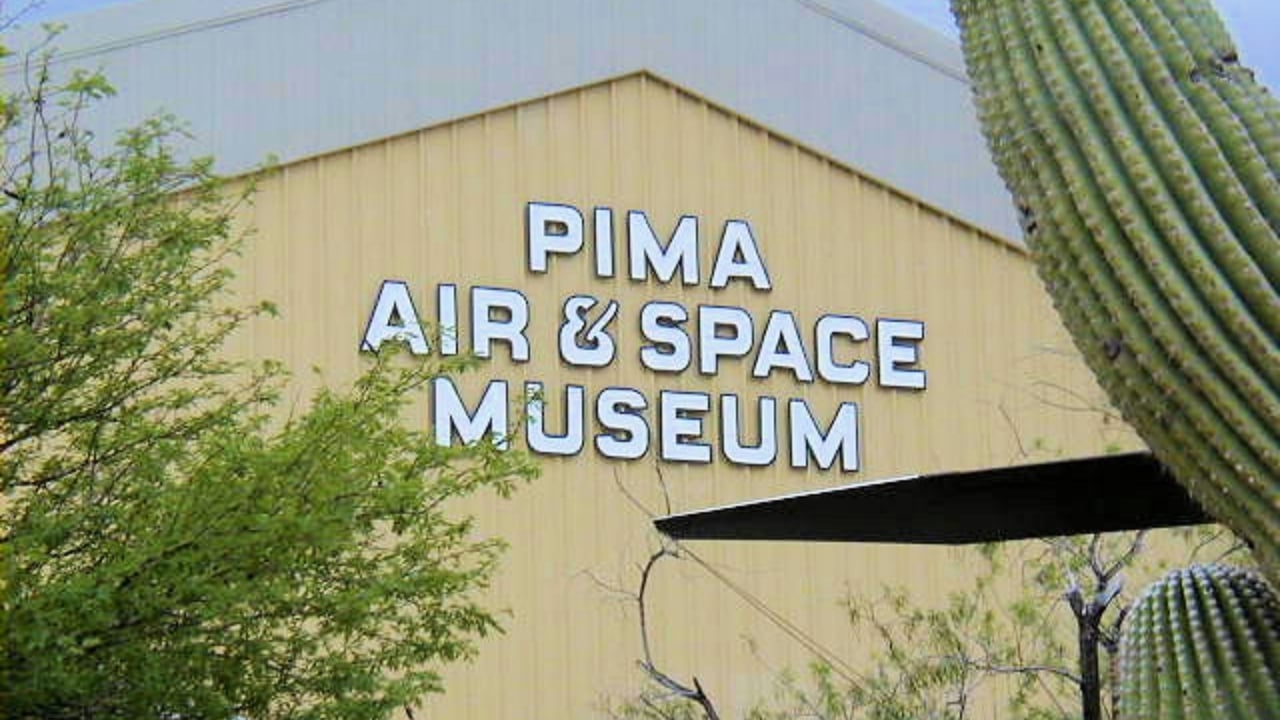
Head to Arizona to the Pima Air & Space Museum, which sits out in the open under huge desert skies. A lot of the planes are outdoors, which gives the whole place a fresh, expansive feel.
The dry air keeps the aircraft in amazing condition, so you get to see details that might be lost somewhere else. The museum is close to the legendary Boneyard, where retired military planes are stored, adding a unique layer to the visit.
Wandering around, you get a real sense of both the history and sheer scale of aviation. It is interactive, immersive, and connects you to the story in ways that indoor museums often cannot.
USS Midway Museum (San Diego, California)

The USS Midway Museum brings a whole new twist by putting aviation at sea. Everything is onboard a historic aircraft carrier, so you are not just looking at planes. You are walking the same decks sailors and pilots once did.
The flight deck overlooks the ocean, lined with jets, and inside, the hangar, crew quarters, and control rooms give you a glimpse into life aboard the ship.
This mix of naval and aviation history makes it special. You do not just learn. You actually feel what it was like to live and work here, surrounded by stories from decades of adventure, courage, teamwork, and remarkable moments in naval aviation history.
Strategic Air Command & Aerospace Museum (Nebraska)
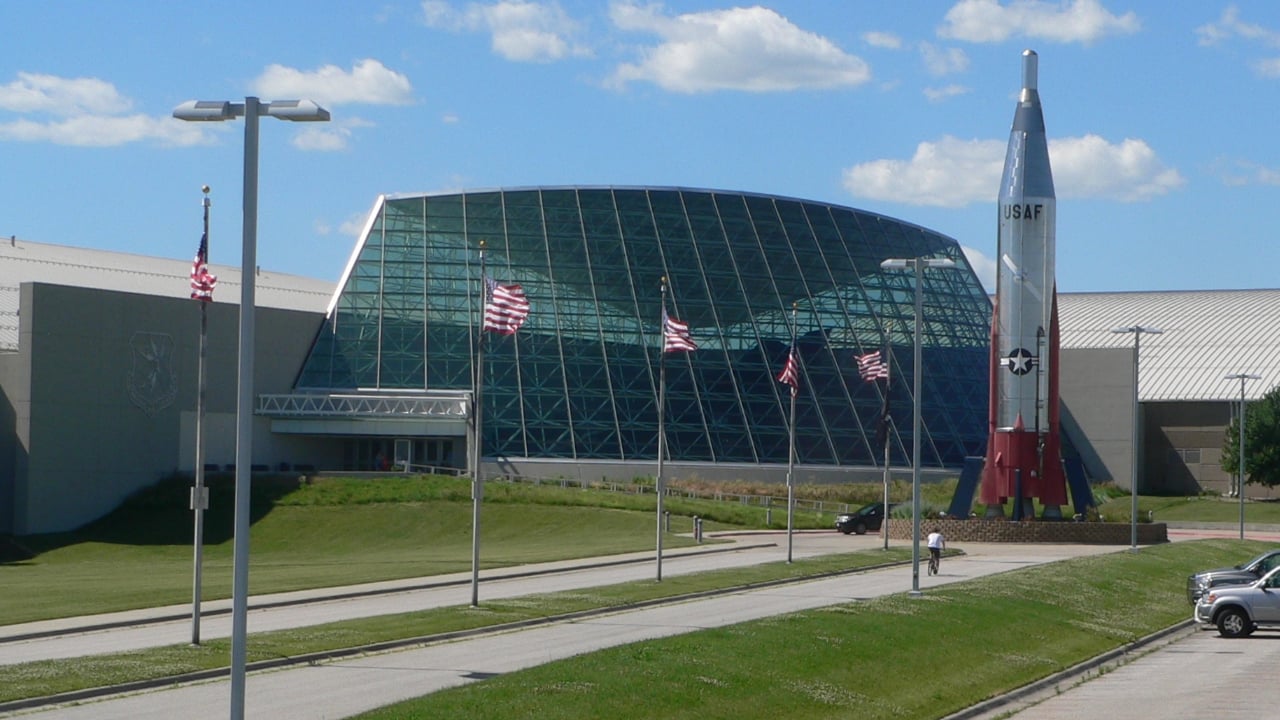
Finally, the Strategic Air Command & Aerospace Museum focuses on a very intense slice of aviation history, the Cold War. The museum centers around giant bombers, spy planes, and missile systems, all housed in a spacious hangar that lets you really take in their size and importance.
It is quieter than some of the larger museums, almost contemplative, and you are free to wander and take your time.
This place is as much about the tension and technology of the era as it is about the machines themselves, leaving you with a deeper understanding of the history that shaped the world and continues to influence global security today.