When someone says “beautiful car,” your brain probably jumps to a Ferrari 250 GTO or a Jaguar E-Type, not the brand that gave us the diesel scandal and cars depreciating faster than your meme coin portfolio. However, here’s the thing about Volkswagen: they’ve been quietly crafting automotive eye candy for decades while everyone was busy drooling over Italian exotica.
Volkswagen’s story isn’t just about Ferdinand Porsche’s “people’s car” or that little bug whose classic version stayed in production into 2003. It’s about a German automaker that somehow figured out how to make cars that are simultaneously practical, reliable, and drop-dead gorgeous, a trifecta that would make Toyota engineers weep into their beige Corollas.
The beauty of Volkswagen design lies in its restraint. While other manufacturers were busy slapping chrome wings and fake air vents on everything, VW was perfecting the art of saying more with less. Their designers understood something fundamental: true beauty doesn’t need to scream. It just needs to be right.
Revealing the Designs That Define Volkswagen’s Beauty

Selecting the most beautiful Volkswagens required the precision of a German engineer and the passion of an Italian stylist. Trust me, it’s a bit tricky when so many VWs are, well, not visually appealing. Just be glad that I made the sacrifice of looking through them to show you the real stunners, so you didn’t have to suffer along with me.
We chose these VWs specifically for their design harmony, cultural impact, and whether they made us consider selling our own car to get one. It couldn’t be a forgettable car and had to evoke an emotional response from its sheer beauty alone.
We landed on 14 cars because, frankly, that’s where the beauty stops. VW has made plenty of cars that are perfectly functional but about as attractive as a tax audit. We could’ve stretched to 20, but that would’ve meant including the Routan minivan, and nobody needs that kind of disappointment in their life.
Each selection represents a moment when Volkswagen’s designers got everything right, proportion, stance, details, and that intangible quality that makes you slow down for a second look. These aren’t just cars; they’re proof that the Germans can do emotion just as well as efficiency.
Volkswagen Karmann Ghia

The Karmann Ghia is what happens when German engineering meets Italian passion in a design studio that clearly had excellent coffee. Built on the Beetle’s humble chassis but draped in bodywork that would make a Milan fashion designer jealous, the Karmann Ghia proved that you could turn a people’s car into poetry.
Those flowing curves weren’t just pretty, they were mathematically perfect, with proportions that would make a golden ratio enthusiast weep with joy. The cab-forward stance and that low roughly 52-inch height gave it a presence that could stop traffic, even if its engines, which ranged from about 30 to about 50 horsepower depending on year, couldn’t exactly participate in said traffic.
Inside, VW kept things minimalist because, let’s face it, they had to. But sometimes constraints breed creativity. The result was a cabin that felt more like a pilot’s cockpit than a car interior, purposeful, clean, and undeniably cool. The Karmann Ghia didn’t need racing stripes or hood scoops because it was already perfect.
It’s the automotive version of a well-tailored suit: understated, elegant, and timeless.
Volkswagen Beetle (Classic)

Let’s address the elephant in the room: yes, the Beetle looks like a friendly bug, and yes, that was probably intentional. But that “bug-like” appearance is actually the result of brilliant aerodynamic engineering wrapped in a package that radiates pure charm.
The Beetle’s beauty lies in its mathematical precision disguised as whimsy. That distinctive 94.5-inch wheelbase and roughly 60.5-inch width create proportions that are instantly recognizable from any angle. The symmetrical design, with identical curves front and rear, gives it a visual balance that most modern cars can only dream of achieving.
Those bulbous fenders aren’t just cute; they’re functional, housing the headlights and providing optimal airflow over the rear-mounted, air-cooled engine. The chrome bumpers and hubcaps add just enough sparkle without turning the car into a jewelry store display case. Inside, the dashboard’s clean lines and intuitive layout prove that good design doesn’t need to be complicated.
The Beetle outlasted disco, survived the Reagan administration, and somehow made it through the ’90s without looking dated. That’s not luck, that’s design genius. For decades, it was the world’s sales benchmark, but the Toyota Corolla has held the best-selling nameplate title since 1997, and the Beetle still made people smile every time they saw one.
Volkswagen Golf Mk1
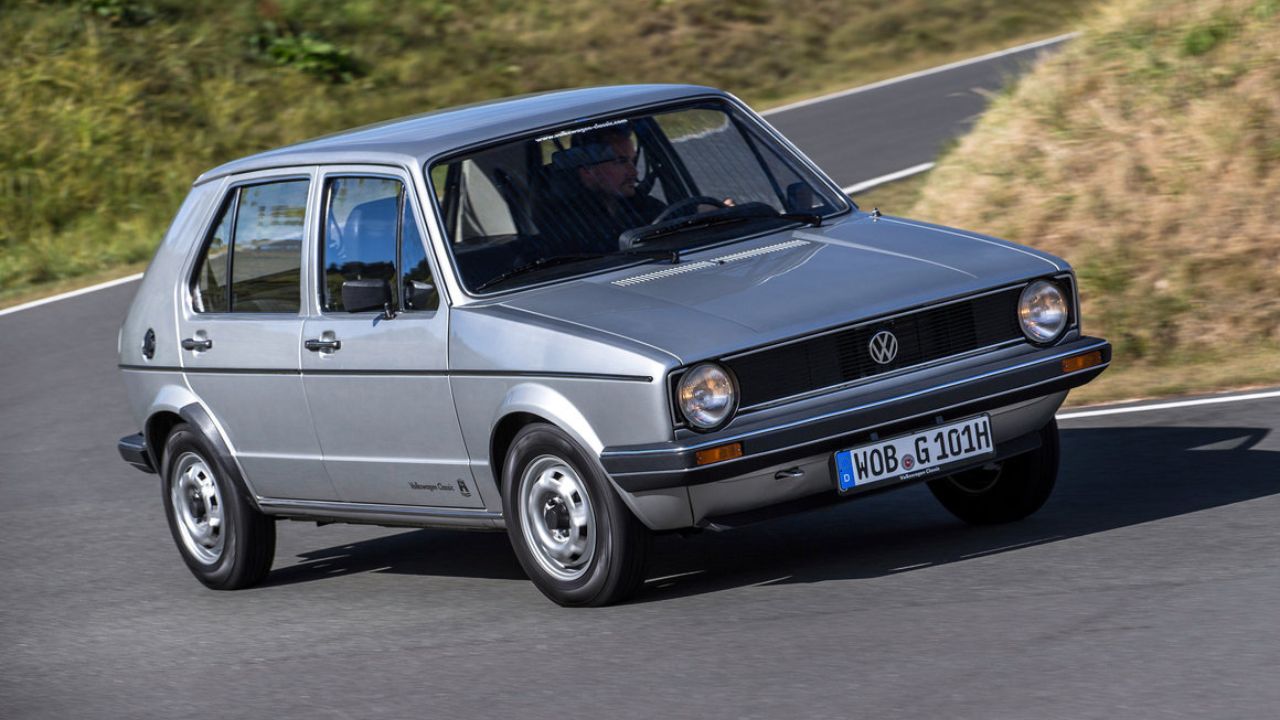
When Giorgetto Giugiaro designed the original Golf, he basically said, “Screw curves, let’s make angles sultry.” And you know what? It worked. The Mk1 Golf took the radical approach of making a car that looked fast even when parked, despite having all the aerodynamic efficiency of a brick.
Those crisp, geometric lines weren’t just style, they were function. The upright A-pillars and large greenhouse provided excellent visibility, while the 94.5-inch wheelbase and 55.3-inch height created a perfectly balanced stance. The thin grille and rectangular headlights gave it a face that was both friendly and purposeful, like a German shepherd wearing reading glasses.
The Golf Mk1’s interior was a masterclass in ergonomic design. Everything fell into place naturally, the sight lines were perfect, and the controls actually made sense, revolutionary concepts that somehow escaped most car manufacturers of the era. The dashboard’s horizontal lines made the cabin feel spacious despite the compact dimensions.
This wasn’t just a pretty car; it was a paradigm shift. The Golf Mk1 created the modern hatchback template and proved that practical could be beautiful. Every Focus, Civic, and Corolla since has been chasing this design’s shadow.
Volkswagen Type 2 Microbus
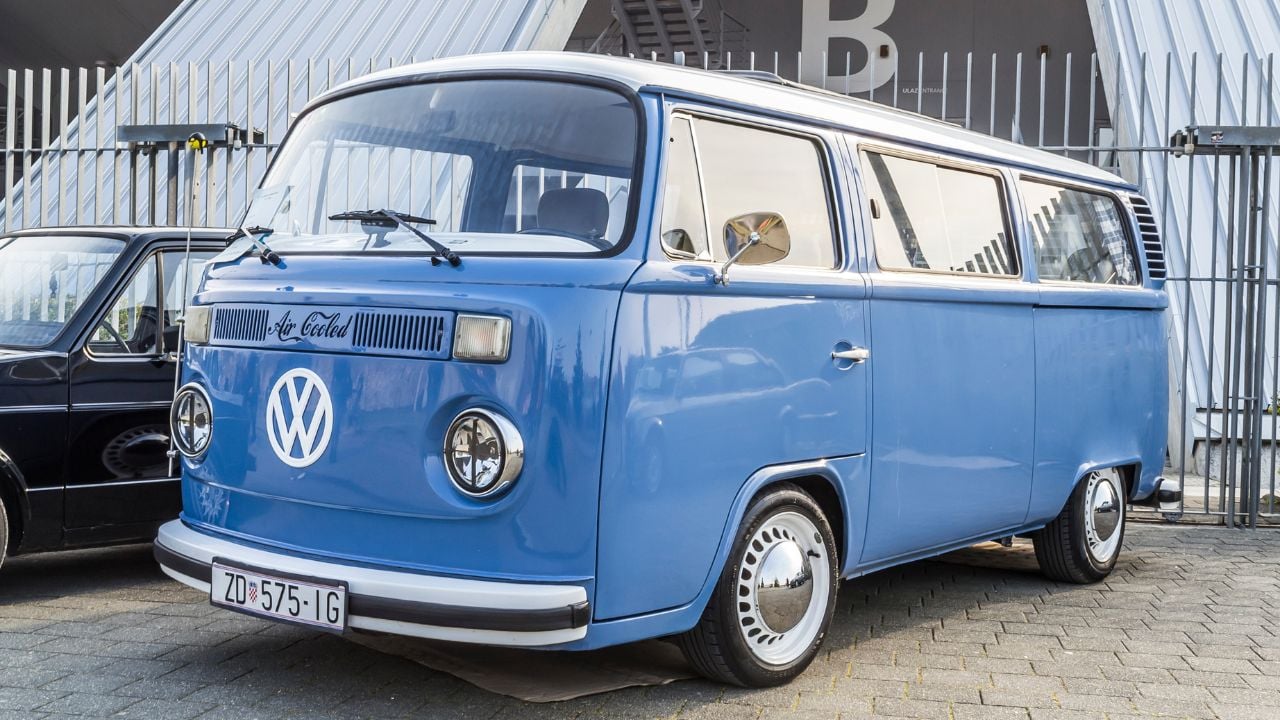
The Microbus is what happens when you take the Beetle’s mechanicals, stretch them into a van, and accidentally create a cultural icon. With its split windshield, friendly round headlights, and that unmistakable two-tone paint job, the Type 2 has a face that could launch a thousand road trips.
There’s real design genius hiding behind that cheerful facade. The forward control layout maximized interior space while keeping the overall length to about 168.5 inches, shorter than a modern Honda Accord. The large windows and thin pillars created an airy, open feeling that made every journey feel like an adventure. The symmetrical design and balanced proportions gave it a visual harmony that modern minivans can only envy.
The Microbus proved that utility vehicles didn’t have to be ugly. Its clean lines, purposeful stance, and friendly demeanor made it equally at home at Woodstock or the country club. The fact that it became a symbol of freedom and counterculture is just a bonus, the real achievement is creating a commercial vehicle that people actually wanted to be seen driving.
Volkswagen Corrado
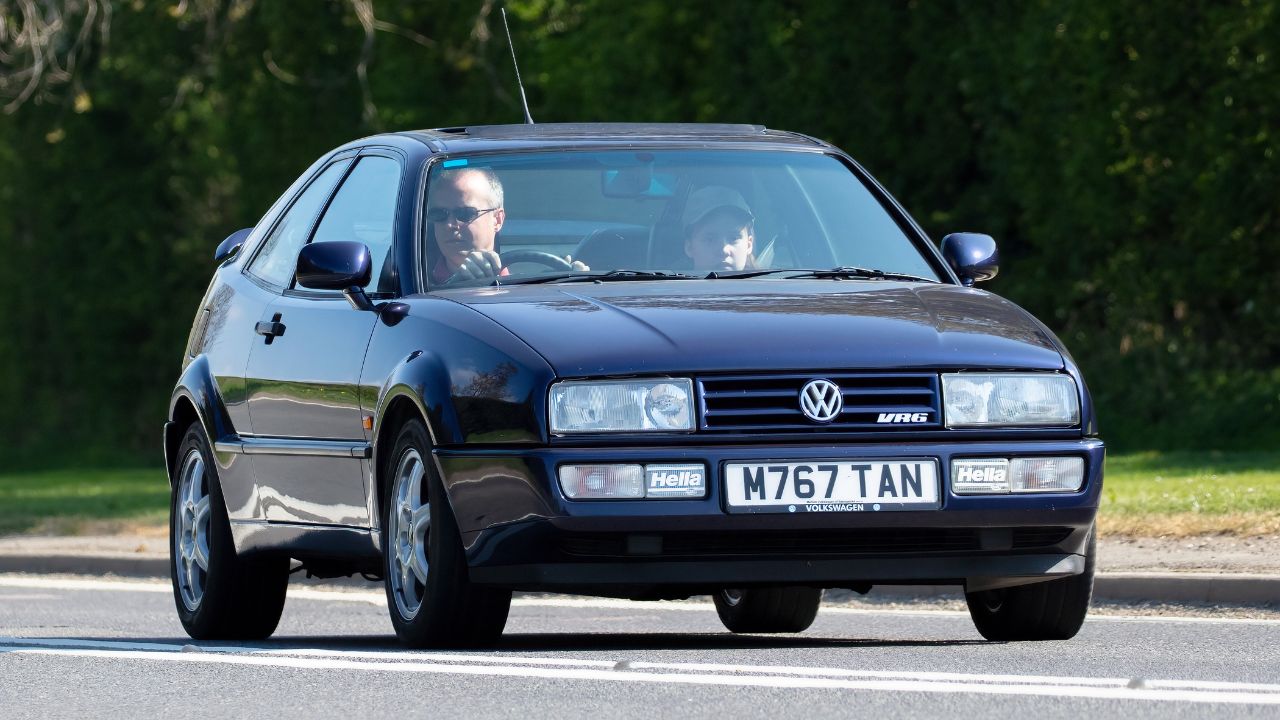
The Corrado is proof that Volkswagen can build a proper sports car when it puts its mind to it, they just forgot to tell anyone about it. With its aggressive wedge profile, pop-up rear spoiler, and frameless windows, the Corrado looked like it meant business from every angle.
That distinctive silhouette was more than just stunning. The 0.32 drag coefficient was genuinely impressive for its era, while the active rear spoiler automatically deployed at speed, with the trigger point varying by market (roughly 45 to 75 mph), to help manage rear axle lift. The integrated bumpers and sculpted side panels created a cohesive, aerodynamic form that still looks purposeful today.
The Corrado’s beauty lies in its restraint, it doesn’t need boy-racer add-ons or flashy graphics because the proportions are already perfect. The long hood, short deck, and wide stance give it classic sports car proportions, while details like the flush-mounted door handles and clean greenhouse keep it looking sophisticated.
Inside, the driver-focused cockpit felt more serious than anything else in VW’s lineup, with supportive seats and a dashboard that actually curved toward the driver. It was clear that someone at Wolfsburg understood what a sports car should be.
Volkswagen Passat CC

The Passat CC arrived just as every manufacturer was discovering that sloping the roofline of a sedan somehow made it “sporty.” But where others created awkward proportions and compromised rear headroom, VW actually got it right the first time.
That flowing roofline isn’t just aesthetically pleasing, it creates a perfect arc that reduces wind noise and improves fuel economy. The stretched wheelbase (106.7 inches) and low height (55.8 inches) give it proportions that would make an Audi A7 jealous, while the subtle character lines add visual interest without looking overwrought.
The CC’s beauty comes from its restraint. While other manufacturers were busy adding fake air vents and unnecessary creases, VW kept things clean and purposeful. The narrow grille, elongated headlights, and minimal chrome create a sophisticated appearance that doesn’t try too hard.
Unfortunately, the CC was probably too sophisticated for its own good. American buyers couldn’t figure out why they should pay extra for a Passat that looked better and had less rear headroom. Their loss.
Volkswagen Arteon

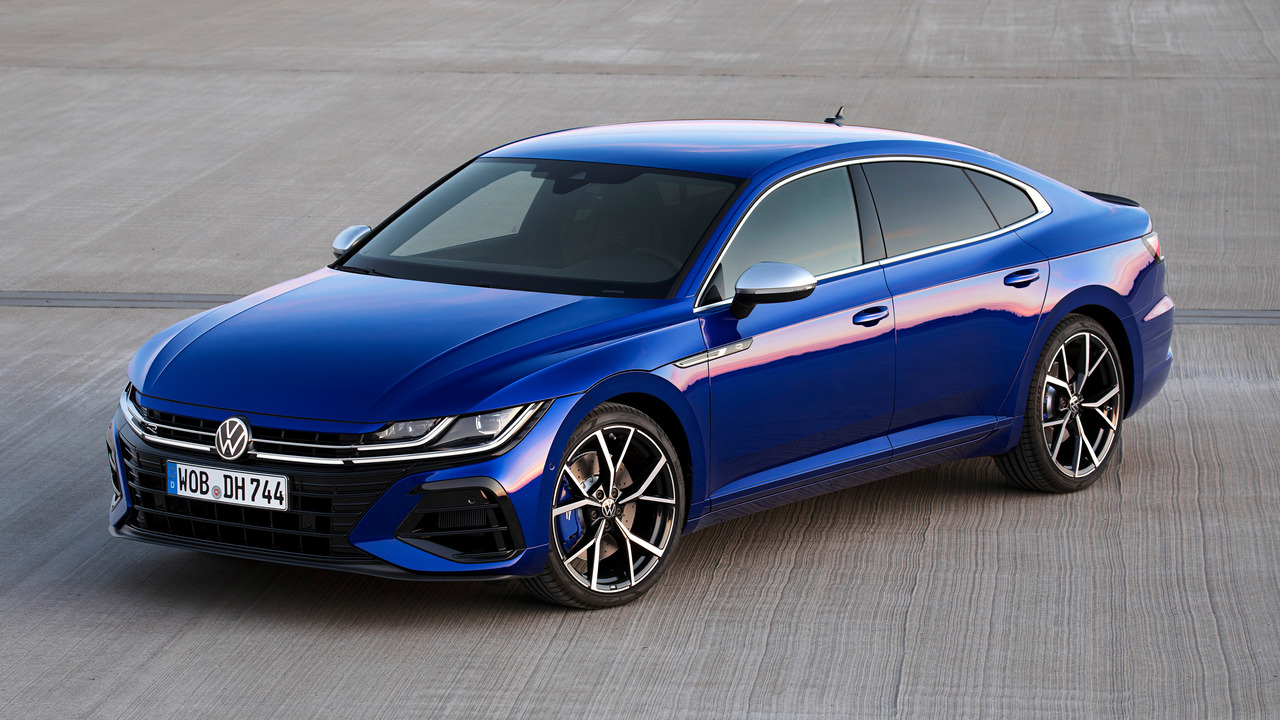
The Arteon is what happens when Volkswagen stops apologizing for making beautiful cars and just builds one anyway. With its wide grille seamlessly integrated with LED headlights and a coupe-like roofline that actually makes sense, the Arteon finally gives VW a proper flagship.
Those aren’t just pretty lines, there’s genuine engineering behind the beauty. The 111.9-inch wheelbase and dramatic overhangs create proportions that rival luxury sedans costing twice as much. The pronounced character lines and sculpted surfaces play with light in ways that make the car look different from every angle.
The frameless doors and slim taillights aren’t just styling exercises; they sharpen the profile and help the Arteon look low and wide without relying on gimmicks. The result is a car that looks fast even when it’s parked, which is more than you can say for most modern sedans.
Inside, the Arteon continues the sophistication with premium materials and a layout that actually makes sense.
Volkswagen Scirocco Mk1

While everyone was busy praising Giugiaro for the Golf, his Scirocco was quietly being even more gorgeous. The original Scirocco took the Golf’s sharp-edged design language and stretched it into something that looked genuinely athletic.
That fastback silhouette wasn’t just for show, the smooth roofline and integrated rear spoiler gave it a drag coefficient that most modern cars would envy. The wide stance and low 50.8-inch height created proportions that screamed “sports car” even with the modest powertrains available at launch.
The Scirocco’s beauty lies in its purity, every line serves a purpose, and nothing is there just for decoration. The large windows provide excellent visibility, the clean dashboard puts everything within easy reach, and the overall design feels like a single, cohesive thought rather than a committee compromise.
This was VW showing that they could do excitement just as well as practicality. The Scirocco proved that German engineering and Italian styling could create something genuinely special when they worked together.
Volkswagen Phaeton

The Phaeton is automotive proof that sometimes being right isn’t enough, you also have to convince people that you’re right. VW built a luxury sedan that could legitimately challenge the BMW 7 Series and Mercedes S-Class, then slapped a VW badge on it and wondered why Americans wouldn’t buy it.
From a design perspective, the Phaeton is brilliant. The proportions are perfect: long wheelbase, short overhangs, and a roofline that’s both elegant and authoritative. The clean shoulder lines and minimal chrome create a look of understated luxury that makes flashier competitors look like nouveau riche showoffs.
The interior was where VW really showed off, with wood veneers that put Bentley to shame and build quality that made Mercedes look sloppy. Every surface was perfectly finished, every control fell naturally to hand, and the overall ambiance was one of quiet confidence.
The Phaeton’s tragedy is that it was too good for its own badge. Americans couldn’t get past the VW logo, even though the car underneath was genuinely world-class. European buyers were smarter — they recognized quality when they saw it.
Volkswagen ID. Buzz

The ID. Buzz faced an impossible task: recreate one of the most beloved automotive designs of all time for the electric age without ruining it. Somehow, VW actually pulled it off.
Those familiar proportions are all there, the short overhangs, tall greenhouse, and friendly face that made the original so lovable. But modern LED lighting and sculpted body panels bring it firmly into the 21st century. The two-tone paint schemes are a direct nod to the original, while the clean body sides and minimal chrome keep it looking fresh.
The real genius is how VW updated the design without losing its soul. The ID. Buzz captures the optimism and friendliness of the original while adding modern sophistication. The interior is bright and airy like its predecessor, but with sustainable materials and modern technology seamlessly integrated.
This is how you do a retro design right: respect the original while making it relevant for today. The ID. Buzz proves that electric vehicles don’t have to look like angry robots or wind-tunnel experiments.
Volkswagen Golf Mk7

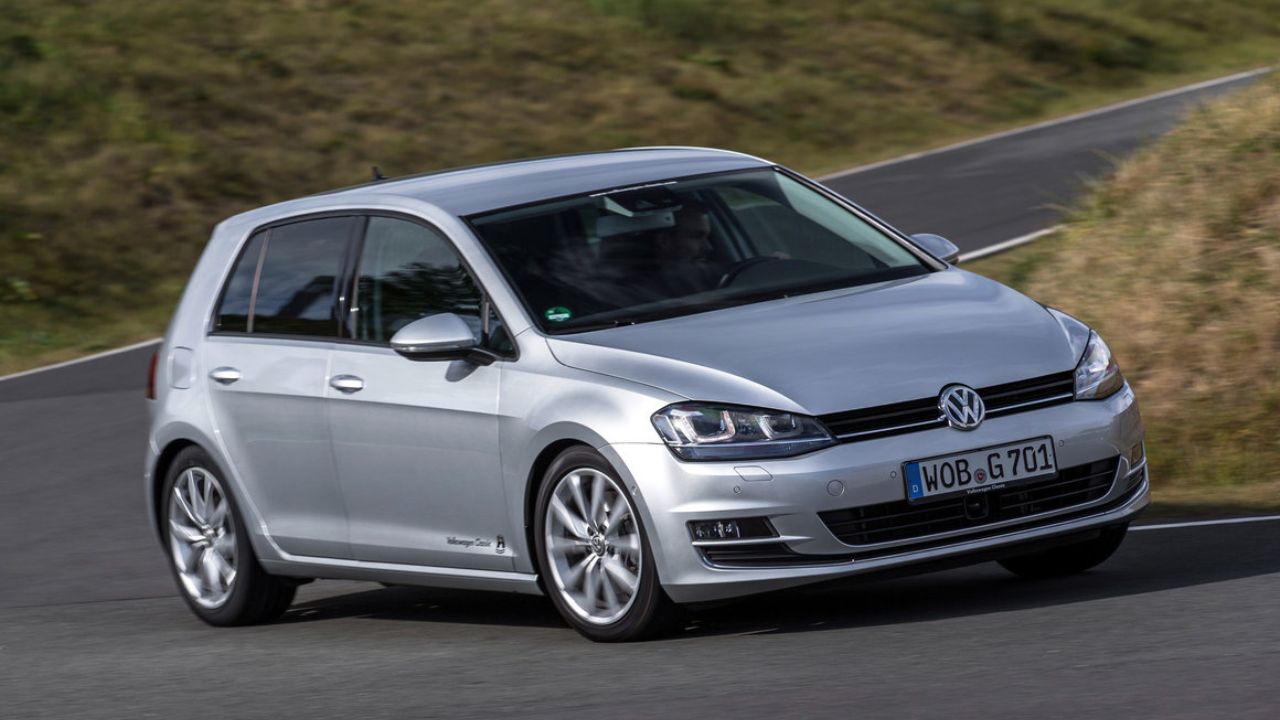
By the seventh generation, VW had the Golf formula down to a science. The Mk7 took everything that made previous Golfs great and refined it to near-perfection. The proportions are spot-on, the details are perfectly executed, and the overall design feels like the platonic ideal of “hatchback.”
That strong character line running the length of the car isn’t just decoration, it visually lowers the car and creates a sense of forward motion even when parked. The slimmer headlights and broader grille give it a more mature face than previous generations, while the clean rear end maintains the Golf’s distinctive profile.
The interior feels genuinely premium, with materials and build quality that put many luxury cars to shame. Every control is exactly where you’d expect it to be, and the overall layout feels like it was designed by someone who actually drives cars for a living.
The Golf Mk7 represents the evolutionary peak of compact car design. It’s practical, beautiful, and sophisticated without being pretentious. It’s what every other manufacturer is still trying to achieve.
Volkswagen T-Roc Cabriolet
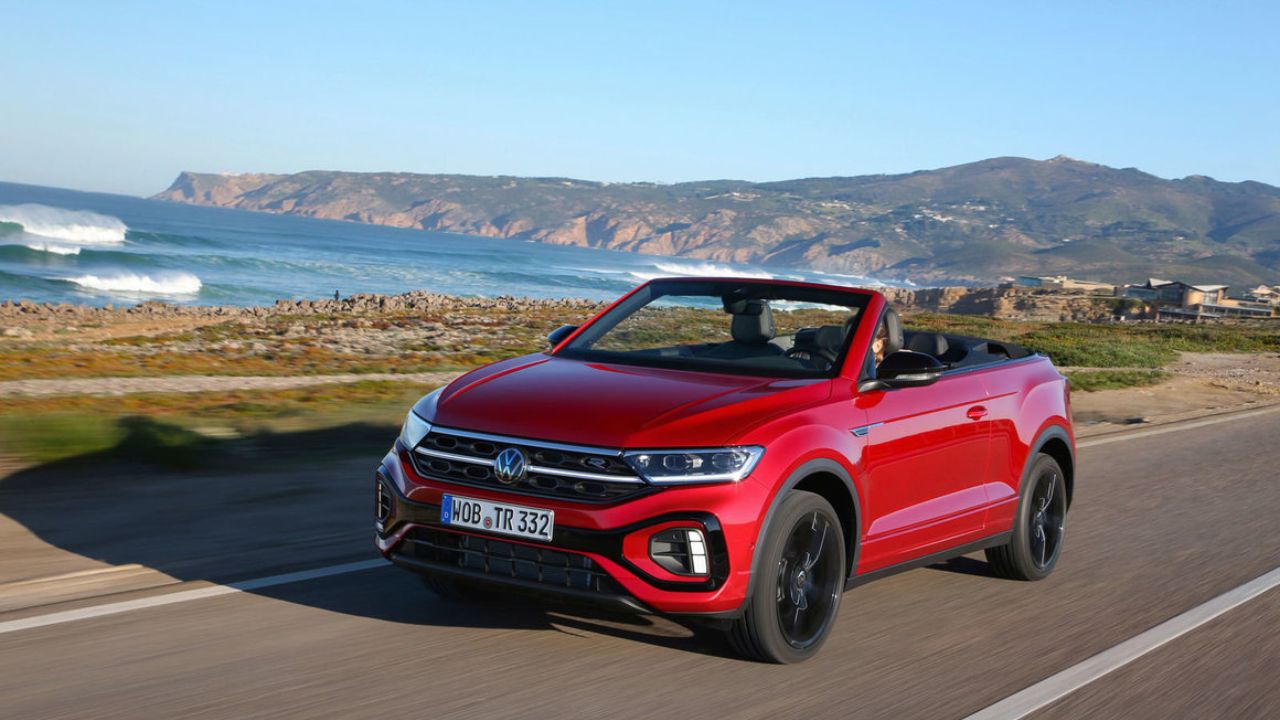
The T-Roc Cabriolet shouldn’t work. A two-door SUV convertible sounds like something created by a marketing committee on a particularly bad day. But somehow, VW made it work, and made it gorgeous.
Those muscular wheel arches and sculpted panels give it an athletic stance that most SUVs can only dream of. The contrast between the rugged SUV proportions and the elegant soft-top creates visual tension that somehow resolves into something genuinely appealing.
The two-door layout forced VW’s designers to get the proportions exactly right: there’s no room for error when you only have two doors to work with. The result is a car that looks purposeful from every angle, whether the top is up or down.
Inside, bold color options and modern technology create an atmosphere that’s both playful and sophisticated. It’s clear that VW wasn’t taking themselves too seriously with this one, and that’s exactly why it works.
Volkswagen Passat B8 Wagon
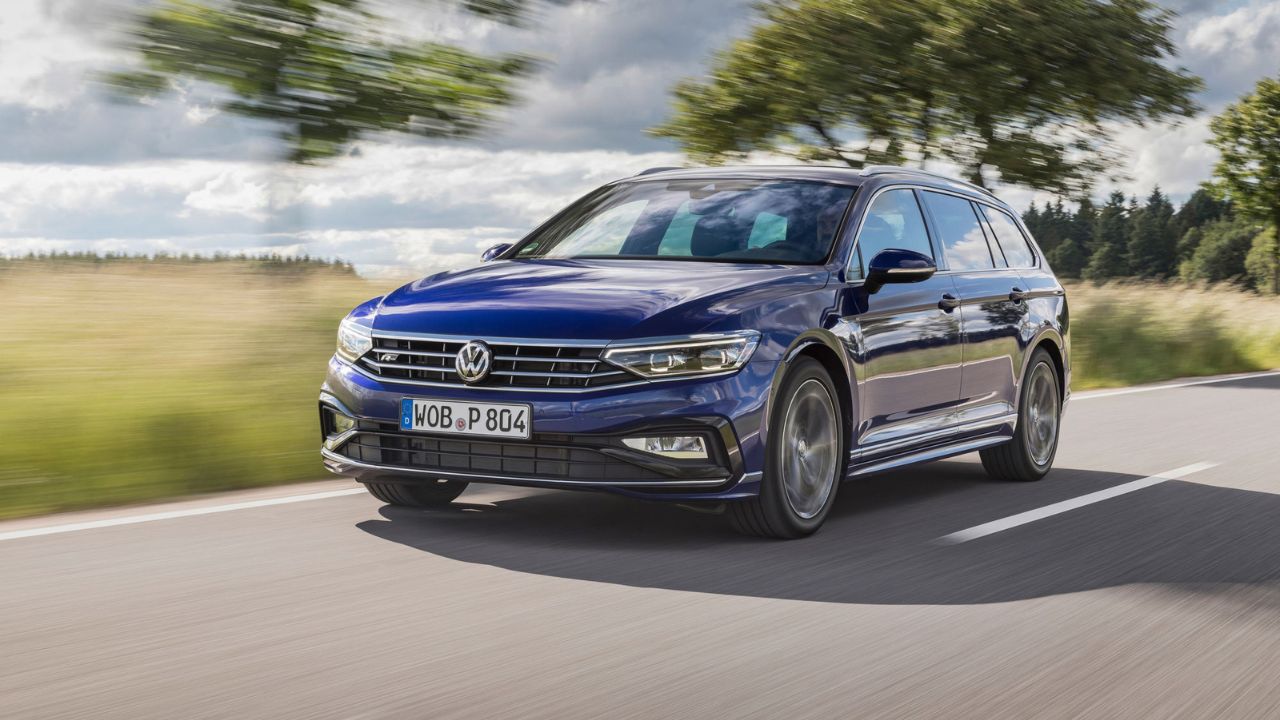
In an SUV-obsessed world, the B8 Passat wagon was a reminder of what we’re giving up in the name of “practicality.” With its long, elegant profile and perfectly balanced proportions, it proved that wagons could be just as attractive as sedans, if not more so.
Those clean body lines and subtle chrome accents create a sophisticated appearance that ages gracefully. The long wheelbase and flowing roofline give it an executive presence that most SUVs can’t match, while the practical rear end proves that function and beauty aren’t mutually exclusive.
The interior continues the theme of understated elegance, with horizontal lines that emphasize the sense of space and premium materials throughout. Every element feels carefully considered, from the placement of controls to the quality of the trim pieces.
The B8 Passat wagon represents the end of an era, the last time a mainstream manufacturer would build a genuinely beautiful station wagon. Its demise says more about consumer preferences than it does about the car itself.
Volkswagen New Beetle

The New Beetle had an impossible task: update one of the most recognizable designs in automotive history without destroying what made it special. VW’s solution was brilliantly simple, keep the essence, update the execution. This is one of those rare times where it wasn’t just pure nostalgia bait to bring something back: it was needed.
Those familiar curves and proportions are all there, but with modern safety requirements and contemporary manufacturing techniques. The circular headlights, rounded roofline, and friendly demeanor capture everything lovable about the original while feeling entirely contemporary.
The interior was where VW really showed its playfulness: body-colored panels, optional flower vases, and thoughtful curves throughout created an atmosphere of pure joy. It was impossible to drive a New Beetle without smiling, which is exactly what VW intended.
The New Beetle proved that retro design could work if done with genuine affection rather than cynical market research. It wasn’t trying to be the original: it was trying to capture the feeling of the original for a new generation.
Why Volkswagen’s Design Philosophy Still Matters
In an automotive landscape dominated by angry-faced SUVs and Tesla’s “design by algorithm” approach, Volkswagen’s commitment to understated beauty feels almost revolutionary. These cars prove that elegance doesn’t require a six-figure price tag and that sophistication can coexist with practicality.
The common thread running through all these designs is restraint, the confidence to let good proportions speak for themselves without resorting to fake air vents, unnecessary creases, or boy-racer styling cues. VW understands something that many manufacturers have forgotten: true beauty is timeless, not trendy.
Whether you’re a die-hard enthusiast or someone who just appreciates good design, these Volkswagens deserve recognition. They represent a brand that has consistently chosen substance over style, function over flash, and enduring appeal over temporary trends.
In a world of automotive excess, maybe it’s time we appreciated the beauty of restraint. After all, the Germans have been quietly proving that less can be more for over 80 years. We should probably start listening.