
Donald Falvey doesn’t mince words when it comes to America’s most overcrowded national parks. The former superintendent of Zion National Park, who witnessed firsthand the transformation of Utah’s crown jewel from manageable destination to chaotic tourist magnet, has broken his diplomatic silence with a blunt assessment that cuts through years of political dancing around an uncomfortable truth: our most beloved parks are being loved to death, and it’s time to stop pretending otherwise.
“The time has come for Zion National Park to implement its own timed entry system to benefit the visitors, the park’s resources and the gateway communities,” Falvey wrote in a recent Salt Lake Tribune op-ed, delivering the uncomfortable reality check that politicians and tourism boosters have spent years avoiding.
The Numbers Don’t Lie
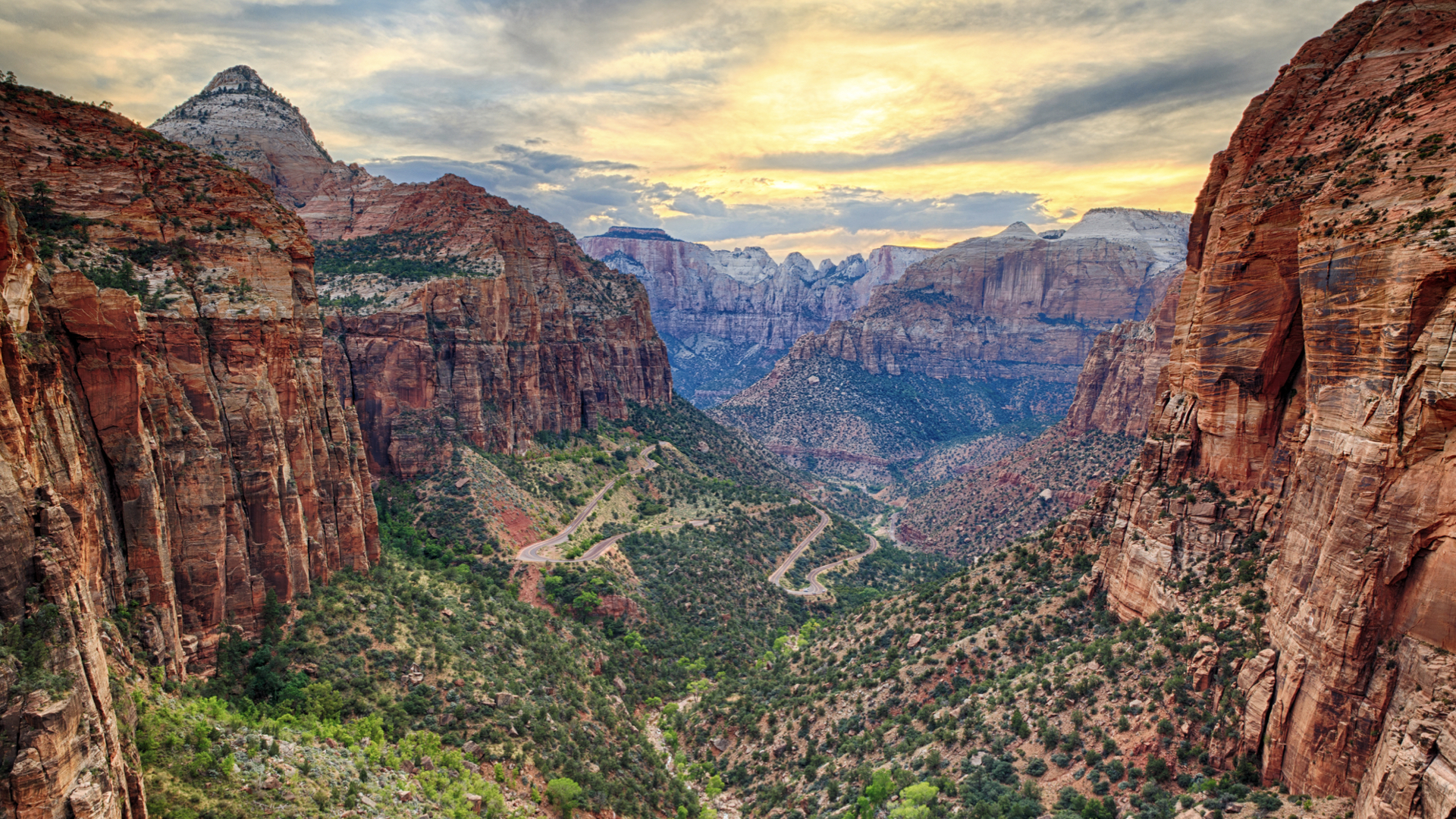
Falvey served as Zion’s superintendent during the 1990s when the park welcomed up to 2.5 million visitors annually. Today, it attracts more than 5 million, a staggering doubling of visitor numbers that has overwhelmed infrastructure designed for half that capacity. These aren’t abstract statistics; they represent a fundamental breakdown of the national park experience that Falvey watched unfold in real time.
During his tenure in the ’90s, there were about 400 parking spaces in the main canyon area which were inadequate to serve the number of visitors, resulting in damage to resources and a degraded visitor experience. The park responded by implementing a shuttle system in 2000, but even that solution has been overwhelmed by the visitor surge that followed.
Zion now ranks as the third most visited national park in the country, with 4.5 million visitors last year marking the second busiest year on record. The math is simple and brutal: when a park built for 2.5 million hosts double that number, something has to give.
The “Greenlock” Reality
Veteran park administrators are aghast at the “greenlock,” gridlock in natural surroundings, that now defines marquee national parks. Falvey’s frank assessment reflects a growing consensus among park professionals who’ve watched iconic destinations transform from places of natural solitude into outdoor shopping malls.
Instead of coming to get a sense of nature transcendent, people wait an hour or two in traffic just to get through park gates, and day hikers jostle with hundreds of other people on one-lane trails eroded by overuse. This isn’t the experience that justified creating national parks in the first place.
The irony is particularly bitter at Zion, where the park swarms with tens of thousands of people each day, and the season lasts almost all year, instead of 8 or 9 months as previously. Flocks of tour buses pour in from Los Angeles and Las Vegas.
What Utah Politicians Really Want
Recent closed-door meetings between Utah officials and the Department of Interior revealed the stark divide between park protection advocates and local economic interests. Utah’s Public Land Policy and Coordinating Office presented a list of demands including eliminating timed-entry at Zion and Arches National Parks, eliminating other permit systems, and increasing visitation numbers to all parks.
The meeting also included proposals for allowing off-highway vehicles in Capitol Reef and Canyonlands National Parks and paving a stretch of the Burr Trail, a backcountry road that winds between protected areas. Environmental advocates called these proposals a “power grab” that prioritizes short-term economic gain over long-term park preservation.
“Parks like Zion, Arches, and Bryce Canyon are the envy of the world, but all Utah politicians can imagine is a future where these parks and others are overrun by off-road vehicles and out-of-control visitation,” said Neal Clark of the Southern Utah Wilderness Alliance.
The Economic Excuse
Utah’s resistance to visitor management stems largely from economic concerns. After implementing a timed-entry system at Arches in 2022, visitor spending in surrounding Grand County dropped by 12.4% initially and an additional 6.5% the following year. This economic impact drives local opposition to similar measures at Zion.
However, Falvey and other park advocates argue this short-term thinking ignores long-term consequences. “If we continue on this growth trend, it’s not sustainable. To ensure protection of the parks or ensure that visitors have really high-quality experiences, particularly for parks like Zion, they are well past the tipping point for their visitation numbers,” said Cory MacNulty of the National Parks Conservation Association.
The economic argument also overlooks the degraded visitor experience that unlimited access creates. When tourists wait hours in traffic and jostle for trail space, they’re less likely to become repeat customers or recommend destinations to others, ultimately harming long-term tourism revenue.
The Marketing Monster

Much of Utah’s overcrowding problem stems from the state’s own aggressive tourism promotion, particularly the “Road to Mighty” campaign promoting the state’s five national parks. “It’s been wildly successful,” admitted Vicki Varela, director of the Utah Office of Tourism. “In Europe, the Mighty Five is now on everyone’s bucket list”.
Utah spent millions marketing its parks internationally, then balked when millions of international visitors actually showed up. The state created its own overcrowding crisis through relentless promotion, then blamed federal management when the inevitable consequences materialized.
It’s not uncommon to hear Japanese, Chinese, German, French, and other languages around breakfast tables at the large new hotels built in rural Utah, testament to the marketing campaign’s success in attracting exactly the crowds that now overwhelm park infrastructure.
Trump Administration Complications
The overcrowding crisis has been compounded by recent National Park Service staff cuts. Former superintendents warn that visitors should “expect long lines, and restrooms aren’t going to be clean” due to the Trump administration’s firing of park staff.
“The National Park Service has lost 25% of their staff since the beginning of 2025, and the Trump administration has proposed massive cuts to the agency’s budget”, creating a perfect storm where parks must handle record crowds with reduced personnel.
“National parks protect our natural and our cultural heritage. It’s hard to understand what’s going to happen across the landscape when it comes to the wildlife and their migrations, or cultural resources, like archeological sites that could be looted,” warned Linda Mazzu, former superintendent of Bryce Canyon National Park.
The Reservation Reality
Falvey points out that reservation systems aren’t revolutionary: “The idea of a reservation is nothing new. It seems we are all used to making a reservation to have a meal at a restaurant, to go to a concert or to a play”. The resistance to park reservations reflects American exceptionalism about public lands access that ignores practical realities.
Arches National Park has implemented a timed-entry pilot program during peak seasons for the past four years, providing real-world data about how reservation systems function. While local businesses initially lost revenue, the system has created more predictable, enjoyable visitor experiences for those who do visit.
At Zion, the implementation of reservations for the Angels Landing trail “had improved the visitor experience on that steep and narrow trail,” according to Superintendent Jeff Bradybaugh, proving that managed access enhances rather than diminishes park experiences.
Beyond Tourism: Preserving Legacy
Falvey frames the issue in terms of intergenerational responsibility: “The value of public recreation can be measured in dollars and cents, but the real value comes from what we leave the future generations”. His perspective carries weight because he’s seen how unlimited access degrades the very resources that make parks valuable.
Current overcrowding has made it “more challenging in parks to ensure enjoyable visits because of crowding,” according to congressional testimony from park officials. When parks can’t deliver quality experiences, they’re failing their fundamental mission regardless of visitor numbers.
The former superintendent’s blunt assessment reflects growing recognition among park professionals that unlimited access is incompatible with resource protection and quality visitor experiences. “The time has come for Zion National Park to implement its own timed entry system to benefit the visitors, the park’s resources and the gateway communities, as well,” Falvey concludes.
The Uncomfortable Truth
Falvey’s statements represent what many park professionals have thought but hesitated to say publicly: America’s national park system is at a breaking point, and continuing to prioritize quantity over quality will ultimately destroy what makes these places special. His willingness to speak frankly about overcrowding and necessary solutions provides a counterweight to political rhetoric that treats any visitor management as un-American.
The choice facing Zion, Arches, and other overcrowded parks isn’t between access and restriction, it’s between managed access that preserves park values and unlimited access that destroys them. Falvey’s experience gives his warnings particular credibility: he’s not a theorist proposing abstract solutions, but a practitioner who’s witnessed firsthand how overcrowding transforms national treasures into traffic jams.
His message is clear: the time for denial and delay has passed. America’s parks need visitor management systems that balance access with preservation, even if that makes some politicians and tourism boosters uncomfortable. The alternative is watching our national heritage disappear under the weight of its own popularity.