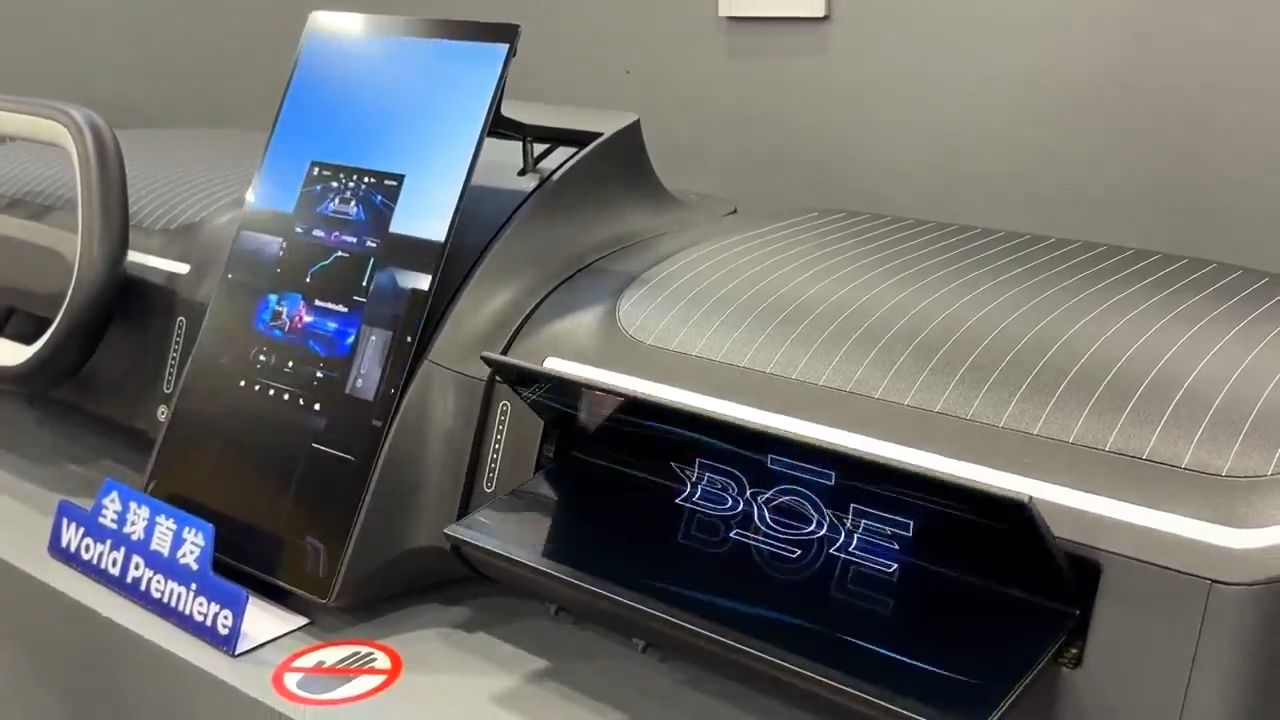

China’s BOE recently unveiled foldable, flower‑like flexible dashboard displays designed for electric cars. The concept video, shared widely on social media, shows dashboard screens unfurling dramatically before lying flat across the front panel. It’s futuristic and flashy, but it’s also driving people online absolutely nuts—and not for flattering reasons.
The post, which has already racked up more than 1.2 million views and hundreds of comments on X, was meant to showcase innovation. Instead, it sparked a flood of weary reactions from car enthusiasts and everyday drivers, many of whom see the feature as the latest example of tech for tech’s sake. But first, an introduction.
Who Did This?
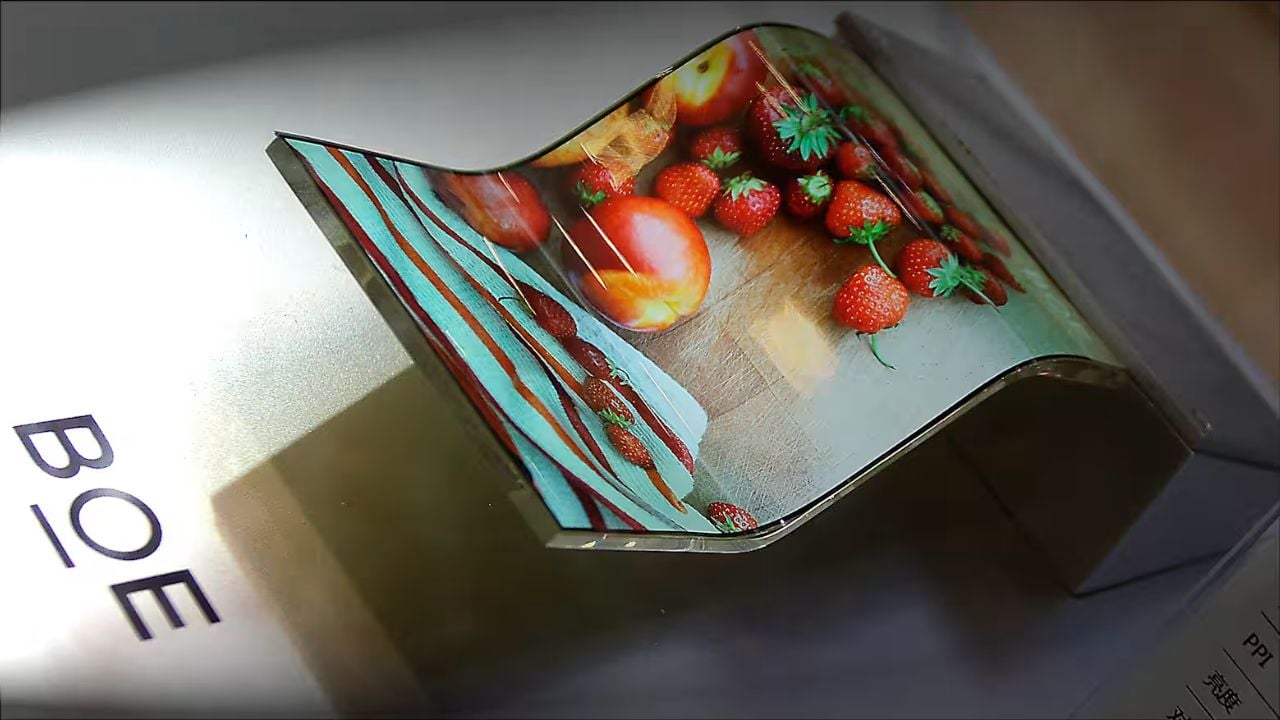
BOE Technology Group is one of the world’s largest display manufacturers, headquartered in Beijing, China, and best known for producing LCD, OLED, and flexible screens that power everything from smartphones and laptops to TVs and cars. It has become a global leader in display innovation, with a growing footprint in healthcare, IoT, and sensor technologies.
Founded in April 1993 in Beijing by Wang Dongsheng, the company has grown into one of the world’s largest display manufacturers. The headquarters remain in Beijing, and it currently employs more than 90,000 people. It is even listed on the Shenzhen Stock Exchange under the codes 000725 and 200725.
BOE reportedly makes about 30% of global LCD screens and develops OLED, flexible, and MicroLED technologies. It also makes sensors, IoT applications, and healthcare imaging systems. Beyond displays, BOE invests in solar panels and owns subsidiaries like SES‑imagotag for electronic shelf labels and Varitronix for automotive displays.
Their screens are everywhere as they’re used by major brands such as Apple, Huawei, and Samsung. The company has also become a significant supplier in the automotive industry, recently drawing attention for futuristic concepts like flower‑like foldable dashboard screens.
BOE’s Blooming Dashboard

On paper, the idea is simple: a screen that folds and unfolds like petals, offering a flexible, space‑saving solution for in‑car displays. In practice, though, the spectacle leaves you feeling patronized. Commenters questioned whether anyone actually asked for this, and whether it solves a real problem.
“Looks awesome, but fragile. Also, what’s the point?” one user quipped. Another chimed in:
“This just feels like the biggest waste of money. These companies should only be trying to make money with their cars. Adding complexity and cost make that objective 10x as hard.”
There is nothing subtle about the deluge of skepticism under the post. For many, the flower‑like unfolding is cool and unnecessary.
Scrolling through the replies, a clear theme emerges: fatigue. One comment stood out:
“The ‘unfolding flower’ is just more hardware debt designed to distract you while the bank owns the title for 84 months. We’re putting $5k screens in $60k depreciating assets because the industry realized it’s cheaper to sell you a UI than a car that actually lasts.”
You could tell that people are tired of unnecessary bells and whistles that complicate driving rather than enhance it.
- Practicality over spectacle: “Not gonna lie, that’s pretty dumb,” one comment read.
- Reliability concerns: “These POS will not last 15 years. If you want a car with these gizmos, lease it.”
- Safety worries: “We already have enough distractions. Do we really need screens blooming in our faces?”
The @choppsface had just four words:
“More parts to break.”
The tone was as critical as it was exasperated. With over 1,500 reposts and hundreds of comments, we couldn’t find a single reaction that wasn’t critical of the feature. The closest thing to a “thumbs-up” landed like a sarcastic comment:
“So they fold away when you’re not in the car. What a great feature.” Many commenters expressed nostalgia for simpler cars, where knobs and buttons did the job without needing a software update or a dramatic animation.
Innovation vs. Irritation
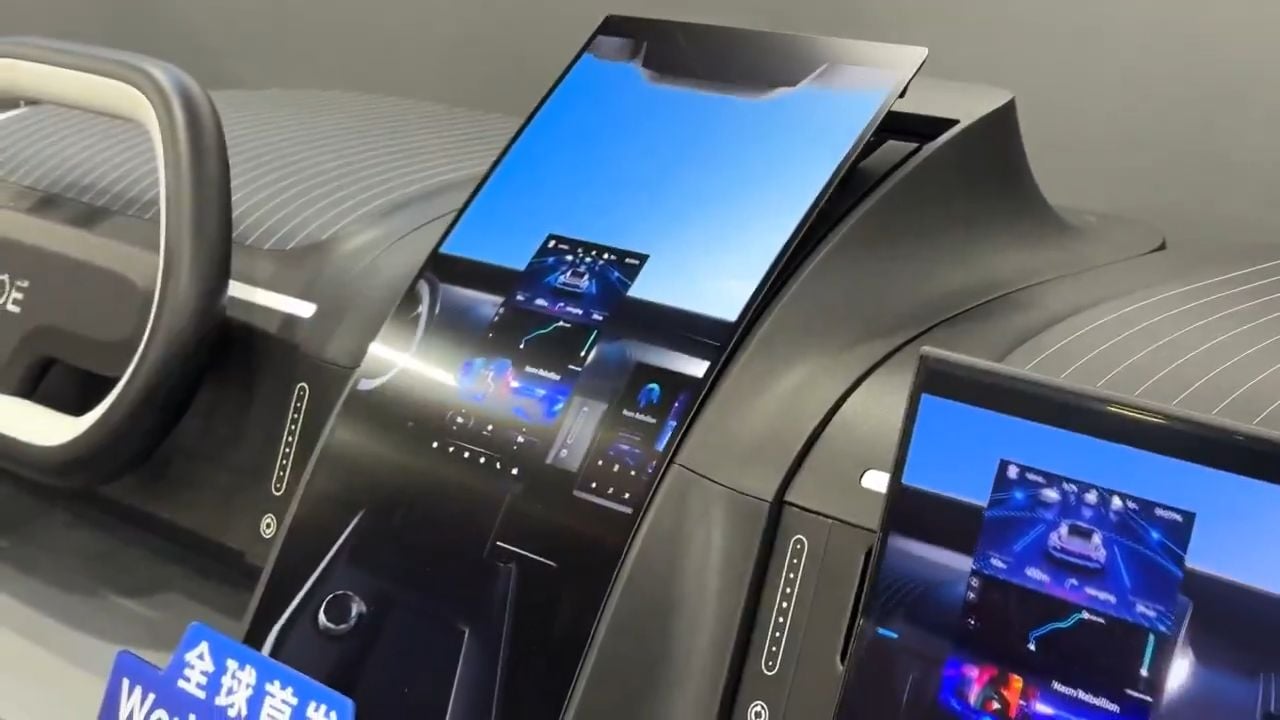
This isn’t the first time automakers have been accused of chasing novelty over necessity. And it’s not exclusive to China. One comment even erroneously claimed the unfolding screen wasn’t made in China – just been applied to Chinese cars. From gesture‑controlled infotainment systems to touch‑sensitive climate controls, the industry has a track record of introducing features that look futuristic but frustrate drivers in real‑world use.
The flower‑screen fits neatly into that narrative. It’s undeniably eye‑catching, but does it make driving safer, easier, or more enjoyable? Judging by the online reaction, the answer is a resounding no.
“The flower unfolding animation is a nice touch, but I’m curious about the practical benefits. Is this solving a real problem or just engineering for the sake of it?” one comment read.
The viral backlash highlights a growing tension in automotive design. As electric vehicles become rolling showcases for tech, manufacturers are under pressure to differentiate. Screens, software, and flashy interfaces have become the battleground. Yet the public response suggests that consumers may be reaching a saturation point.

People don’t necessarily want cars that double as gadgets. They want cars that drive well, last long, and don’t overwhelm them with unnecessary complexity. The flower‑screen, for all its engineering cleverness, became a symbol of what happens when innovation loses touch with user needs.
A Lesson in Listening
If there’s a takeaway from the 793 replies, it’s that automakers should pay closer attention to what drivers actually value. The chorus of comments wasn’t rejecting technology outright—it was rejecting technology that feels counterproductive.
🚘 China has created foldable flexible displays for electric cars. The screens from BOE unfold like flowers and then lie flat on the front panel of the car. pic.twitter.com/RT9cHk47Og
— Tansu Yegen (@TansuYegen) January 18, 2026
As one user summed it up: “Cool demo. But I’d rather have cup holders that fit my water bottle.”
That line captures the mood perfectly. In an era where cars are increasingly defined by their digital features, the public is reminding manufacturers that practicality still matters.
The BOE flower‑screen may never make it into mass production. It may remain a flashy demo, a viral clip destined to be remembered more for the comments than the concept. But its reception is telling.
Automakers chasing the next big wow factor should take note: sometimes the sharpest critique isn’t about the technology itself, but about the disconnect between what’s offered and what’s wanted.