Few cars are as unmistakably French as the Citroën 2CV. Its unusual shape, famously soft suspension, and relentlessly practical personality kept it in production for more than four decades, with millions eventually finding owners around the world.
Now, Citroën is preparing to bring the name back after a 36-year absence. This time, however, there won’t be a tiny gasoline engine rattling away under that familiar-looking hood.
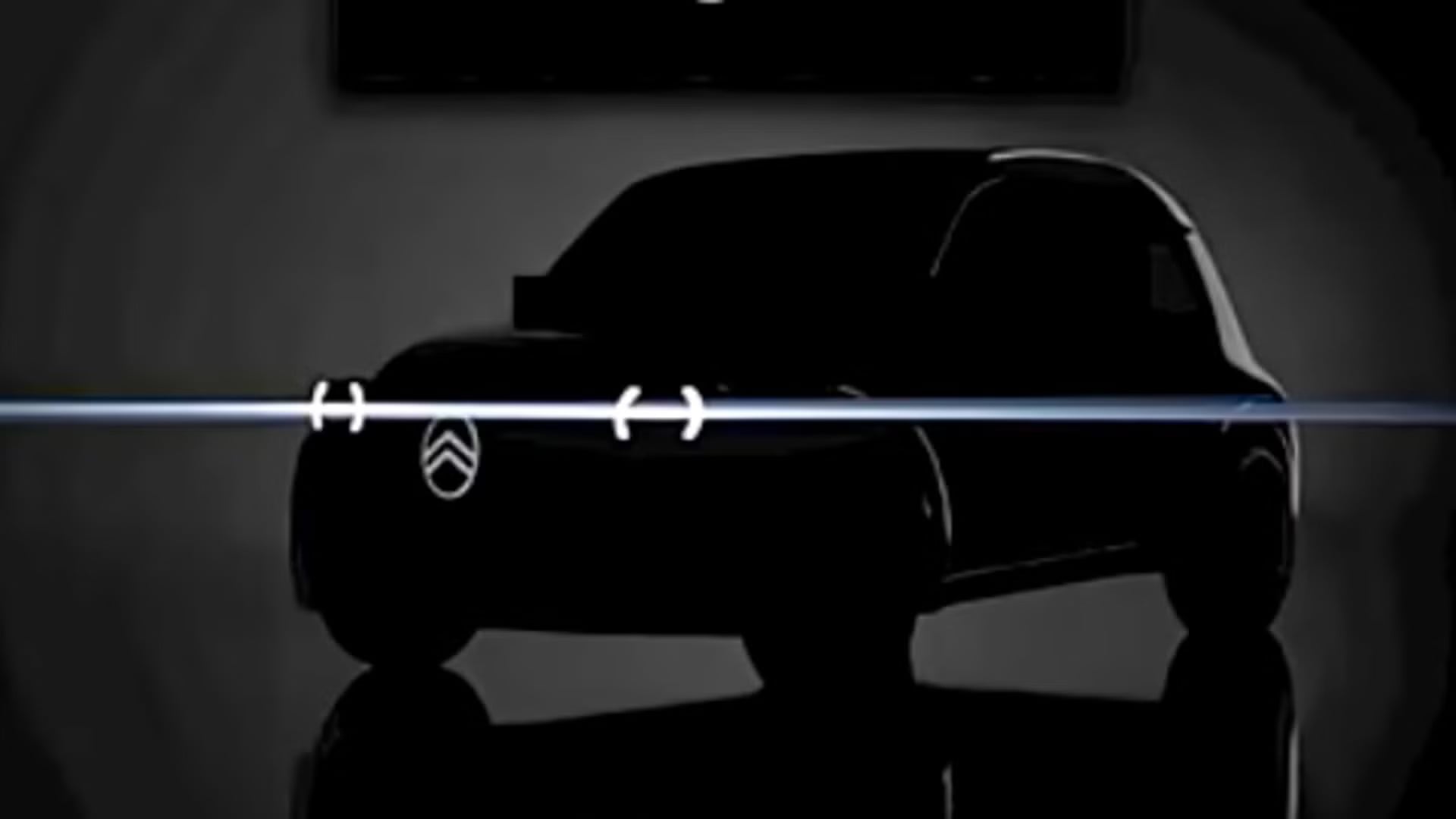
Citroën has teased a new electric 2CV concept ahead of its debut at the Paris Motor Show on October 11. The company says the project brings the spirit of the original into the modern era with an emphasis on simple and accessible transportation.
This isn’t expected to be another retro concept destined for a museum after the show closes. A production model is reportedly planned for 2028, with Citroën targeting a starting price below €15,000 before incentives.
The Original 2CV Is Clearly The Inspiration
View this post on Instagram
Citroën’s Instagram teasers don’t reveal the entire car yet, although there are already plenty of recognizable details. A deeply grooved hood, rounded headlights protruding from the front fenders, and simple retro-style wheels all draw heavily from the original.
Other glimpses show old-fashioned door handles and indicators positioned around the C-pillars. An earlier teaser also suggests the new car will retain a familiar 2CV-like silhouette while adding an illuminated version of Citroën’s double-chevron badge.
That’s encouraging for anyone worried the famous name might simply be attached to an unrelated electric crossover. Citroën appears interested in creating a recognizable modern interpretation rather than relying solely on the badge.
Keeping It Cheap Is A Major Part Of The Plan
View this post on Instagram
Technical specifications are still under wraps, apart from confirmation that the concept is fully electric. Reports suggest the eventual production car could use a dedicated platform developed around upcoming European rules intended to make small EVs cheaper to manufacture.
Citroën CEO Xavier Chardon previously indicated that a production version should start below €15,000 before subsidies. That would position it beneath the regular C3 and potentially make it Citroën’s cheapest proper passenger car, since the smaller Ami is classified as a quadricycle.
Such a price would also give the 2CV a clear purpose beyond nostalgia. Europe’s growing collection of inexpensive EVs means it will need to compete on cost against models from Renault, Dacia, Volkswagen and several other manufacturers.
The 2CV Name Carries Plenty Of History
The original 2CV debuted at the 1948 Paris Motor Show after development began before World War II. Its famous design brief called for an inexpensive vehicle capable of transporting farmers and cargo across rough countryside without destroying a basket of eggs.
Performance was hardly the priority, yet that simplicity became part of its charm. The lightweight Citroën remained in production until 1990, with roughly 5.1 million examples built during its extraordinary 42-year run.
Reusing such a famous name naturally creates expectations, especially when the original was defined by affordability rather than luxury or speed. If Citroën can actually deliver an electric 2CV for less than €15,000 in 2028, the revived badge could end up serving much the same purpose it did decades ago: making basic transportation accessible, distinctive and inexpensive.