

The automotive graveyard is littered with the corpses of once-proud marques, each one having rolled out their final model before the lights went out forever. These models are automotive obituaries written in steel, rubber, and broken dreams. From century-old titans to flash-in-the-pan startups, every dead brand left behind one last machine that carried their hopes, delusions, and final paycheck.
Forget the rose-tinted nostalgia pieces. This is the real story of how car companies die, told through their last gasps. Some went out swinging with legitimate bangers, others wheezed to a stop with rebadged mediocrity, and a few spectacularly face-planted with cars so bad they became legendary for all the wrong reasons. We’re here to tell their stories, like corpses rising from the grave one last time.
Automotive Tombstone: How We Chose These Final Rides
We picked carmakers that represent the history — the progress, the innovation, the mistakes — of the automotive industry. These brands all made an impact throughout the last 100 years, but something went wrong along the way. Just because they’re gone, however, doesn’t mean they are no longer in our memories, our garages, and our car meets. So we wanted to celebrate the car brands that have a big impact on the culture.
We didn’t want to talk about the flash-in-the-pan electric car companies that attempted to revolutionize the way we drove (but never even got a model out) or ancient brands that couldn’t find their footing. That narrowed us down to 24 varying brands that we feel deserve a last hurrah — even if some of their final cars were a mistake.
Oldsmobile Alero: Closing a Century-Long Chapter
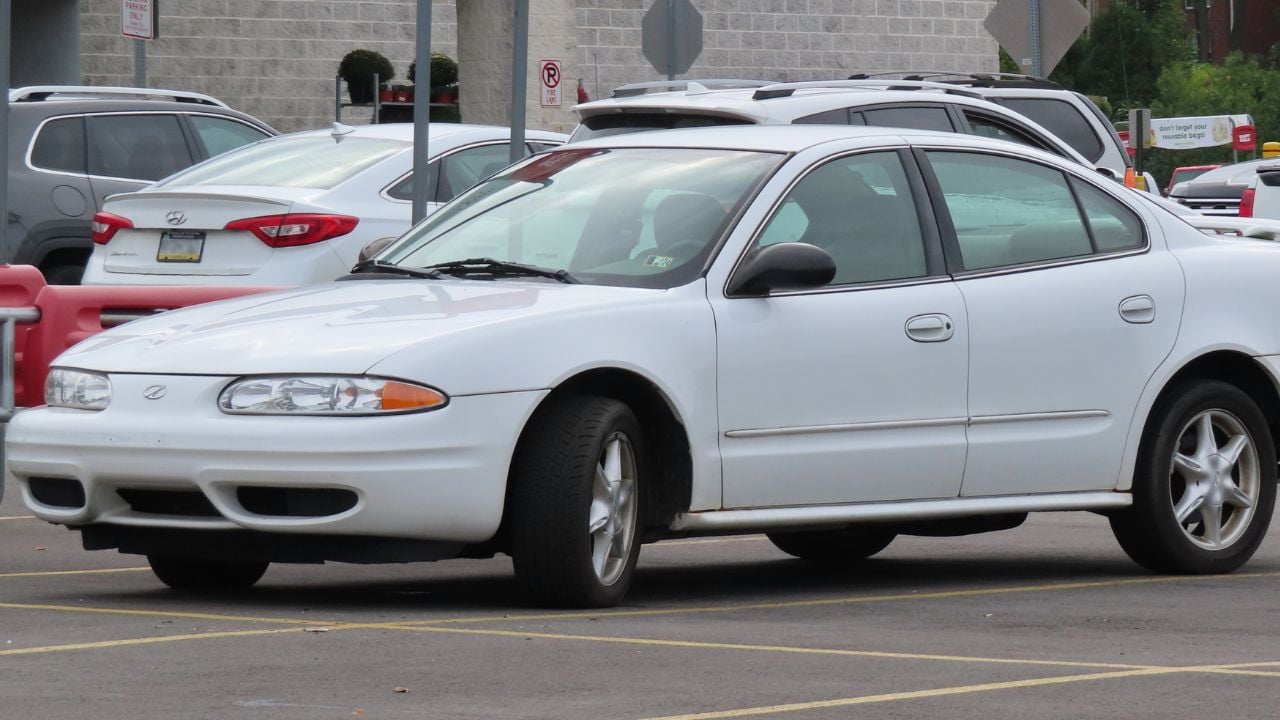
Oldsmobile: a name that once meant something. Founded back when horses still shared the road with cars, Olds pioneered the automatic transmission and spent decades building “Your Father’s Oldsmobile” — until they realized that was exactly the problem.
By the 1990s, Oldsmobile had become GM’s automotive equivalent of beige paint. The 2004 Alero, their final production car, perfectly encapsulated this tragic decline. Here was a mid-size sedan so aggressively vanilla that it made a Toyota Camry look exciting. Built in Lansing, Michigan (because where else would you build automotive sadness?), the Alero offered all the passion of an insurance seminar.
When the final Alero rolled off the line on April 29, 2004, it marked the end of 107 years of slowly declining relevance. That last car now sits in GM’s Heritage Center, presumably next to a plaque reading “What Happens When You Forget What Made You Special.” The Alero wasn’t offensive: it was worse. It was forgettable.
Pontiac G8: The End of Driving Excitement
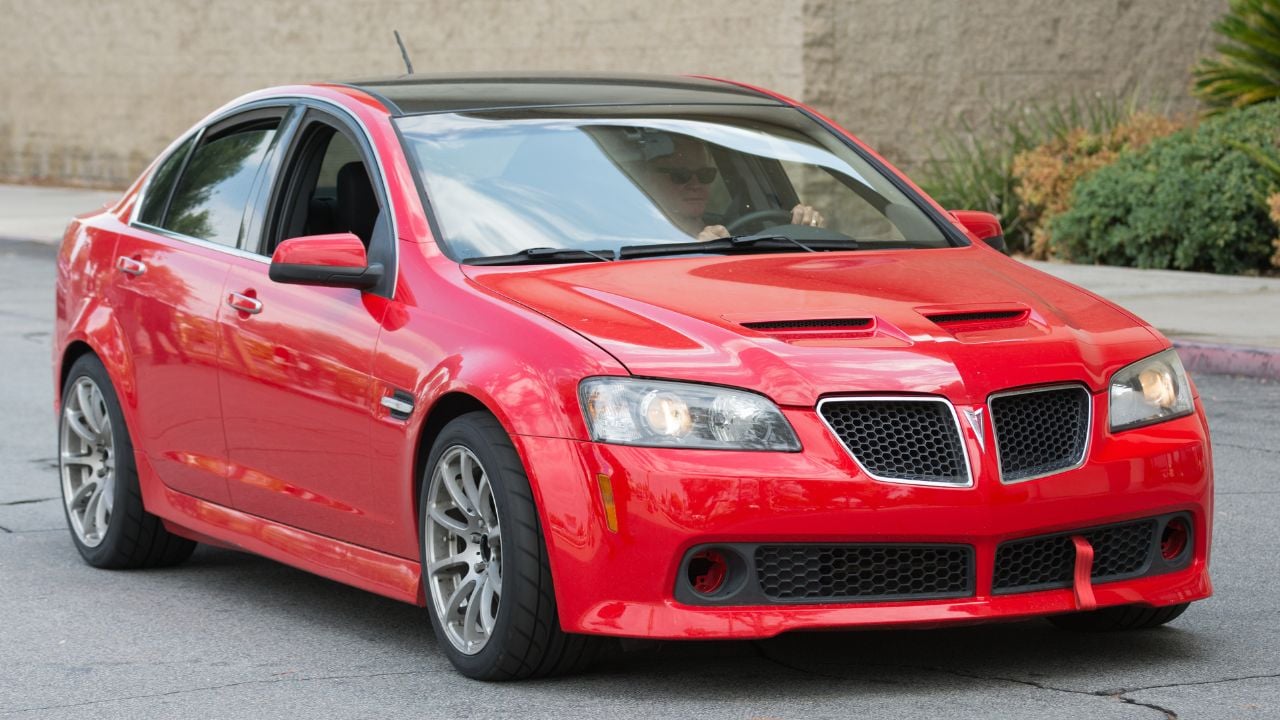
Pontiac built its reputation on one simple promise: excitement. GTO, Firebird, Trans Am — these weren’t just cars, they were automotive adrenaline delivered with a side of tire smoke. Then the 2000s happened, and Pontiac became another badge-engineering victim, slapping arrowheads on rebadged Daewoos and wondering why nobody cared.
The G8 was Pontiac’s Hail Mary, and dang if it wasn’t a good one. Based on the Australian Holden Commodore (because Australians know how to build a proper sedan), the G8 delivered rear-wheel drive, a choice of punchy V6 or rowdy V8 power, and handling that reminded you why people used to get excited about Pontiacs. Car journalists finally had something nice to say about the brand again.
Unfortunately, the G8 arrived just in time to watch Pontiac die. GM’s 2009 bankruptcy sealed the deal, and production ended after just two model years. While the last official Pontiac was technically a 2010 G6 (because even death couldn’t spare us from that penalty box), the G8 was the last car that actually deserved the arrowhead badge.
Today, clean G8s command serious money from enthusiasts who appreciate what might have been.
Zastava Yugo: The Last Affordable Icon
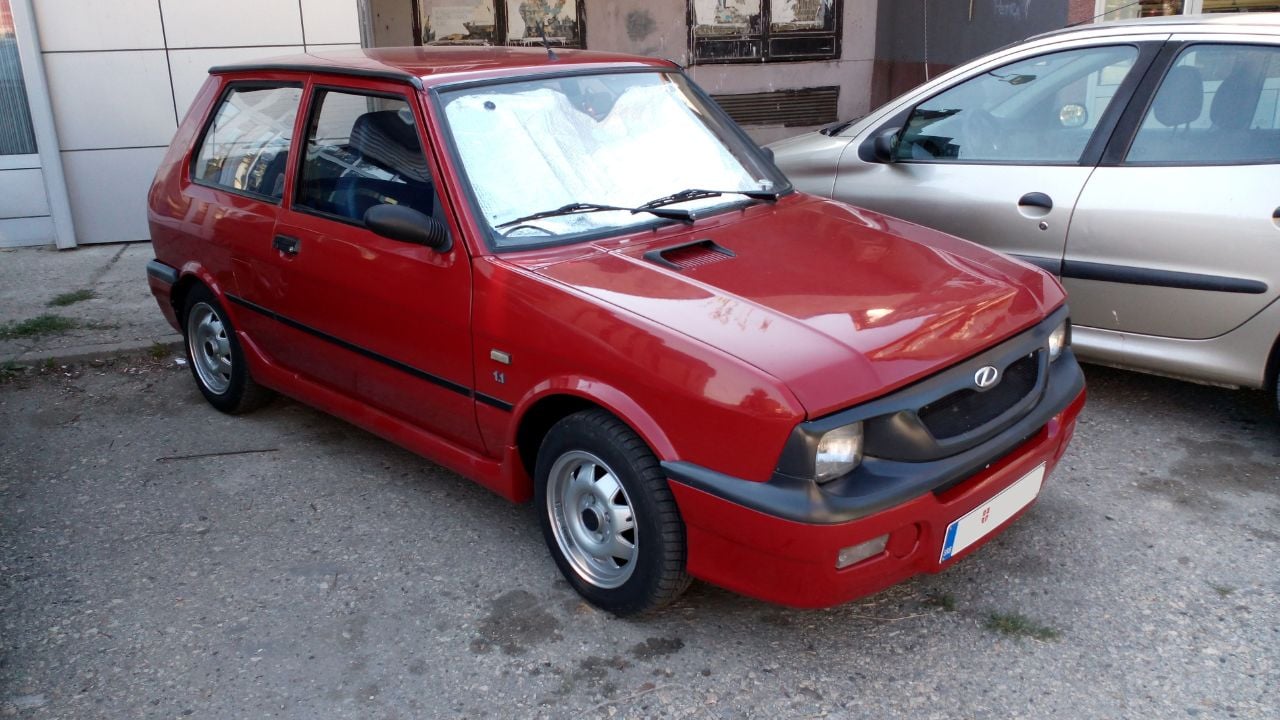
Ah, the Yugo. Where do you even begin with this glorious disaster? Zastava Automobiles took a basic Fiat 127 design, applied Serbian cost-cutting techniques that would make a penny-pinching accountant weep, and somehow convinced Americans that $3,990 could buy them a real car. Spoiler alert: it couldn’t.
The Yugo wasn’t just unreliable: it was creatively unreliable. Windows fell out, doors fell off, and the electrical system had less consistency than a politician’s promises. Yet somehow, this mechanical basket case developed a cult following among people who appreciate automotive masochism.
The final Yugo Koral rolled out in November 2008, ending a 23-year run of proving that “affordable” and “functional” weren’t always compatible. With a whopping 55 horsepower (on a good day), the Koral maintained Zastava’s proud tradition of building cars that made walking seem appealing.
Today, surviving Yugos are cherished by a small but dedicated group of enthusiasts who understand that sometimes the best car stories come from the worst cars.
Studebaker Cruiser: The Last American Independent
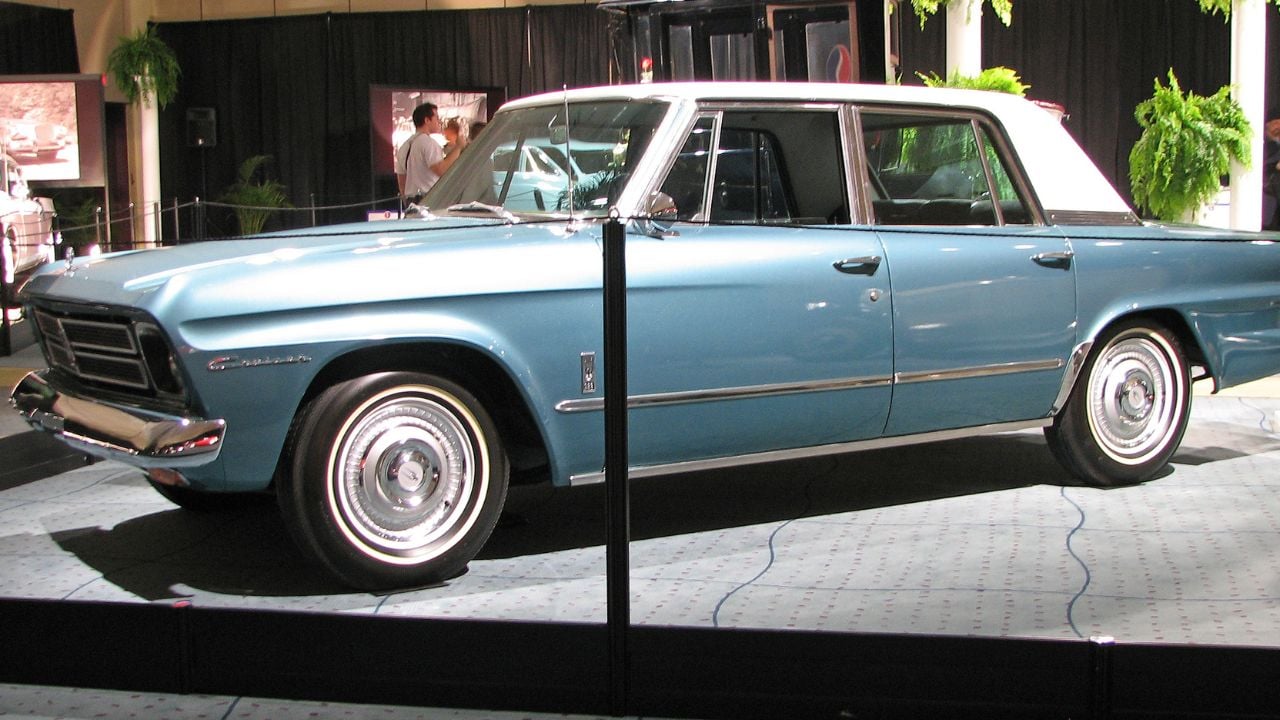
Studebaker started building horse-drawn wagons in the 1850s and probably should have stuck with them. After transitioning to automobiles, they spent decades creating genuinely innovative designs like the sleek Avanti and the prescient Lark compact. But innovation doesn’t pay the bills when you’re fighting Ford, GM, and Chrysler with a budget smaller than their coffee allowance.
The 1966 Cruiser became Studebaker’s epitaph — a perfectly competent sedan built in Hamilton, Ontario (because even their final act had to be in exile from Detroit). With its clean lines and solid construction, the Cruiser was everything a mid-’60s family sedan should be. The problem? Nobody cared about “should be” when they could buy a Chevelle or Fairlane from dealers who weren’t going out of business.
When the last Cruiser rolled off the line in March 1966, it ended America’s last truly independent automaker. Sure, AMC was still kicking around, but they were already showing signs of the desperation that would eventually birth the Pacer. The Cruiser represented the end of an era when small companies could still dream big — and occasionally build something worthwhile before reality crushed their dreams.
Daewoo Lacetti: The End of a Korean Contender
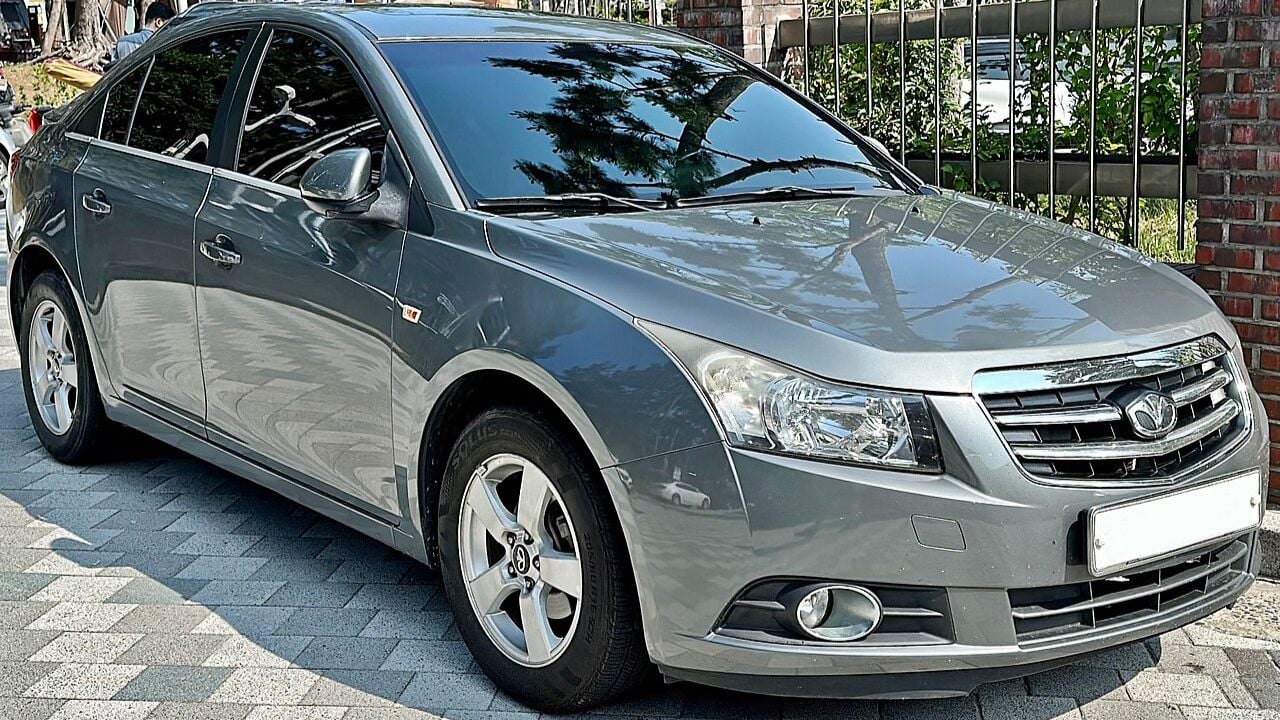
Daewoo Motors burst onto the scene in 1983 with the kind of aggressive expansion that would make a tech startup blush. They wanted to be Korea’s answer to Toyota, selling affordable cars to emerging markets worldwide. For a while, it almost worked. The Lanos and Nubira gave budget-conscious buyers basic transportation at prices that made sense.
Then the Asian financial crisis hit like a financial wrecking ball, and Daewoo’s debt-fueled expansion strategy collapsed faster than a house of cards in a hurricane. GM swooped in during 2002, picking through the wreckage like automotive vultures.
The Lacetti, Daewoo’s final model, perfectly exemplified the brand’s approach: practical, affordable, and completely devoid of personality. This compact sedan offered decent fuel economy and reliability (a significant improvement over earlier Daewoos), but all the charisma of a beige refrigerator. When GM pulled the Daewoo badges in 2011, the Lacetti lived on as various Chevrolets and Holdens, proving that sometimes the best thing about a car is losing its original name.
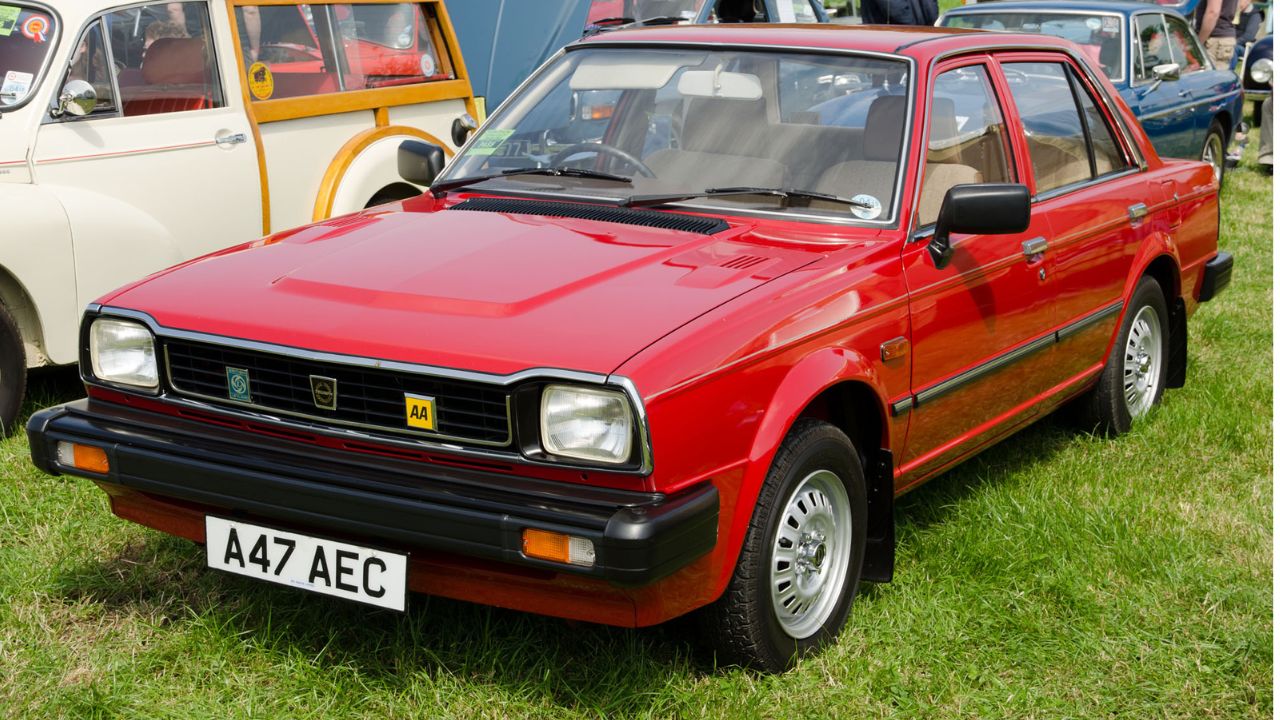
Triumph Acclaim: A Storied Name’s Last Salute
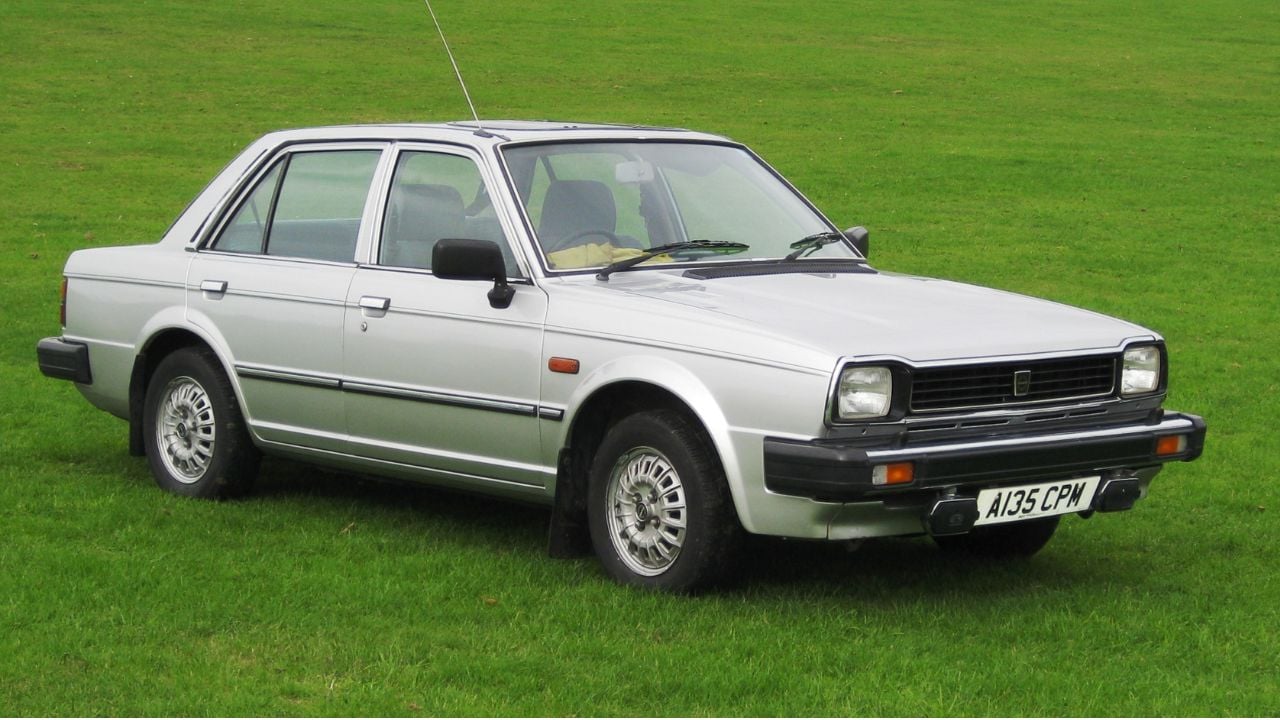
Triumph built some of the most beautiful sports cars ever to grace British roads. The TR6, Spitfire, GT6 — these were machines that made your heart skip a beat and your wallet cry. They embodied everything wonderful about British motoring: style, character, and the constant threat of roadside breakdowns.
By the late 1970s, Triumph was drowning in British Leyland’s sea of incompetence. Labor strikes, quality control disasters, and management decisions that defied logic had reduced the brand to a shadow of its former glory. The solution? Partner with Honda and sell a rebadged Ballade.
The 1984 Acclaim was everything Triumph wasn’t supposed to be: reliable, practical, and soul-crushingly boring. Based on Honda’s proven platform, it offered Japanese dependability wrapped in generic British styling. While Triumph fans mourned the death of driving passion, ordinary buyers finally got a Triumph that wouldn’t leave them stranded. When production ended in 1984, it marked the end of a marque that had forgotten what made it special in the first place.
Plymouth Neon: The Quiet Exit of a Chrysler Icon
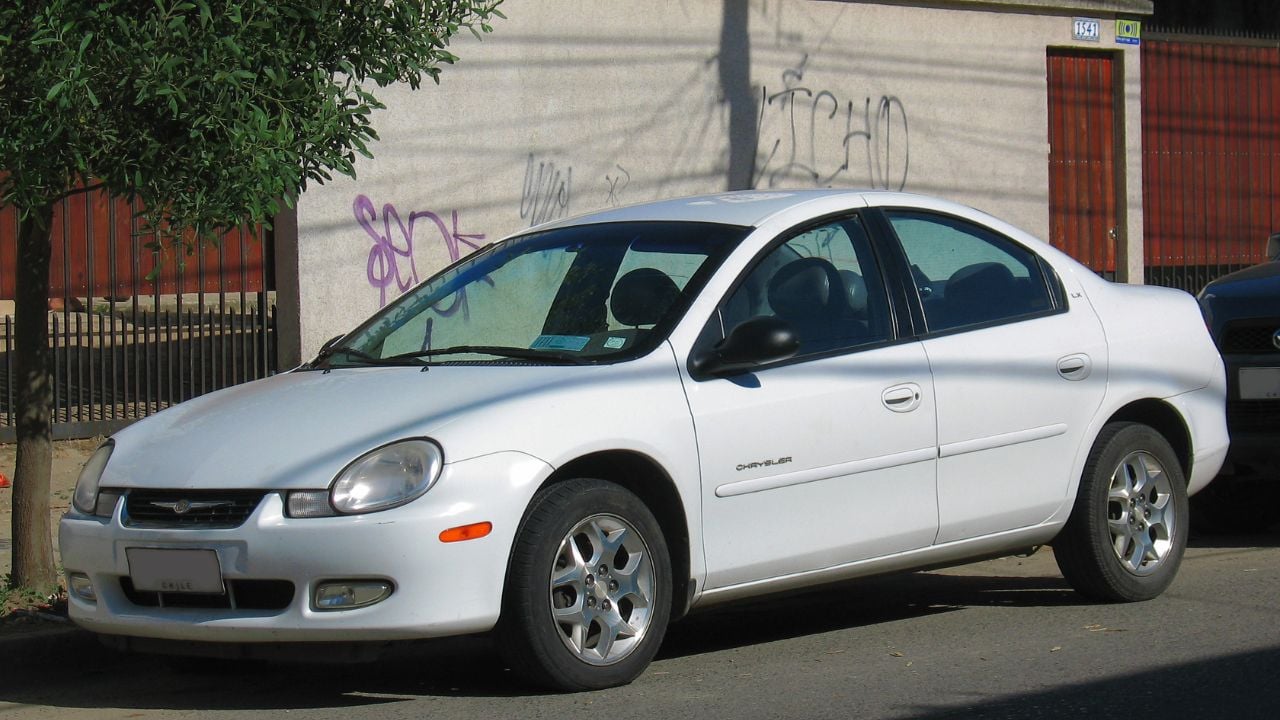
Plymouth’s obituary should read: “Died of corporate neglect and badge engineering.” Launched in 1928 as Chrysler’s affordable brand, Plymouth spent decades building sensible cars for sensible people. The Barracuda and Road Runner proved they could do excitement when they tried, but by the 1990s, Plymouth had become Chrysler’s vestigial organ: present, but nobody could explain why.
The final Plymouth Neon perfectly captured the brand’s terminal identity crisis. Identical to the Dodge version in every way that mattered, it offered buyers absolutely no reason to choose Plymouth over its corporate sibling. No special features, no unique styling, no compelling sales pitch: just another generic compact sedan with a different grille.
When the last Neon rolled out in 2001, Plymouth died with a whimper rather than a bang. No farewell edition, no commemorative badges, just a quiet fade to black after 73 years of increasingly irrelevant existence. The Neon itself wasn’t terrible (damning with faint praise, but there it is), but as Plymouth’s final act, it perfectly illustrated why the brand deserved to die.
International Harvester Scout II: The End of an Off-Road Pioneer
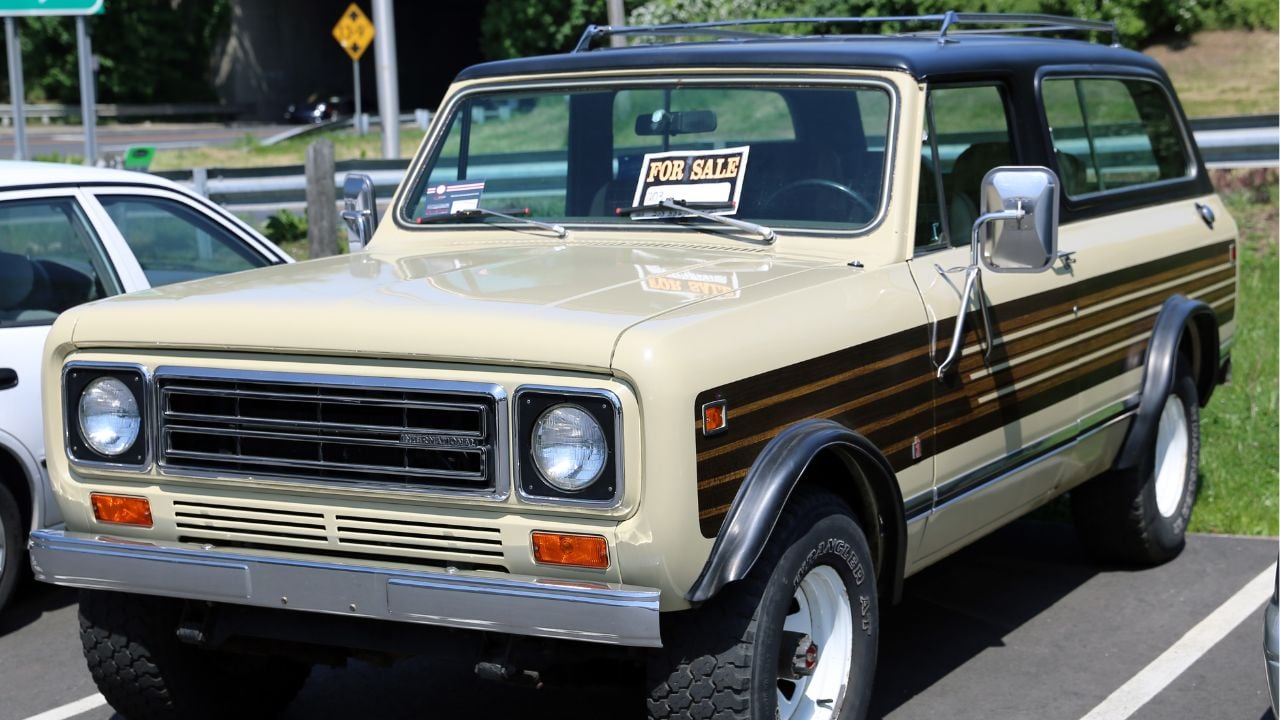
Before SUVs were soccer mom mobiles, they were honest work trucks for people who actually needed four-wheel drive. International Harvester understood this better than most, having spent decades building agricultural and commercial vehicles that prioritized function over flash.
The Scout, introduced in 1961, predated the Ford Bronco and Chevy Blazer by years. While those Johnny-come-lately competitors focused on style, IH built the Scout for people who needed to haul hay, pull trailers, and bash through terrain that would make a Jeep nervous. The Scout II, introduced in 1971, refined the formula without losing the agricultural honesty.
By 1980, International Harvester faced the same problems plaguing American industry: foreign competition, labor disputes, and management that couldn’t adapt to changing markets. The final Scout II rolled out in 1980 as IH abandoned the consumer market to focus on commercial and agricultural equipment.
Today, Scout IIs are cult classics among off-road enthusiasts who appreciate their agricultural DNA and couldn’t care less about luxury features. Sometimes honest utility beats luxury pretense.
AMC Eagle: The Final Innovation of an Underdog

American Motors Corporation was the scrappy underdog that refused to die quietly. Born from the merger of Nash and Hudson in 1954, AMC spent decades proving that small companies could still innovate while the Big Three slept through the 1970s.
The AMC Eagle represents everything wonderful and tragic about AMC. Introduced in 1980, it combined a station wagon body with four-wheel drive, essentially creating the first crossover SUV a decade before the market was ready. While other manufacturers were still building body-on-frame trucks, AMC offered car-like comfort with genuine off-road capability.
The Eagle should have been AMC’s salvation. Instead, it became their expensive farewell gift to the automotive world. Despite critical acclaim and genuine capability, sales never justified the development costs. When Chrysler acquired AMC in 1987, it kept the Jeep brand and let everything else die. The last AMC Eagle rolled out in 1988, ending America’s most creative also-ran automaker.
The Eagle’s DNA lives on in every modern crossover — too bad AMC wasn’t around to profit from their innovation.
Scion tC: The Last Chapter of a Bold Experiment
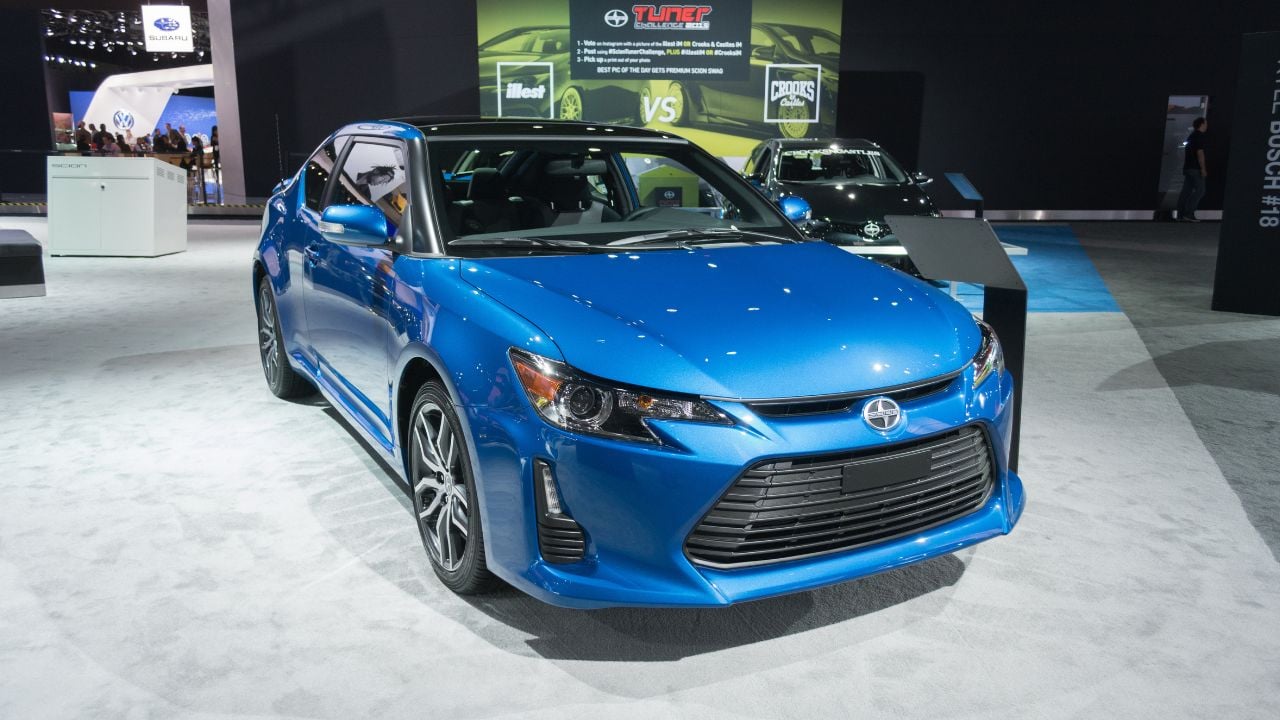
Toyota’s Scion experiment deserves credit for trying something different in an industry obsessed with playing it safe. Launched in 2003, Scion promised to revolutionize how young people bought cars: no-haggle pricing, customization-friendly designs, and marketing that actually acknowledged the internet existed.
The original xB and tC proved the concept could work. The boxy xB became a cult hit among urban creatives, while the sporty tC offered legitimate performance at an affordable price. Scion dealerships felt different — younger, hipper, less like traditional car lots.
But millennial car buyers proved to be a moving target. As the 2010s progressed, young buyers migrated toward crossovers and SUVs just like everyone else. Scion’s small-car lineup suddenly felt as relevant as a flip phone. Toyota tried updating the formula, but the magic was gone.
The final tC rolled out in August 2016, ending Toyota’s 13-year youth experiment. While the tC itself was a solid sporty coupe with a naturally aspirated 2.5-liter engine (remember when those existed?), it couldn’t save a brand that had lost its way.
Today, former Scion models soldier on as Toyotas, proving that sometimes the best way to save a good car is to kill the badge.
DeLorean DMC-12: A Stainless Steel Legacy

The DeLorean DMC-12 proves that sometimes spectacular failure creates better legends than modest success. John DeLorean left a cushy GM executive job to build his dream car: a futuristic sports car with stainless steel bodywork and gull-wing doors that looked like nothing else on the road.
The DMC-12 delivered on the visual drama. Those brushed steel body panels and dramatic doors made every other sports car look conventional. Unfortunately, DeLorean’s team forgot to actually make the car good. The PRV V6 engine (a French compromise nobody asked for) produced a pathetic 130 horsepower, making the DMC-12 slower than most family sedans. Quality control was optional, and the price was astronomical.
When John DeLorean got arrested in a cocaine sting operation in 1982 (he was later acquitted, but the damage was done), it ended any hope of saving the company. The last DMC-12 rolled out of the Northern Ireland factory in late 1982, after just 9,000 units and massive losses for everyone involved.
The car should have been forgotten; instead, Back to the Future made it immortal. Sometimes Hollywood does better marketing than automakers.
Packard Patrician: The Last True Packard
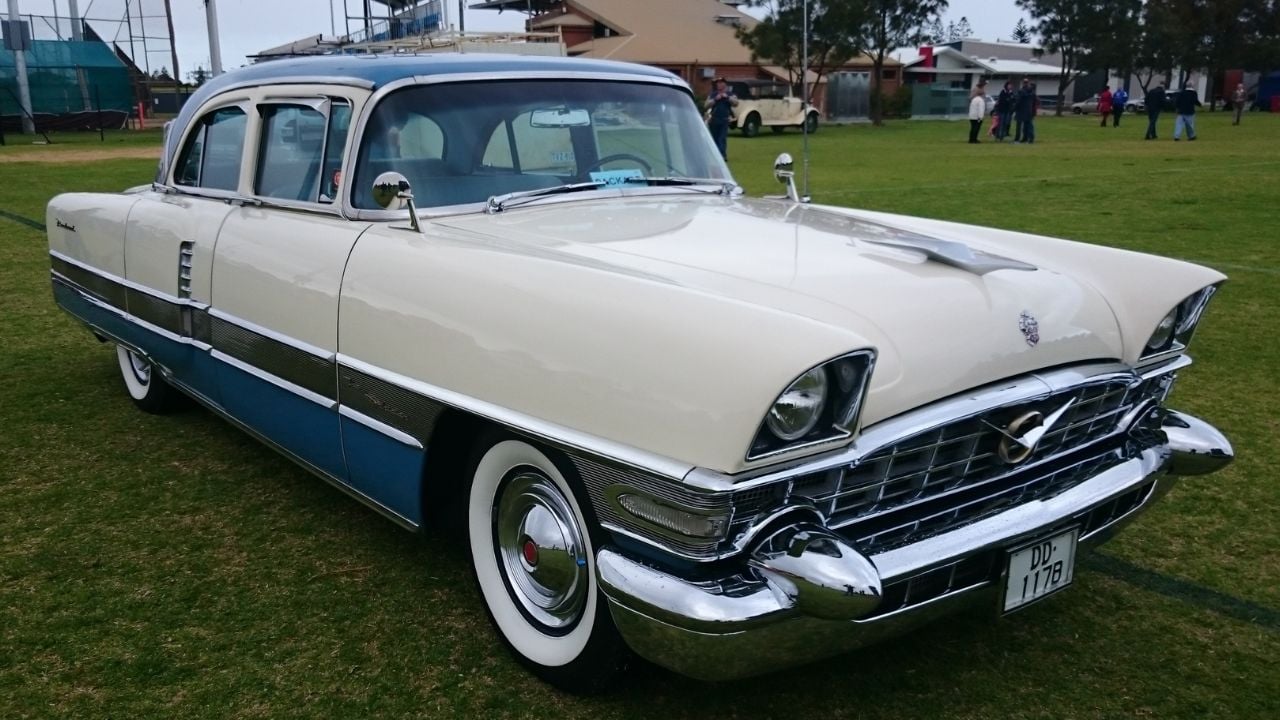
Packard once rivaled Cadillac for American luxury supremacy. Their “Ask the Man Who Owns One” slogan wasn’t marketing fluff — Packard owners were genuinely satisfied with their elegant, well-engineered automobiles. The Patrician represented everything Packard did right: understated styling, advanced engineering, and build quality that justified the premium price.
But by the mid-1950s, Packard faced an impossible situation. Cadillac had better marketing, deeper pockets, and modern production facilities. Packard’s aging Detroit factory couldn’t compete with GM’s efficiency, and its smaller dealer network meant fewer sales opportunities.
The 1956 Patrician became the last true Packard: the final car fully designed and engineered by Packard before the disastrous merger with Studebaker. Later “Packards” were just Studebakers with fancy trim, a badge-engineering exercise that fooled nobody. When the last real Patrician left the factory, it ended an era of American luxury that prioritized engineering excellence over marketing hype.
Modern luxury car buyers don’t know what they missed.
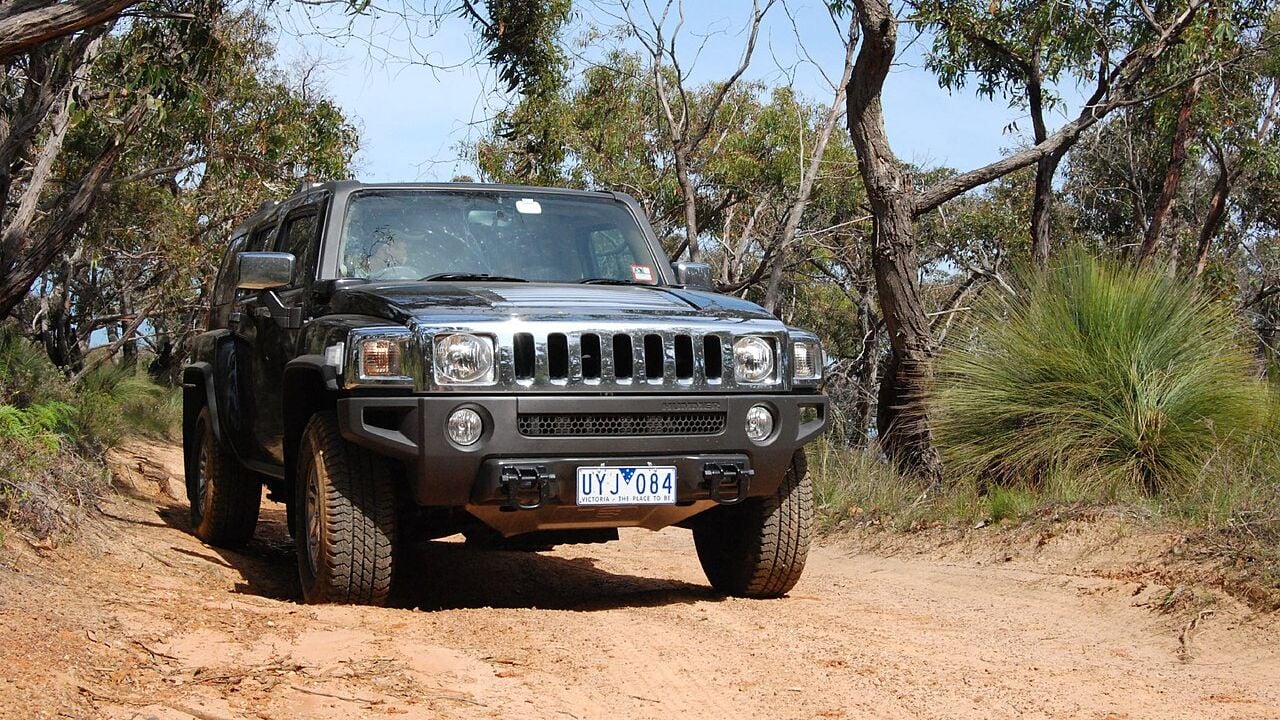
Hummer H3: The End of a Gas-Guzzling Icon
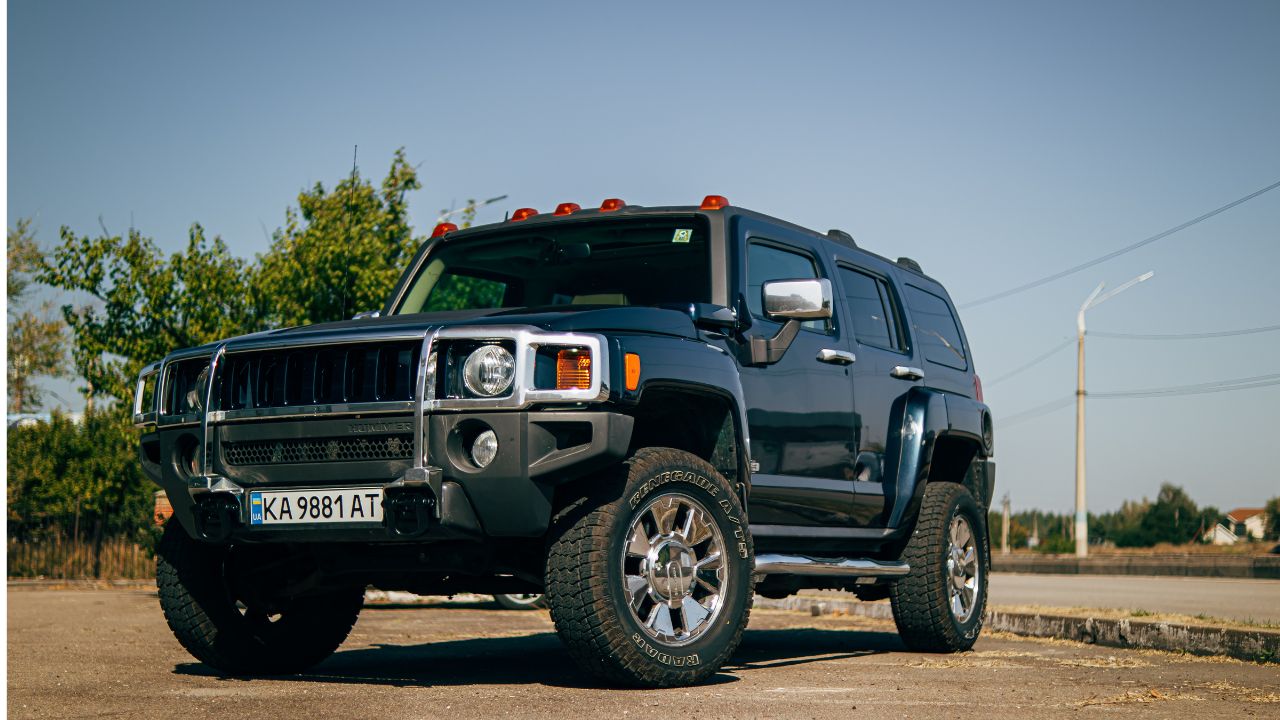
The Hummer H1 was peak 1990s excess: a civilian version of the military Humvee that made every other SUV look like a golf cart. It was ridiculously impractical, hilariously thirsty, and absolutely perfect for people who wanted to announce their arrival from three blocks away.
GM’s decision to expand Hummer into the H2 and H3 made financial sense — until it didn’t. The H3, introduced in 2005, tried to make the Hummer brand accessible to normal humans. Built on a modified Colorado pickup platform, it offered legitimate off-road capability in a package that could actually fit in parking spaces.
The H3 was genuinely competent. Its 3.7-liter five-cylinder engine (yes, five cylinders) provided adequate power, and the truck’s off-road prowess was undeniable. But by 2008, $4-per-gallon gas made Hummer ownership feel morally questionable, and the brand became a lightning rod for environmental criticism.
GM’s bankruptcy in 2009 sealed Hummer’s fate. A planned sale to a Chinese company fell through, and the last H3 rolled out in 2010. The brand that once symbolized American excess died just as Tesla was convincing people that electric cars could be cool. Today, the new GMC Hummer EV carries the name but none of the original’s gloriously wasteful character.
Holden Commodore: The Final Australian Icon
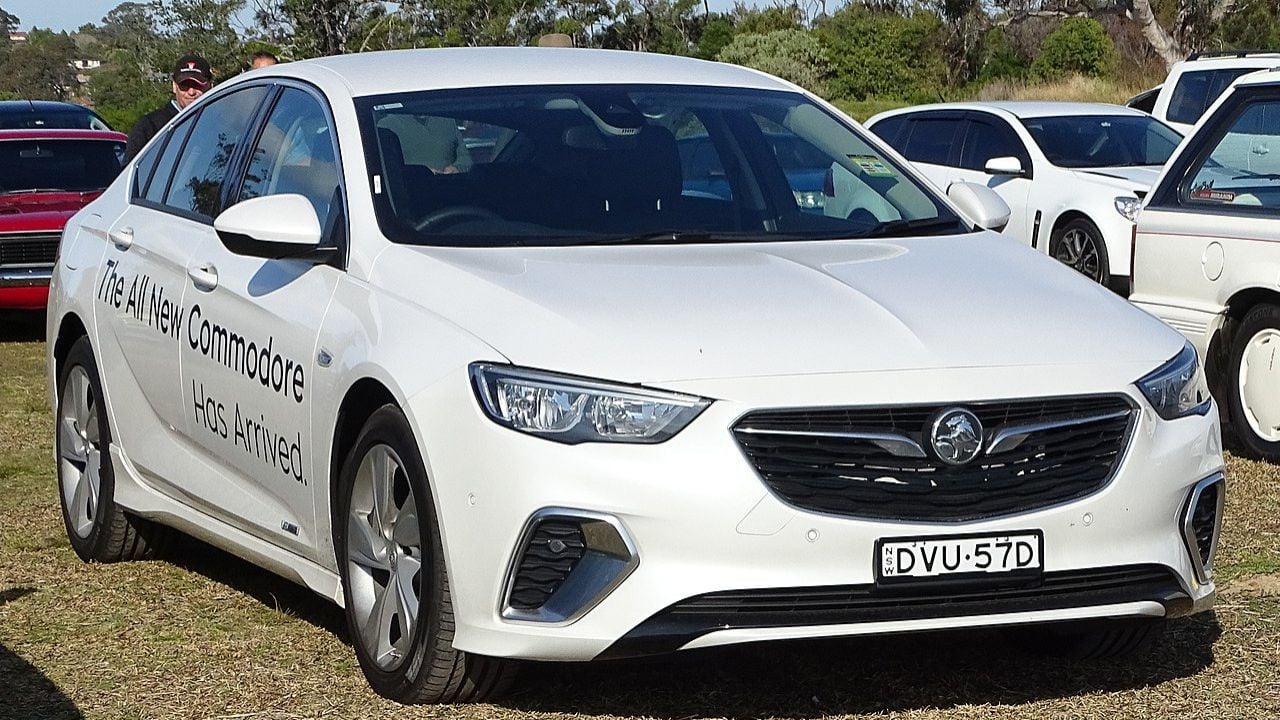
Holden wasn’t just a car brand in Australia — it was a cultural institution. “Football, Meat Pies, Kangaroos and Holden Cars” wasn’t just an advertising jingle; it captured something essential about Australian identity. The Commodore dominated local roads for decades, offering performance, practicality, and genuine local engineering.
The Commodore’s dominance peaked in the 1990s and 2000s, when it battled Ford’s Falcon for supremacy in Australian motorsport and showrooms. These were more than family sedans. They were more like 300+ horsepower weapons that could embarrass European sports cars while hauling a week’s groceries. The HSV versions pushed the envelope even further, creating some of the most powerful sedans ever built.
But global economics eventually won. Rising production costs, declining sedan sales, and GM’s global consolidation strategy doomed local manufacturing. When Holden shut down Australian production in 2017, they imported rebadged Opels and called them Commodores — a move that fooled nobody.
GM officially killed Holden in 2020, making the final imported Commodore the end of not just a brand, but Australian automotive independence. The last cars were quietly sold off, ending 164 years of Holden history. Today, surviving Commodores are cherished symbols of what Australian automotive engineering could achieve when given the chance.
Sterling 827: A British Luxury Experiment Ends

Sterling represented British ambition colliding with American reality. Launched in 1987, the brand promised to bring refined European luxury to American buyers at competitive prices. Based on the Rover 800 Series and co-developed with Honda, Sterling cars shared mechanicals with the Acura Legend but offered more traditional styling and upscale interiors.
On paper, Sterling made sense. The 827 sedan offered Acura Legend reliability with British luxury touches at a reasonable price. Early reviews praised the driving dynamics and interior quality, suggesting Sterling might carve out a profitable niche between mainstream and premium brands.
Reality proved less cooperative. Sterling suffered from chronic reliability issues that no amount of Honda engineering could overcome. Quality control problems, electrical gremlins, and a weak dealer network destroyed consumer confidence faster than British Leyland could in its prime. By 1991, American buyers had learned to avoid Sterling showrooms like they were selling smallpox.
The 827 became Sterling’s final offering, ending a four-year experiment in premium badge engineering. While the concept wasn’t terrible, the execution proved that British luxury brands needed more than Honda mechanicals to succeed in America.
Today, surviving Sterlings are rare curiosities — reminders of how not to enter the luxury market.
Saturn Aura: The End of GM’s “Different Kind of Car Company”
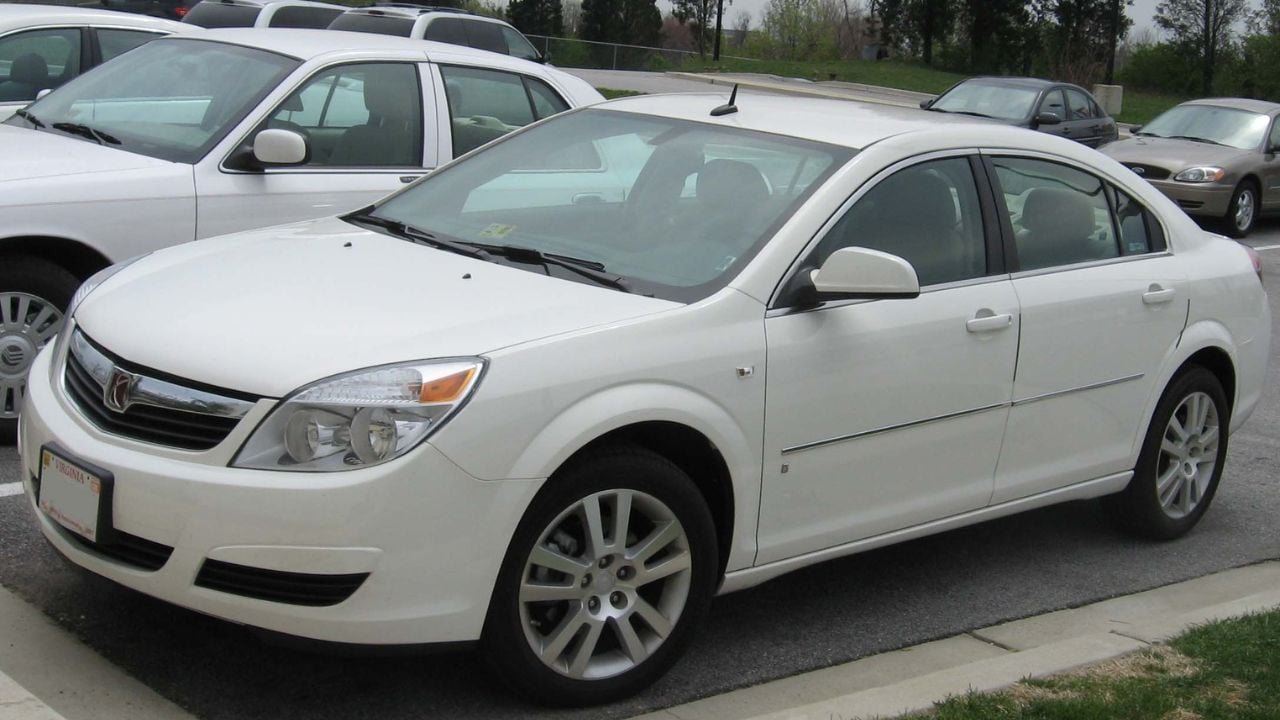
Saturn’s launch in 1985 promised a revolution: no-haggle pricing, customer-first service, and cars designed from scratch rather than rebadged from existing platforms. The original S-Series proved the concept could work, attracting buyers who were tired of traditional dealer experiences and generic products.
For a while, Saturn actually was different. Their Spring Hill, Tennessee, factory operated more like a tech company than a traditional auto plant, and the cars developed a genuine following among people who appreciated their honest simplicity and practical design.
But success breeds corporate meddling. GM gradually folded Saturn into its global operations, replacing unique designs with rebadged Opels and other international models. The 2010 Aura, Saturn’s final sedan, was a perfectly competent mid-size car that happened to be identical to the Chevrolet Malibu in everything but badges.
When GM killed Saturn during the 2009 bankruptcy, it ended one of the most interesting experiments in American automotive history. The Aura wasn’t bad — it was worse than bad: it was meaningless. After 25 years of promising to be different, Saturn died building cars that could have been sold by any GM division.
Rover P6: The Last Car Before the Leyland Merger
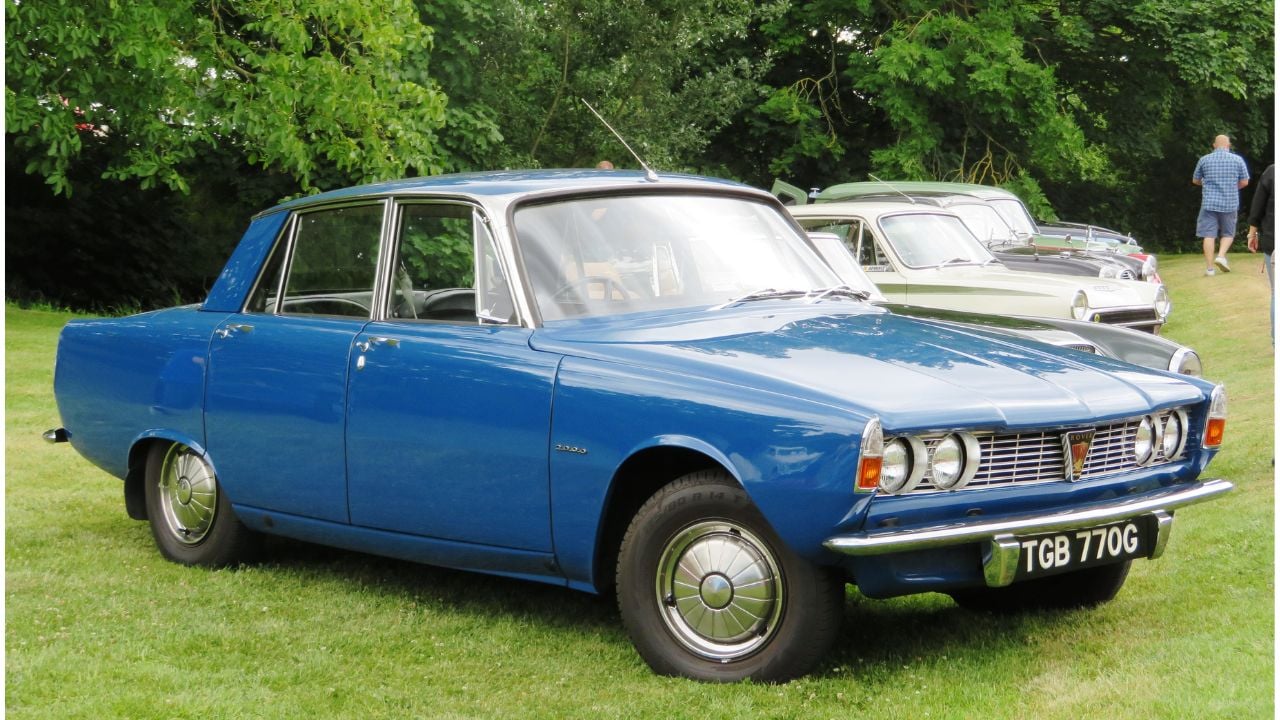
The Rover P6 represents British automotive engineering at its innovative peak. Introduced in 1963, the P6 featured advanced safety engineering, sophisticated suspension design, and styling that looked modern decades later. Available with elegant four-cylinder engines or the later Buick-derived V8, the P6 combined performance with refinement in ways that impressed journalists and owners alike.
The P6’s 1967 European Car of the Year award wasn’t marketing fluff — this was genuinely advanced engineering wrapped in attractive bodywork. De Dion rear suspension, disc brakes, and crumple zones were exotic features in 1963, but Rover made them standard equipment.
Unfortunately, Rover’s independence ended with the 1967 merger with Leyland Motors. While the P6 continued production until 1977, it represented the last car developed entirely under Rover’s own management. Later Rovers bore the scars of British Leyland’s corporate chaos and cost-cutting measures.
The final P6s, particularly the 3500 V8 versions, remain highly desirable classics. They represent a brief moment when British engineering excellence wasn’t compromised by corporate politics or financial desperation. Modern Rover buyers can only dream of such sophisticated simplicity.
Edsel Ranger: The Last Chapter of Ford’s Biggest Gamble
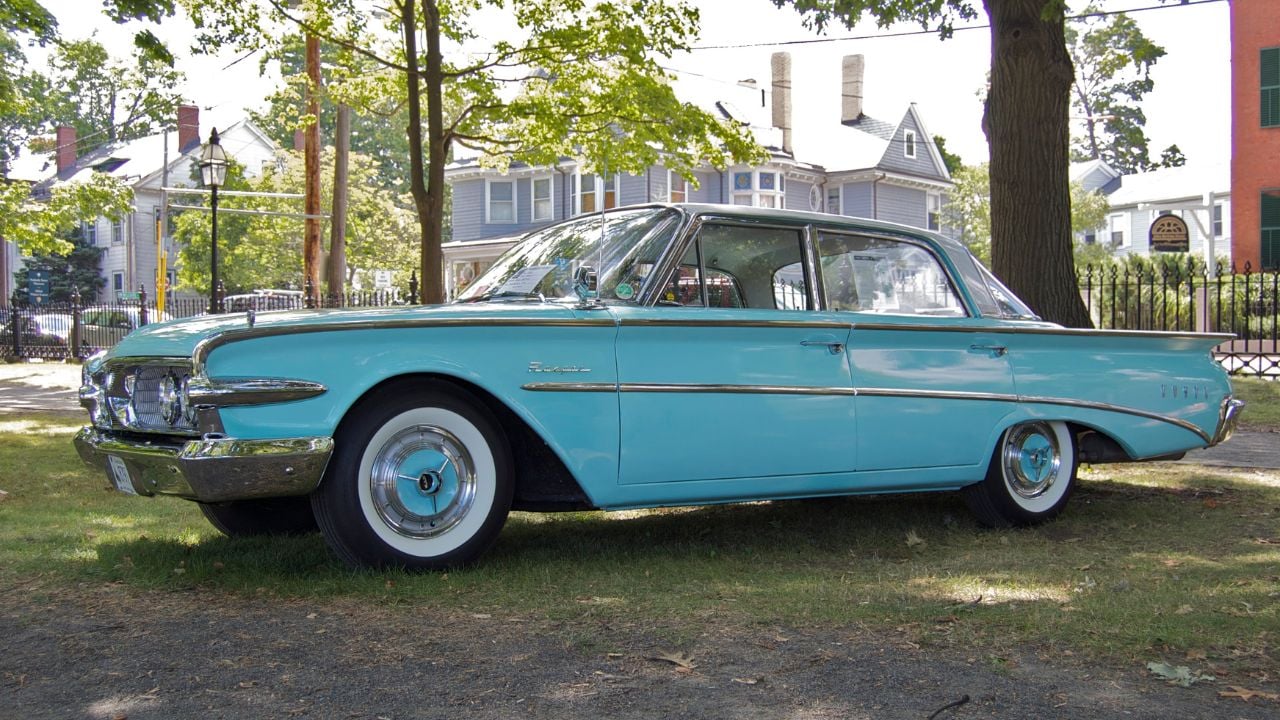
The Edsel debacle proves that massive budgets and extensive market research can’t overcome fundamentally flawed assumptions. Ford spent three years and ungodly amounts of money developing a brand to fill the gap between Ford and Mercury, convinced that American buyers desperately needed another mid-price option.
The 1958 launch was a disaster from day one. The economy tanked just as Edsel arrived, buyers were shifting away from flashy styling, and the cars themselves suffered from quality problems that made early Ford products look reliable. The infamous “horse collar” grille became a symbol of automotive hubris.
By 1960, Ford was desperately trying to minimize their losses. The Ranger became Edsel’s final model, a stripped-down sedan that bore little resemblance to the elaborate early cars. A handful of 1960 Rangers were assembled in late 1959 before Ford pulled the plug permanently in November.
The Ranger’s production run lasted just weeks, making it one of the shortest-lived models in automotive history. Only a few hundred were built, making survivors incredibly rare and valuable to collectors who appreciate spectacular corporate failures. The Edsel name became synonymous with marketing disasters — a legacy that Ford probably didn’t intend.
Morris Ital: The Last Sedan from a British Institution
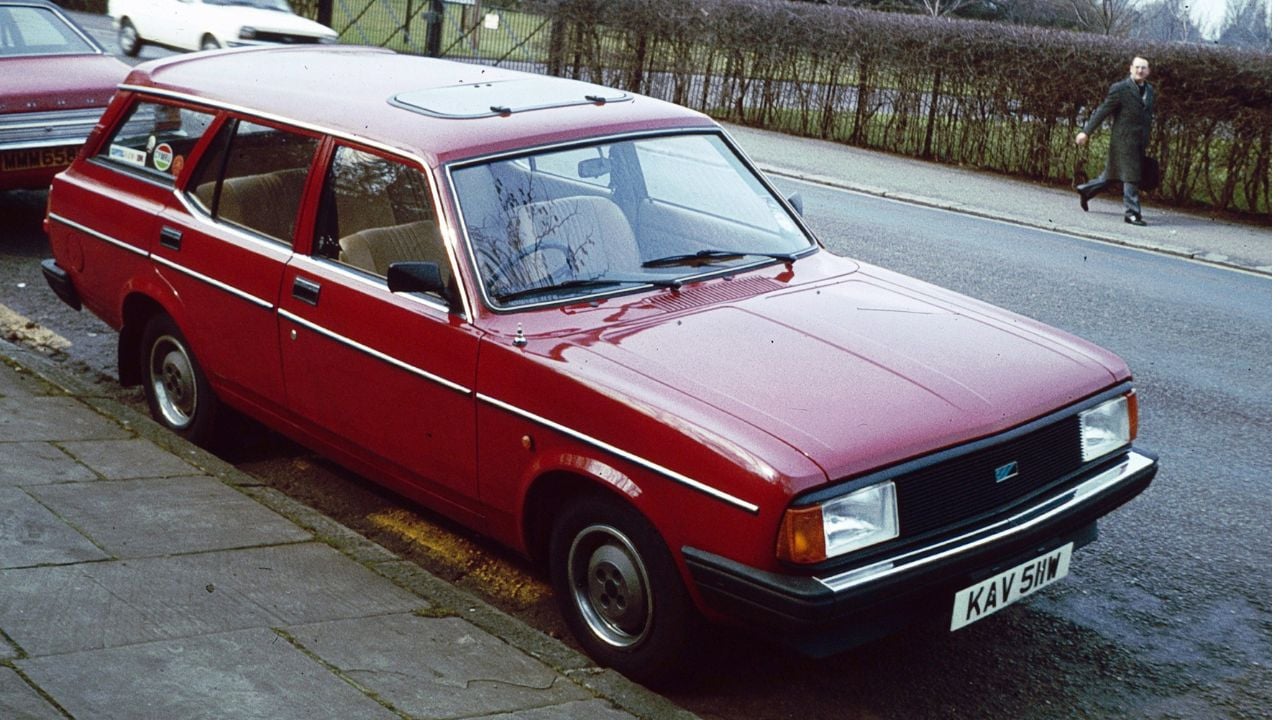
Morris Motors built affordable, practical cars for British families from 1912 through 1984, creating classics like the Morris Minor that defined postwar British motoring. At their peak, Morris represented sensible transportation for sensible people: reliable, economical, and unpretentious.
By the 1980s, the Morris name had lost all meaning within British Leyland’s chaotic badge-engineering exercises. The Ital, Morris’s final car, perfectly captured this decline: a mildly updated version of the unloved Marina that nobody had asked for and few people wanted.
The Ital wasn’t offensively bad — it was just pointless. Why buy a Morris when identical cars were available with Austin badges? British buyers couldn’t answer that question, and Morris sales reflected their confusion. When production ended in 1984, it marked the end of more than 70 years of Morris history with barely a whimper of protest.
Today, Morris Itals are rare because few people bought them when new, and fewer bothered preserving them. They represent everything wrong with British Leyland’s approach to brand management: taking historic names and slapping them on products that deserved neither respect nor remembrance.
Borgward P100: The Last Sedan Before Collapse
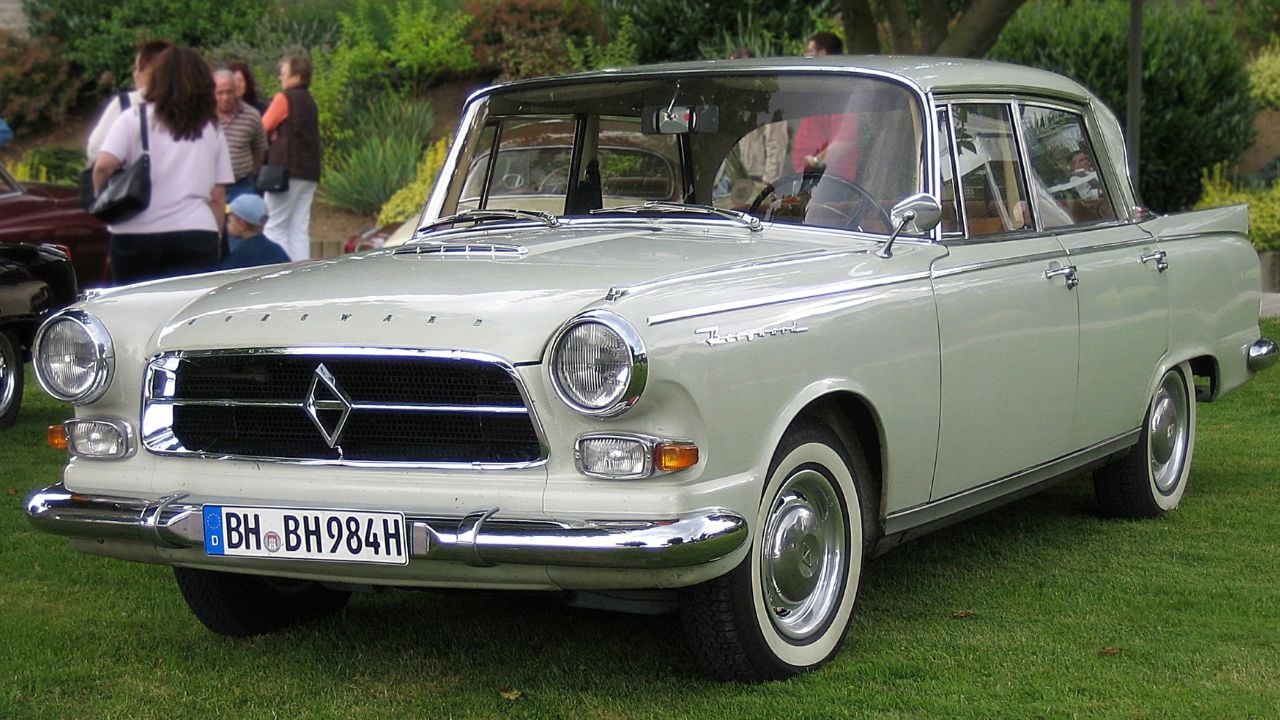
Carl Borgward built some of the most innovative cars in 1950s Germany. The Isabella sedan earned critical acclaim for its styling and engineering, while the brand’s advanced features, like air suspension, appeared years before competitors adopted them. For a brief moment, Borgward looked capable of challenging established German luxury brands.
The P100, introduced in 1959, represented Borgward’s most ambitious project. This luxury flagship featured self-leveling air suspension — a first for any German car — along with sophisticated styling that wouldn’t have looked out of place in a Mercedes showroom. The engineering was genuinely advanced, and the execution was mostly successful.
Unfortunately, Borgward’s ambitions exceeded their resources. Expansion into multiple markets, high development costs, and complex manufacturing processes strained the company’s finances beyond recovery. By 1961, banks were refusing additional credit, and production was becoming sporadic.
The last P100s rolled off the line in 1962 as Borgward declared bankruptcy, ending one of Germany’s most innovative independent automakers. Today, P100s are rare and valuable, representing the brief moment when a small company could still challenge established luxury brands through engineering excellence rather than marketing budgets.
Jensen S-V8: The Last Grasp

Jensen’s resurrection in 2001 seemed like a fairy tale: the legendary British sports car manufacturer returning with a modern interpretation of their classic formula. The S-V8 promised to combine traditional craftsmanship with contemporary performance, using a Ford 4.6-liter V8 to power a sleek two-seat roadster.
The S-V8’s styling was genuinely attractive, and the specification looked promising on paper. A 4.6-liter V8 producing over 300 horsepower should have provided adequate performance, while the hand-built construction promised exclusivity for wealthy enthusiasts.
Reality proved less accommodating. Production was plagued by delays, quality control issues, and the kind of financial problems that had killed Jensen the first time. Only 20-30 cars were ever completed, far short of the planned 300-unit production run. Each S-V8 cost significantly more than originally projected, pricing it out of its intended market.
When Jensen finally collapsed in 2011, it ended the last attempt to revive one of Britain’s most charismatic sports car brands. The S-V8 survivors are now ultra-rare collectibles, representing both the appeal of boutique manufacturing and its inherent limitations in modern markets.
Autobianchi Y10: The Chic City Car’s Farewell
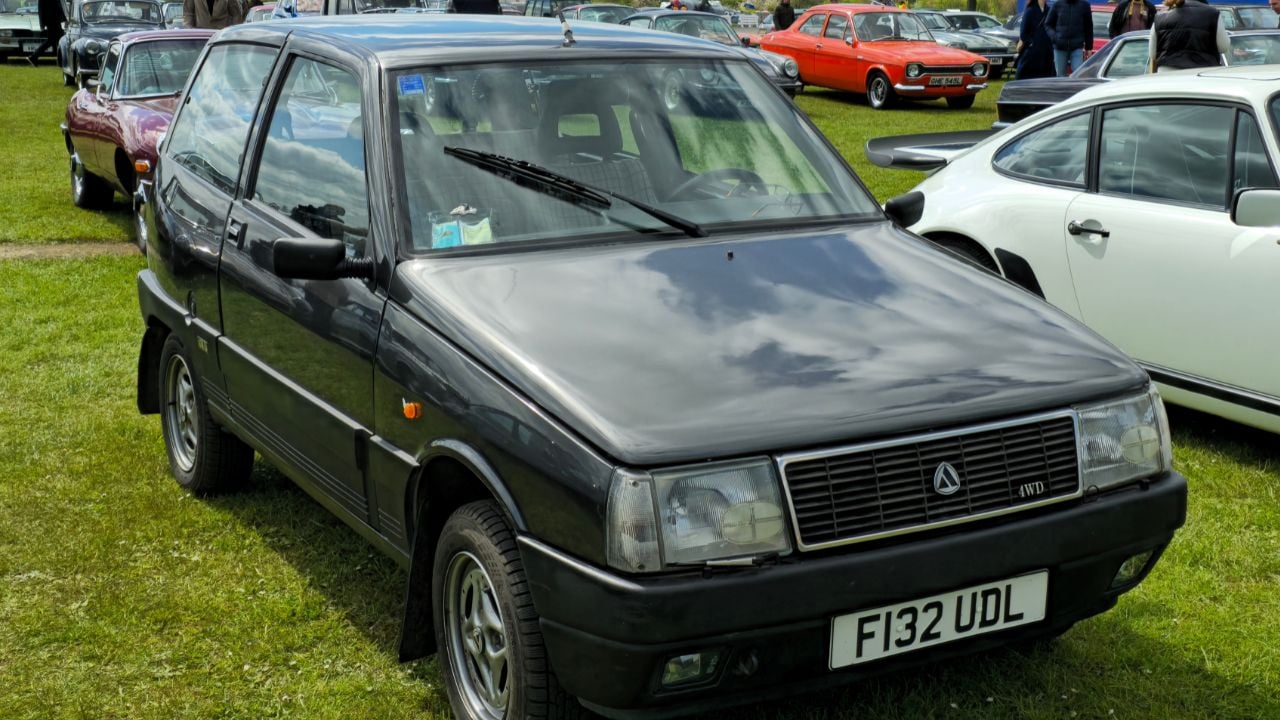
Autobianchi specialized in stylish small cars that served as proving grounds for innovations later adopted by Fiat. From the cute Bianchina to the trendsetting A112, Autobianchi consistently delivered style and sophistication in compact packages that made ordinary city cars seem boring.
The Y10, launched in 1985, continued this tradition. Based on the Fiat Panda platform, it offered distinctive styling, aerodynamic efficiency, and upscale interior appointments that justified its premium pricing. The Y10 became popular across Europe, proving that buyers would pay more for genuine style and refinement.
By the mid-1990s, Fiat decided to consolidate its small car operations under the Lancia banner. The Y10’s successor became the Lancia Y, ending Autobianchi’s 40-year run as Italy’s most stylish small car specialist. The decision made corporate sense, but eliminated one of Europe’s most consistently innovative niche brands.
Today, Y10s are appreciated by enthusiasts who understand the difference between generic transportation and thoughtfully designed automobiles. The final Autobianchis represent an approach to small car development that prioritized character over cost-cutting — a philosophy that didn’t survive corporate consolidation.
Talbot Samba: The Last Small Car Before the Name Faded
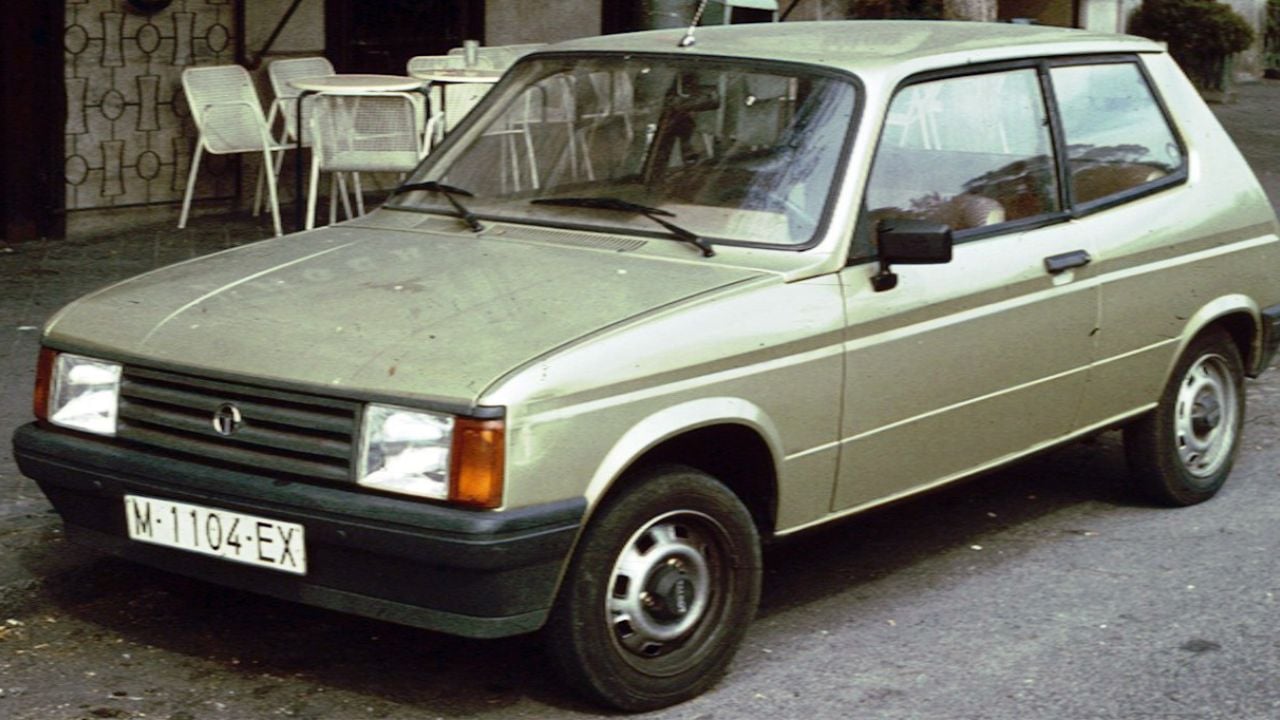
Talbot entered the 1980s as a confused brand with a prestigious heritage and no clear identity. Under PSA ownership, the name was applied to various rebadged Peugeots and Citroëns in a badge-engineering exercise that fooled nobody and satisfied few buyers.
The Samba, introduced in 1981, was Talbot’s attempt to compete in the supermini segment with a car based on the Peugeot 104 platform. While mechanically competent, the Samba offered little to distinguish it from its French siblings beyond different badges and slightly modified styling.
The Samba Cabriolet, designed by Pininfarina, added some genuine appeal to the range. This open-top version offered legitimate style and charm, proving that even badge-engineered cars could be desirable with the right treatment. Unfortunately, cabriolet sales couldn’t justify keeping the entire brand alive.
When the last Samba rolled out in 1986, it ended Talbot’s passenger car production after just five years under PSA ownership. The brand continued building commercial vehicles until 1994, but as a carmaker, Talbot’s story effectively ended with the Samba — a competent car that couldn’t overcome its identity crisis.
Kurogane Baby: The Last Vehicle from Japan’s Early Innovator
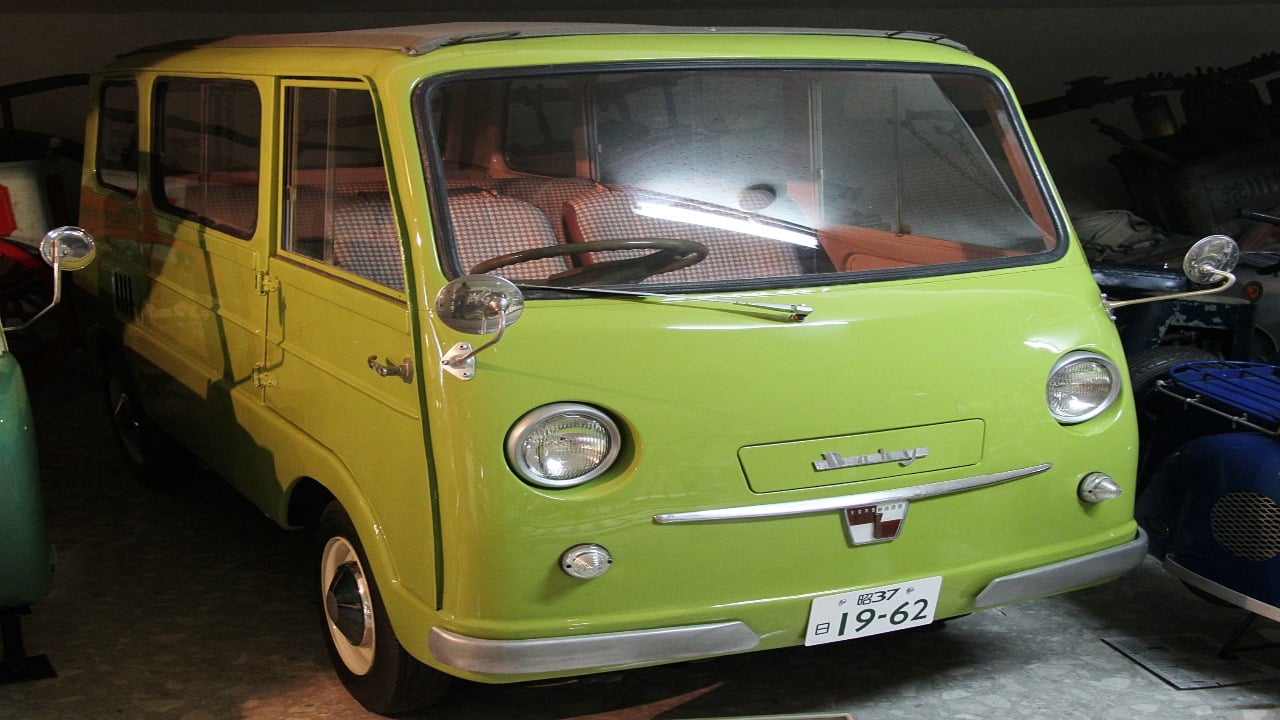
Kurogane deserves recognition as one of Japan’s automotive pioneers, building innovative vehicles during the country’s formative automotive years. The company earned fame with the Type 95, often considered the world’s first mass-produced four-wheel-drive vehicle, proving that Japanese manufacturers could innovate when given the opportunity.
After World War II, Kurogane shifted toward civilian markets with small trucks and cars designed for Japan’s recovering economy. The Baby, introduced in the late 1950s, was a tiny kei truck that prioritized practicality over power, offering basic transportation for small businesses and urban users.
The Baby’s diminutive size and modest power output (probably less than 20 horsepower) made it purely a city vehicle, but it served its intended market well. Unfortunately, Kurogane couldn’t compete with rapidly expanding manufacturers like Toyota and Nissan, which offered better dealer networks and more diverse product lines.
When Kurogane merged with Hino Motors in 1962, it ended one of Japan’s most innovative early automakers. The Baby represents a brief moment when small companies could still succeed through engineering creativity and market focus, qualities that became increasingly rare as the Japanese auto industry consolidated around a few major players.
Why These Death Rattles Matter
Every final car tells the same story with different details: how quickly irrelevance can overtake even established brands, how consumers vote with their wallets rather than their hearts, and how the automotive industry’s relentless pace leaves no room for sentimentality.
Some of these brands died because they forgot what made them special. Others succumbed to economic forces beyond their control. A few simply picked the wrong bet at the wrong time and paid the ultimate price. But they all shared one final moment of hope — that last car rolling off the assembly line, carrying the dreams and delusions of everyone who believed the story could have ended differently.
Today, many of these final models have found new life as collector curiosities, appreciated by enthusiasts who understand that automotive history includes failures alongside successes. Others fade into obscurity, remembered only by obsessive automotive historians and the occasional barn find article.
But they all remind us that in the car business, yesterday’s success means nothing, today’s advantages are temporary, and tomorrow’s survival depends on staying relevant in a world that never stops changing. Every car company currently building vehicles should look at these final models and remember: this is how every automotive story eventually ends.
The question isn’t whether your favorite brand will eventually die — it’s whether their final car will be worth remembering.