
For a decade, China has owned the global EV price war, churning out electric vehicles so cheap they’ve made Western automakers look like they’re bringing a knife to a battery fight. Ford, however, thinks it has found a way to flip the script, not by copying China’s playbook, but by tearing it up.
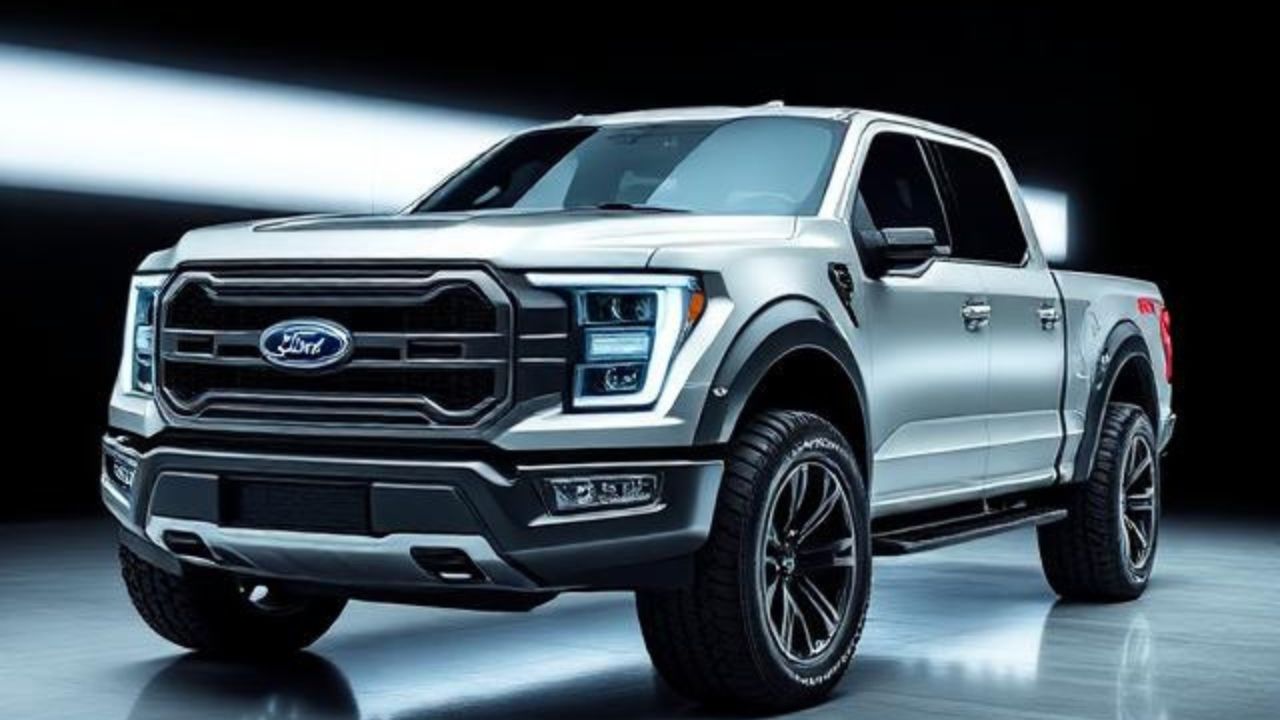
The automaker says it can build the world’s cheapest electric motors and sell a $30,000 electric pickup truck by doing something almost radical in today’s industry: building it in America, with Detroit-born manufacturing muscle, not California-style excess.
China makes the world’s cheapest electric vehicles. Everyone in the auto industry agrees on that — except Ford, apparently.
The company now claims it can undercut Chinese EV costs with a $30,000 electric pickup truck, provided it’s built the old-fashioned way: in the American industrial heartland, not in a high-cost, over-engineered California ecosystem. The revelation comes from Doug Field, Ford’s chief of EVs, digital and design, in an interview with MotorTrend this week
Beating China at cheap EVs isn’t supposed to be possible. China builds EVs fast, cheap, and at terrifying scale, and everyone else just tries to keep up. Ford, though, has come to the realization that the problem isn’t China at all. It’s where and how American automakers build their cars.
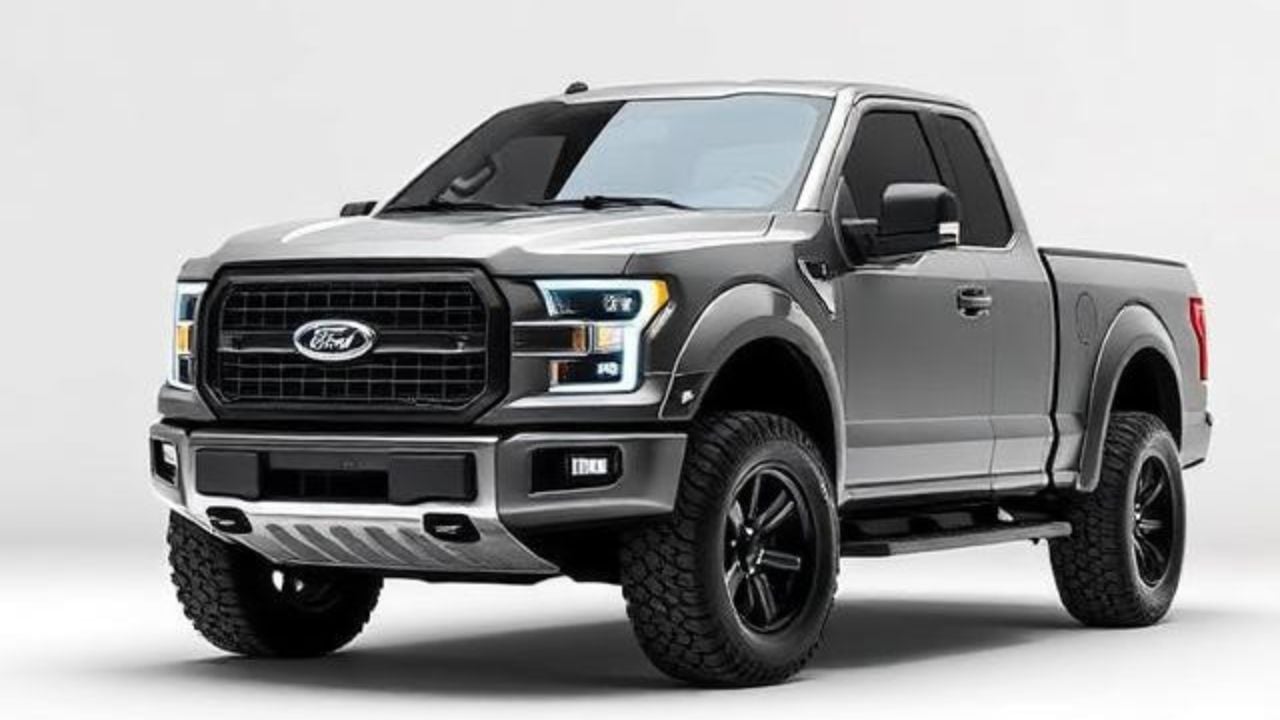
The company now says, by designing smarter motors, cutting the fat from production, and leaning on Detroit’s manufacturing DNA instead of Silicon Valley’s expense-heavy habits, it can deliver a $30,000 electric pickup.
The China Challenge — and Ford’s Answer
For years, Chinese automakers like BYD and others have dominated the low-cost EV segment globally thanks to massive economies of scale, lower labor costs, and highly automated factories. They’ve managed to put EVs on the road with price tags Western automakers find hard to match. According to industry analysts, Chinese brands account for a large share of EVs under $35,000 worldwide. That’s a price bracket where Western brands are barely present.
Yet Field insists Ford’s newest skunkworks (the Blue Oval’s secretive group of roughly 500 engineers mostly working out of Long Beach, California) is on track to build motors cheaper than anything Ford could source abroad, including Chinese-made units. That’s a remarkable claim for a company whose manufacturing costs have traditionally lagged behind Asian competitors.
The secret sauce, according to Field, isn’t some new magic alloy or moonshot physics breakthrough. It’s people — highly experienced engineers recruited from Tesla, Rivian, Apple and other Silicon Valley outposts, assembled in a nimble team removed from traditional Ford operations. Field argues these hires are the kind that deliver “20x” results, capable of driving down costs through smarter design and engineering choices. It’s time to show China.
Beyond China: Rethinking Ford’s Playbook
Ford’s plan is part of a broader rethink of how vehicles get designed and built. The so-called Universal EV Platform that underpins the $30K truck will require 25 percent fewer fasteners, a 22-pound lighter wiring harness, and drive as many simplifications as possible in pursuit of affordability; all designed to cut thousands of dollars in per-unit cost.

The pickup itself (a four-door crew cab) will be offered in rear-wheel drive and all-wheel drive versions, with multiple battery choices that let buyers trade price for range.
Perhaps the most interesting twist in this story is that Ford doesn’t plan to throw automation at the problem. In Louisville, Kentucky, where the truck will be assembled, Ford says it will eliminate tasks entirely, reducing workstations by up to 40 percent and shaving assembly time by about 15 percent compared with traditional methods.
Rather than a high-tech robotic extravaganza, this is lean production that a human can do fast. It spotlights a sort of modern American assembly process that takes its cues from the Model T’s legendary affordability but updated for the 21st century.
Made in Detroit — Not California?
Here’s where a deeper geopolitical angle emerges. With global supply chains, rare-earth magnets still largely controlled by China, and battery production concentrated in a few geographies, Ford’s strategy is more than an industrial gambit. It’s a sovereignty play, but it’s not without contradictions.
On paper, Field’s team operates outside of Detroit, and Detroit is a hub of legacy costs and union structures that some believe would stifle innovation. Yet the vehicle itself will be put together in Louisville, drawing on the heartland’s manufacturing backbone and a deeply domestic supply of parts and labor.
This dichotomy — designed on the West Coast, built in the Midwest — reflects Ford’s bet that the intellectual work of beating China cost-wise can come from nimble, high-priced talent, while the muscle of production still thrives where it always has: in American factories.
But Does This Fix the China Problem?
Many are skeptical because they do not believe China’s advantage is about headcount but about control over the entire EV supply chain, from rare earth processing to battery gigafactories. Even if Ford’s motors are cheaper, they still require materials dominated by Asian producers. That’s a gap technology alone won’t close anytime soon.
Still, war isn’t new to the Blue Oval, and the industry has come to the point where America feels a tightening noose requiring a battle for freedom. Ford beat the Italians at the Le Mans; can Farley beat the Chinese at electrification? As many U.S. automakers recalibrate their EV ambitions due to weak demand and high costs, Ford is doubling down on the notion that the future of affordable electrification must be built at home. Like the victorious GT40.
Whether that belief will pay off in a marketplace where Chinese EV mastery is as much about volume as it is about price remains to be seen, but it’s clear Ford is tired of watching from the sidelines. The $30,000 EV pickup — slated for 2027 — may well be America’s most litmus test yet in the global EV economy.