These cities put the trip at street level. Public squares, night food streets, market blocks, painted lanes, bazaars, scooters, shopfronts, and old quarters carry much of the visit.
The strongest plan is not a packed monument checklist. It leaves time for walking, heat breaks, street meals, ferry rides, market hours, and evening neighborhoods.
1. Marrakech, Morocco
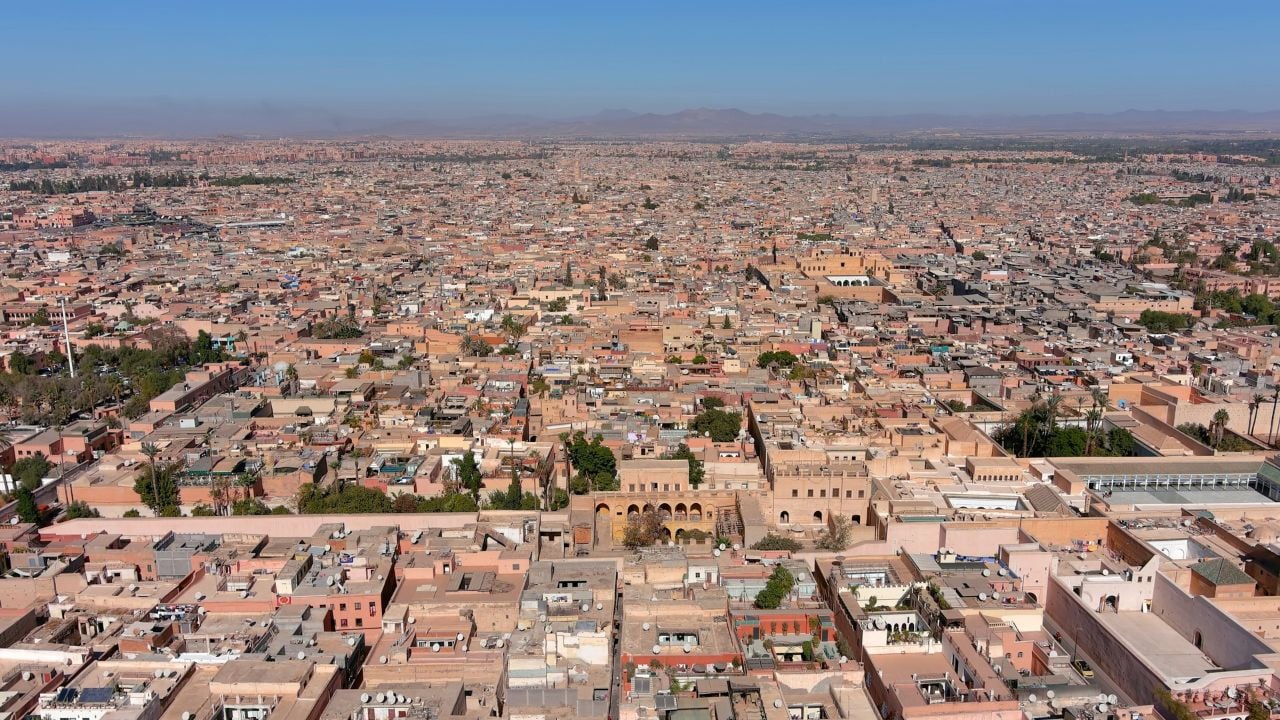
Marrakech is strongest in the medina and around Jemaa el-Fna. Narrow lanes lead past spices, lanterns, rugs, ceramics, leather stalls, food counters, tea stops, and workshops. The city asks for time on foot rather than a quick stop at one landmark.
UNESCO describes Jemaa el-Fna as one of Marrakech’s main cultural spaces and a city symbol since its 11th-century foundation. The listing points to musical, religious, and artistic expressions tied to popular Moroccan traditions.
The square changes through the day. Morning errands, juice sellers, market lanes, late-afternoon crowds, food stalls, smoke, musicians, and performers all sit close together. Travelers should keep the plan loose around the medina, especially near sunset, when the square and surrounding streets draw the largest crowds.
2. Bangkok, Thailand
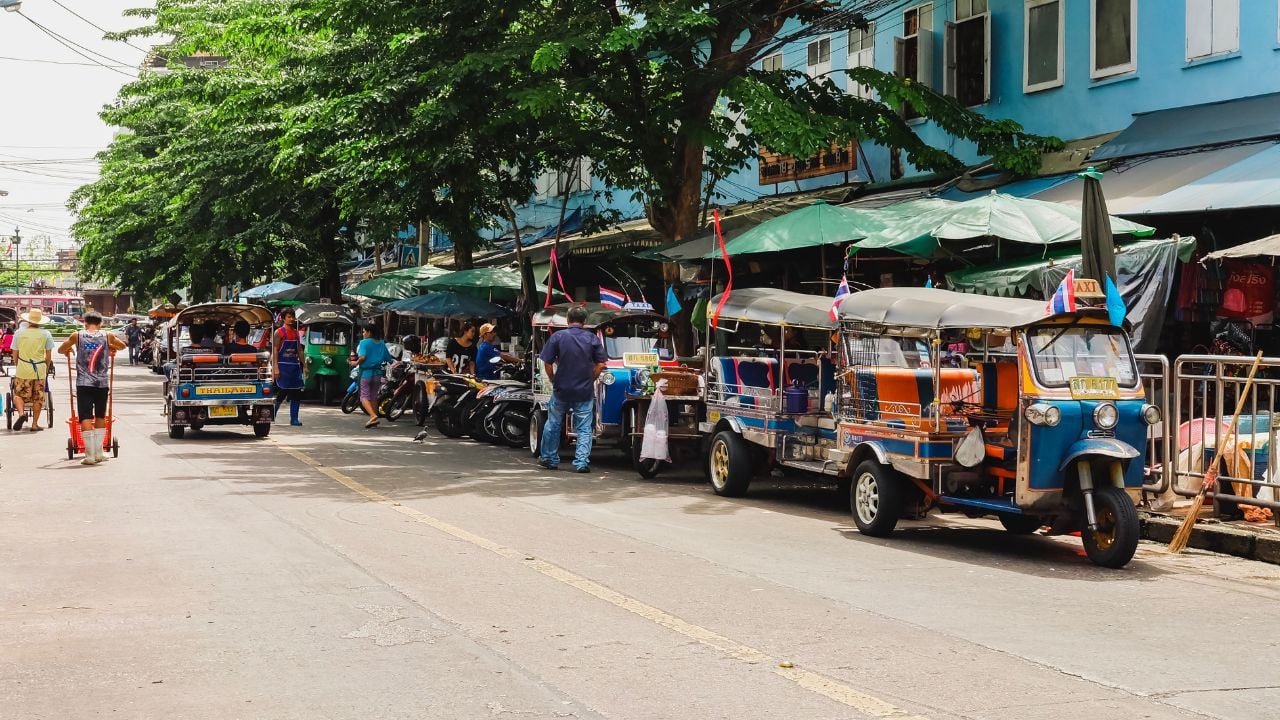
Bangkok’s street-level trip often starts with food, boats, markets, temples, and traffic crossings. The city is large, so the best days usually focus on one area instead of trying to chase every neighborhood at once.
Tourism Thailand lists Bangkok’s Chinatown as an attraction and identifies Yaowarat Road as a venue for major Chinese festivals, including Chinese New Year and the Vegetarian Festival. The area is a strong choice for visitors who want food streets, gold shops, shrines, neon signs, and dense evening crowds in one district.
A Bangkok day might pair temple visits with a Chao Phraya boat ride, then end around Yaowarat or another food area. Malls, markets, ferries, shrines, night streets, and street kitchens all belong in the same planning frame. The city is easier when travelers build the day by district and leave time for heat, traffic, and meals.
3. Cartagena, Colombia
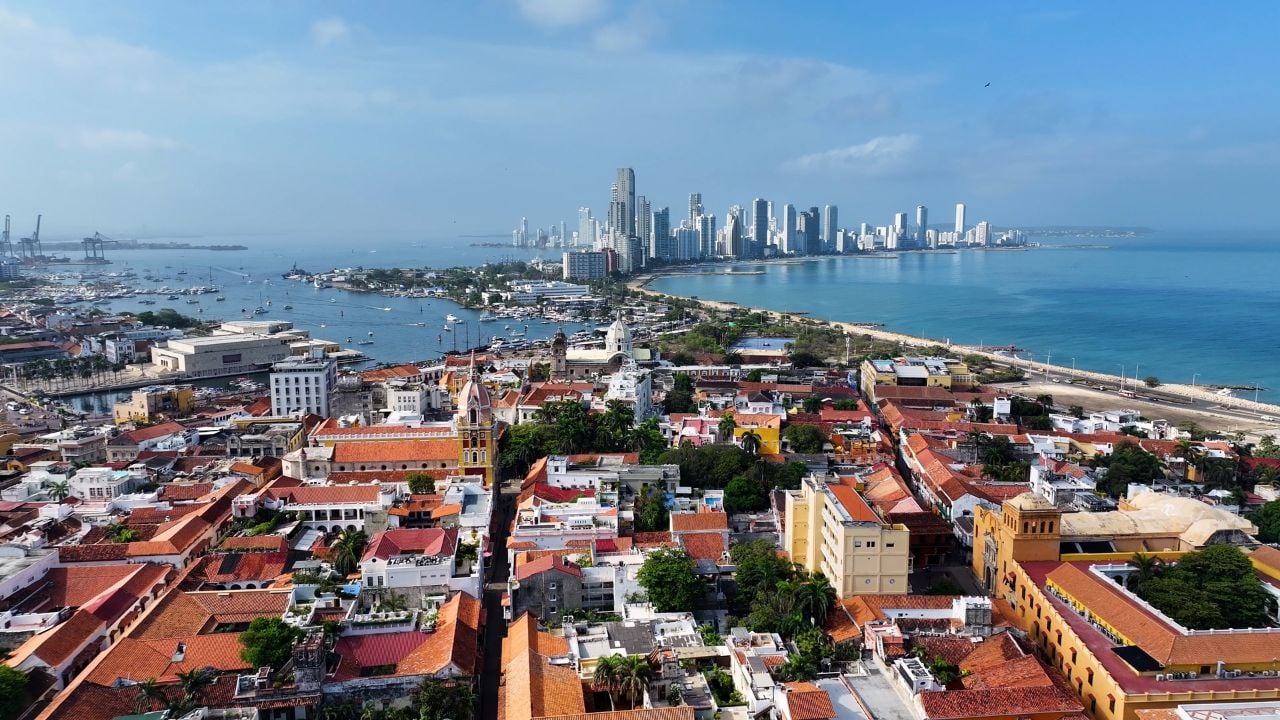
Cartagena’s street-level appeal sits in the walled city, Getsemaní, plazas, balconies, fruit carts, fortifications, and Caribbean evenings. The city has beach access and modern waterfront districts, but the old streets deserve the main time.
UNESCO lists Cartagena’s port, fortresses, and group of monuments as a World Heritage site and describes the city as having South America’s most extensive fortifications. The listing divides the historic area into San Pedro, San Diego, and Gethsemani.
That layout gives travelers several ways to walk the city. San Pedro brings churches and formal old-city streets. San Diego has smaller plazas, restaurants, and residential corners. Getsemaní brings murals, squares, music, bars, and evening crowds. A rushed photo stop misses the main reason to stay inside the walls after dark.
4. Jaipur, India

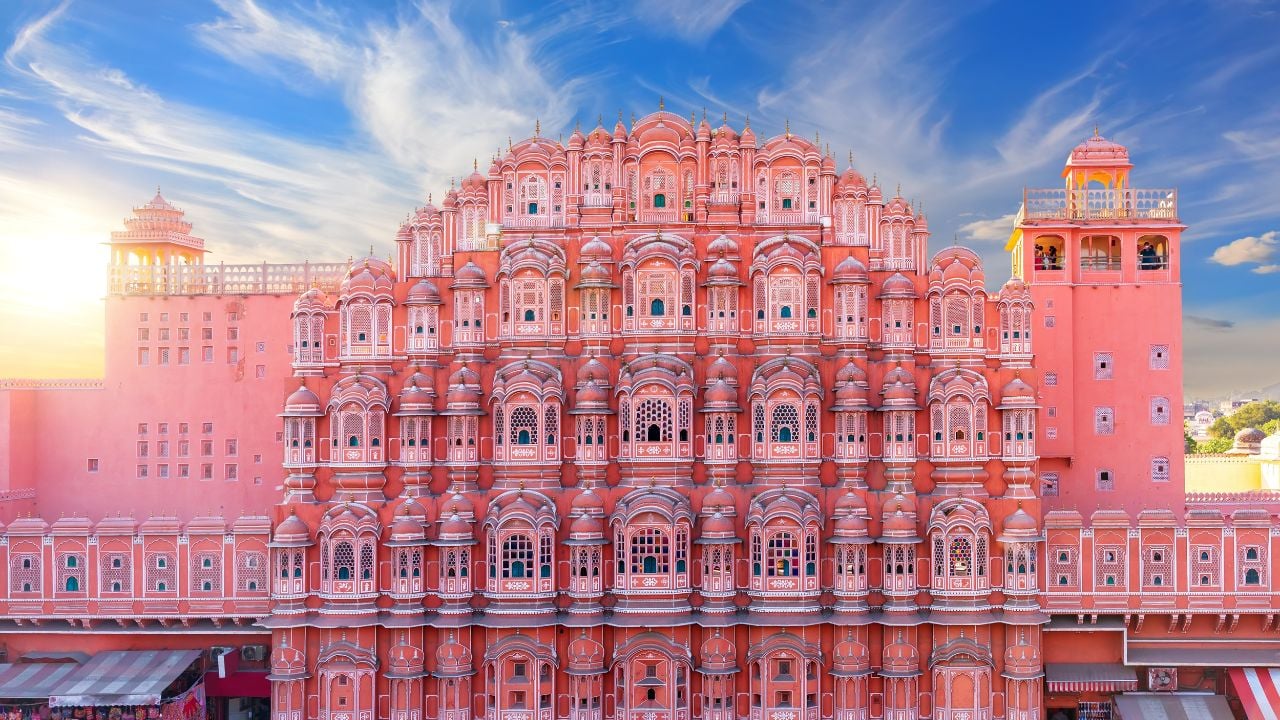
Jaipur’s color is tied to planning, trade, and craft streets, not only palace facades. The Pink City area brings bazaars, jewelry, textiles, spices, temples, gates, arcades, rickshaws, and traffic into one dense historic core.
UNESCO says Jaipur was designed as a commercial capital and has maintained local commercial, artisanal, and cooperative traditions. The listing notes markets, shops, residences, and temples built along main streets with uniform facades.
Hawa Mahal and the City Palace draw the first look, but the surrounding bazaars should stay in the plan. Textile shops, jewelry streets, spice sellers, temple bells, rickshaw rides, and rose-colored facades give the old city its strongest street-level detail. Travelers should leave space between major sights for the markets around them.
5. Hanoi, Vietnam

Hanoi’s Old Quarter is the clearest place to plan a street-level visit. Narrow lanes, shopfronts, coffee stops, scooters, small stools, market streets, and food counters sit close enough for long walks with frequent pauses.
Vietnam describes the Old Quarter as a walkable neighborhood with Vietnamese architecture, green spaces, ancient shops, and fresh street food. Another official tourism page says the historic Old Quarter covers one square kilometer and includes 36 streets, with artisan and trade roots dating back to the 15th century.
A Hanoi day can start with coffee near Hoan Kiem Lake, continue through Old Quarter streets, stop for lunch at a small food shop, and return later for night streets or a market walk. The area is dense, so travelers should move slowly, watch traffic carefully, and choose food stops by foot rather than by long taxi hops.