
When you’re shopping for a car, that new car smell and shiny paint job can make any vehicle seem like a winner. But the real test comes years down the road when you’re wondering whether you’ll make it to work or spend the morning waiting for a tow truck.
Consumer Reports recently released findings from their extensive reliability study, surveying owners of vehicles between 5 and 10 years old to see which brands still have owners smiling and which ones have them speed-dialing their mechanic. The results reveal some expected champions, a few surprises, and some brands that might make you think twice before signing on the dotted line.
It’s time to look into which automakers are building cars that go the distance and which ones might leave you stranded.
The 6 Most Reliable Brands

These are the car brands at the top of the list, starting with some pretty familiar faces in the “reliability” discussion. However, the last one is a bit of a shocker.
Lexus: The Reliability Champion

Lexus takes the crown as the most reliable brand in the entire study, and honestly, is anyone surprised? Toyota’s luxury division has been dominating reliability rankings for so long that it’s almost boring at this point.
Owners of 5 to 10-year-old Lexus vehicles report fewer problems than any other brand, which explains why you still see older ES and RX models cruising around like they just rolled off the showroom floor. The brand’s obsessive attention to detail and conservative engineering approach means you’re more likely to get tired of your Lexus than it is to get tired of running.
If reliability is your top priority and you can stretch your budget to the luxury segment, Lexus remains the gold standard.
Toyota: The Dependability Powerhouse

Right behind its luxury sibling sits Toyota, proving that reliability runs in the family. The Japanese automaker has built its entire reputation on making vehicles that simply refuse to quit, and the data from owners backs that up year after year.
Models like the Camry, Corolla, and RAV4 have become synonymous with worry-free ownership, racking up hundreds of thousands of miles without breaking a sweat. Toyota’s approach to introducing new technology slowly and testing everything thoroughly might not win style points with the cutting-edge crowd, but it certainly wins the long game.
When you buy a Toyota, you’re essentially purchasing peace of mind wrapped in sheet metal.
Mazda: The Underrated Overachiever
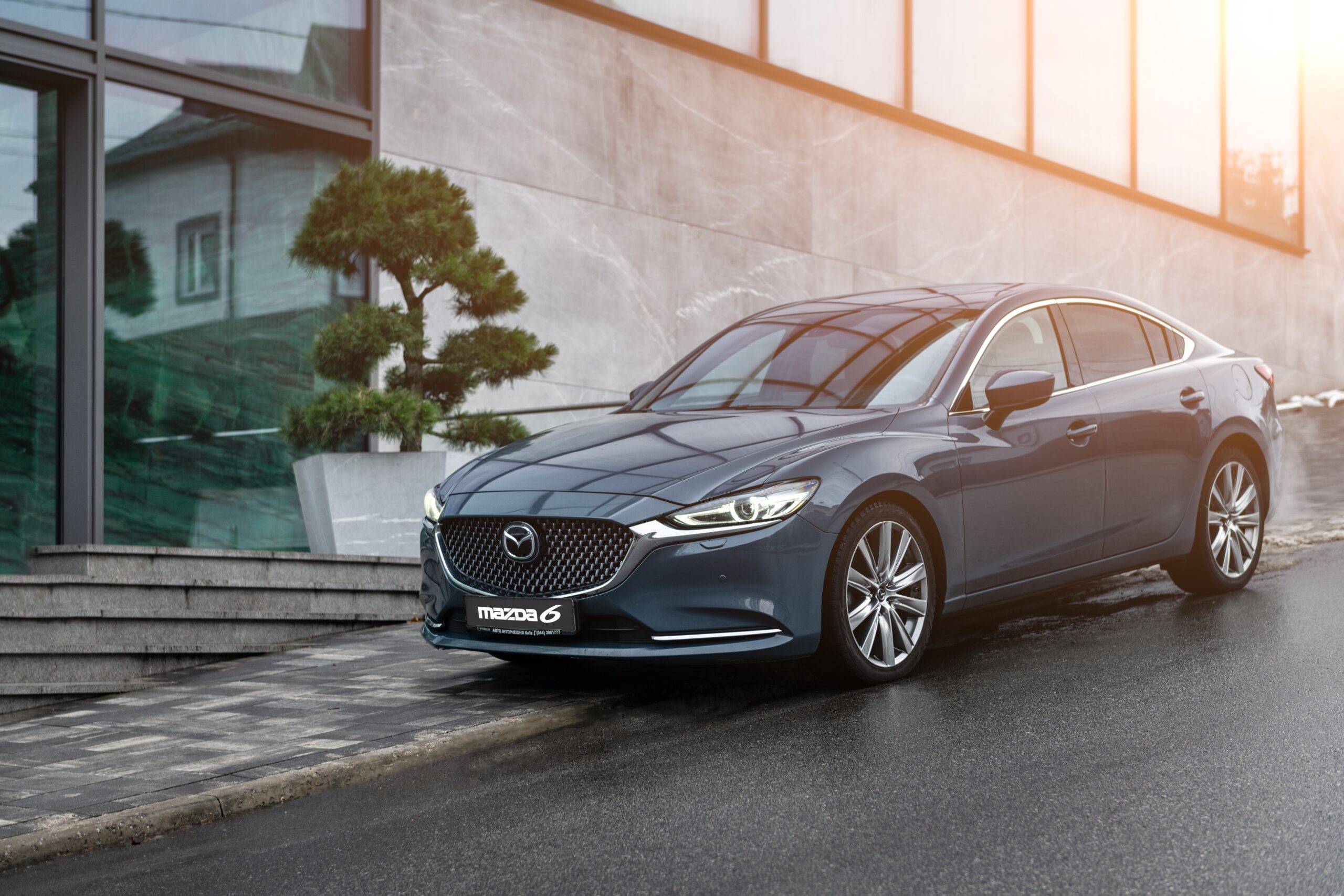
Mazda often flies under the radar in reliability discussions, but owners of 5 to 10-year-old Mazdas know something that deserves more attention. The brand manages to deliver engaging driving dynamics without sacrificing dependability, which is a rare combination in today’s market.
While other manufacturers chase flashy technology and complicated powertrains, Mazda sticks to well-engineered fundamentals that actually work for the long haul. Their Skyactiv engines and transmissions have proven themselves as workhorses that keep running with minimal drama.
If you want a car that’s fun to drive and won’t leave you stranded, Mazda deserves serious consideration.
Honda: The Practical Choice That Delivers

Honda has been America’s reliable best friend for decades, and the feedback from owners of older vehicles shows that reputation is well-earned. The Civic and Accord have become automotive institutions precisely because they deliver year after year without requiring a second mortgage to maintain.
Honda’s engineering philosophy focuses on efficiency and durability, creating powertrains that are known for running smoothly well past 200,000 miles. While the brand has stumbled occasionally with transmission issues in certain model years, the overall picture remains strong.
For practical transportation that won’t let you down, Honda continues to be one of the safest bets in the automotive world.
Acura: Luxury Without the Repair Bills

Acura proves that Honda’s reliability DNA translates beautifully to the premium segment, landing solidly in the top tier for long-term dependability. Owners of 5 to 10-year-old Acura models enjoy many of the luxury features found in pricier European brands without the headache-inducing repair costs.
The MDX and TLX offer refined driving experiences backed by Honda’s legendary engineering, creating a sweet spot for buyers who want more upscale transportation without sacrificing peace of mind. While Acura might not carry the prestige badge of some German rivals, your wallet will thank you when that check engine light stays off.
Sometimes the smartest luxury choice is the one that doesn’t require your mechanic’s kids to go to college on your dime.
BMW: The Surprising German Entry

BMW landing in the top six for long-term reliability might raise some eyebrows, especially given the brand’s reputation for expensive maintenance. However, owners of 5 to 10-year-old BMW models report better-than-expected experiences, suggesting the brand has made genuine improvements in dependability.
The German automaker has worked hard to address some of the reliability issues that plagued earlier generations, and the data shows those efforts are paying off. That said, owning an older BMW still requires a commitment to proper maintenance and a budget for premium parts.
If you’re prepared for higher ownership costs and follow the maintenance schedule religiously, a BMW can deliver the driving excitement it promises without completely draining your bank account.
The 6 Least Reliable Brands
These are the automakers that landed on the bottom of the list, which had 26 total brands. While some are head scratchers, the last two are probably the usual suspects you expected to see.
Kia: Growing Pains in the Lineup

Kia has made impressive strides in design and features over the past decade, but according to owners of 5 to 10-year-old vehicles, reliability remains a challenge for the Korean brand. While Kia offers compelling value and generous warranties, the feedback suggests that some models struggle to maintain their initial quality as the miles add up.
The brand’s rapid expansion and introduction of new technology may have contributed to reliability issues that become apparent only after years of ownership. Kia’s newer models may fare better as the company continues to refine its engineering, but buyers of older used Kias should budget for potential repairs.
The 10-year warranty is great, but it only helps if you’re the original owner.
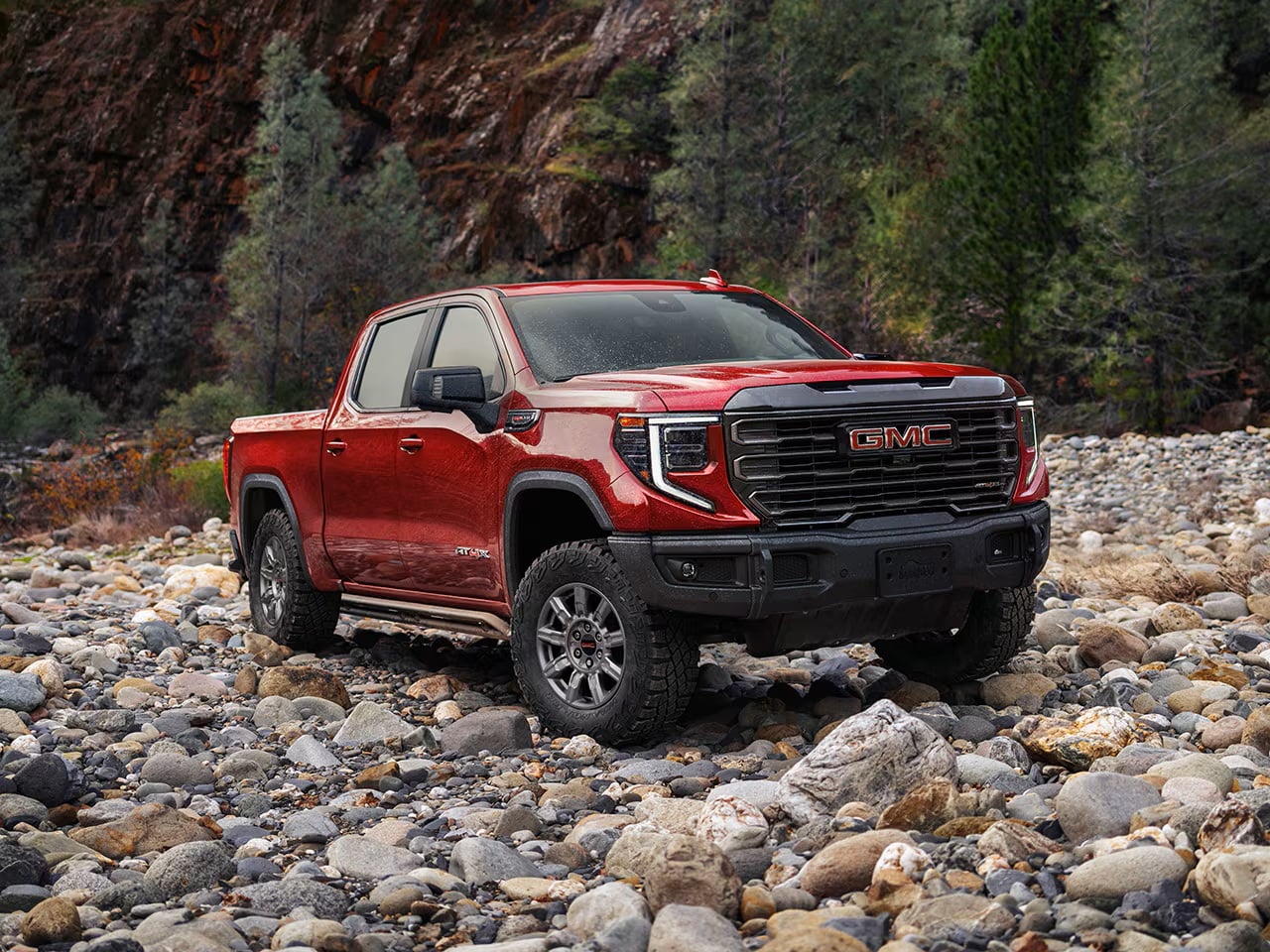
GMC: Luxury Trucks With Reliability Questions

GMC positions itself as the premium truck and SUV brand within General Motors, but owners of 5 to 10-year-old GMC vehicles report more issues than you’d expect from vehicles in this price range. The brand shares many components with Chevrolet, yet somehow manages to land lower in reliability rankings, which raises questions about value proposition.
Common complaints from owners include transmission issues, electrical problems, and various engine-related concerns that can be expensive to address. GMC builds capable trucks and SUVs with impressive towing capacity, but the reliability data suggests you might be visiting your dealer’s service department more often than you’d like.
For buyers considering a used GMC, a thorough pre-purchase inspection is essential.
Chrysler: Struggling to Regain Trust
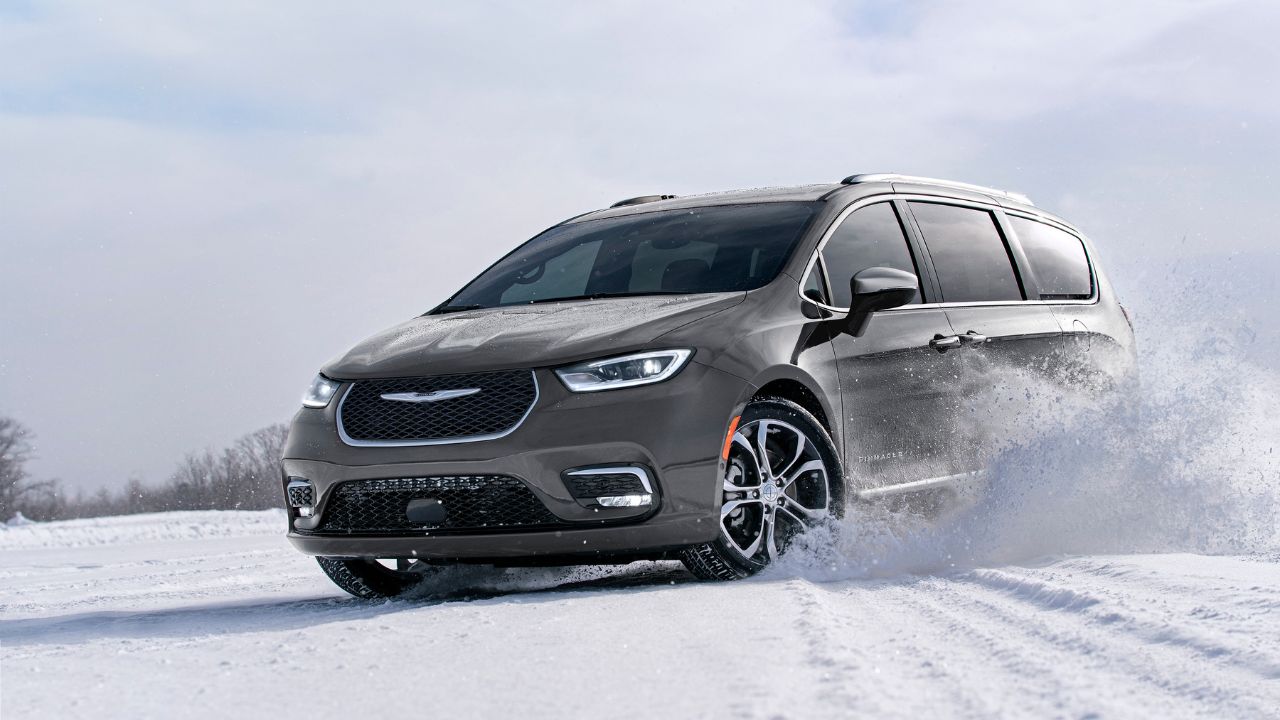
Chrysler’s position near the bottom of reliability rankings reflects ongoing struggles that have plagued the brand for years. Owners of 5 to 10-year-old Chrysler vehicles report a range of issues from transmission problems to electrical gremlins that seem to pop up with frustrating regularity.
The brand’s limited lineup means that reliability problems in one or two models have an outsized impact on the overall perception. While Chrysler vehicles often start strong with attractive styling and comfortable interiors, the long-term ownership experience hasn’t matched that initial appeal.
For buyers shopping used Chryslers, the lower purchase prices might seem tempting, but factoring in potential repair costs is crucial for making an informed decision.
Ram: Tough Trucks, Troublesome Track Record

Ram has carved out a strong reputation for building trucks with excellent ride quality and impressive interiors, but reliability data from owners of 5 to 10-year-old models tells a concerning story. Issues ranging from electrical problems to powertrain concerns appear more frequently than truck buyers would hope for from vehicles designed for hard work.
The Ram 1500 has won numerous awards for its innovations and comfort, yet these accolades don’t always translate into worry-free ownership down the road. Ram trucks can certainly handle demanding tasks, but owners should be prepared for more frequent service appointments than they might experience with some competitors.
If you’re considering a used Ram, finding one with detailed maintenance records becomes especially important.
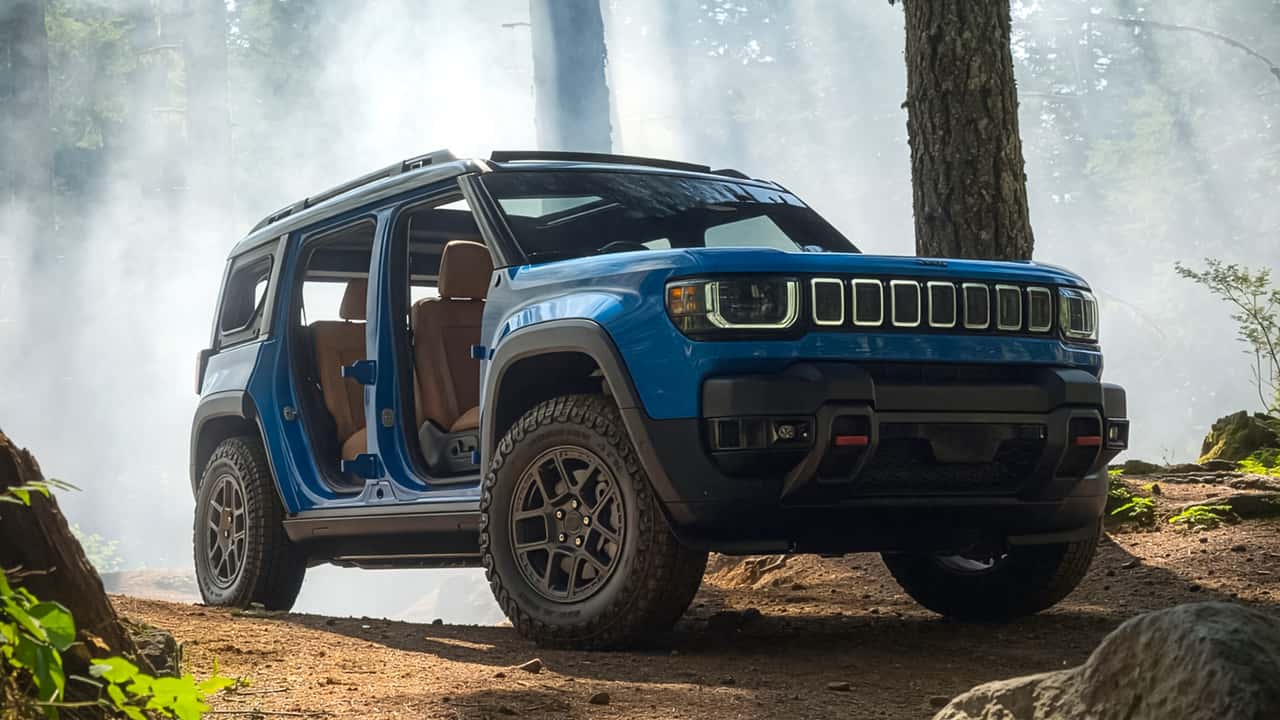
Jeep: Adventure Ready, Reliability Challenged

Jeep vehicles are built to handle off-road adventures and challenging terrain, but according to owners of 5 to 10-year-old models, they sometimes struggle with everyday reliability. The brand’s focus on capability and ruggedness hasn’t always translated into dependable long-term ownership, with various models reporting issues from electrical problems to engine concerns.
Jeep’s popularity means there’s a large community of owners willing to overlook reliability quirks for the brand’s unique character and capability. However, buyers should go in with eyes open, knowing that keeping an older Jeep running might require more patience and money than mainstream alternatives.
The Jeep wave is fun, but the wave goodbye to your paycheck at the repair shop is less enjoyable.
Tesla: Innovation Meets Reliability Reality

Tesla lands at the very bottom of the reliability rankings, which might surprise fans of the electric vehicle pioneer but doesn’t shock those who’ve followed owner feedback over the years. While Tesla has revolutionized the automotive industry with cutting-edge technology and impressive performance, owners of 5 to 10-year-old models report the most problems of any brand in the study.
Issues range from build quality concerns to problems with complex electrical systems and the various tech features that make Teslas unique. The company’s rapid innovation and direct-to-consumer model mean that some traditional quality control processes may get bypassed in the rush to market.
Tesla builds exciting vehicles that point toward the automotive future, but the current reality involves more service appointments than many owners anticipated.
Conclusion
The reliability gap between the best and worst performers in this Consumer Reports study reveals just how much brand choice matters for long-term satisfaction. Japanese brands continue to dominate the reliability conversation, with Lexus and Toyota leading the way through proven engineering and meticulous quality control.
Meanwhile, several American brands struggle with the fundamentals, suggesting that flashy features and bold marketing don’t automatically translate into dependable transportation. The data from real owners of 5 to 10-year-old vehicles provides valuable insight that goes beyond initial reviews and first impressions.
Whether you’re shopping for a new car or considering a used vehicle, understanding these reliability trends can save you thousands of dollars and countless headaches down the road.