
Beauty is personal, yet big reader polls can reveal a steady consensus. This slideshow follows Rough Guides’ reader vote and keeps its published top-ten order, updated 2nd December 2025. It captures what readers gravitated toward in that ranking.
Use the list as a shortcut for trip planning. Match timing to climate and daylight, then secure transport and lodging that sell out early in peak periods. Build slack for detours, because the best moments rarely arrive on schedule.
1. New Zealand

Glacial valleys, steaming geothermal basins, and fiord-cut coasts cluster within a small footprint. In a single week you can go from volcanic plateaus to rainforest edges, then end beside a cold sound. That range stays impressive even on brief drives.
Split nights between the North Island and the South Island to avoid rushed hops. Shoulder-season windows tend to be quieter while still giving generous sun hours. Hikers should build in a spare day, as alpine weather can swing without notice.
2. Italy

Stone towns cling to ridges above vineyards, while cliff villages face the bright Mediterranean further down the peninsula. Lake-country reflections, Dolomite peaks, and coastal coves can all fit into the same itinerary. Scenic density is the superpower here.
Choose a region for slow wandering, then tack on a contrasting area. Trains smooth big-city moves, and back roads reward patience with roadside lookouts and tiny trattorias. Late autumn or midwinter trips often bring crisp light and thinner crowds outside holiday spikes.
3. Canada

Immense parks, wide-open skies, and shorelines that run for days make scale the headline. A province can resemble several nations stitched together, with tundra, forest, and glacier terrain sharing the map. Even small communities can seem dwarfed by the backdrop.
Anchor the route around a single landscape zone, then layer in Montreal and Toronto for food and museums. Animal watching works best with distance and quiet, not a close selfie attempt. The Rockies’ plans often mean booking rooms months ahead, because supply vanishes fast.
4. Switzerland

Knife-edge peaks rise above glassy lakes, and tidy hamlets perch where valleys narrow into high cols. Snowtime turns the Alps into a postcard, then summer swaps in wildflower slopes and clear trails. Precision-built infrastructure keeps viewpoints accessible without chaos.
Rail and cable systems let you link stops without driving stress. Base yourself near Zermatt or the Jungfrau region for iconic lookouts and easy day loops. Costs stack fast, so compare regional fare cards before committing.
5. Mexico

Terrain flips from cactus badlands to cloud-forest ridges to palm-fringed bays with little warning. Highland centers feel historic and cool, while the coastal belt leans warm and bright. Few places deliver this much range across compact stretches.
Rather than racing across the map, pair a cultural hub with a beach stretch. Food deserves real time, so pencil in markets and neighborhood stands. For ruins, arrive at opening, bring water, and treat midday heat seriously.
6. Norway

Fjord inlets carve deep into rugged shoreline, and fishing settlements sit beneath sheer cliffs. In June and July, daylight lingers late for hikes and ferries, while winter darkness brings aurora chances farther north. The collision between saltwater and rock is the headline.
Road routes can be spectacular, but storms sometimes close key links. Consider a coastal cruise so transportation becomes part of the view. Bring layers, since wind off the ocean can shift comfort rapidly.
7. Madagascar

Lemurs, baobab avenues, and otherworldly rock formations make this island read like a biology documentary. Microclimates shift from rainforest to dry spiny scrub over short distances. Wildness is the point, and it shows.
Book through a specialist operator, as roads and internal flights move slowly. Drier stretches improve access to reserves, while heavy rain can strand plans. Carry a headlamp and insect protection, then budget extra time for transit.
8. Greece
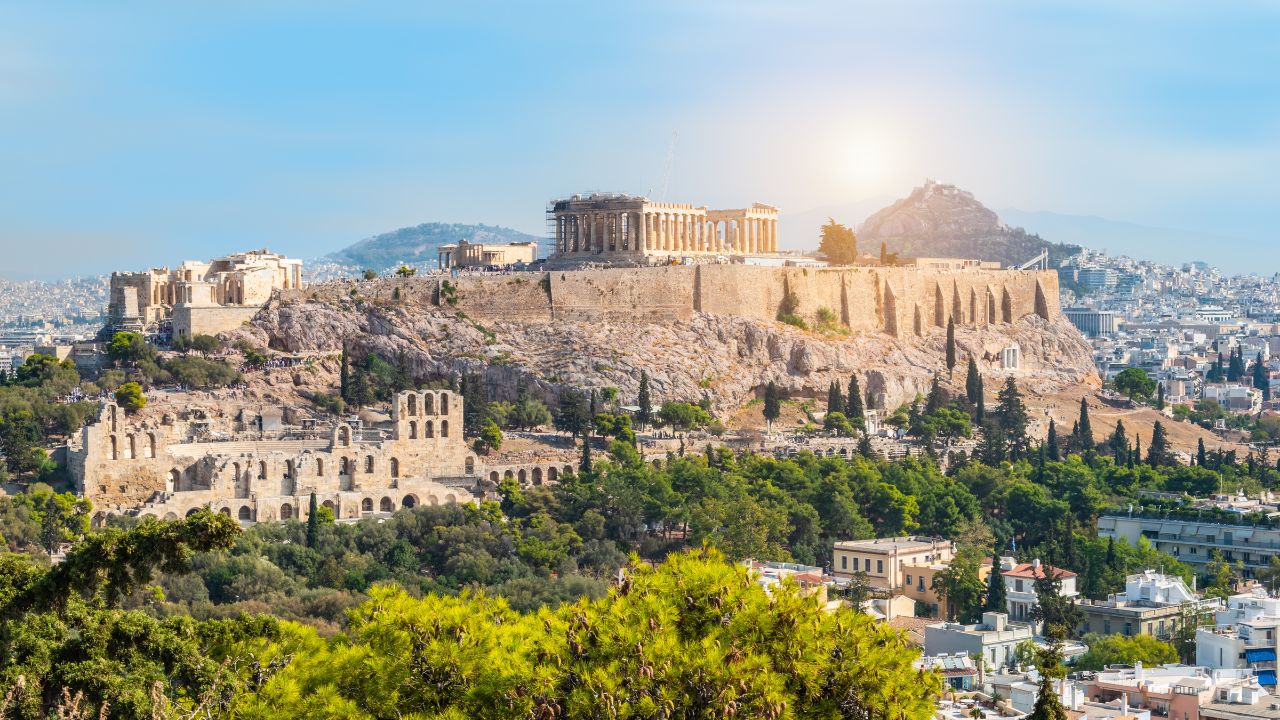
Whitewashed communities, blue seas, and temple ruins create an instantly recognizable palette. Islands grab headlines, and mainland pockets add gorges plus hillside villages. Sunlight tends to sharpen everything.
May or September can deliver warm swims without the peak crush. Pick one or two bases instead of chasing every ferry connection. Good shoes matter, because polished stone steps can get slick.
9. South Africa
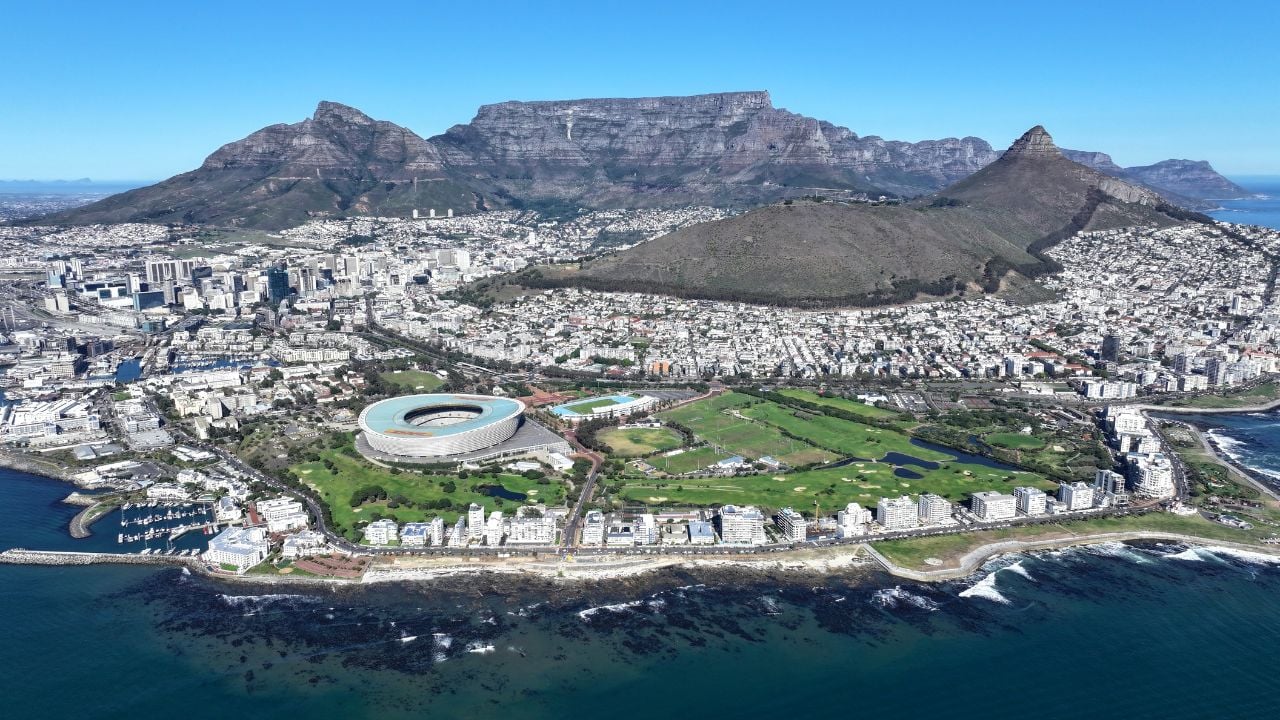
Safari plains, striking seaboards, and bold ranges keep landscapes shifting across brief hops. Cape Town looks theatrical, and then the interior flips into wide-sky reserves. The mix rewards travelers who enjoy change-ups.
Combine a wildlife park with the Winelands for a clean switch. June through August can bring winter rain in the southwest, while the bush usually improves for animal spotting. Street smarts help, so avoid empty blocks late and keep valuables out of sight.
10. Morocco

Labyrinth medinas, Atlas passes, and Sahara dunes give this destination a strong signature look. Color shifts from cobalt alleys to ochre sands, with cedar forests in between. Photographers rarely walk away disappointed.
A classic loop links Marrakech with the High Atlas and desert camps, while northern routes include Chefchaouen and Atlantic surf enclaves. Nightfall in older quarters can feel electric, though navigation gets tricky, so offline maps help. Dress for sun and temperature swings, especially when camping overnight near dunes.