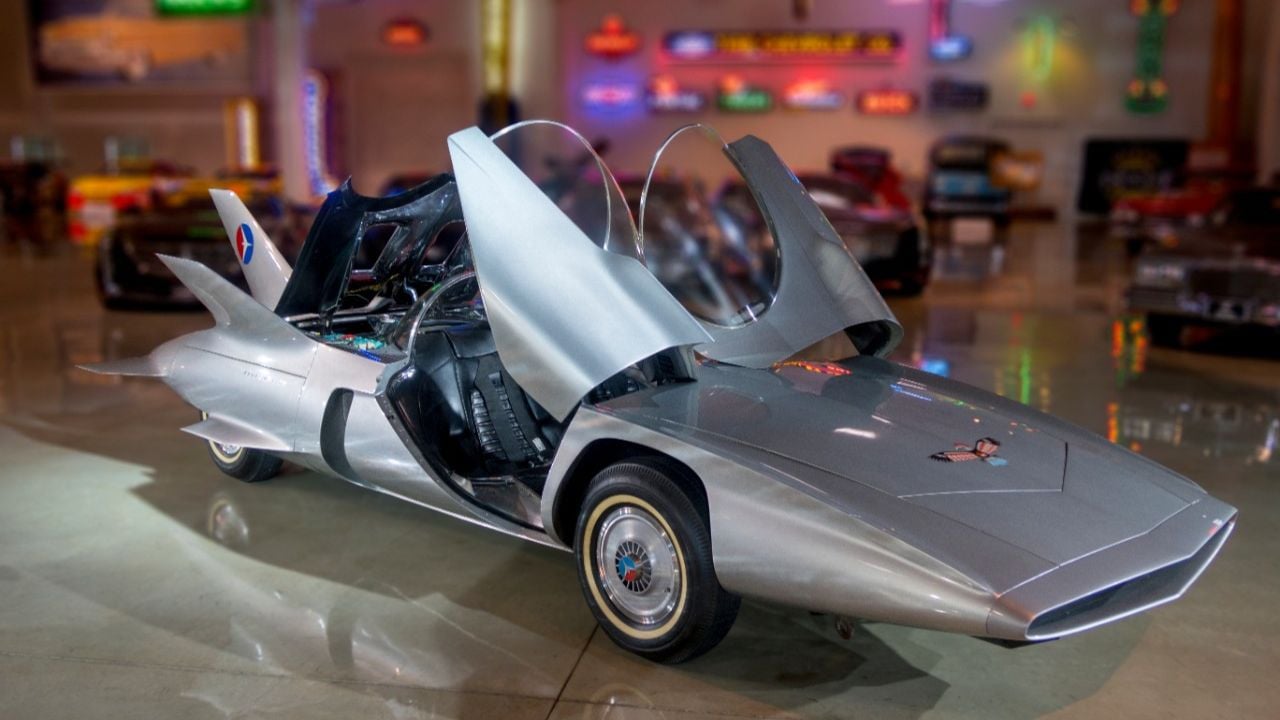
America has long understood that a concept car should do more than hint at a future grille or preview a new paint finish. At its best, an American concept arrives like a statement of intent: optimistic, excessive, technically ambitious, often impractical, and impossible to ignore. That is why the country’s dream-car tradition still holds so much power.
From the Buick Y-Job, which GM describes as the industry’s first concept car, to jet-age machines like the Le Sabre and Firebird III, and then later shockwaves like the Ford GT90, Cadillac Cien, and Chrysler ME Four-Twelve, American brands repeatedly turned concept cars into rolling theater with real engineering behind the spectacle.
The strongest of them did more than imagine tomorrow. They made auto shows feel bigger, gave designers and engineers room to be bolder, and left behind shapes, ideas, and technical experiments people still talk about decades later. At their peak, American concept cars treated the automobile as sculpture, machine, and public event all at once.
Why These Concepts Earned Their Place
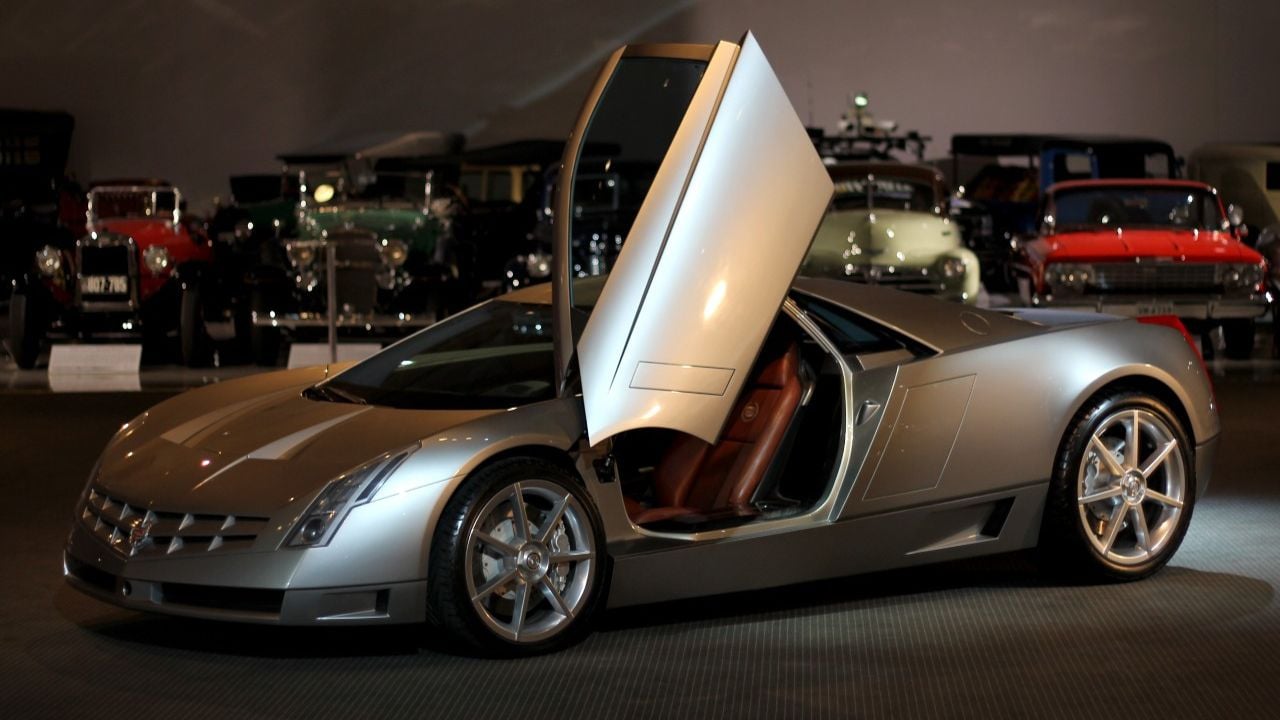
This list needed more than pretty stage props. Each concept here had to do at least one major thing well: introduce an influential design language, preview meaningful engineering, or become a lasting cultural symbol in its own right. Production intent mattered less than impact, because the greatest dream cars often change the conversation without ever reaching a showroom.
The range of ideas mattered too. America’s best concept work spans prewar invention, jet-age futurism, luxury excess, engineering experimentation, and supercar ambition. Some of these cars changed design. Some changed expectations. A few did both. Together, they make a strong case that America rarely treated the concept car as a side note and often treated it as an art form.
Buick Y-Job
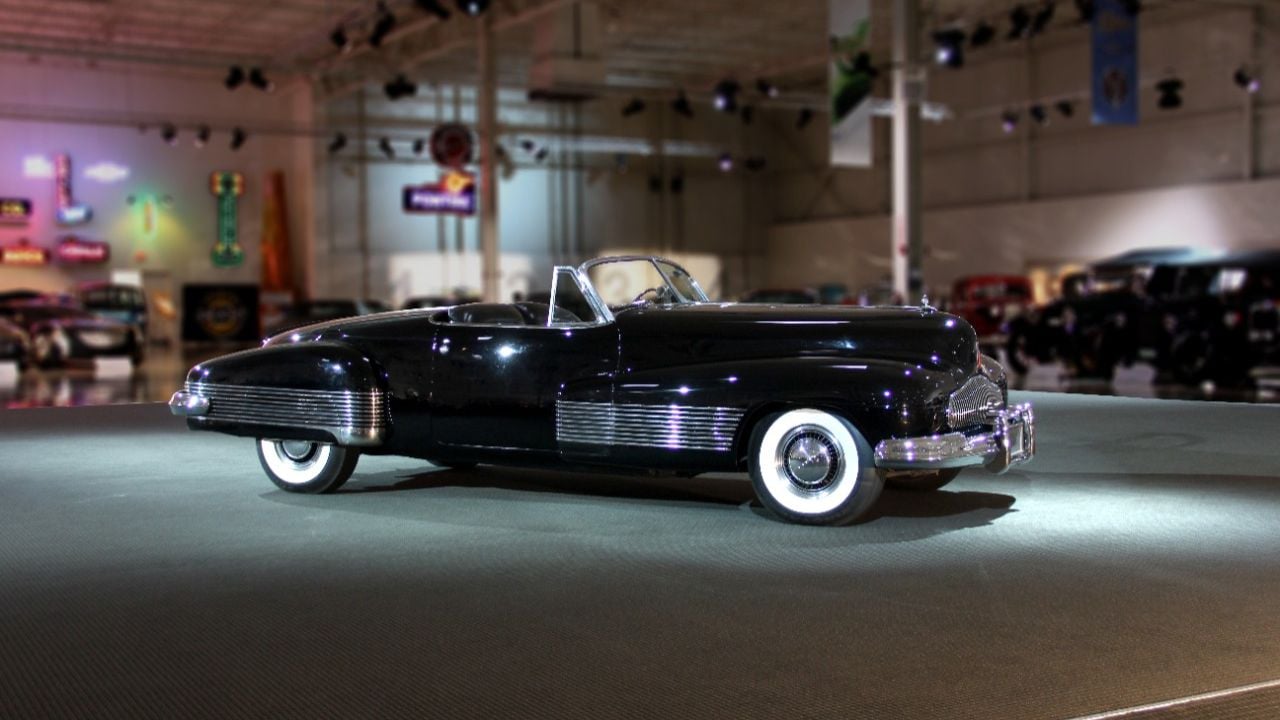
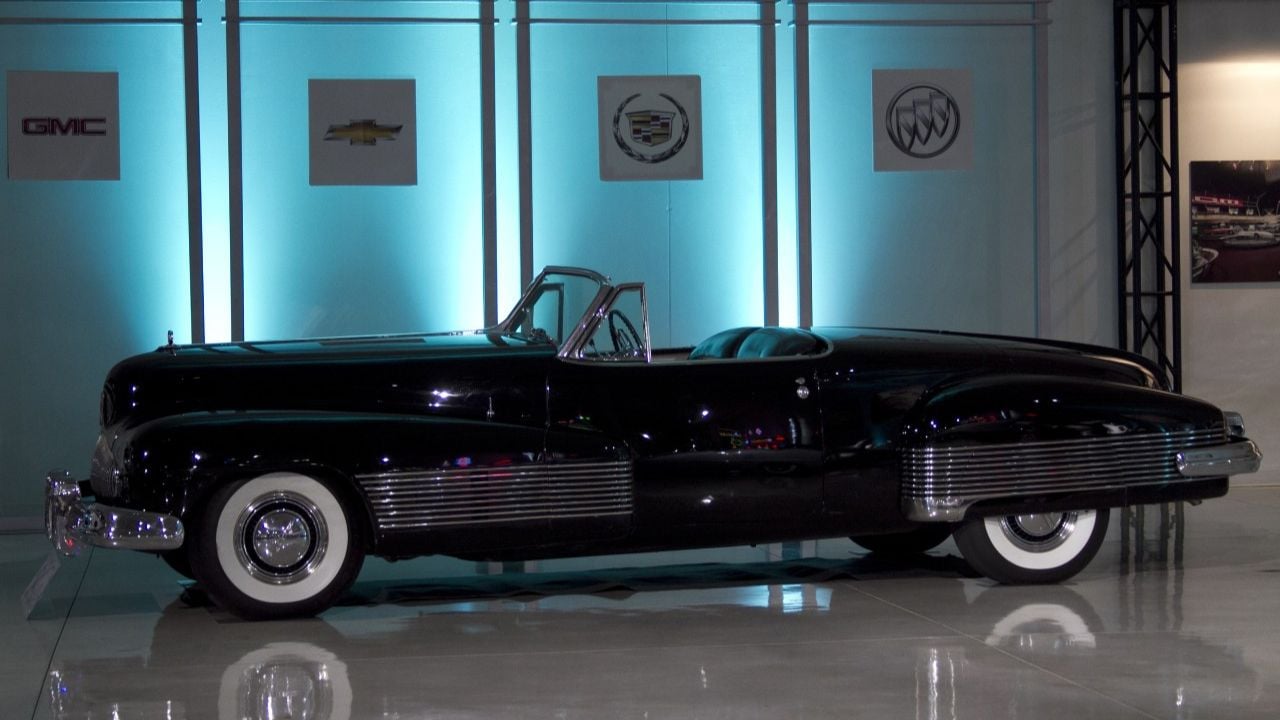
The Buick Y-Job has to start this list because it helped define the concept-car idea in America. GM Heritage calls it the industry’s first concept car, and the Y-Job still earns that importance on more than chronology alone. It looked advanced for its time and quietly previewed features that later became familiar on production cars.
Harley Earl used it to explore hidden headlights, flush door handles, electrically operated windows, and a convertible top concealed by a metal deck. Those are not throwaway details. They show a concept doing exactly what the best dream cars are supposed to do: thrill an audience, test new thinking, and leave traces of themselves in the real world afterward. The Y-Job did all three.
GM Le Sabre
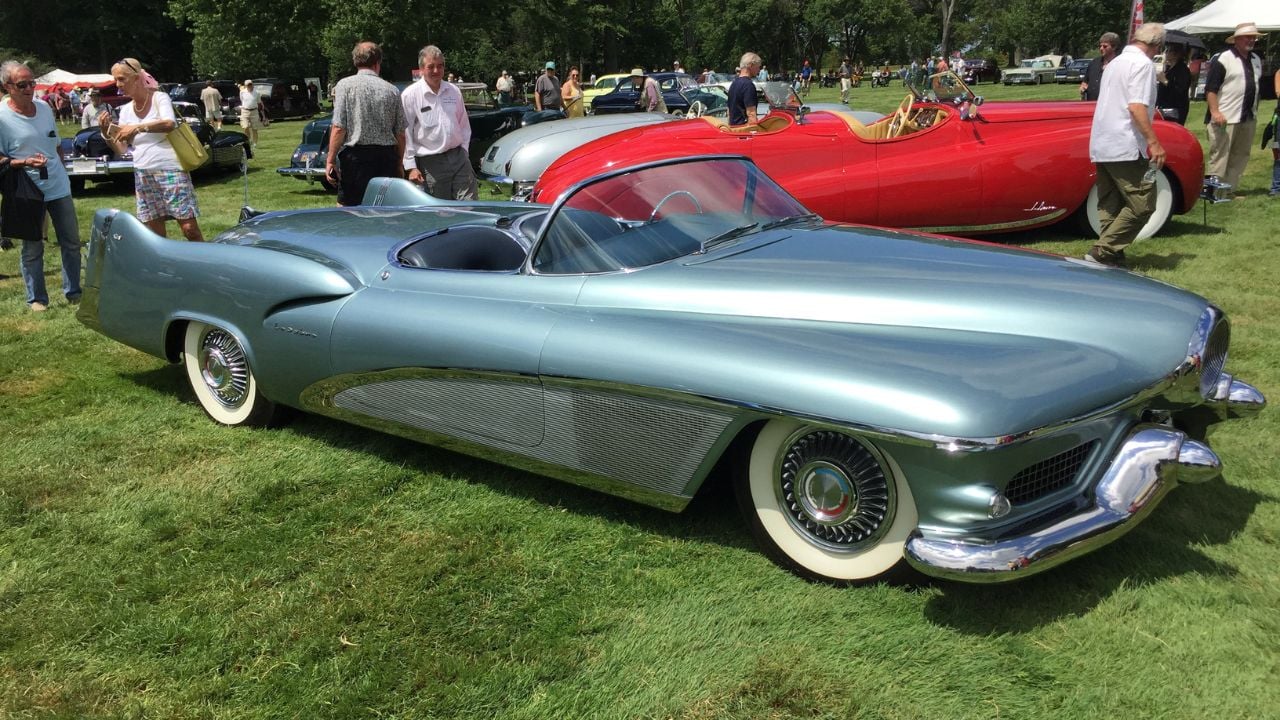
The GM Le Sabre is where American concept culture started to feel cinematic. Harley Earl drew openly from aircraft design, especially the F-86 Sabre, and turned that influence into a road-legal machine with hidden headlights, a wraparound windshield, a single afterburner-style taillight, and a front intake that actually fed the engine.
The details underneath the styling are what keep the Le Sabre so impressive. Audrain notes heated seats, a rain-sensing automatic top and windows, cast magnesium body panels, and built-in hydraulic jacks. Those ideas still sound bold now, which says a lot about how far ahead the car was. The Le Sabre was not just a dramatic showpiece. It sold the future as something glamorous, fast, and exciting.
Lincoln Futura

The Lincoln Futura proves that American concept cars could be theatrical without feeling careless. The Henry Ford notes that the Futura became a sensation at auto shows in 1955, thanks to details like push-button transmission controls, a 300-hp V8, and its unforgettable double-dome canopy roof.
What keeps it memorable is the way all of that drama still works together. The proportions are oversized, the surfacing is bold, and the whole car looks like a dream drawing that somehow made it onto a show stand intact. Its later transformation into the Batmobile only confirmed what was already there. The Futura had enough visual force to escape the normal lifespan of a concept car and move into popular culture.
Firebird III
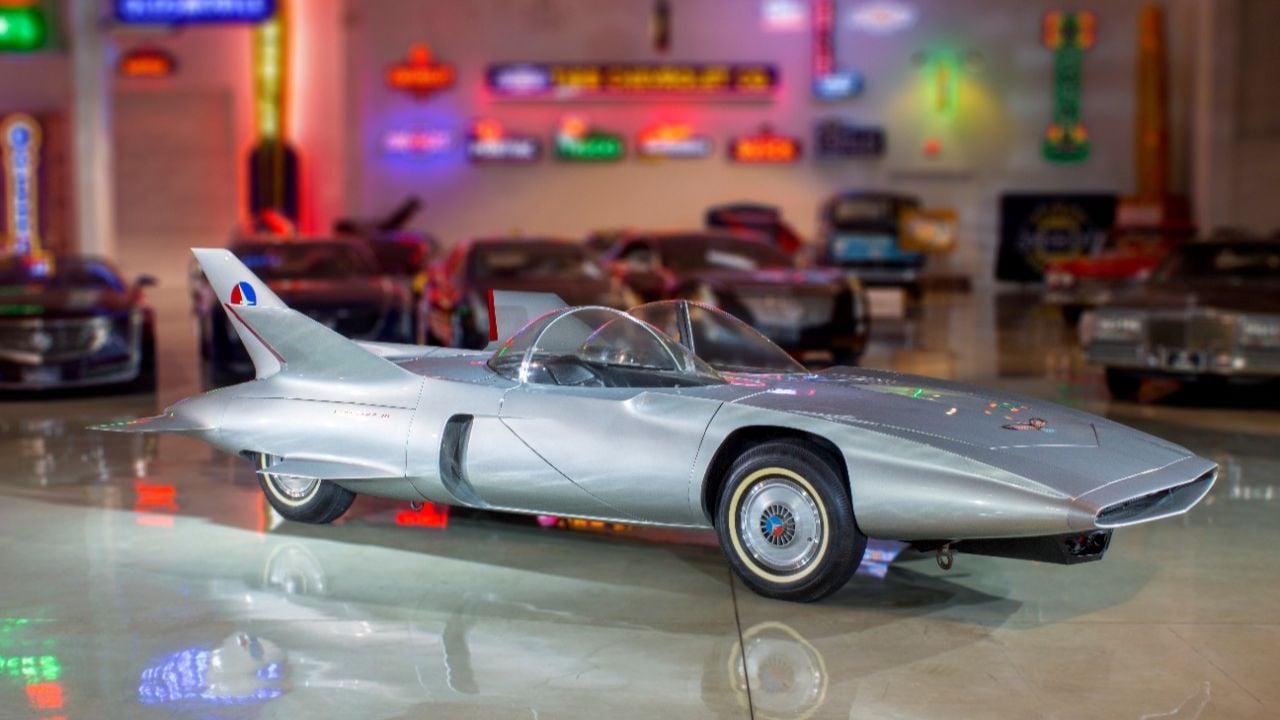
The Firebird III marks the point where American concept cars stopped pretending to be slightly fanciful automobiles and fully embraced the future as spectacle. GM Heritage describes it as the most intriguing and influential of the Motorama Firebirds, and period reporting notes that it was the only one of the trio to have a direct impact on later GM production design, especially Cadillac.
It also broke several of Harley Earl’s own styling rules, using very little chrome, avoiding parallel lines, and pushing the tailfin idea to an extreme. That is part of why it still looks fresh. The Firebird III is not memorable only because it is wild. It is memorable because it took the fantasy as far as it could go while still pointing back toward production design.
Chevrolet Aerovette
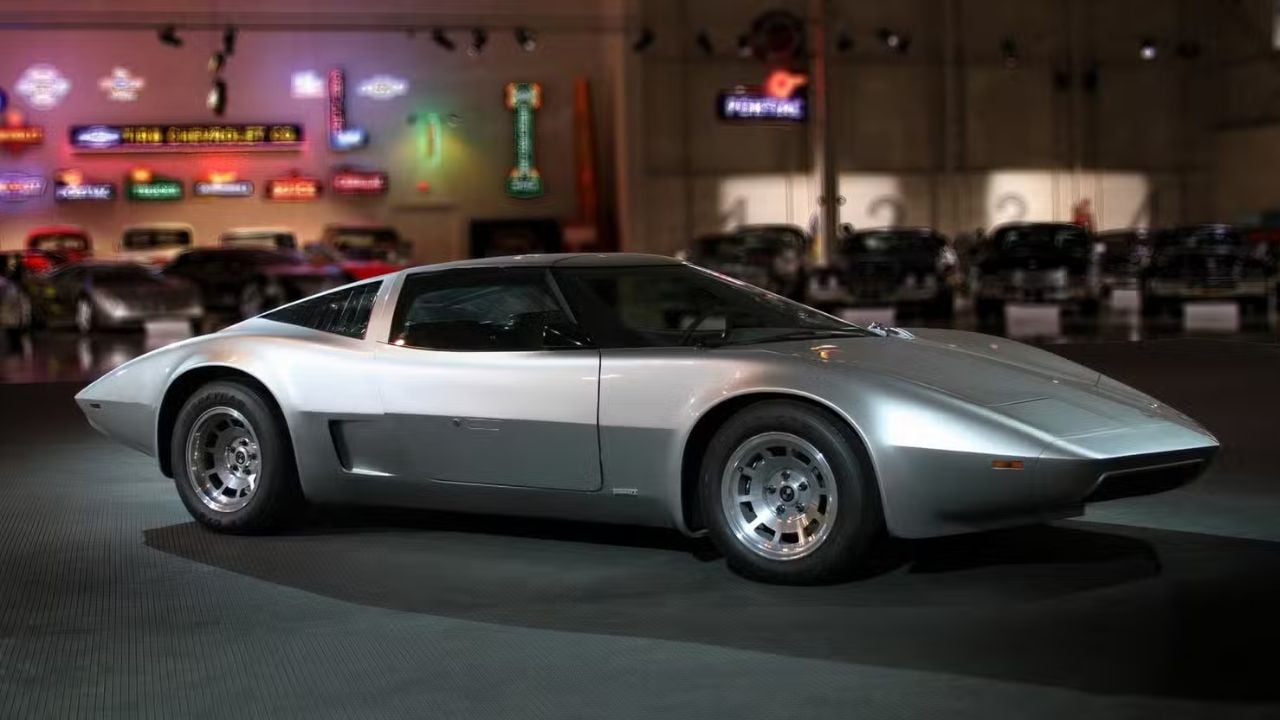
The Chevrolet Aerovette shows America thinking like a supercar nation long before the production market was ready to follow. GM Heritage says it began as a mid-engine concept built to showcase GM’s rotary work, with bi-fold gullwing doors and a clear rear window over the engine bay, before being reborn as the Aerovette when the rotary program ended and a small-block Chevrolet V8 took over.
The design still looks low, daring, and unusually clean. More importantly, the idea never really died. For decades, the Aerovette stood as the best reminder that a mid-engine Corvette made sense even if Chevrolet was not yet ready to build one. When the C8 finally arrived, it felt less like a revolution than a long-delayed answer to an old and very good question.
Ford GT90
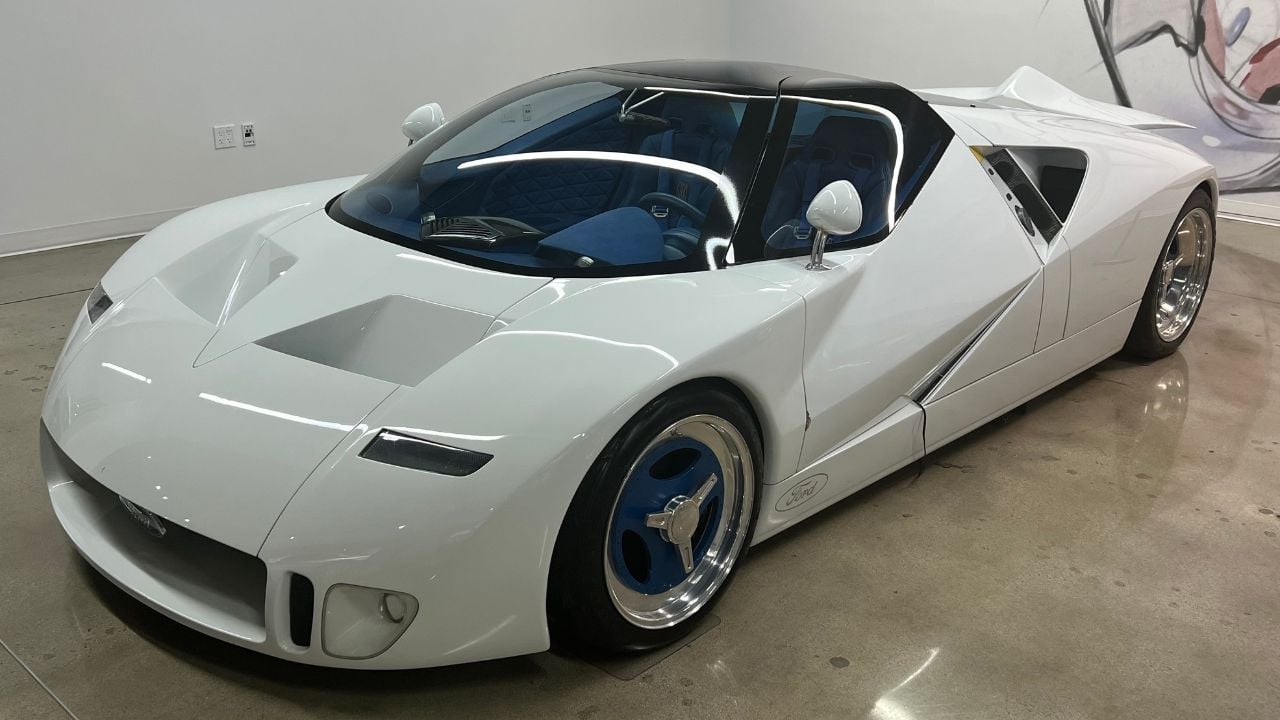
The Ford GT90 arrived like Ford had decided subtlety was optional. Petersen describes it as a technological and engineering test bed built in just over six months by Ford’s Special Vehicle Team, and also as the debut of the company’s “New Edge” design language. That alone gives the GT90 a bigger legacy than many one-off dream cars ever achieve.
Then there is the shape itself. The carbon-fiber body, knife-edge surfacing, and sheer aggression of the proportions made the GT90 unforgettable in 1995 and still striking now. Some concepts stay trapped in their decade. The GT90 still looks like a future that never happened, which is a large part of its appeal.
Chrysler Atlantic
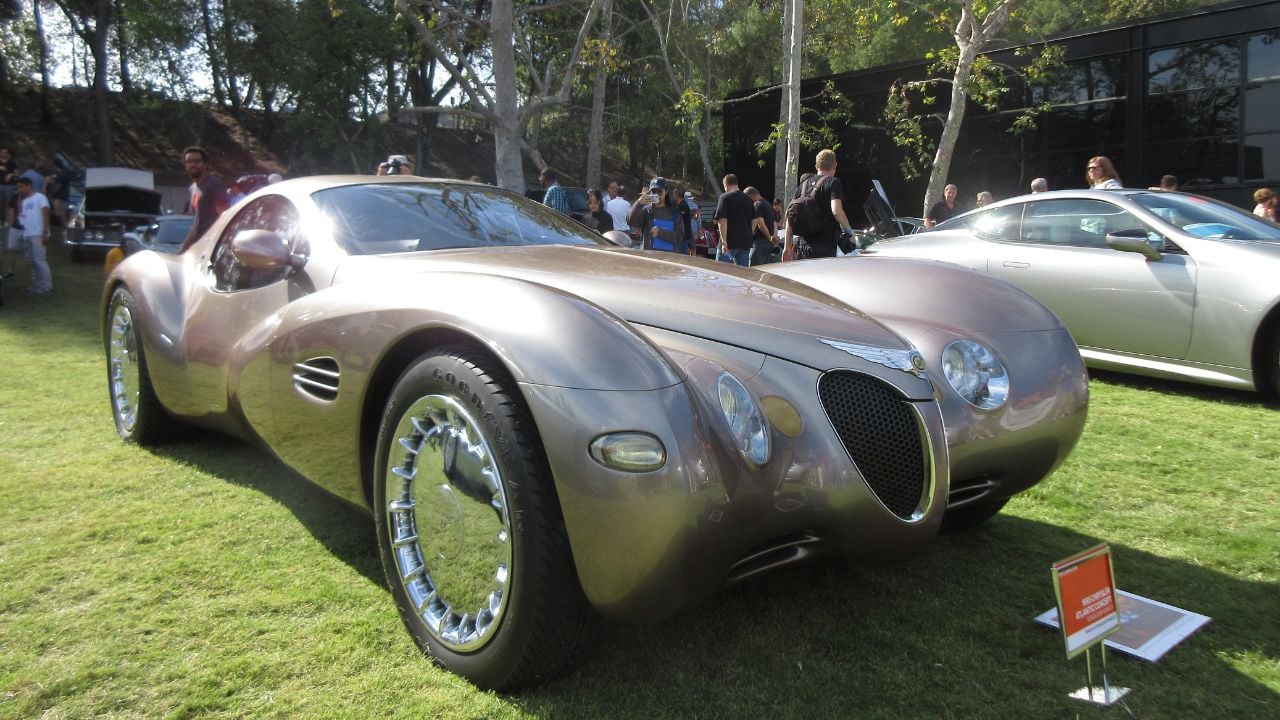
The Chrysler Atlantic is one of the best reminders that an American concept did not need a spaceship silhouette to feel extraordinary. MotorCities notes that Bob Hubbach’s design drew from 1930s inspiration, especially the Bugatti Atlantique, and paired that long-hood, short-deck form with a 4.0-liter straight-eight created by joining two 2.0-liter Neon four-cylinder engines together.
The engineering is charmingly strange, but the Atlantic’s real strength is visual. It is romantic, sculptural, and completely committed to its own fantasy. Chrysler did not simply mimic old glamour here. It translated prewar grandeur into a 1990s American concept with enough conviction to make the result feel fresh instead of nostalgic.
Cadillac Cien
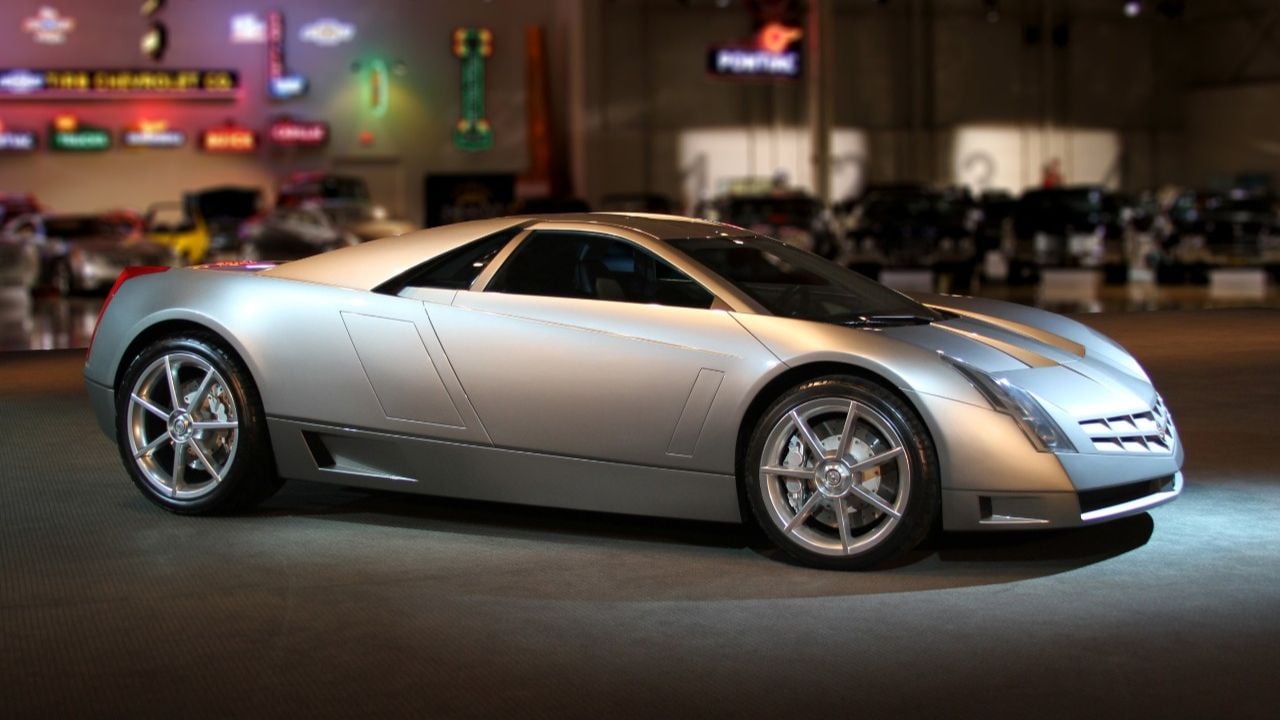
The Cadillac Cien is the concept that reminded people Cadillac could still shock a room. GM Heritage says it was inspired by the F-22 Raptor, used a carbon-fiber monocoque body and chassis, adopted a mid-engine rear-wheel-drive layout, and carried an experimental 750-hp V12 with displacement on demand.
The important thing is not just that the numbers were serious. The car looked serious. With its angular body, scissor-door drama, and fighter-jet influence, the Cien arrived like Cadillac had decided to reach for the exotic without apology. It reset the brand’s ceiling in one shot and remains one of the sharpest American supercar concepts ever built.
Cadillac Sixteen
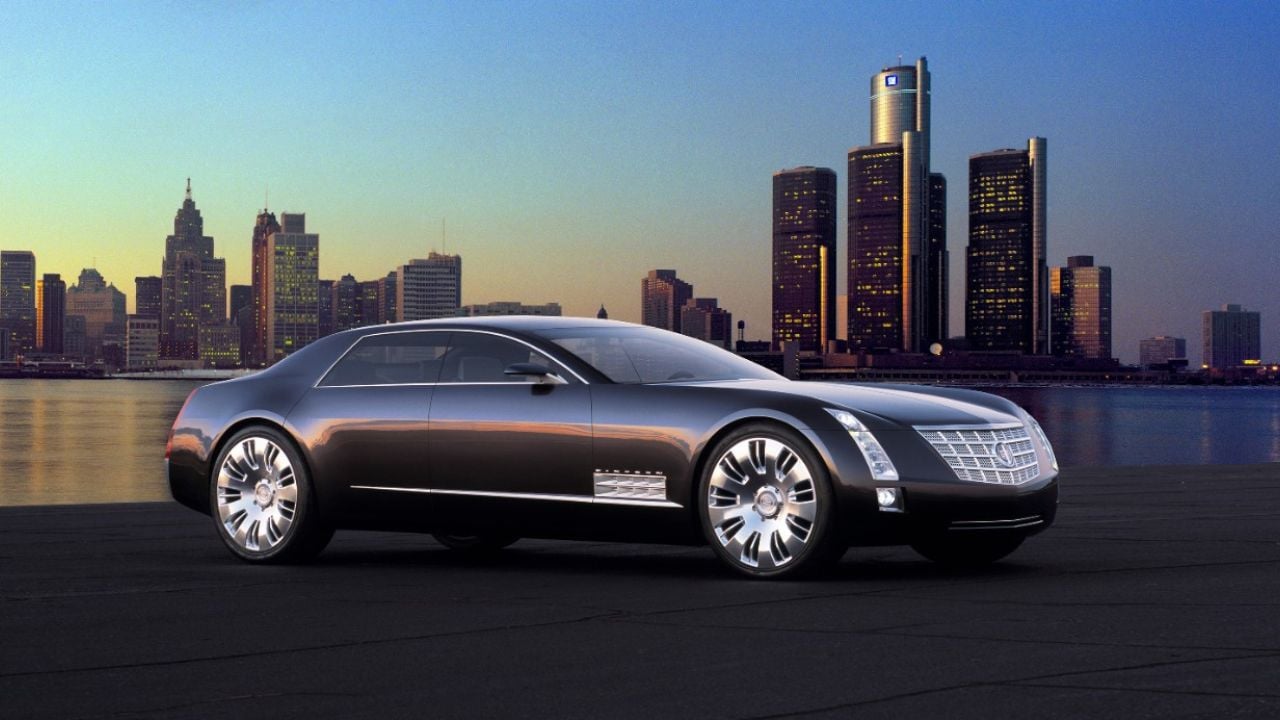
The Cadillac Sixteen made American luxury feel monumental again. GM says the car measured 18.6 feet long and centered its whole presence around a 13.6-liter XV16 engine producing 1,000 hp and 1,000 lb-ft of torque. Even by concept-car standards, those numbers still sound excessive.
The interior leaned all the way into ceremony: hand-stitched Tuscan leather, silk carpets, walnut burl veneer, crystal instrument-cluster dials, and a Bvlgari clock. The Sixteen worked because it understood something Cadillac’s greatest cars had always understood. Restraint was never the point. Grandeur was. In concept form, that attitude became unforgettable.
Chrysler ME Four-Twelve
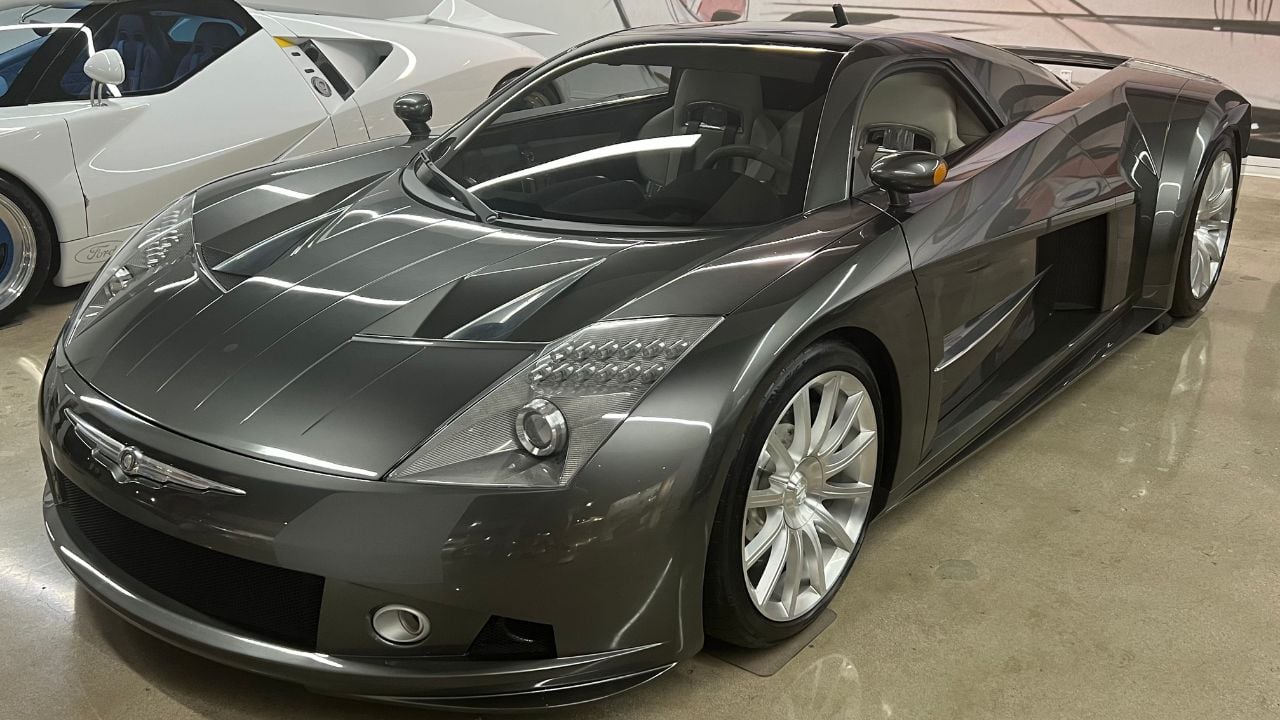
The Chrysler ME Four-Twelve is one of the boldest American “what if” cars ever built. Petersen describes it as an engineering statement as much as a design study, with carbon-fiber bodywork, an aluminum honeycomb monocoque tub, active aerodynamics, electronically controlled suspension, and an 850-hp quad-turbo 6.0-liter V12.
It also carried a projected 248-mph top speed, which would have placed it among the world’s fastest road cars at the time. What made the ME Four-Twelve so memorable was its seriousness. It did not read like a harmless fantasy. It read like a company showing that it could take a real shot at a world-class supercar.
Why America’s Best Concepts Still Matter
The most memorable concept cars do more than predict tomorrow. They let people feel the scale of an industry’s ambition in the present tense. These ten still do that.
They show a country willing to treat the automobile as sculpture, engineering experiment, cultural theater, and emotional object all at once. That is why American concept cars continue to leave such a mark. They asked bigger questions, took louder risks, and chased wonder with more confidence than caution. Decades later, the best of them still feel alive.