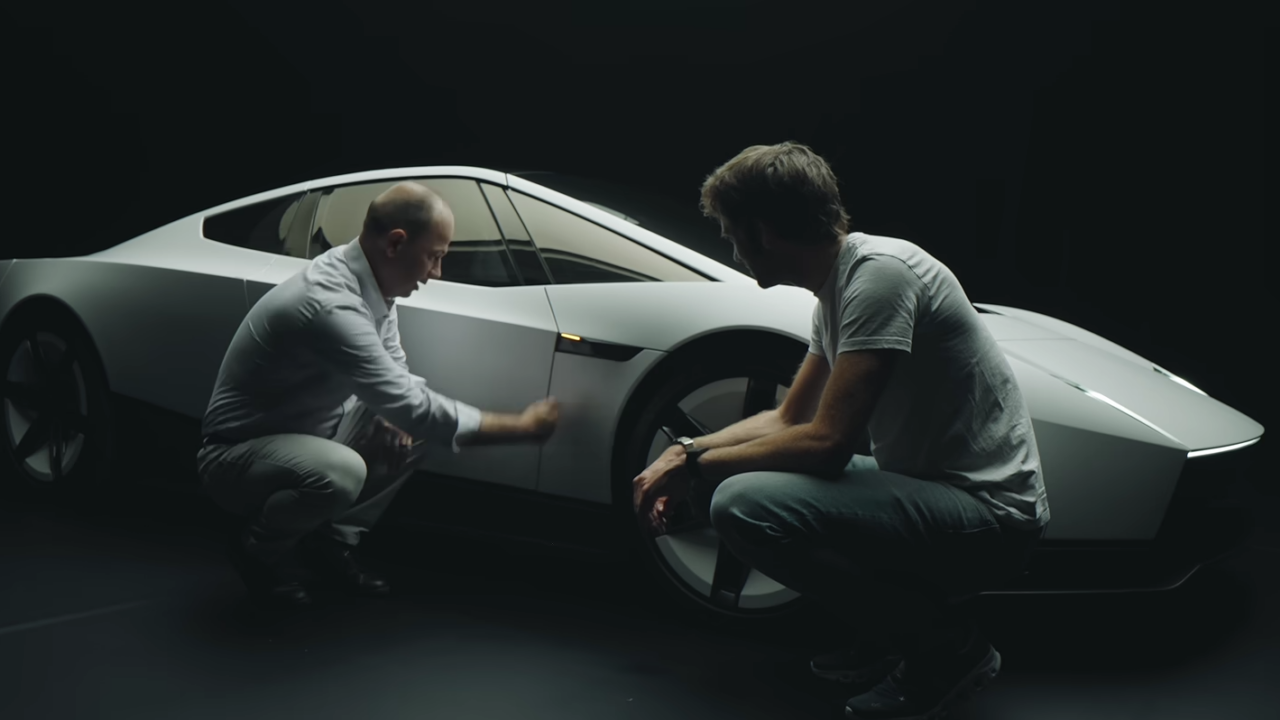
Tesla’s new Roadster promises to be one of the most outrageous performance cars ever conceived. With cold-gas thrusters, active aerodynamics, and even the ability to potentially fly, it’s unlike anything the company has attempted before.
Following the car’s unveiling, Hagerty’s Henry Catchpole sat down with Tesla’s vice president of vehicle engineering, Lars Moravy, to discuss the technology behind the long-awaited sports car. Their conversation revealed some surprising engineering decisions and extraordinary performance targets.
Perhaps the biggest surprise is that the Roadster is rear-wheel drive rather than all-wheel drive. Moravy explained that two rear-mounted electric motors produce over 1,341 horsepower and 1,033 lb-ft of torque, exceeding the combined output of the Model S Plaid’s three motors.
The company is initially planning three versions, each with increasingly extreme capabilities. Moravy also explained how technology from Tesla’s Optimus robot program and SpaceX has found its way into the car.
Over 1,300 Horsepower Through The Rear Wheels
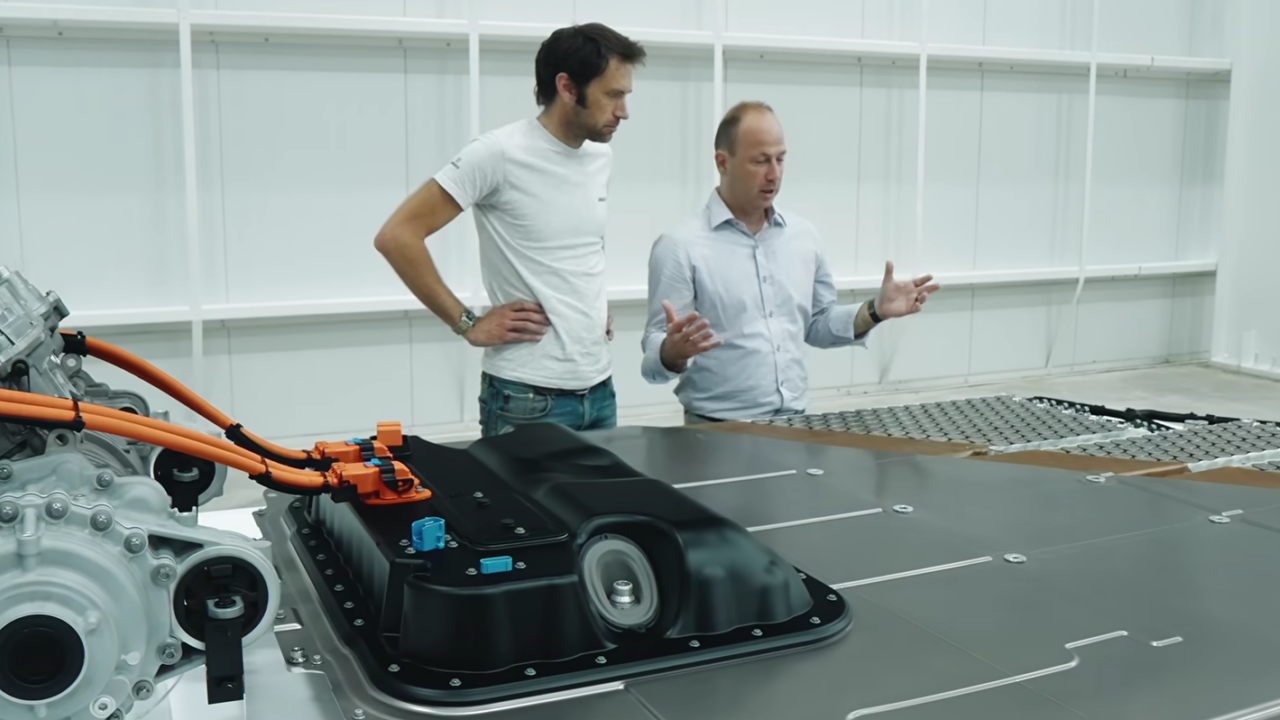
Moravy told Catchpole that Tesla developed specialized 4680 battery cells with aluminum casings and double-sided cooling to improve thermal performance. The company is targeting a weight below 1,700 kilograms (3,748 pounds), despite the Roadster’s sophisticated hardware.
Moravy also discussed the Roadster’s rapid charging capabilities, with the company targeting a 15–80% charge in approximately 10 minutes. The car is also expected to offer over 300 miles of range.
Fans, Moving Panels, And Robot Technology
The Performance version features four powerful fans and retractable skirts that generate suction beneath the car, improving traction at low speeds. This model is expected to reach 60 mph in 1.6 seconds and achieve a top speed of 210 mph.
Moravy also demonstrated the Roadster’s movable aerodynamic panels and active rear wing. Interestingly, he revealed that the wing uses actuators originally developed for Tesla’s Optimus humanoid robot.
SpaceX Thrusters Take Things Further
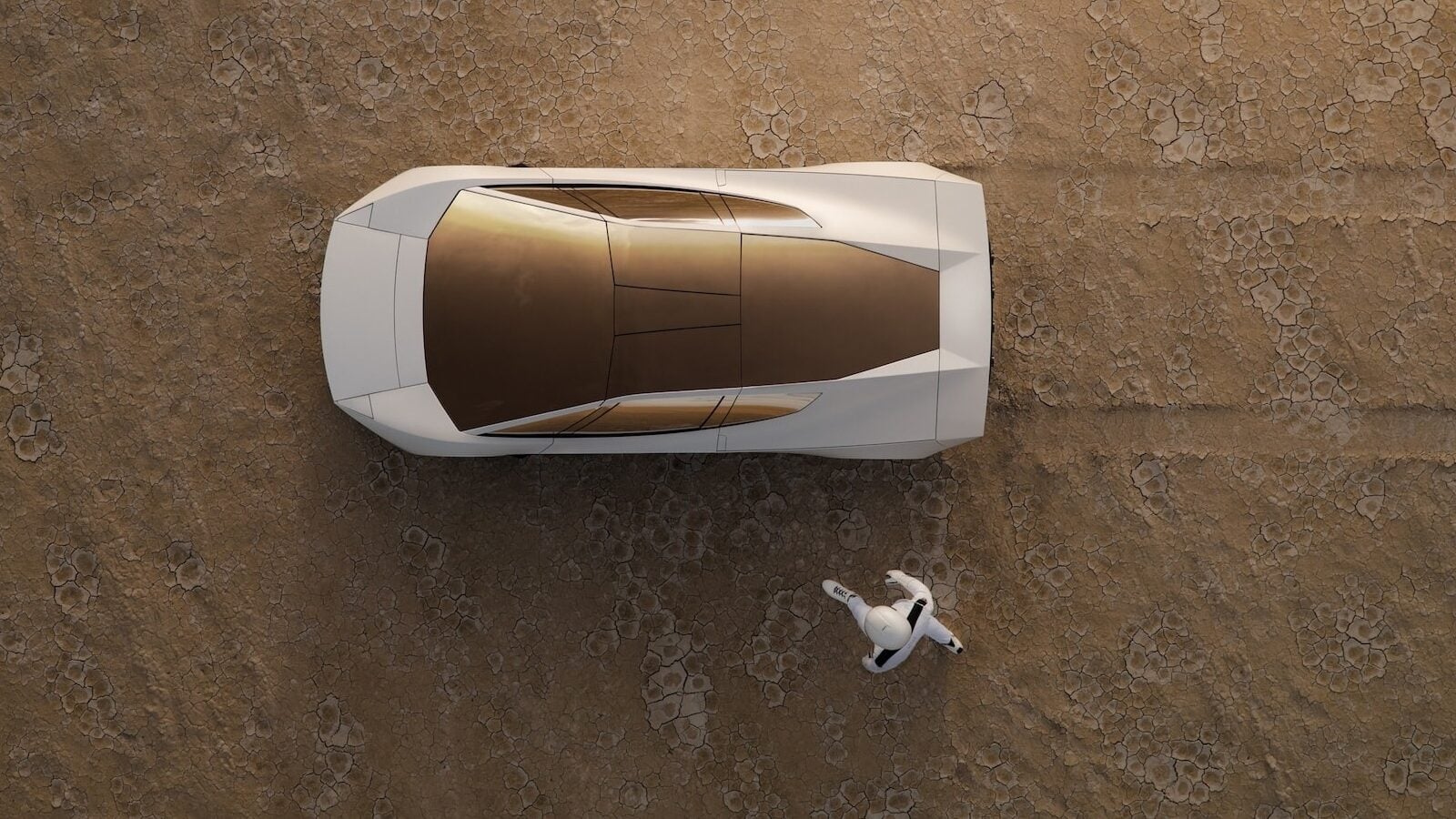
Moravy explained that the Thrust version adds four rear-mounted cold-gas thrusters supplied by a 200-liter tank of compressed nitrogen. Tesla claims these can help propel the car from 0 to 60 mph in just 0.85 seconds, with a top speed of 230 mph.
The flagship Rocket version adds another 400-liter nitrogen tank in place of the passenger seat, along with six additional thrusters. Moravy revealed that this configuration is designed to accelerate from 0 to 60 mph in just 0.55 seconds, using a rollout-adjusted measurement.
More remarkably, Moravy explained that the additional thrusters are intended to let the Roadster lift off the ground and perform aerial maneuvers. He confirmed that Tesla worked with SpaceX to develop the propulsion system.
Will Tesla Actually Build It?
The redesigned Roadster now features two seats instead of the originally proposed 2+2 layout, while the Rocket version accommodates only the driver. Other features include removable roof panels, steer-by-wire controls, and a driver-focused cockpit.
Moravy told Catchpole that Tesla has several development prototypes, with a larger build phase planned for early 2027. Pricing and a firm production date are still unconfirmed, while the extraordinary acceleration and flight capabilities have yet to be independently verified.