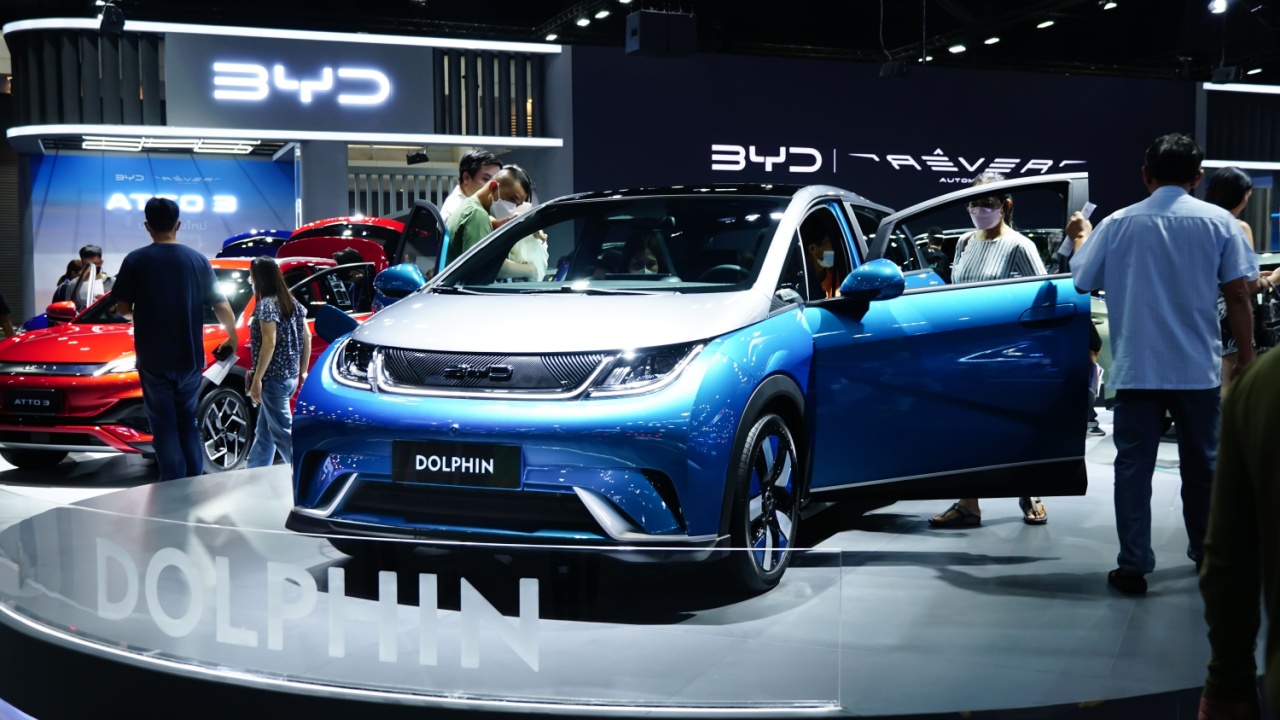
A recent TikTok video from Reuters sparked plenty of questions by highlighting a surprising shift in the global auto market: Chinese automaker BYD is now outselling Tesla. at least when it comes to total vehicle sales. In 2024, BYD moved a massive 4.27 million vehicles, including both plug-in hybrids and fully electric cars, compared to Tesla’s 1.79 million EVs.
Most of BYD’s sales were in China, but that hasn’t stopped the company from becoming a serious global contender. BYD is quickly changing the conversation around electric mobility. And yes — it’s something American drivers should be paying attention to.
BYD’s Growth Numbers Are Hard to Ignore
In the final quarter of 2024 alone, BYD’s revenue jumped 73% compared to the same period the year before, Reuters reports. That’s not a typo. The company is scaling fast, driven by both rising domestic demand and growing interest in emerging markets. And investors have taken notice: BYD’s stock is up more than 50% this year, according to Reuters.
This isn’t just a hot streak — it’s a signal that BYD’s business model, which includes building its own batteries and offering competitive pricing, is gaining serious momentum.
@reutersChinese carmaker BYD has beaten Tesla to $100 billion in annual sales, as plug-in hybrids accelerated demand in its home country, China. #byd #tesla #cars #evs #electric #china #reuters #news
Tesla Still Leads on EVs, But Barely
Tesla still holds the crown when it comes to pure electric vehicle sales globally, edging out BYD by just a sliver. But while Tesla focuses exclusively on battery-electric models, BYD is moving volume by also offering plug-in hybrids, giving budget-conscious drivers more options. That broader lineup has helped BYD rack up higher total sales numbers, and it’s part of why their production model is so flexible.
What sets Tesla apart, especially in the U.S., is brand strength and tech: autonomous driving features, Supercharger networks, and software integration. But with competitors like BYD catching up in efficiency and affordability, Tesla’s edge is narrowing.
Why This Matters in the U.S.
Right now, BYD has little direct presence in the U.S. consumer market due to tariffs and policy restrictions. But that doesn’t mean Americans won’t feel the impact. BYD is already exporting to Europe, Southeast Asia, and Latin America, and it’s actively looking for ways to expand globally. More competition in the EV space means pressure on pricing, more innovation, and a faster transition to electrification overall.
And let’s not forget the long-term play: BYD is a leader in battery tech and energy storage. Even if you never drive a BYD, their approach to vertical integration — making their own batteries, semiconductors, and even shipping vessels — may push the entire industry, including U.S. automakers, to move faster and rethink how they build EVs.