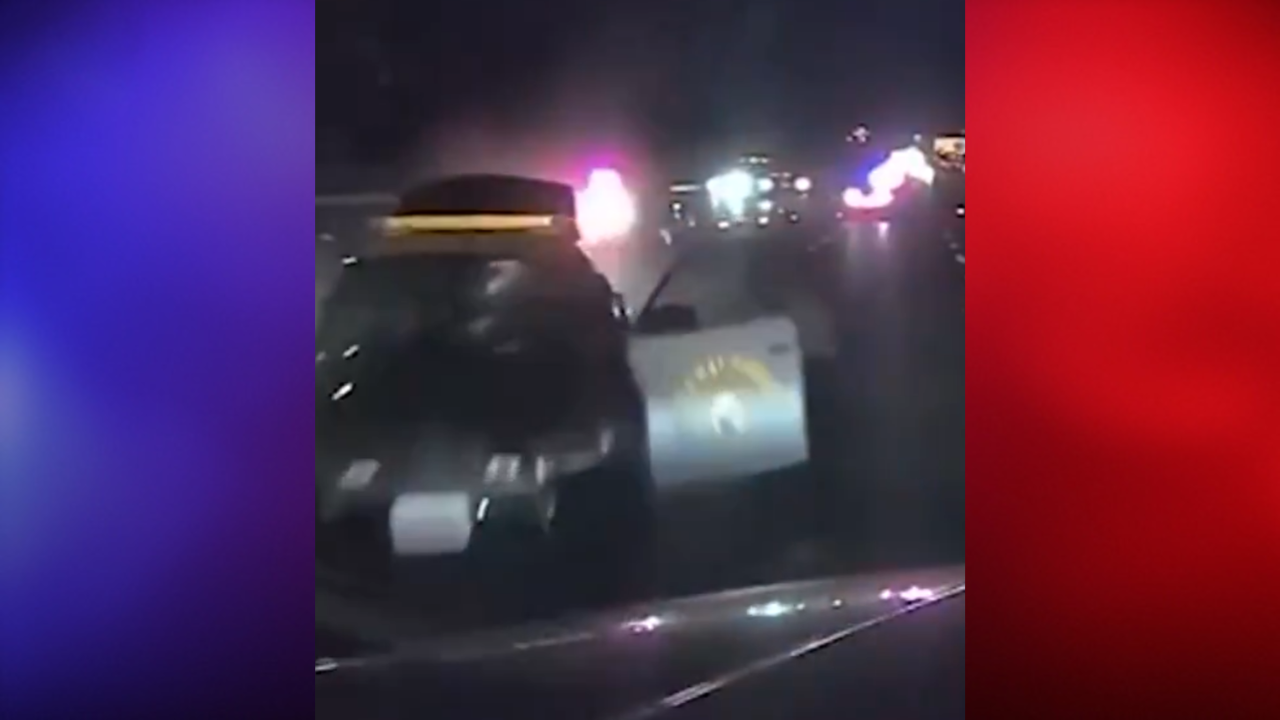
A Tesla driver said he was asleep and using driver-assistance technology when his car crashed into a California Highway Patrol vehicle, seriously injuring the two officers inside, the CHP reported in an October 15 post.
The collision happened Tuesday night, October 13, on Interstate 80 in Fairfield, west of Air Base Parkway, NBC Bay Area reported. The officers were responding to a separate deadly crash when the Tesla entered the crash site and struck their parked patrol car.
CHP subsequently posted video of the collision online, and both officers are recovering.
Whether Tesla’s Full Self-Driving feature was active at the moment of impact remains unconfirmed in NBC’s report. The driver’s account of using assistance therefore cannot establish which system, if any, was controlling the car when it hit the officers.
At the Wheel
Embedded media follows; please allow a moment for it to load.
Tesla’s instructions leave no room for sleeping while using Full Self-Driving (Supervised). The company describes it as an advanced driver-assistance system intended for a fully attentive driver, rather than a replacement for the person behind the wheel.
The software can change lanes, follow navigation routes, maneuver around other vehicles and objects, and make turns. Those capabilities still require active supervision. Tesla places responsibility for speed and vehicle control on the driver whether the feature is enabled or not.
Its Model 3 owner’s manual describes two different camera functions. Cameras mounted at the front, rear, left, and right supply information about the car’s surroundings, while a cabin camera monitors driver attentiveness. The system also displays escalating warnings requiring a driver response. These are the documented safeguards for that model, rather than confirmation of how the Tesla involved in the Fairfield crash was equipped or operated.
The manual also warns that drivers may need to intervene in construction zones, on narrow roads with oncoming traffic, or at complex intersections. Dirty or obstructed cameras, rain, and faded lane markings can affect performance. Tesla instructs owners to ensure the cameras are unobstructed and calibrated before use. Drivers must be prepared to take immediate action as road conditions change.
For drivers who need to intervene, Tesla’s support instructions list pressing the brake pedal or taking over the steering as ways to disengage Full Self-Driving (Supervised).