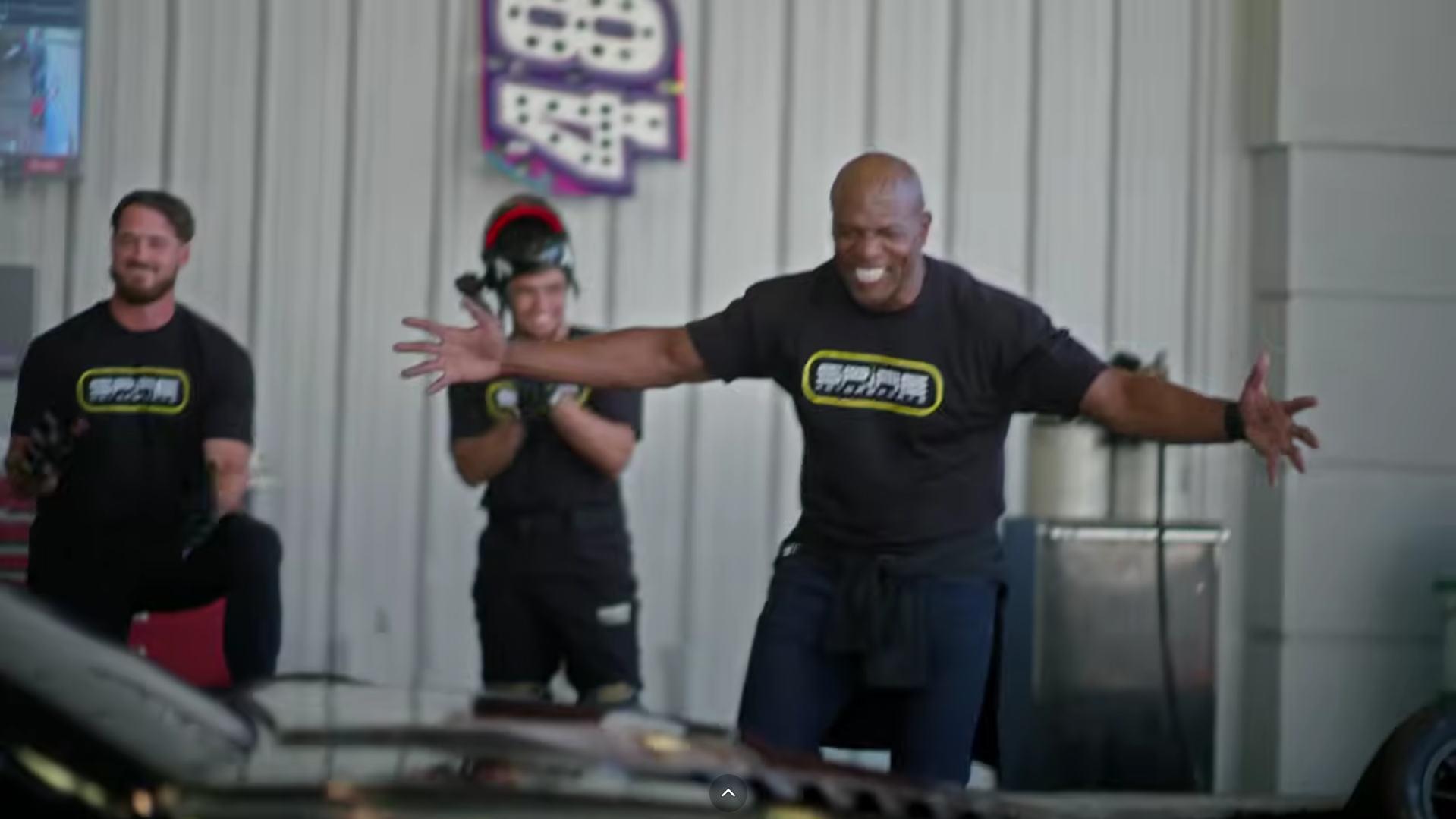
Actor and former NFL player Terry Crews traded Hollywood for pit road after taking part in an immersive NASCAR experience with Spire Motorsports. The visit gave him a behind-the-scenes look at how stock cars are built, transported, raced, and serviced, before putting his own athleticism to the test during pit crew training.
The experience was documented in a new episode of the Cadillac F1 Team’s YouTube series, which follows Crews as he explores different areas of motorsport ahead of Cadillac’s Formula 1 debut. After previously learning about F1, Crews headed to North Carolina to discover how NASCAR compares.
Throughout the day, Crews toured Spire Motorsports’ race shop alongside drivers Michael McDowell, Daniel Suárez, and Carson Hocevar. He learned about everything from chassis construction and race preparation to the logistics of moving an entire race operation across the country each week.
While NASCAR and Formula 1 approach racing very differently, Crews came away impressed by the teamwork required in both disciplines. By the end of the visit, he even earned honorary recognition as part of Spire Motorsports’ pit crew.
Learning How NASCAR Teams Build Their Cars
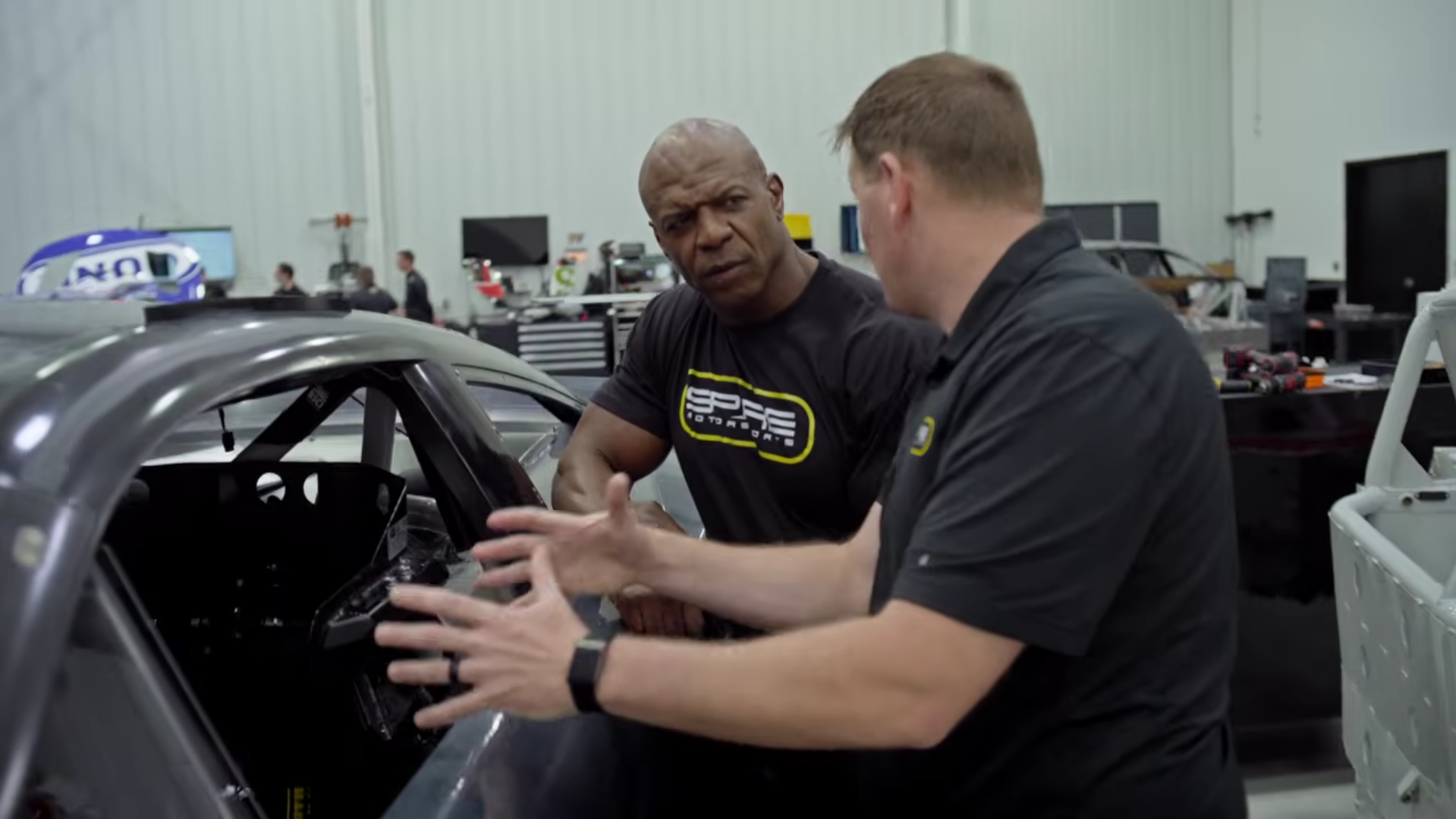
Michael McDowell began the tour by showing Crews how a NASCAR Cup Series car is assembled. Unlike Formula 1, where each team designs and manufactures much of its own chassis, NASCAR teams use standardized components supplied through the series.
McDowell explained that after every race, each car is completely stripped down to its bare frame. Every bolt, washer, and component is inspected, cleaned, measured, and rebuilt before returning to competition several weeks later.
The NASCAR stock cars also weigh considerably more than Formula 1 machines. At roughly 4,000 pounds, they are built to withstand regular contact during races, something McDowell described as “hand-to-hand combat” compared to Formula 1’s focus on aerodynamics and engineering precision.
Behind The Scenes Of A Traveling Race Team
Daniel Suárez then introduced Crews to one of the team’s massive transport haulers. Each trailer carries race cars, spare parts, tools, equipment, and even complete backup cars needed throughout a race weekend.
Suárez explained that every driver has dedicated equipment and support to keep operations running smoothly. The transporters effectively serve as mobile workshops capable of rebuilding race cars anywhere on the NASCAR schedule.
The Mexican driver also reflected on his own journey to NASCAR’s top level. As the only full-time Cup Series driver representing Latin America, Suárez said reaching the sport’s highest level is something he never imagined when he first arrived in the United States at 19 years old.
Pit Crew Training Is Far More Demanding Than It Looks
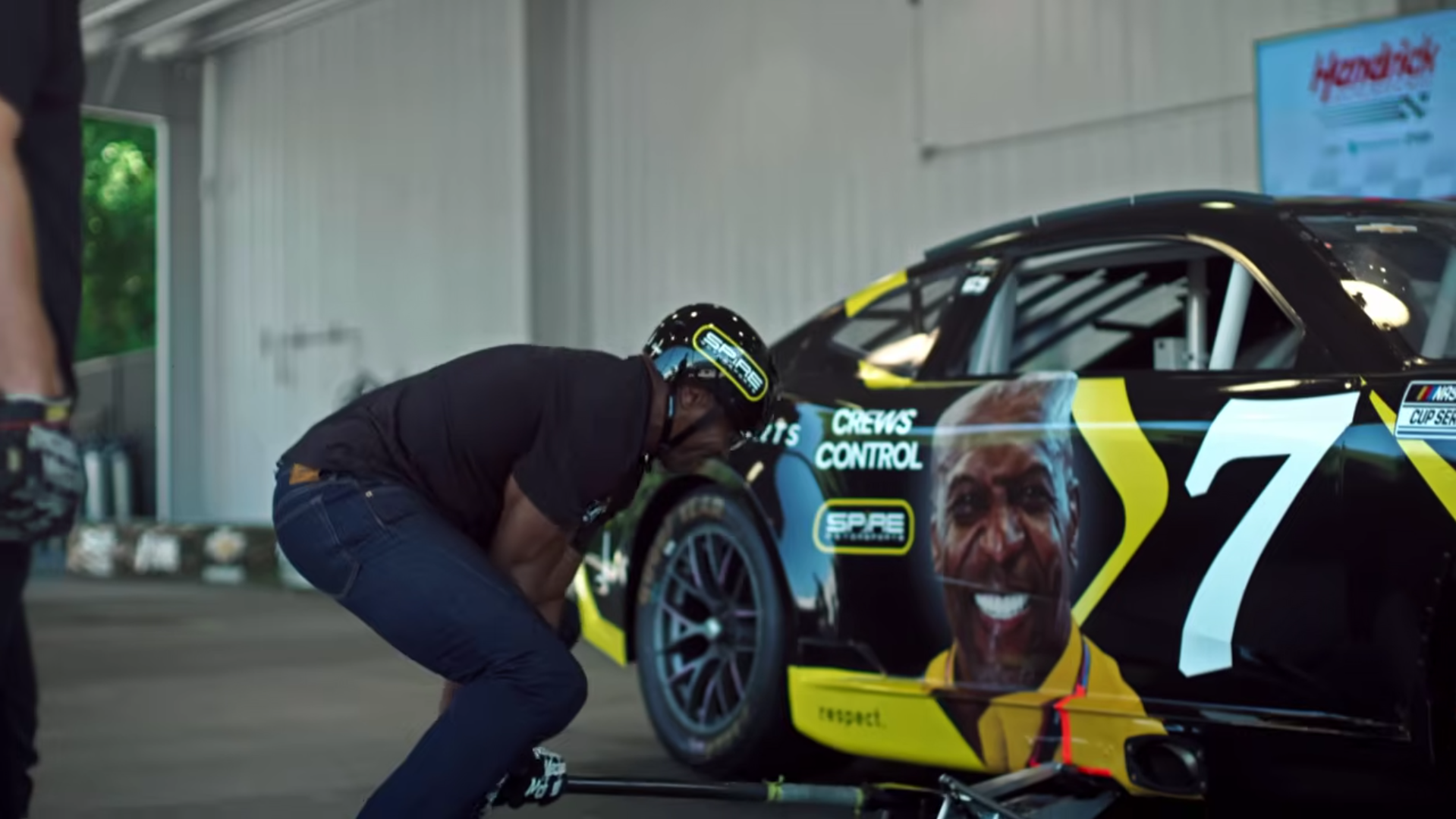
The most physically demanding part of the experience came when Crews joined Spire Motorsports’ No. 77 pit crew for boot camp. Working alongside the team’s tire changers, jackman, and fueler, he quickly discovered that every role requires explosive strength, precision, and perfect timing.
Crew members demonstrated the specialized equipment used during pit stops, including 110-pound fuel cans capable of delivering nearly two gallons of fuel every second. Crews also tried using the powerful pneumatic wheel gun before learning how to operate the race jack.
Although he spent years playing in the NFL, Crews admitted the physical demands surprised him. He joked that football, acting, and everything else in his career had done little to prepare him for the intensity of NASCAR pit work.
NASCAR Uses Fewer Crew Members Than Formula 1
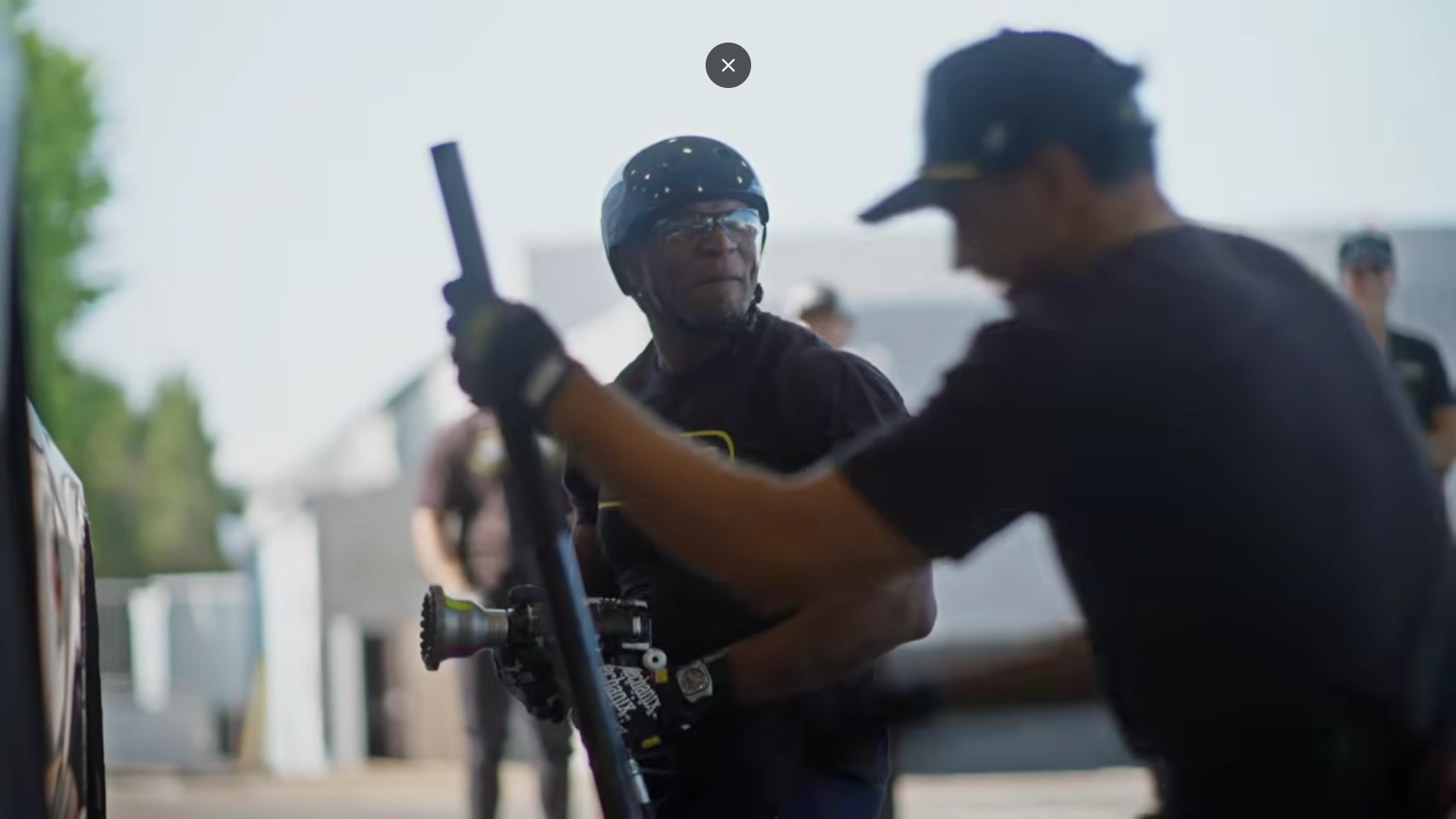
One of the biggest surprises for Crews was how much work is handled by only five over-the-wall crew members. While Formula 1 pit stops involve significantly larger crews, NASCAR teams rely on just five specialists to change four tires and refuel the car in roughly eight seconds.
That limited manpower means every movement must be perfectly synchronized. Each crew member performs multiple tasks while moving around the car in a carefully choreographed routine where even small mistakes can cost valuable track position.
After trying each position, Crews ultimately decided fueling was his favorite role. Even then, he admitted that every job demanded far more skill than he had expected.
A New Appreciation For NASCAR
Crews eventually completed his own practice pit stop with the Spire crew, although he wisely set himself a much more realistic goal than matching the team’s eight-second pace. The experience left him with a deeper appreciation for the coordination required behind every NASCAR race.
Reflecting on the day, Crews described NASCAR as a sport built around power, controlled chaos, and teamwork, while Formula 1 emphasizes technology, precision, and engineering. Despite their differences, he concluded that teamwork is the common thread that connects both forms of motorsport.
The visit ended with Spire Motorsports presenting Crews with a weekly team award recognizing his effort during pit crew boot camp. Judging by his reaction, the experience may have earned NASCAR another high-profile fan.