
When most people think of supercars, their minds immediately jump to Ferrari, Lamborghini, or McLaren. But the world of high-performance machinery runs much deeper than the usual suspects, and some of the most impressive engineering achievements fly completely under the radar.
These are the supercars that deserve way more attention than they get.
Acura NSX (2016-2022)

The second-generation NSX got overshadowed by its legendary predecessor, but this hybrid supercar was actually a technical marvel. With a twin-turbo V6 paired with three electric motors producing 573 horsepower, it offered all-wheel-drive precision that made it shockingly capable on track.
People wrote it off as “just an Acura,” but anyone who actually drove one came away impressed by how it rewrote the playbook for everyday supercar usability.
Lexus LFA

Only 500 were built, and somehow this Japanese masterpiece still doesn’t get the respect it deserves. The 4.8-liter V10 that revs to 9,000 RPM is considered one of the greatest engines ever built, with Yamaha tuning it to sound like a Formula 1 car.
At $375,000 when new, it was expensive. But today, collectors are finally realizing what they missed.
Aston Martin Vantage V12
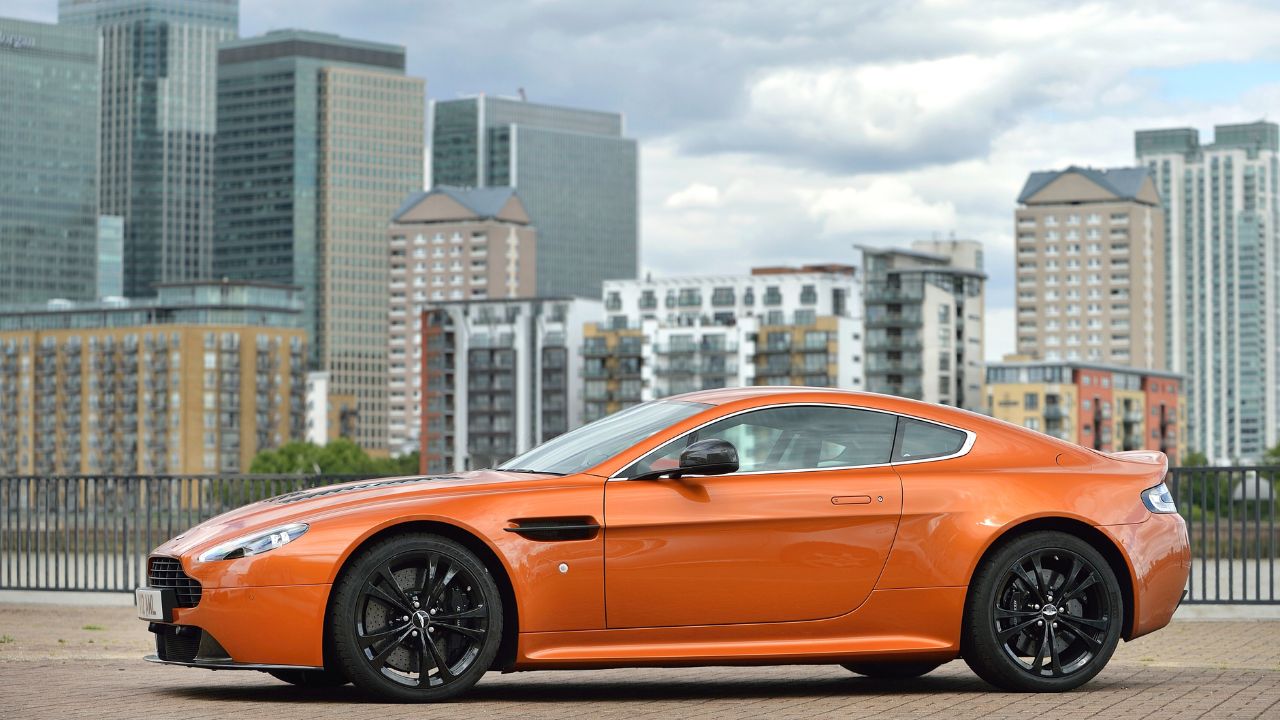
While everyone fawned over the V8 Vantage, the V12 Vantage S was the one that really delivered supercar performance. With about 565 hp (563 bhp) from its naturally aspirated 5.9-liter V12, Aston Martin quoted 0 to 60 mph in about 3.7 seconds while still maintaining that refined character.
It flew under the radar because Aston never marketed it aggressively, but it’s one of the last naturally aspirated V12 sports cars you could buy.
Alfa Romeo 4C
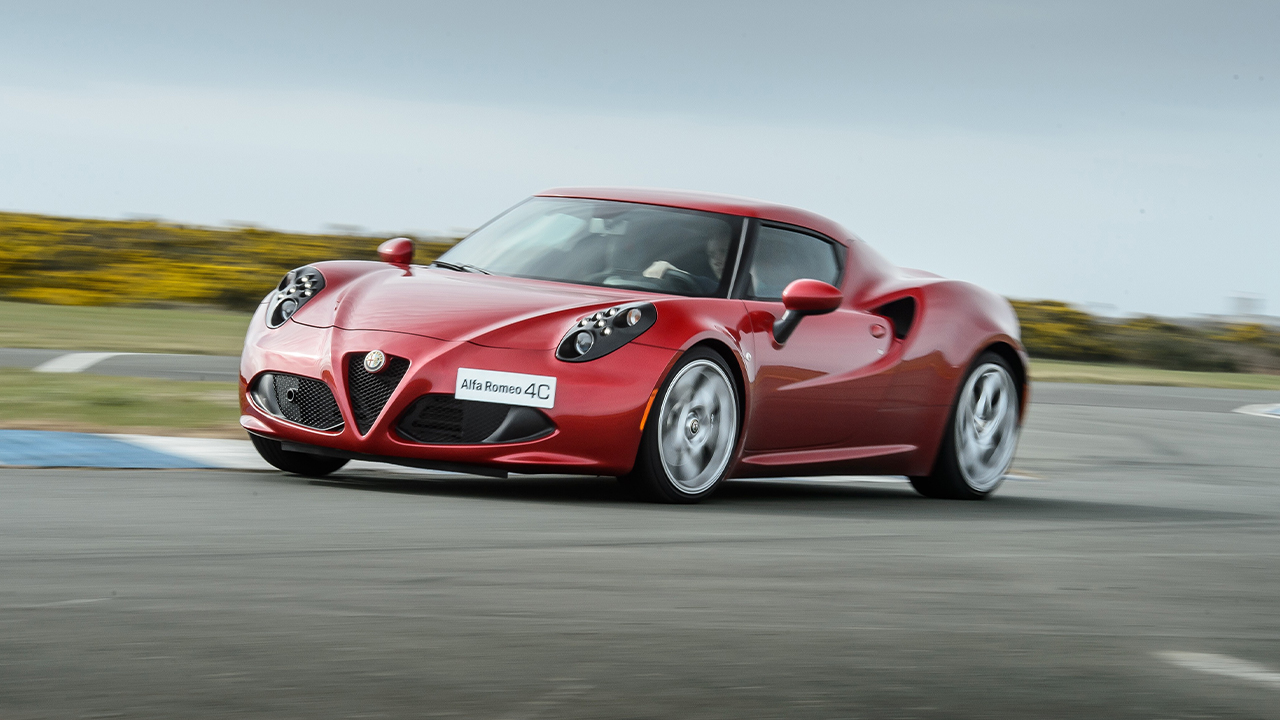
People dismissed this as a budget exotic, but the 4C’s carbon fiber chassis and sub-2,500-pound weight made it a legitimate performance machine. The 237-horsepower turbocharged four-cylinder sounds modest on paper, but when you’re working with go-kart physics, it’s more than enough.
It proved that supercar thrills don’t always require supercar horsepower.
Lotus Evora GT

The Evora lived in the shadow of more expensive exotics, but its supercharged 416-horsepower V6 and Lotus handling made it one of the purest driving experiences available. At around $100,000, it offered genuine supercar performance for a fraction of what competitors charged.
The problem was that Lotus dealers were scarce and the brand lacked the prestige cache that sells six-figure cars.
Mercedes-AMG GT R
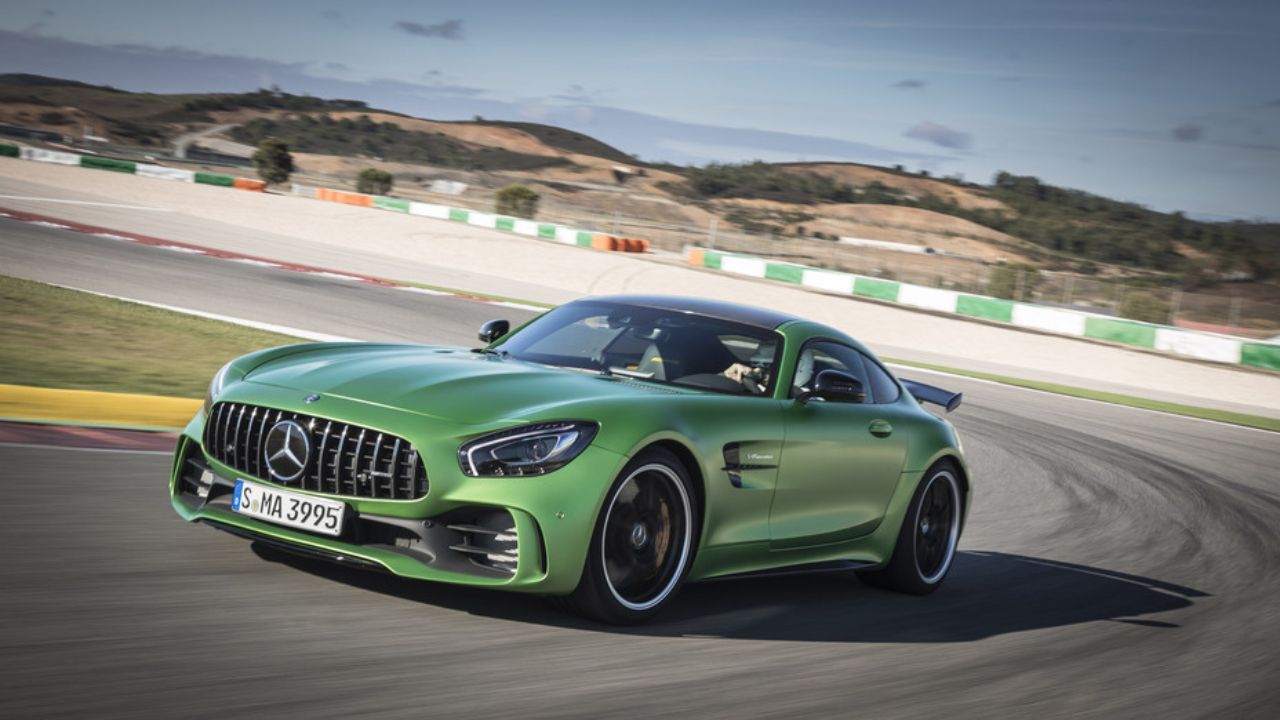
Everyone talks about the Porsche 911 GT3, but the GT R was Mercedes’ answer that somehow never got the same recognition. With 577 horsepower, active aerodynamics, and rear-wheel steering, it was a proper track weapon that set a 7:10.9 lap of the Nürburgring Nordschleife in Sport Auto testing.
The long hood and wide stance gave it road presence that rivaled anything from Italy, but it never quite captured the enthusiast imagination the same way.
Audi R8 V10 Plus

The R8 has always been seen as the “sensible” supercar choice, which somehow diminished its reputation despite being genuinely excellent. With the same 5.2-liter V10 shared with the Lamborghini Huracán, the R8 V10 plus was rated at 610 PS (602 hp), delivering very similar performance with a more user-friendly ownership experience than some exotics.
It’s the supercar you could actually live with daily, which apparently made it seem less special to some people.
Ford GT (2005-2006)

The modern Ford GT from 2017 gets plenty of attention, but the mid-2000s version has been somewhat forgotten despite its significance. Its supercharged 5.4-liter V8 made 550 horsepower, and the design was a stunning tribute to the Le Mans-winning GT40.
Only 4,038 were built, making it rarer than many Ferraris from the same era, yet it trades for less money than you’d expect.
Jaguar XJ220
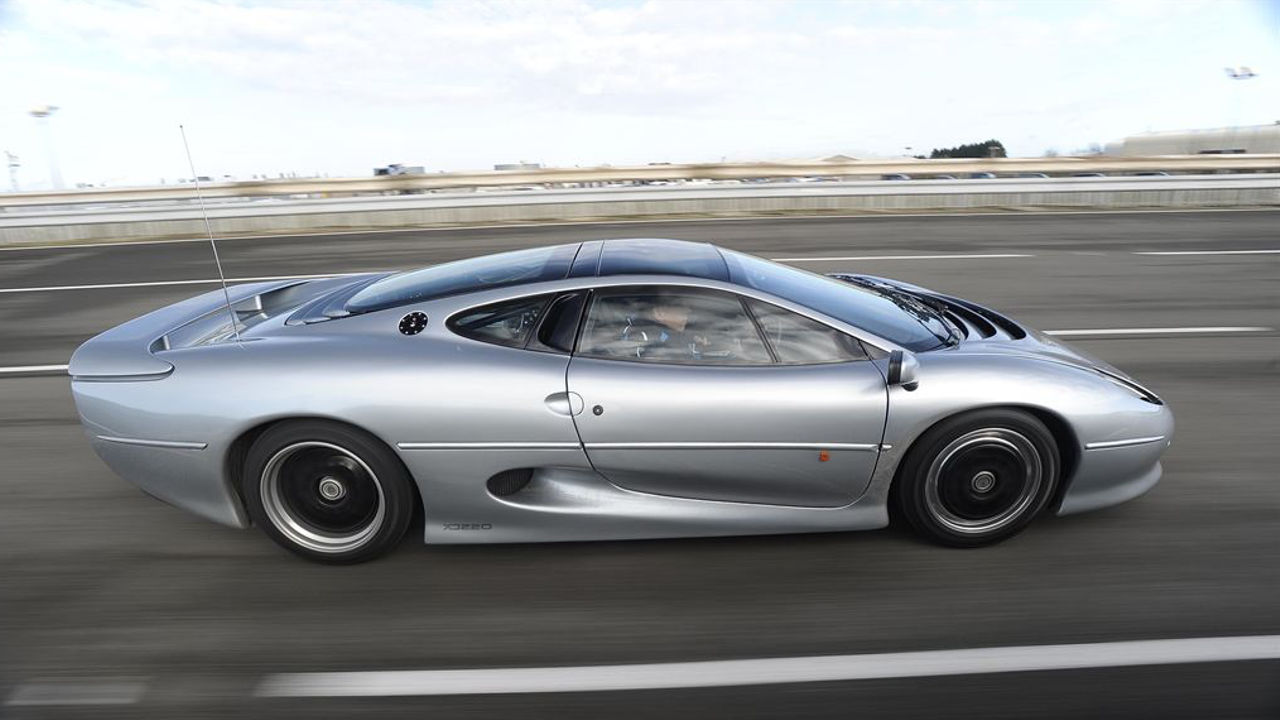
In period it briefly held a Guinness-recognized fastest production car claim, with Jaguar recording 217.1 mph at Nardò only after removing the catalytic converters and raising the rev limiter. In standard trim, the Jaguar recorded about 212.3 mph, and its 3.5-liter twin-turbo V6 was rated at 550 PS (542 hp), yet people were disappointed it did not use the original V12 concept layout.
Today, it’s recognized as one of the most beautiful supercars ever made, but it still doesn’t command the prices or attention of its Ferrari and Lamborghini contemporaries.
Dodge Viper ACR

The final-generation Viper ACR set production car lap records at multiple tracks, yet it never got mainstream recognition outside extreme track enthusiasts. With 645 horsepower and over 1,200 pounds of downforce at 150 mph in extreme aero trim, it was beating cars costing far more on many tracks.
The lack of traction control or driver aids scared off casual buyers, but that raw character was exactly what made it special.
Porsche Carrera GT

Wait, hear us out: the Carrera GT is famous, but it’s still somehow underrated for what it actually accomplished. This was a Le Mans prototype-derived V10 in a road car with a manual transmission and minimal electronic aids, making it one of the most analog supercars ever built.
People remember it as beautiful and rare, but fewer appreciate that it was essentially a race car that happened to be street legal. It’s more than a pretty face.
Noble M600

Most people have never even heard of Noble, let alone the M600, but this British supercar was putting down 650 horsepower from a twin-turbo Volvo V8. With a 0-60 time of about 3.0 seconds and a claimed top speed around 225 mph, it competed with the best supercars in the world for a fraction of the price.
Production has been extremely limited, often reported at around 30 cars, and its obscurity is exactly what makes it one of the coolest sleeper supercars out there.
Conclusion

The supercar world has always been about more than just specs and lap times. These 12 cars prove that sometimes the most interesting machines are the ones that don’t have the loudest marketing departments or the most recognizable badges. Whether they were too advanced for their time, too understated for their own good, or simply came from brands without the heritage, they all deserve a second look.
The next time someone brings up supercars, maybe throw one of these names into the conversation and watch the reaction.