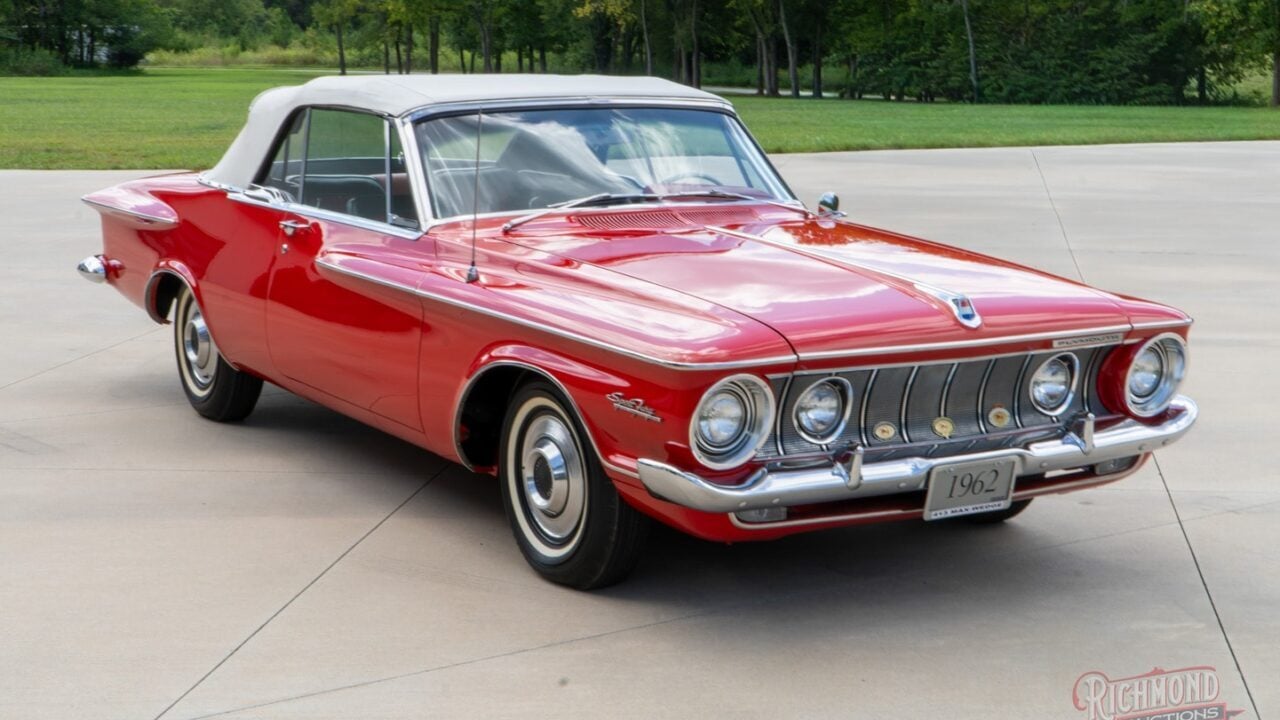
Long before the 426 Hemi became Mopar royalty, Chrysler was already building some ferocious factory drag machines. In 1962, one of its most important weapons arrived in the form of the 413 Super Stock engine, better known to enthusiasts as the Max Wedge.
Putting that engine into a lightweight Plymouth was already a serious proposition. Ordering it in the comparatively luxurious Sport Fury convertible created something altogether rarer.
Plymouth built 1,516 Sport Fury convertibles for 1962, but Richmond Auctions says only 13 left the factory with the 413 Super Stock package. Of those, just seven received the heavy-duty TorqueFlite automatic found in this car.
Even more remarkably, only two of the 13 Max Wedge convertibles are known survivors. One of them is now heading to auction, giving somebody the opportunity to take home a fascinating piece of early Mopar performance history.
410 HP In A 1962 Convertible
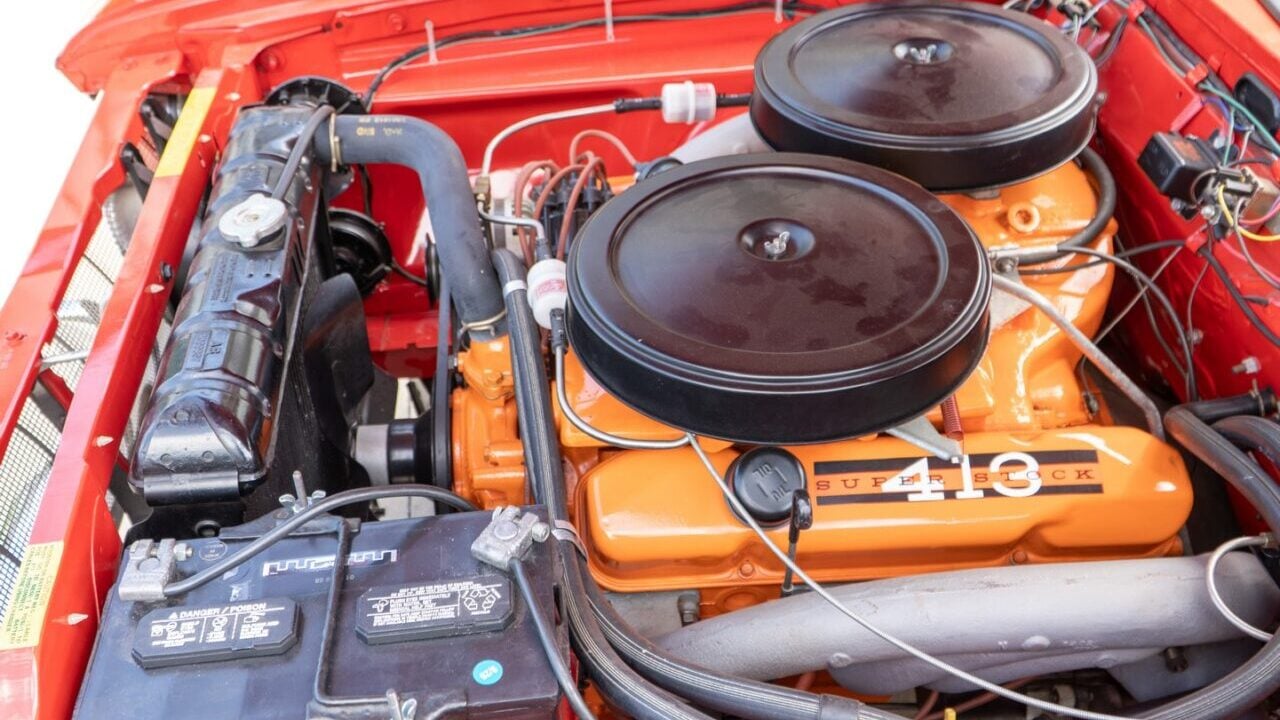
At its heart is a period-correct 413-cubic-inch Max Wedge V8, originally specified in 11.0:1-compression form with 410 horsepower and roughly 460 lb-ft of torque. Dual Carter four-barrel carburetors sit atop Chrysler’s dramatic cross-ram intake manifold.
Power reaches the rear wheels through a period-correct heavy-duty 727 TorqueFlite operated by pushbuttons on the dashboard. The car was originally ordered with a 3.91:1 Sure Grip rear end, along with competition-focused Max Wedge chassis reinforcements.
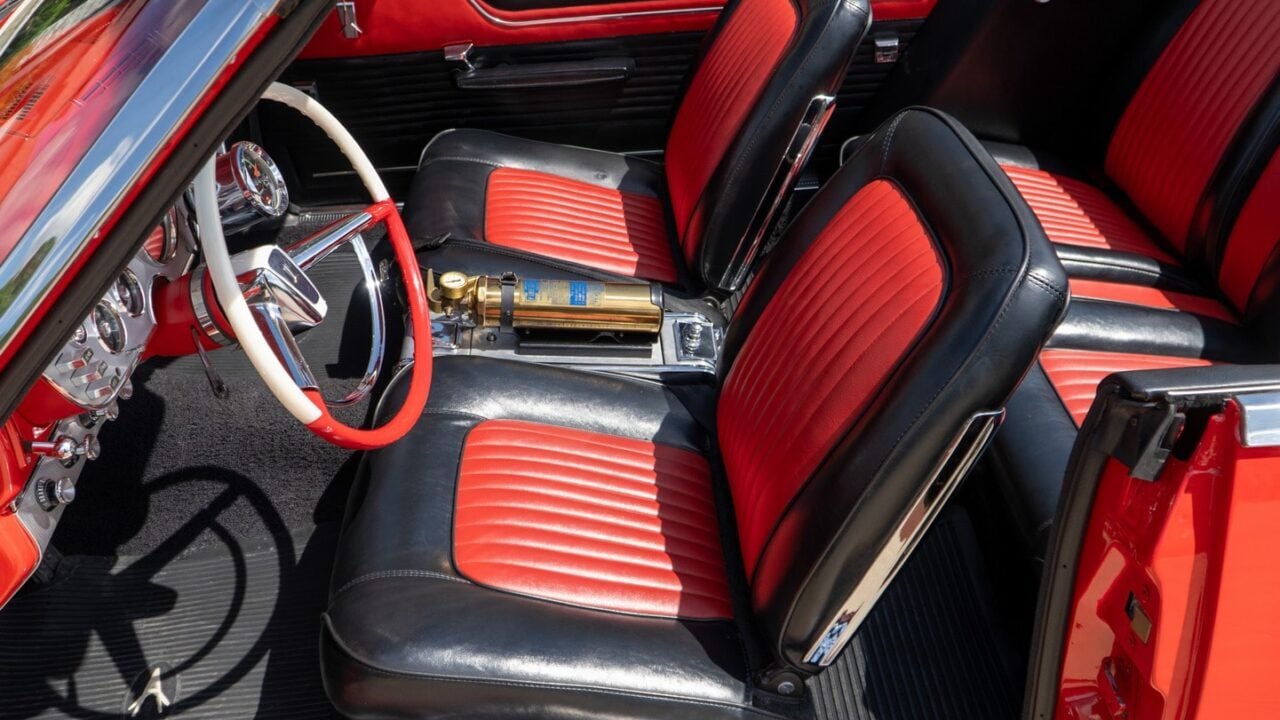
Despite its racing hardware, the Sport Fury wasn’t exactly stripped bare. Its original sales contract lists power windows, power steering, power brakes, a radio, variable-speed wipers, a tinted windshield, and a clock. The original buyer paid approximately $4,235.50 for the privilege.
It Was Found In A Salvage Yard
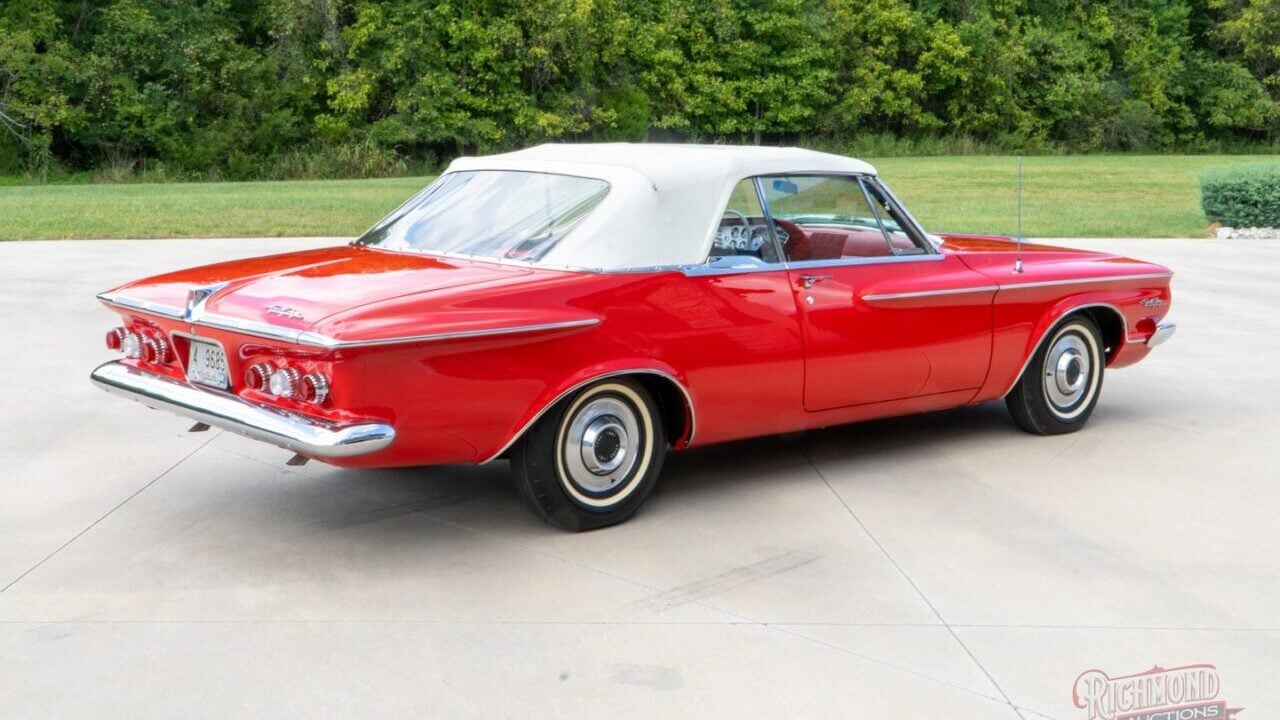
The Plymouth’s survival story is nearly as interesting as its specification sheet. Owner Joe Jordan told Lou Costabile that he discovered it in a Montana salvage yard in 1995, reduced largely to a body shell without its original drivetrain or interior.
Several unusual details suggested it wasn’t an ordinary Sport Fury. Max Wedge-specific modifications included relocated underhood components, rerouted brake lines, and removed hood bracing necessary to clear the enormous cross-ram induction setup.
Its identity was eventually confirmed through factory documentation. Jordan then spent years collecting correct components to return the car to its original configuration.
It Apparently Never Lost A Race
The Sport Fury’s history also includes period competition. Richmond Auctions says original owner Donald L. Long raced it at Deer Park Raceway near Spokane, Washington, during the summer of 1962, with period accounts maintaining that it went undefeated that season.
Its post-restoration résumé is impressive, too. The Plymouth has earned an AACA National First Prize Senior award and a 2016 AACA First Grand National award, among other recognition.
Now showing 28,971 miles, the Cherry Red Sport Fury will cross the block during Richmond Auctions’ Fall Spectacular at the Savoy Automobile Museum. It’s being offered at no reserve.
Thirteen built, two reportedly known to survive, and this one spent its early life drag racing. Finding another could prove substantially harder than winning the auction.