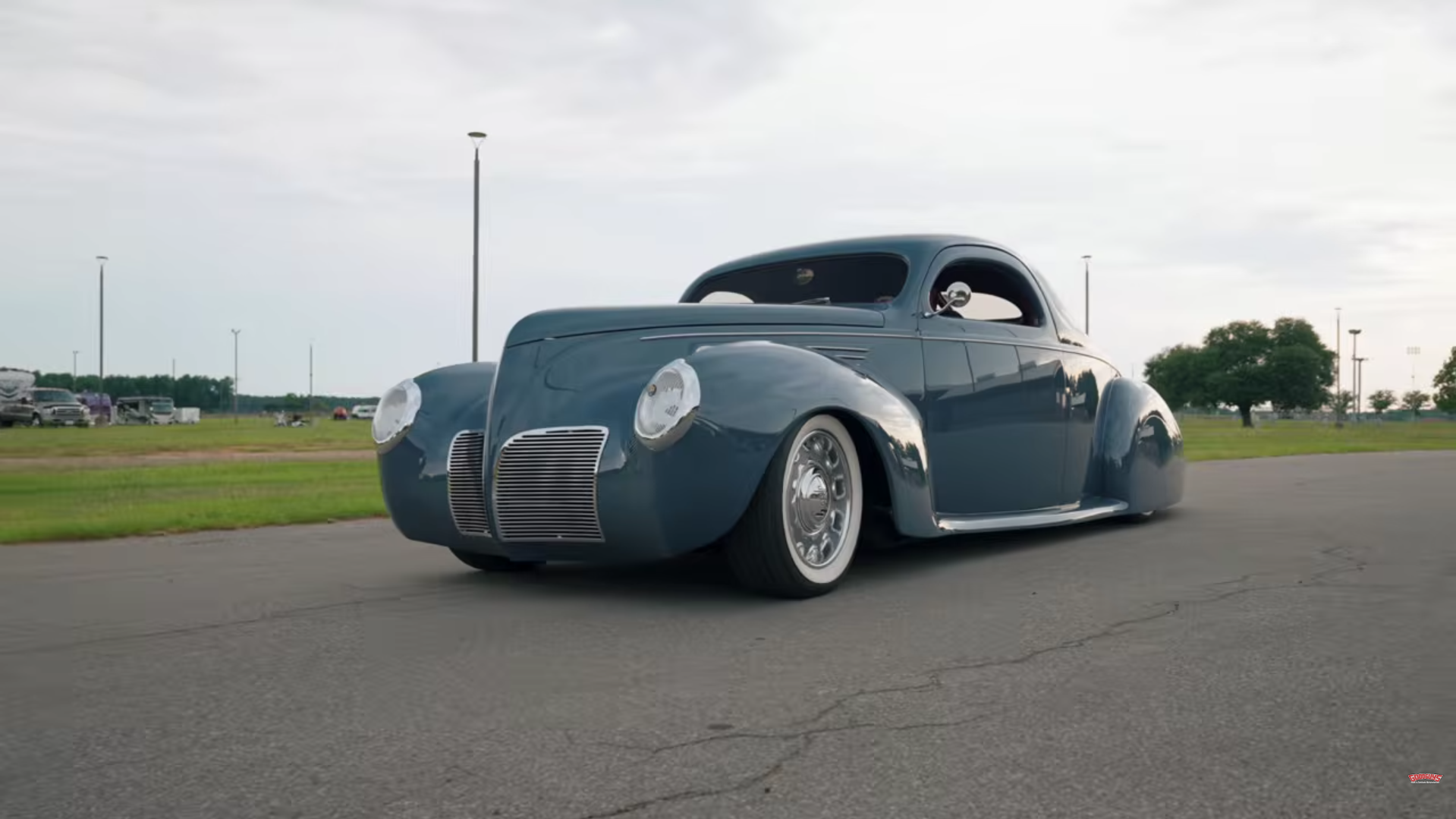
The Lincoln Zephyr is already one of the most elegant American designs of the prewar era, but this 1938 example has been thoroughly modernized without losing the flowing shape that makes the car so distinctive. Featured by Goodguys Rod & Custom, the Zephyr was built by Saltworks Fabrication for owner Pete Gulick, and hides contemporary Ford power, air suspension, and a heavily reworked interior beneath its classic body.
The Zephyr actually arrived at Saltworks as an already completed custom, finished decades earlier with a silver-and-orange color scheme. Rather than start from scratch, the shop focused on refining what was there, updating the mechanical package, redesigning key details, and giving the car a much more cohesive modern appearance.
Its body now wears Porsche Graphite Blue, a subtle shade that suits the Zephyr’s long, streamlined profile particularly well. The hood has been pancaked, the body has been chopped, and many exterior pieces have been redesigned or machined specifically for the car.
The biggest surprise sits under the hood. Instead of an old flathead V12 or period-style hot-rod engine, the Zephyr now runs a modern 5.0-liter Ford Coyote V8.
Modern Coyote Power Underneath the Vintage Body

The 5.0-liter Coyote is paired with a 6L80 automatic transmission, giving the Zephyr a drivetrain far removed from what Lincoln offered in 1938. Saltworks says the setup gives the car plenty of performance while making it much easier to drive than a traditional prewar custom.
Underneath, the Zephyr rides on a TCI chassis setup with full TCI air suspension. That allows the car to sit dramatically low when parked while still providing usable ride height on the road.
The air-ride controls are discreetly integrated into the cabin rather than dominating the interior. Window switches, ignition controls, and suspension functions are hidden within the center console, helping preserve the clean appearance.
Saltworks Machined Many of the Details In-House
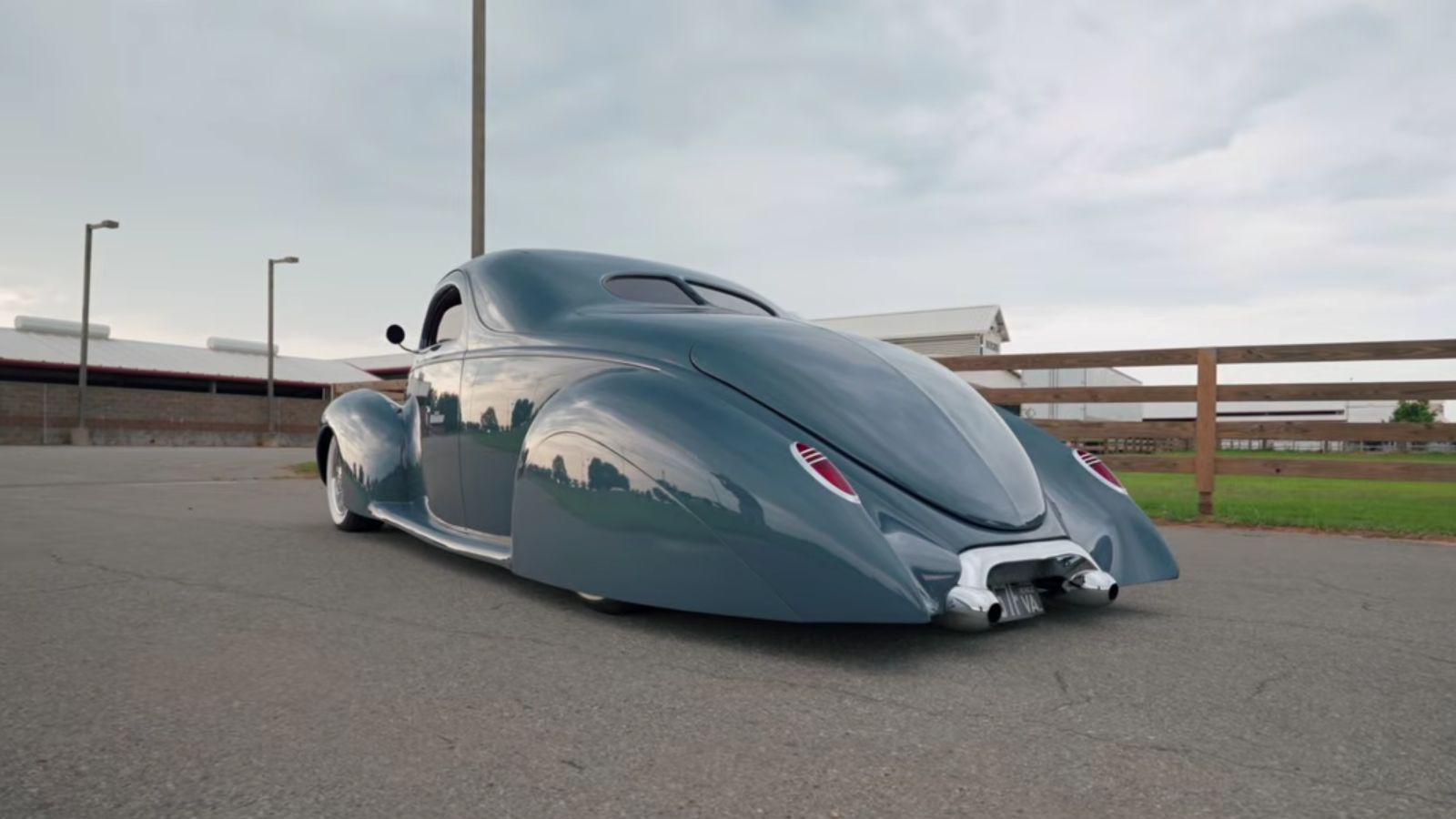
One of the most impressive aspects of the build is how many small parts were created specifically for the car. Saltworks designed and machined the headlights and taillights in-house, including their bezels, buckets, and acrylic lenses.
The lenses began as solid pieces of acrylic before being shaped on CNC machinery. The same approach was applied to other parts of the car, including the billet grille and a custom firewall panel.
Many of those metal components were then Cerakoted rather than simply polished or painted. The result is a level of detail that becomes more obvious the closer you look.
Even the rear exhaust treatment was redesigned. Rather than allowing the pipes to exit underneath the fenders in a more conventional fashion, the Zephyr uses a custom machined center section that integrates the exhaust into the rear bumper area.
The Interior Keeps Some Original Zephyr Character
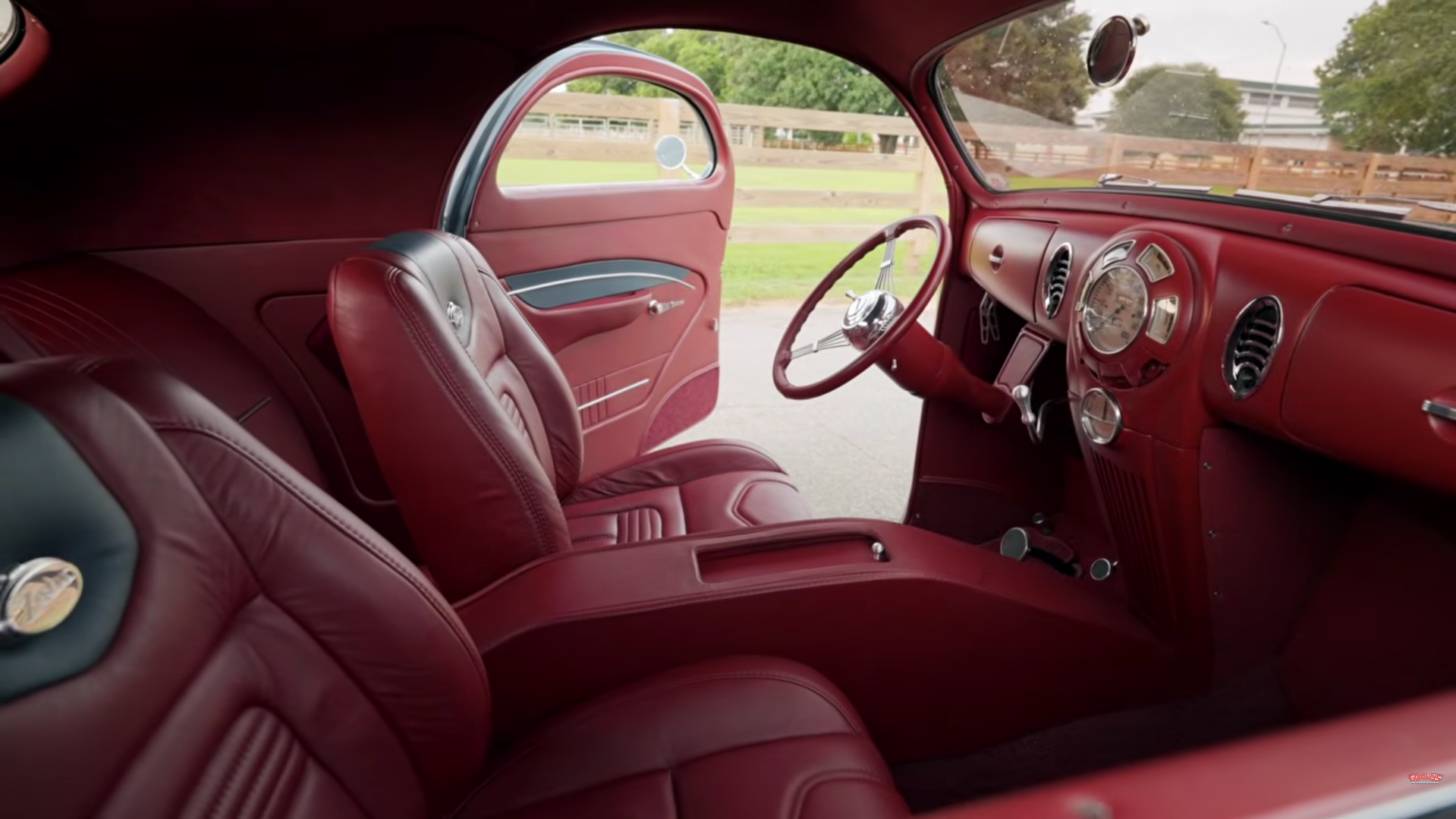
Inside, nearly everything has been refreshed or reworked, although the general dashboard architecture remains close to the original design. The cabin was finished by Hot Rod Interiors by Chuck and combines traditional shapes with modern technology.
One especially cool detail is the shifter. Early Zephyrs used a selector positioned behind the dashboard, and the custom build retains that unusual placement rather than replacing it with a conventional floor shifter.
That decision helps preserve some of the car’s period personality even though the drivetrain behind it is completely modern. The cabin also includes air conditioning, power seats, infotainment, and front and rear cameras.
Those cameras are particularly useful given the Zephyr’s thick pillars and limited rearward visibility. Modern electronics make the car easier to maneuver without forcing obvious screens and controls into every visible surface.
A Traditional Custom With Modern Hardware
The suicide doors remain, naturally, and the interior trim includes numerous machined pieces designed to match the level of finish outside. Even areas that look simple have received extensive custom fabrication.
At the rear, a flip-down license plate helps keep the bodywork clean when the car is aired out. That detail reinforces the overall theme: modern functionality is present, but it is carefully hidden wherever possible.
The Zephyr’s greatest strength is that it does not look like a modern car wearing an old body. From the outside, it still has the long nose, sweeping roofline, enclosed rear fenders, and dramatic proportions that made the original such a standout design.
Underneath, however, it is a very different machine. With Coyote V8 power, an automatic transmission, air suspension, modern climate control, cameras, and custom-machined hardware throughout, this 1938 Lincoln Zephyr combines vintage elegance with the kind of usability its original designers could never have imagined.