
Late-night scrolling is often part of what sleep researchers describe as bedtime procrastination, and in its more self-aware “I finally want time for myself” form, it is often called revenge bedtime procrastination. The pattern is simple: people delay sleep to reclaim personal time after a packed day, even when they know the next morning will feel worse. On a trip, that habit steals the hours you paid for, because the “extra” screen time usually comes straight out of the next day.
The good news is that experts do not treat this as a character flaw or a sign that you simply lack discipline. Clinical advice tends to point toward a mix of practical coping tools, nervous-system calming, and better evening routines. If your nights keep slipping away to your phone, there are better options than sacrificing the next morning and hoping coffee will negotiate a truce.
1. Name the Exact Part of the Habit That Is Hurting You

Revenge bedtime procrastination can sound broad and oddly dramatic, but the actual problem is usually specific. For some people, it is late-night scrolling because the day felt overcontrolled. For others, it is binge-watching, doomscrolling, or endlessly “just checking one more thing” because bedtime feels like the moment all obligations finally stop. Once you know the real trigger, the habit becomes easier to interrupt instead of feeling like one giant shapeless drain on your time.
That is why this first step matters so much. A person chasing personal time may need better boundaries during the day. A person who cannot wind down may need a calmer bedtime routine. A person who keeps telling themselves they will stop in five minutes may need more friction between themselves and the screen. One label can hide several different problems.
2. Fight the Habit With Actual Sleep Facts

An overtired brain is very good at saying, “This is my only free time,” while ignoring the bill that arrives in the morning. Health guidance is clear about the baseline your body wants. The CDC says adults need at least seven hours of sleep each day, and sleep medicine organizations say seven or more hours per night is a health necessity for adults. That does not mean every short night becomes a disaster, but repeated short sleep can quietly chip away at judgment, energy, and mood.
This matters even more on a trip. When you are underslept, you are more likely to move slowly, feel irritable, miss early windows, and make worse decisions. The result is that the next day becomes foggier and less enjoyable, which often makes you crave even more mindless “me time” at night. That is how a small habit starts feeding itself.
3. Practice Before the Trip Instead of Expecting Vacation To Fix It

A lot of people assume they will magically sleep better once they are on holiday. Sometimes that happens. Often it does not. Travel brings new beds, unfamiliar noise, different routines, and a brain that is still running on whatever habits it had at home. If bedtime procrastination already has a strong grip on your evenings, a hotel room does not automatically break the pattern.
That means the work starts before you leave. Try a few lower-friction nights at home first. Set a realistic bedtime, stop screens earlier than usual, and notice what actually makes you stay up. The point is not to become a sleep monk. It is to make the travel version of you slightly less likely to self-sabotage at 12:43 a.m. while watching videos you will not even remember.
4. Use One Simple Breathing Routine and One Grounding Routine

When you are overtired and overstimulated, your thoughts get noisy fast. That is where short, mechanical tools help. If you feel wired late at night, try one simple breathing pattern rather than scrolling until your brain falls over. Box breathing is a good example: inhale for four seconds, hold for four, exhale for four, hold for four, then repeat. It is basic, but basic is useful when your mind is acting like a room full of televisions.
Grounding is the other half of that pair. Cleveland Clinic highlights sensory-based grounding techniques such as 3-3-3, and other commonly used exercises like 5-4-3-2-1 can also help pull attention back into the present moment. The value is not that these tools feel glamorous. It is that they interrupt the spiral where your body is tired, your brain is noisy, and your hand keeps reaching for the phone as if the screen might somehow solve both problems.
5. Replace Willpower With a Simple “Last Call” Routine
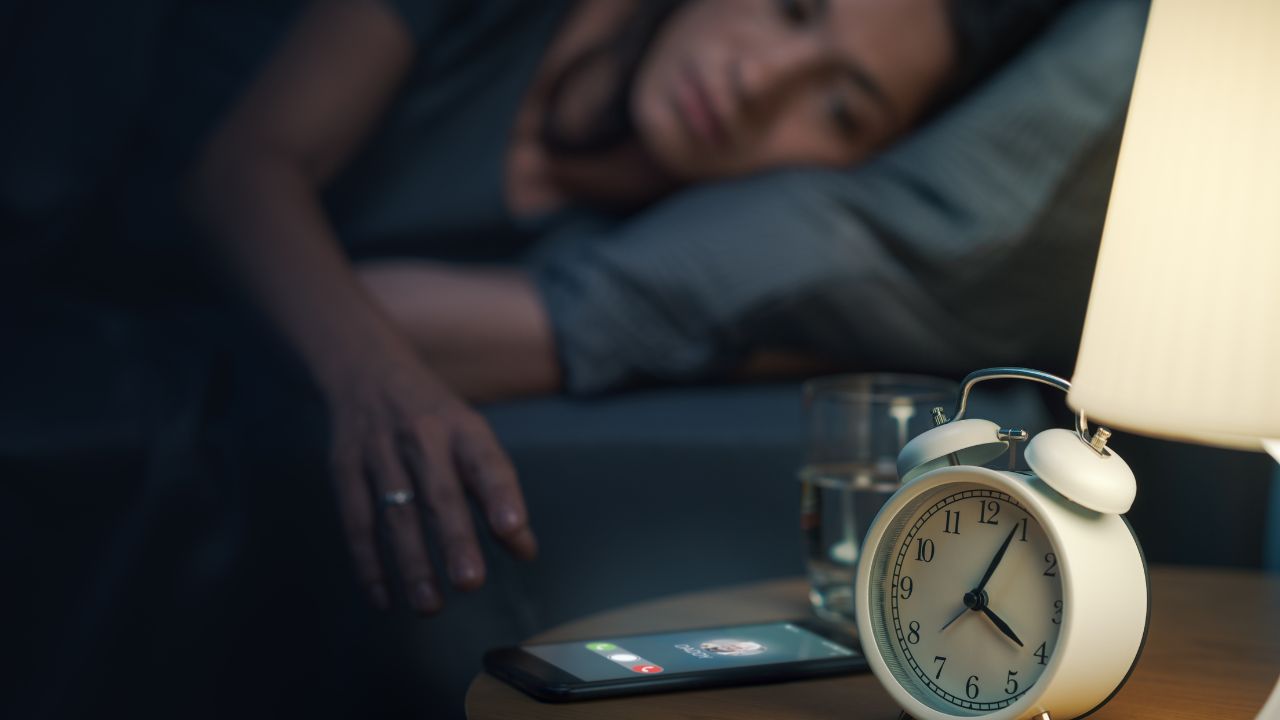
Willpower is unreliable when you are tired, overstimulated, and convinced you deserve just a little more leisure. A better strategy is to stop relying on heroic self-control and make the end of the night more automatic. Set a “last call” alarm 45 minutes before your target bedtime and treat it like a closing-time signal. Once it goes off, the phone goes on a charger across the room instead of staying beside your pillow like a tiny glowing accomplice.
Use that final stretch for low-effort recovery. Take a shower. Stretch for a few minutes. Fill your water bottle. Pack tomorrow’s bag. If you want entertainment, switch to something that does not light up your face, like quiet music or a podcast on low volume. The goal is a gentler landing, not an evening productivity contest.
6. Build Tomorrow’s Win Before Tonight Starts

Morning success is much easier when the next day has one small, specific anchor. Pick something you actually care about, like a sunrise viewpoint, an early museum slot, or a quiet breakfast walk before the crowds show up. When tomorrow morning has shape, tonight’s scrolling loses some of its power. You are no longer sacrificing an abstract future. You are giving up something you can picture.
Keep the rest of the day flexible so the plan does not feel like punishment. One meaningful early win plus some open space is often the best travel design anyway. When you wake up rested, you move faster, think more clearly, and enjoy more of what you came to see. That is how a short trip starts feeling bigger.
7. Reset Your Body Clock Instead of Fighting It

If your routine has drifted, act like you are resetting it rather than bargaining with it. Sleep Foundation’s guidance on resetting your sleep routine emphasizes consistency and cues that help your body recognize when it is time to sleep and wake. Get outside early for natural light, then aim for meals and bedtime at sensible local hours so your internal clock starts syncing with the place you are visiting. If you arrive late, prioritize sleep over “one more thing,” because exhaustion is a poor trade for a blurry memory.
Caffeine timing matters here too. Keep coffee earlier in the day and avoid late-day boosters that quietly push bedtime later than you intended. A short walk after dinner can help you feel pleasantly tired instead of strangely wired. Your body likes patterns, even when your itinerary does not.