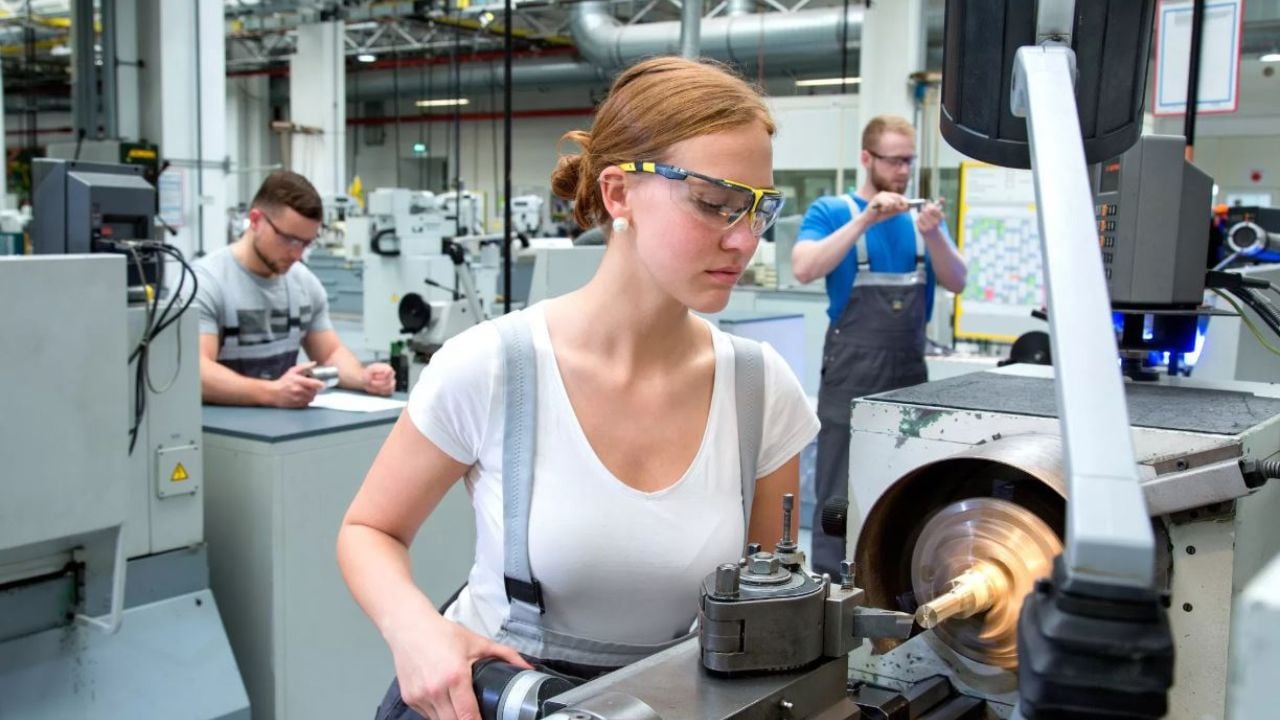
Rüsselsheim am Main has been Opel’s home since 1862, when Adam Opel founded the company there and began building sewing machines before the brand ever became a carmaker.
For much of the General Motors era, that site was more than a headquarters. It was one of the company’s major engineering centers in Europe, and German media now say the development workforce there once stood at roughly 7,000 people.
That world began to change in 2017, when GM sold Opel and Vauxhall to PSA. In 2021, PSA merged with Fiat Chrysler Automobiles to create Stellantis.
Since then, Opel has been pulled much deeper into a shared group structure. Now Stellantis is shrinking Rüsselsheim again, while presenting the site as a leaner and more focused tech center for the future.
From A Full Engineering Base To A Smaller Tech Center

Stellantis has confirmed that 650 engineering roles are being cut at the Rüsselsheim Tech Center. That would take the site from about 1,650 engineers today to around 1,000 once the restructuring is complete.
According to Stellantis, the remaining center will concentrate on vehicle development for Opel and Vauxhall while also handling selected technologies that can be used across the wider group. The company says negotiations with labor representatives are under way and expects the transformation to be completed by the end of 2027.
This is not the first big reset at Rüsselsheim. In 2018, Opel transferred part of its development center to Segula Technologies, a move tied to roughly 2,000 research jobs at the time, which already showed how much the old engineering structure was being dismantled under the new ownership model.
The New grEEn Campus
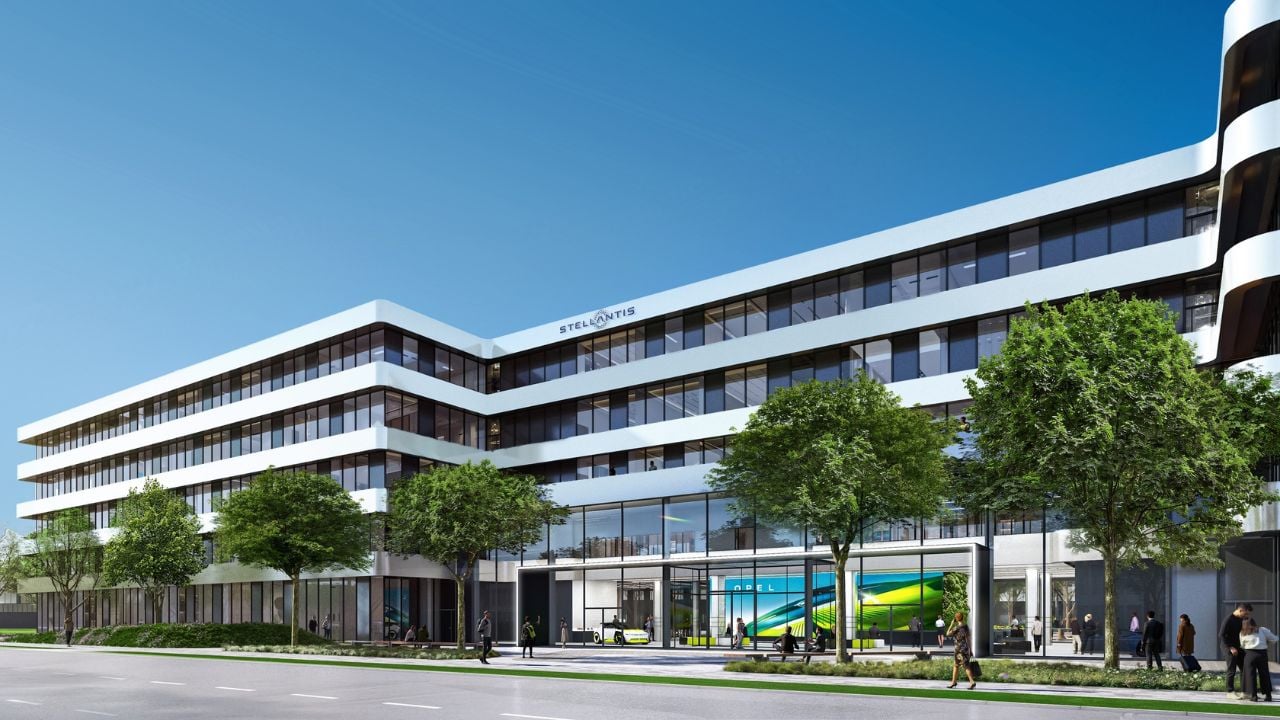
At the same time, Stellantis is building a new headquarters complex in Rüsselsheim called the grEEn campus. The official groundbreaking ceremony took place in September 2025, and the company describes it as the future global Opel headquarters as well as the headquarters for Stellantis Germany.
The project covers about 100,000 square meters and includes an office building, a research and development building with a design center, and major parking facilities. Stellantis and development partner VGP say the goal is to create a modern campus for work, research, and innovation on the historic Opel site.
The message is clear. Rüsselsheim is not being abandoned, but it is being remade into a smaller, greener, and more flexible operation built around hybrid work, renewable energy, and a tighter mission than the one Opel once had under GM.
What Opel Still Keeps In Germany
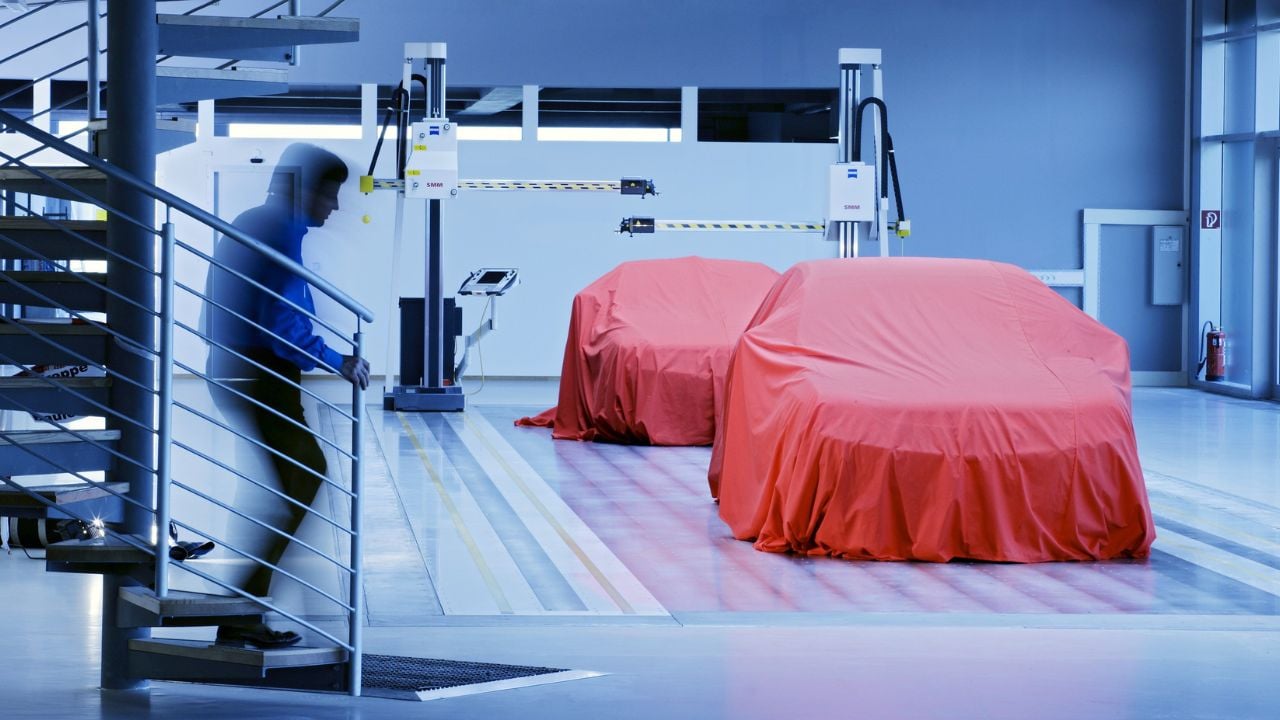
Stellantis insists the cuts do not mean the end of Rüsselsheim’s technical importance. Company statements say the site will stay anchored in the group’s global development network and remain a key German tech center.
The work that stays there is telling. Stellantis says the future focus will include advanced driver assistance systems, virtual development, artificial intelligence-driven efficiency tools, digital lighting, battery development and battery safety, plus software modules for the STLA Brain architecture.
That means Opel will still have engineers in Rüsselsheim, but their role is changing. Instead of supporting a broad, mostly self-contained engineering culture, the center is being narrowed into a specialist hub that serves Opel, Vauxhall, and the larger Stellantis organization at the same time.
Why Leapmotor Matters To Opel’s Future
The other big clue about Opel’s direction came this month from Reuters. The news agency reported that Stellantis is in advanced talks with China’s Leapmotor to jointly develop an Opel-branded electric SUV for Europe, with production expected in Spain and major parts of the technical package coming from Leapmotor.
That partnership sits on top of a relationship Stellantis began in 2023, when it bought around a fifth of Leapmotor and formed Leapmotor International to handle sales and production outside Greater China. Reuters says the proposed Opel project would be one of the clearest signs yet that Stellantis is willing to lean on Chinese EV technology to cut cost and speed up development.
Taken together, the job cuts and the Leapmotor talks show what Opel is becoming inside Stellantis. Rüsselsheim will still matter for design, adaptation, and selected technologies, but the era when Opel operated like a largely independent German engineering school is fading fast. What remains is a brand with a historic home, a new campus, and a much narrower role inside a far more centralized global machine.
This article originally appeared on Autorepublika.com and has been republished with permission by Guessing Headlights. AI-assisted translation was used, followed by human editing and review.