
There’s nothing quite like the thrill of driving home in a brand-new sports car, but that excitement can fade faster than you’d expect. While these machines promise adrenaline-pumping performance and head-turning style, some fall short of expectations once the honeymoon period ends.
Whether it’s reliability issues that send you to the shop more than the open road, maintenance costs that rival a mortgage payment, or performance that doesn’t match the brochure’s bold claims, certain sports cars have a knack for turning dreams into regrets.
Here are 12 sports cars that have left some of their owners reconsidering their choices after just a year of ownership. (We’ve all been to Reddit and seen the enthusiasts who will love these cars no matter what, and I’ve been there myself, but we’ve also seen the complaints and frustrations from those who expected a bit more.)
Alfa Romeo 4C

The featherweight Italian seemed like a purist’s dream with its carbon fiber tub and roughly 2,400-2,500 pound curb weight, but the reality proved harsh for daily driving. The cramped cabin, punishing ride quality, and quirky dual-clutch transmission, which many owners describe as jerky at low speeds, made even short trips exhausting.
Owners also discovered that the minimalist approach meant minimal comfort features, no power steering at parking lot speeds, and a surprisingly steep maintenance schedule that quickly added up.
BMW i8
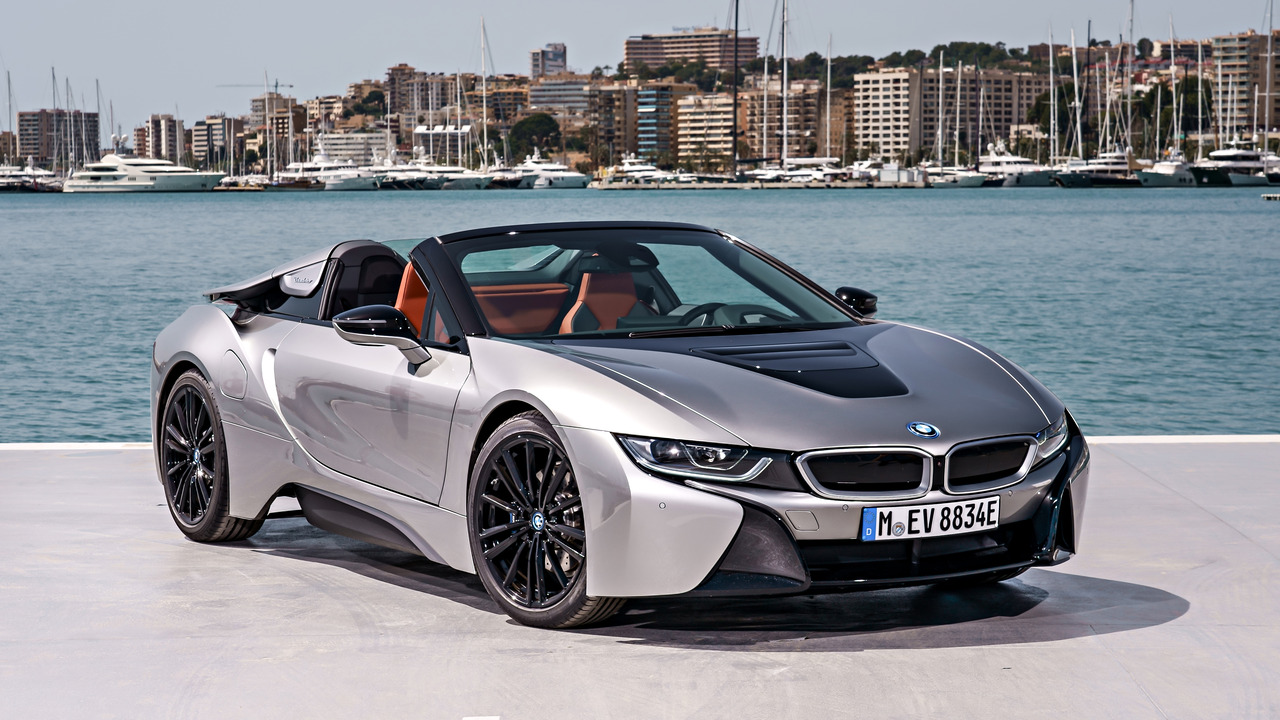
This futuristic hybrid sports car turned heads with its scissor doors and concept car looks, but the driving experience never lived up to the visual drama. The turbocharged three-cylinder engine and electric motor combined for just 369 horsepower, which felt underwhelming given the $140,000-plus price tag and sports car positioning.
Many owners found themselves disappointed by the limited electric range (EPA-rated at about 15 miles on early models; real-world results vary), the intrusive engine noise when the gas motor kicked in, and a firm ride that didn’t deliver the handling precision they expected from a BMW sports car.
Jaguar F-Type V6

The base V6 F-Type looked stunning and sounded decent, but it suffered from an identity crisis that left owners wanting more. With 340 horsepower in early base V6 models, it felt underpowered compared to rivals, yet it still carried the maintenance costs and reliability concerns of a British sports car.
The infotainment system aged poorly, electrical gremlins appeared with frustrating regularity, and the firm suspension setup made it uncomfortable for anything beyond weekend jaunts.
Nissan 370Z (Late Models)
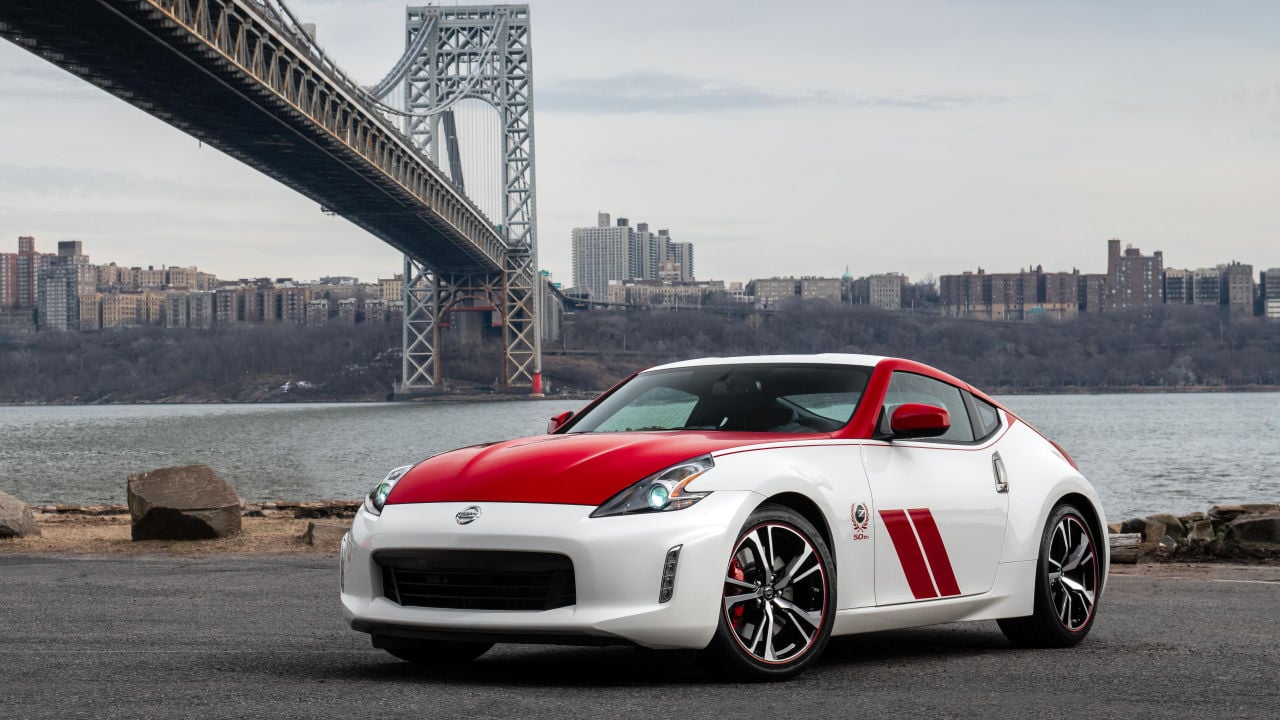
By its final model year (2020), the 370Z had become a relic of another era, and buyers quickly realized why. The interior felt dated the moment you sat down, with materials and tech that would’ve been acceptable in 2009 but were embarrassing a decade later.
While the 332-horsepower V6 still delivered decent performance, the heavy clutch, poor visibility, and lack of modern safety features made it feel like you were driving a time capsule rather than a competitive sports car.
Lotus Evora
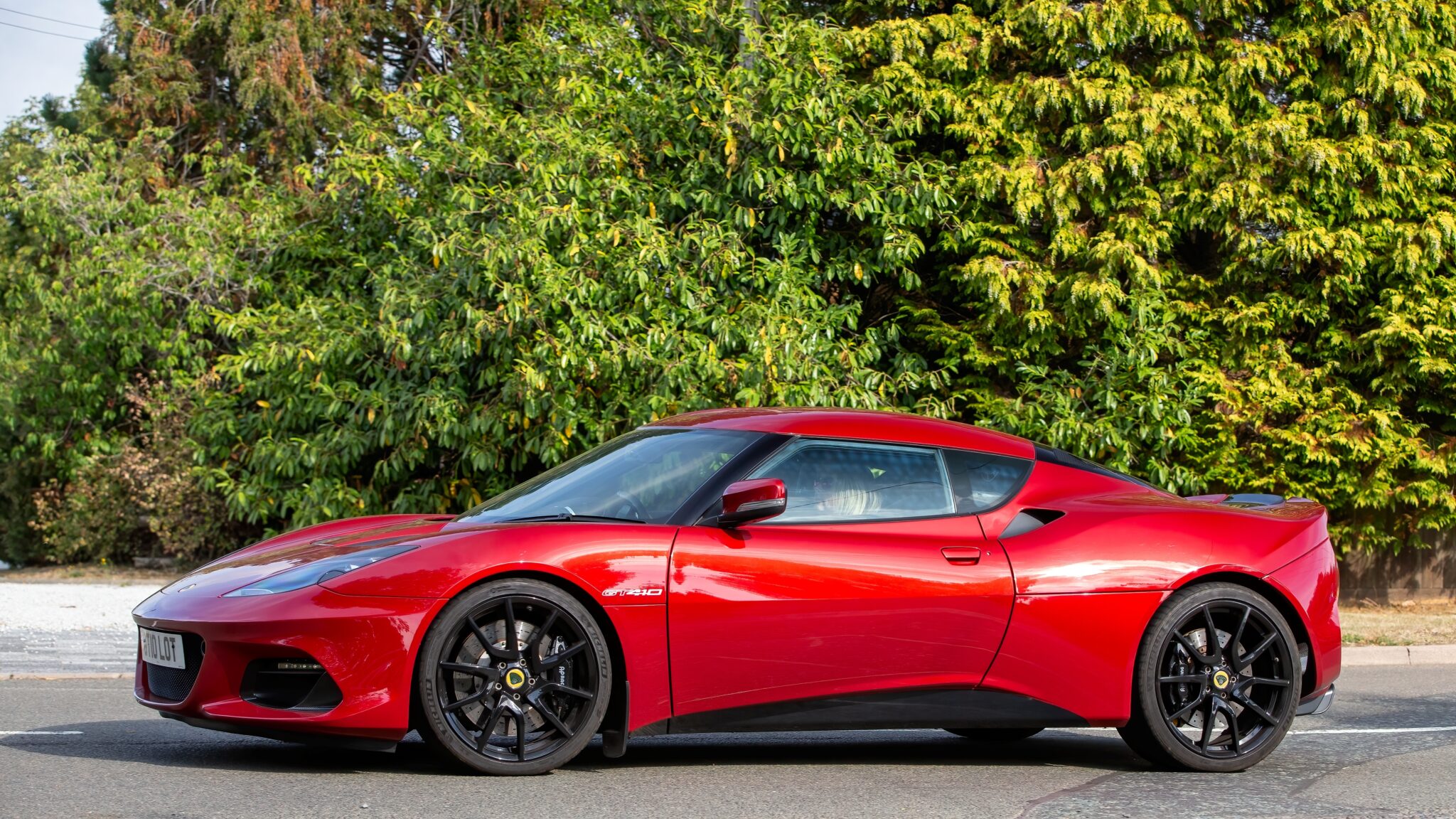
This mid-engine British beauty promised supercar thrills at a more accessible price point, but ownership revealed why Lotus has such a complicated reputation. The Toyota-sourced V6 was reliable enough, but everything around it wasn’t, with owners reporting electrical issues, interior pieces that broke or fell off, and a dealer network so sparse that routine service became an adventure.
The tight cabin and difficult entry and exit also wore thin quickly, especially for taller drivers who felt like they were folding themselves into a racing seat every time.
Porsche Boxster/Cayman (Base Models)

The entry-level versions of Porsche’s mid-engine sports cars are brilliant handlers, but some owners felt shortchanged by the deliberate decontenting strategy. With base models ranging from roughly 275 hp (earlier 981-era cars) to about 300 hp (718-era cars) depending on year and engine and lacking features that came standard on cheaper competitors, the value proposition started to feel questionable once the new car excitement wore off.
The options list could easily add $20,000 to $30,000 to get features most buyers expected as standard, and the firm suspension setup that worked beautifully on smooth roads became punishing on typical American pavement.
Mercedes-AMG GT

The AMG GT appeared to be a proper supercar rival, packing serious power, but the reality of living with one proved challenging for many owners. The wide body and poor visibility made it stressful to drive in tight spaces or urban environments, while the firm ride quality meant every pothole resonated through the cabin.
Interior quality fell short of what buyers expected at a six-figure price point, and the infotainment system and interior ergonomics felt less refined than those of a standard C-Class, despite the substantial price difference.
Chevrolet Corvette C7 (Base Model)

The C7 Corvette delivered genuine performance at an accessible price, but the base model’s interior quality reminded owners daily that they’d bought a Chevy, not a premium sports car. Hard plastics dominated the cabin, the infotainment system lagged behind rivals, and squeaks and rattles developed surprisingly quickly for a car with such a stiff structure.
Magnetic Ride Control, available on certain configurations and packages (notably performance-oriented setups in early years), was widely considered a must-have for ride/handling balance, because without it, the ride quality made longer trips uncomfortable enough that owners found themselves reaching for their daily driver keys instead.
Audi TT (Later Generations)

The TT evolved from a quirky design icon into a refined but somewhat sterile experience that left driving enthusiasts cold. While build quality was typically excellent, the driving dynamics felt too isolated and numb, with steering that provided little feedback and a chassis that prioritized comfort over engagement.
Many buyers realized, after a year, that they’d essentially purchased a very pretty VW Group MQB-platform car (shared architecture with models like the Golf/A3) with less practicality, and the premium pricing suddenly seemed hard to justify when the driving experience failed to deliver the emotional connection they’d hoped for.
Subaru BRZ/Toyota 86 (First Generation)

These lightweight twins nailed the handling formula but left owners desperately wishing for more power from the ~200-horsepower flat-four (often listed closer to ~197 hp depending on rating and market). The famous “torque dip” in the mid-range made overtaking maneuvers frustrating, and while the chassis could handle much more power, you were limited to what you had unless you were willing to void the warranty with modifications.
The Spartan interior, firm ride, and notable road noise also made these cars feel like a compromise too far for anyone who needed their sports car to serve as a daily driver occasionally.
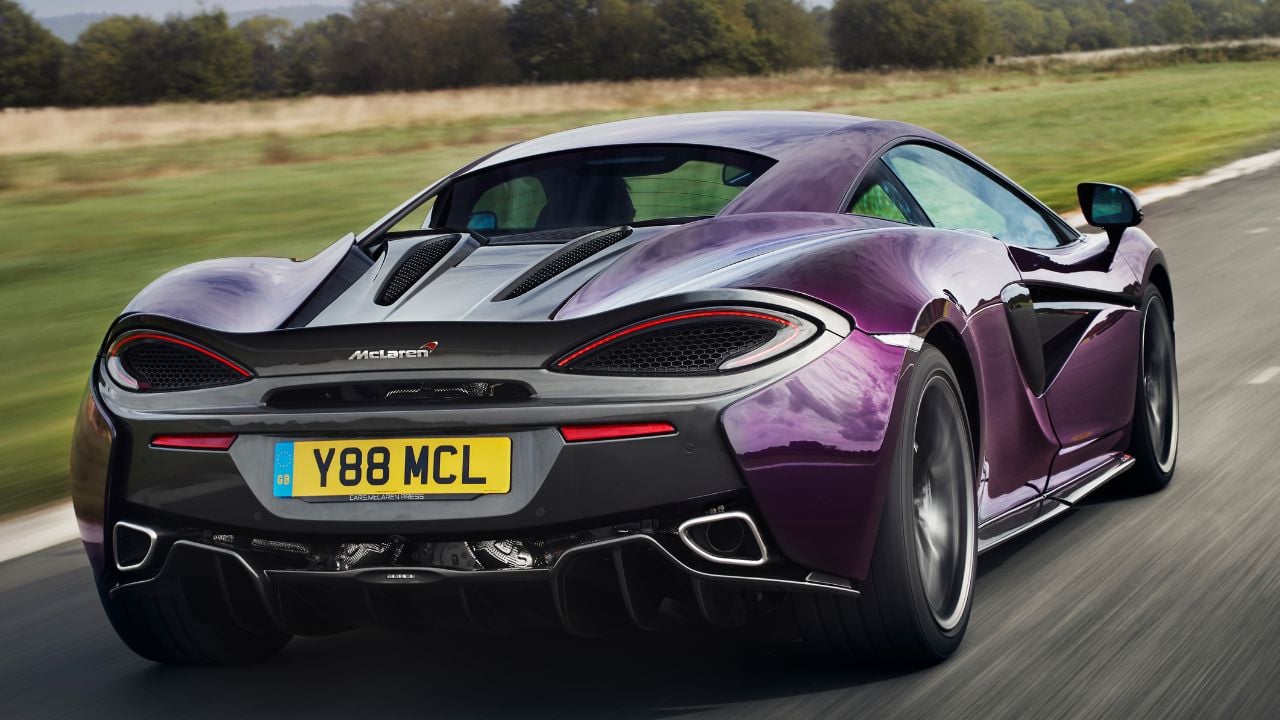
McLaren 570S

McLaren’s “entry-level” supercar delivered exotic performance and looks, but the ownership experience proved nightmarish for many buyers. Depreciation hit like a falling anvil, with some owners reporting very steep early depreciation (market-dependent), sometimes $50,000 or more within the first year, while reliability issues ranged from minor electrical glitches to major component failures.
The sparse dealer network meant long waits for service, and even routine maintenance carried eye-watering costs that made Porsche pricing look reasonable by comparison.
Maserati GranTurismo (Later Years)

The Italian grand tourer’s gorgeous styling and Ferrari-derived V8 soundtrack couldn’t mask the fact that it had aged poorly by the end of its run. The ancient infotainment system looked like it belonged in a 2008 car (because it essentially did), reliability proved inconsistent, and depending on trim and year, GranTurismos used either a single-clutch automated manual or a conventional automatic that dulled the driving experience.
Owners also discovered that maintenance costs rivaled those of exotic cars, despite the performance not matching, and the dated interior materials showed wear faster than expected at this price point.
The Reality Check
Buying a sports car is as much an emotional decision as a practical one, but that doesn’t mean you should ignore the realities of ownership. These machines teach us that good looks, a powerful engine, and an enticing price tag don’t automatically translate into a satisfying ownership experience. Whether you’re shopping for your first sports car or your fifth, it’s worth spending time with owner forums, extended test drives in various conditions, and honest conversations about maintenance costs before signing on the dotted line.
The right sports car should still put a smile on your face after a year of ownership, not make you wonder what you were thinking. Sometimes the underrated cars are where it’s at.