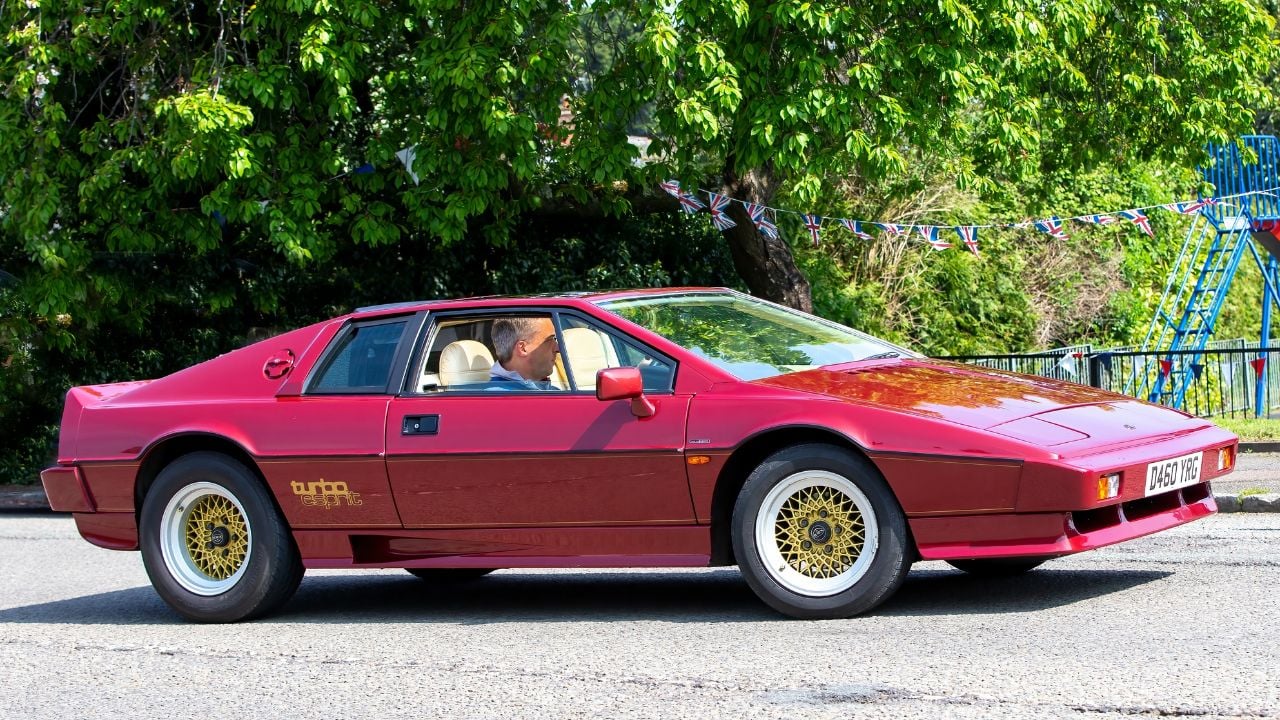
The 1980s gave us some of the most iconic sports cars ever to hit the pavement, and here’s the thing: many of them have aged like fine wine. While the decade might be remembered for questionable fashion choices and big hair, the automotive industry was cooking up something special.
These weren’t just fast cars; they were statements on wheels that combined raw performance with designs that still turn heads today. Whether you’re a seasoned gearhead or someone who simply appreciates a good-looking machine, these twelve sports cars prove that cool never goes out of style.
From Japanese legends that rewrote the rulebook to European exotics that defined an era, the ’80s delivered machines that collectors and enthusiasts still dream about. Let’s take a drive through memory lane and see which rides from the Reagan era still have what it takes to get our hearts racing.
Porsche 911 Turbo (930)
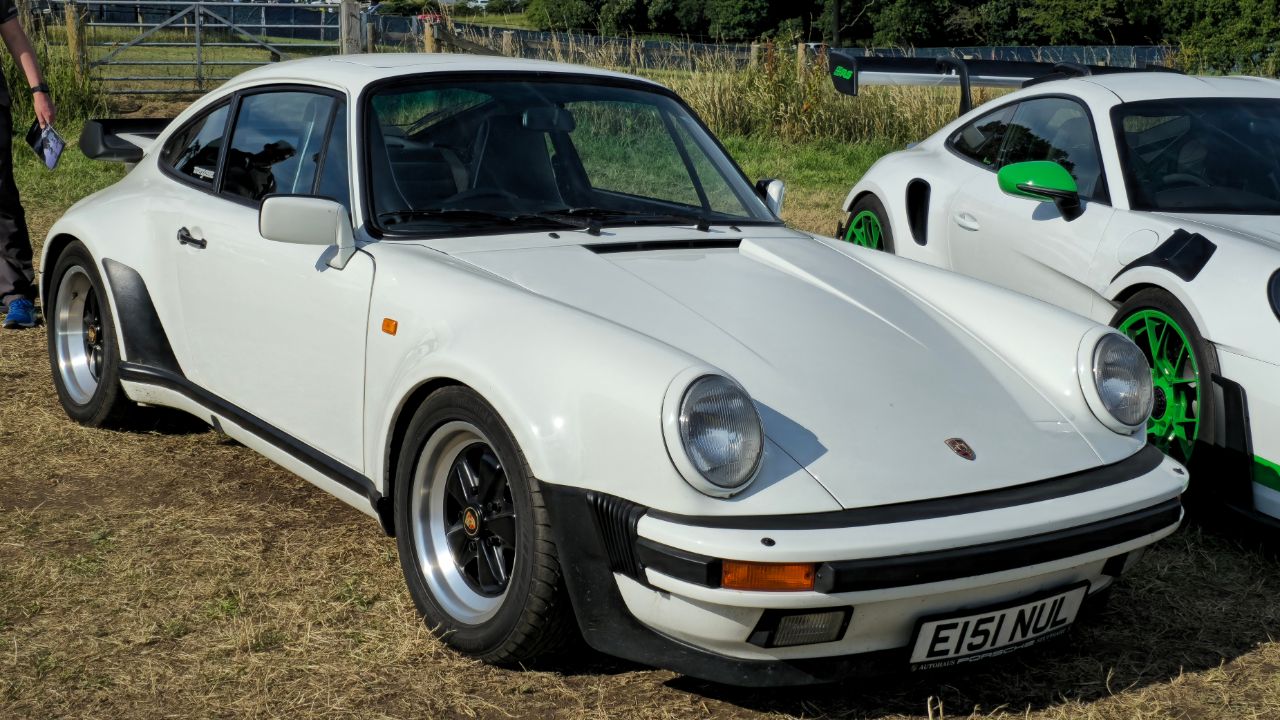
The 930-generation 911 Turbo earned its reputation as the “widowmaker,” and honestly, that nickname tells you everything you need to know about why it’s still revered.
With its distinctive whale-tail spoiler and flared fenders, this Porsche looked like it meant business — and it absolutely did. The turbocharged flat-six engine delivered power in a way that demanded respect, with that famous turbo lag followed by a surge that could catch even experienced drivers off guard. Today, the 930 represents peak analog driving experience, free from the electronic nannies that modern cars rely on.
Clean examples have become investment-grade collectibles, and driving one is like holding a conversation with automotive history itself.
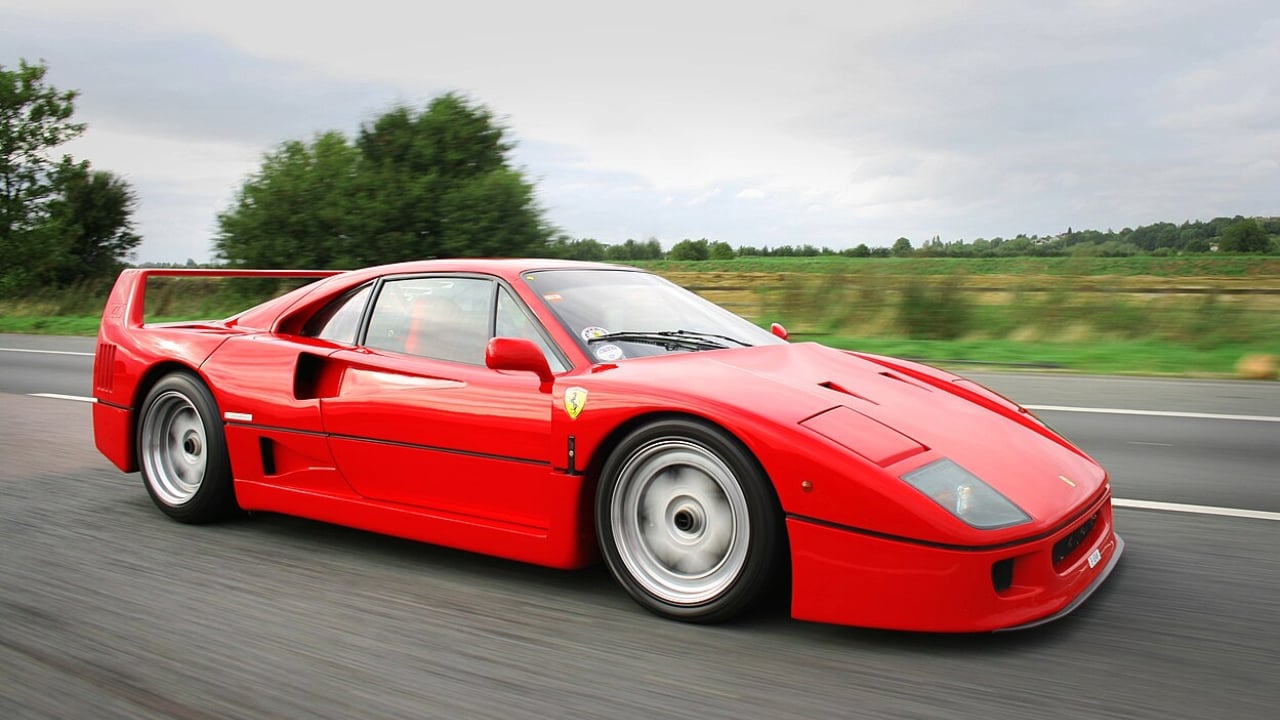
Ferrari F40

Ferrari built the F40 as the ultimate sendoff to Enzo Ferrari’s vision, and they didn’t hold back one bit.
This wasn’t some refined grand tourer wrapped in luxury: it was a barely civilized racing car with license plates, featuring exposed carbon fiber, plastic windows, and a twin-turbo V8 that howled like nothing else on earth. The angular, aggressive styling still looks purposeful and mean decades later, helped by those iconic pop-up headlights and massive rear wing.
When it launched in 1987, Ferrari claimed a top speed of about 201 mph, and independent testing commonly landed just under 200 mph, making the F40 one of the quickest production cars of its era rather than an undisputed record holder. The F40 remains the poster car for an entire generation of enthusiasts, and its value reflects that legendary status.
Chevrolet Corvette C4

General Motors’ fourth-generation Corvette represented America’s answer to European sports car dominance, bringing modern tech and sharp handling to the table.
The C4’s wedge-shaped design was pure ’80s futurism, complete with a digital dashboard that looked like something from a fighter jet. While early models had their quirks, the introduction of the ZR-1 in 1990 (still technically an ’80s design) showed what American engineering could really do. The C4 delivered legitimate performance that could embarrass more expensive imports, all while maintaining that distinctive Corvette swagger.
These days, clean C4s represent incredible value for anyone wanting a genuine sports car experience without breaking the bank.
Mazda RX-7 (FC)
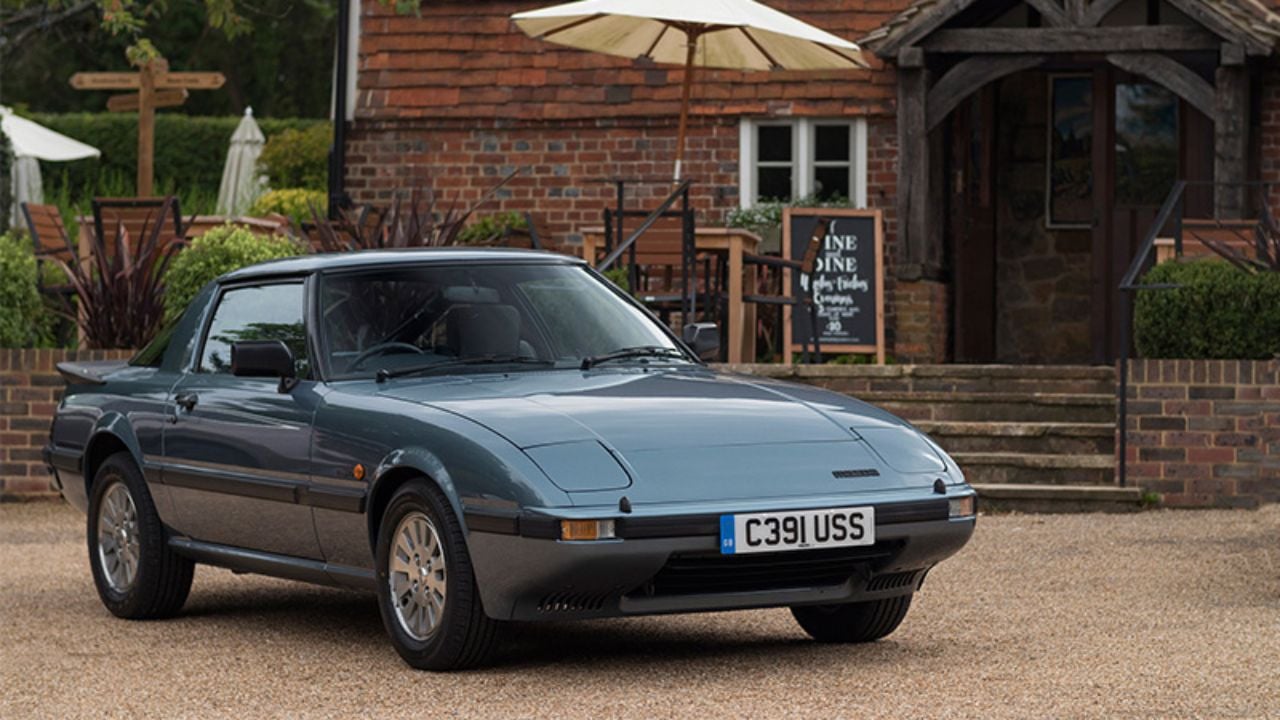
Mazda’s second-generation RX-7 took everything people loved about the original and wrapped it in a sleeker, more sophisticated package.
The rotary engine’s buttery-smooth power delivery gave this car a character all its own, spinning to high RPMs with a unique sound that set it apart from every piston-powered competitor. Handling was where the FC really shined, perfect weight distribution and well-tuned suspension made it dance through corners like few cars could. Pop-up headlights and clean, flowing lines gave it a timeless aesthetic that still looks fresh today.
The RX-7 proved that Japanese sports cars weren’t just about straight-line speed; they could deliver a complete driver’s package.
Porsche 944 Turbo
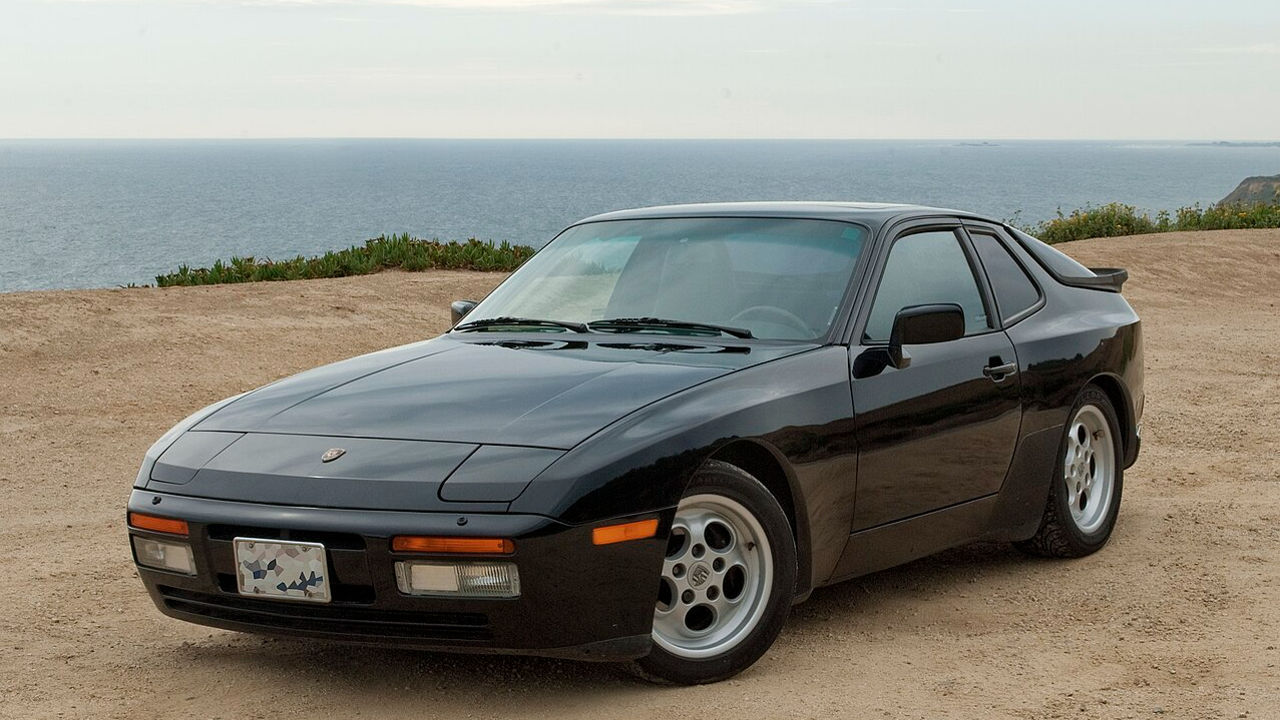
Porsche’s front-engine experiment resulted in one of the most balanced sports cars of the decade, offering performance that could humble its 911 sibling in the right conditions.
The 944 Turbo combined a turbocharged four-cylinder engine with near-perfect 50/50 weight distribution, creating a package that felt planted and responsive in every situation. Those wide fender flares weren’t just for show, they covered meaty tires that gave the car serious grip. Unlike the twitchy 911 Turbo, the 944 Turbo was approachable enough for daily driving while still delivering thrills when you wanted them.
Modern enthusiasts have discovered what ’80s buyers knew: this was a thinking person’s sports car.
Toyota MR2 (AW11)

Toyota’s first mid-engine production car punched way above its weight class, bringing exotic car handling dynamics to the masses at a price that didn’t require a second mortgage.
The original AW11 MR2 was small, lightweight, and nimble, basically a go-kart with a roof and reasonable creature comforts. Sharp, angular styling with pop-up headlights gave it an aggressive look that belied its practical Toyota reliability. Having the engine behind the driver created phenomenal balance and steering feel that made every drive engaging, whether you were commuting or carving canyons.
The fact that you can still find well-maintained examples at reasonable prices makes it one of the best entry points into classic sports car ownership.
BMW M3 (E30)

BMW’s decision to build a race-homologation special for the street gave us what many consider the greatest M car ever created, and it’s hard to argue with that assessment.
The E30 M3 combined a high-revving four-cylinder engine with motorsport-derived suspension and subtle but purposeful aerodynamics that screamed “business time.” Those box flares and aggressive front air dam weren’t styling exercises, they were functional elements that made this car a touring car champion. The driving experience was all about precision and feedback, with steering that communicated every detail of the road surface and a chassis that rewarded skilled inputs.
Values have climbed into the stratosphere, but anyone who’s driven one understands exactly why.
Lotus Esprit Turbo
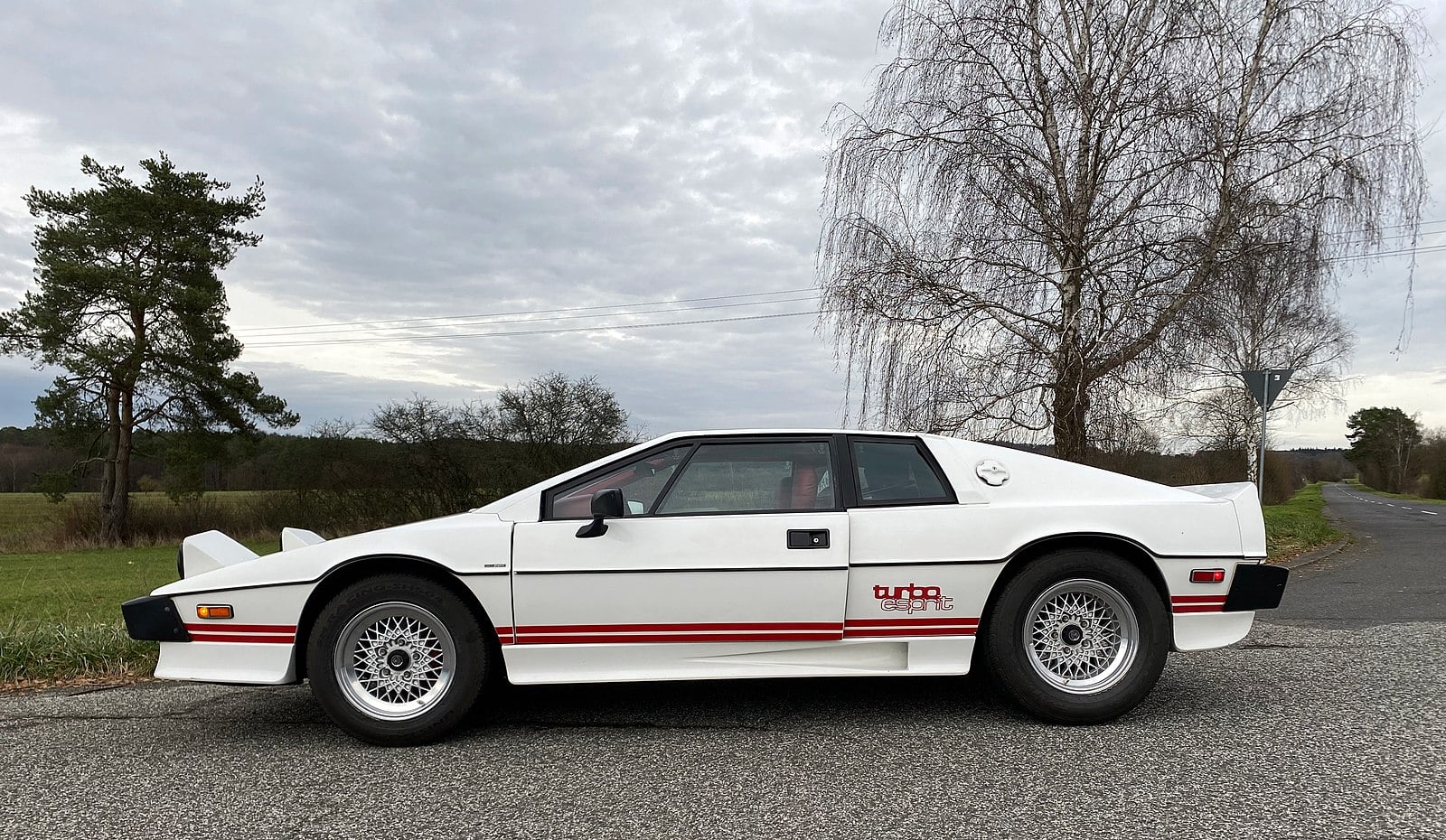
James Bond’s most famous Lotus moment was the Esprit S1 that turned into a submarine in The Spy Who Loved Me, and the later Esprit Turbo carried the name into the 1980s as a genuinely exotic wedge.
Giugiaro’s wedge-shaped design looked like it was doing 100 mph standing still, and the turbocharged four-cylinder engine provided performance that backed up those futuristic looks. Lotus built this car the way they built everything, light, focused, and engineered for maximum driving enjoyment rather than maximum comfort. The Esprit required commitment from its driver and gave back thrills in equal measure, with handling that made faster cars look clumsy.
Today’s examples carry a certain cachet that comes from being genuinely exotic and refreshingly different.
Nissan 300ZX (Z31)

Nissan’s Z31-generation 300ZX brought Japanese luxury and technology to the sports car segment, creating a GT car that could cruise comfortably or attack back roads with equal competence.
The turbocharged version especially delivered serious performance, with sophisticated electronics and a comfortable interior that made it a genuine long-distance companion. Those T-tops and digital dashboard spoke to ’80s excess in the best way possible, while the wedge-shaped body hit all the right period-correct notes.
The 300ZX proved that sports cars didn’t have to be uncomfortable or impractical to be exciting and engaging. Modern classic car fans appreciate how these cars straddle the line between vintage appeal and relative usability.
Mercedes-Benz 190E 2.3-16
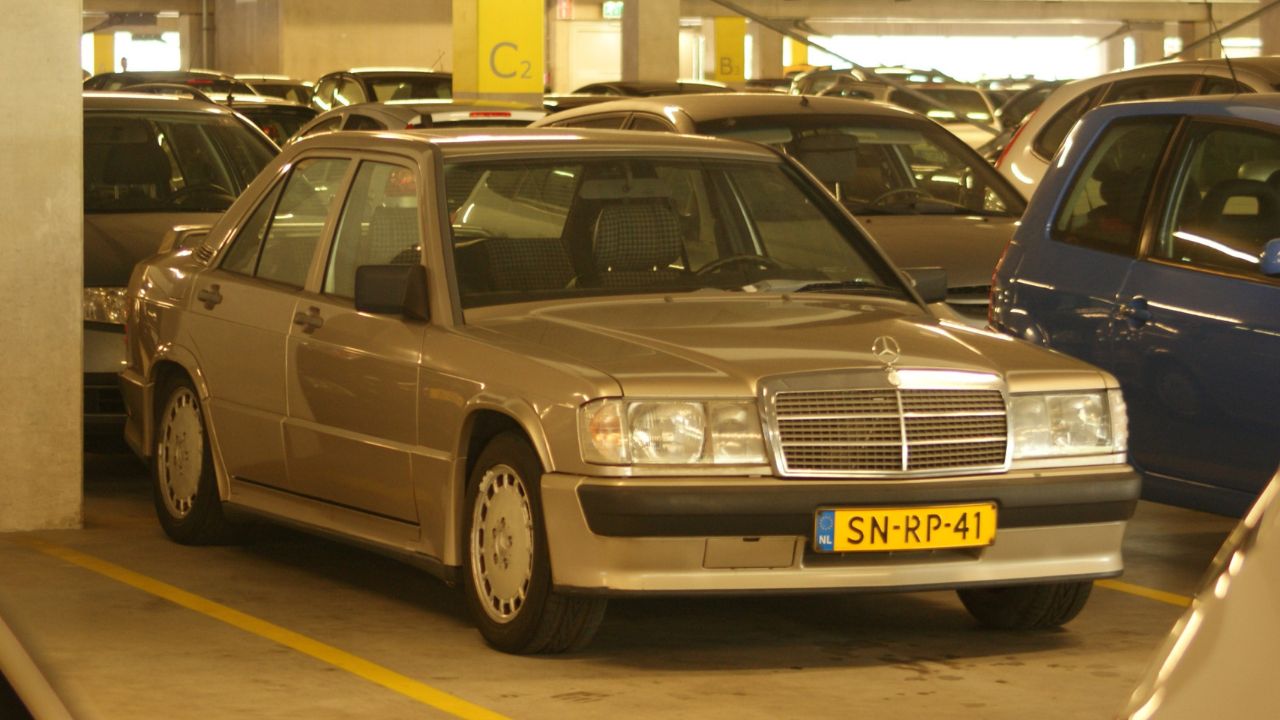
Mercedes built the 190E 2.3-16 to go racing, and the street version brought serious performance wrapped in understated German elegance.
The Cosworth-developed engine revved freely and made wonderful noises, while the suspension upgrades transformed the compact Mercedes into a proper driver’s car. That subtle body kit and those period-correct wheels gave the car just enough visual aggression without being shouty about it. The dog-leg five-speed manual gearbox required a bit of learning but rewarded drivers who mastered it with incredibly satisfying shifts.
These days, clean examples are highly sought after by people who appreciate engineering excellence and motorsport heritage.
Pontiac Fiero GT

Detroit’s mid-engine experiment might have had a rocky start, but the later Fiero GT models delivered genuine sports car fun at bargain prices.
Pontiac’s decision to place the engine behind the driver created handling characteristics that were genuinely entertaining, especially after they upgraded the suspension in later years. The angular, wedge-shaped styling with pop-up headlights hit every ’80s design trend right on the nose, and the plastic body panels resisted rust, but the underlying steel space frame can still corrode.
Sure, it wasn’t as refined as European competition, but it offered mid-engine thrills to regular folks who couldn’t afford a Ferrari. The Fiero has developed a cult following among enthusiasts who appreciate its unique place in American automotive history.
Conclusion
The 1980s sports car scene delivered machines that transcended their era through a combination of bold design, engaging driving dynamics, and genuine character that modern cars sometimes struggle to match. These twelve cars represent different approaches to the same goal: creating something that makes driving special, whether through raw performance, precise handling, or simply looking fantastic while doing it.
What makes them still cool today isn’t just nostalgia, though that certainly plays a part; it’s the fact that driving them remains a visceral, engaging experience that connects you to the machine in ways that heavily computerized modern sports cars often can’t replicate. The values on many of these cars have climbed significantly, reflecting growing appreciation for analog driving experiences and period-correct styling.
Whether you’re in the market for a weekend toy or simply enjoy appreciating automotive excellence, these ’80s sports cars prove that true cool is timeless.