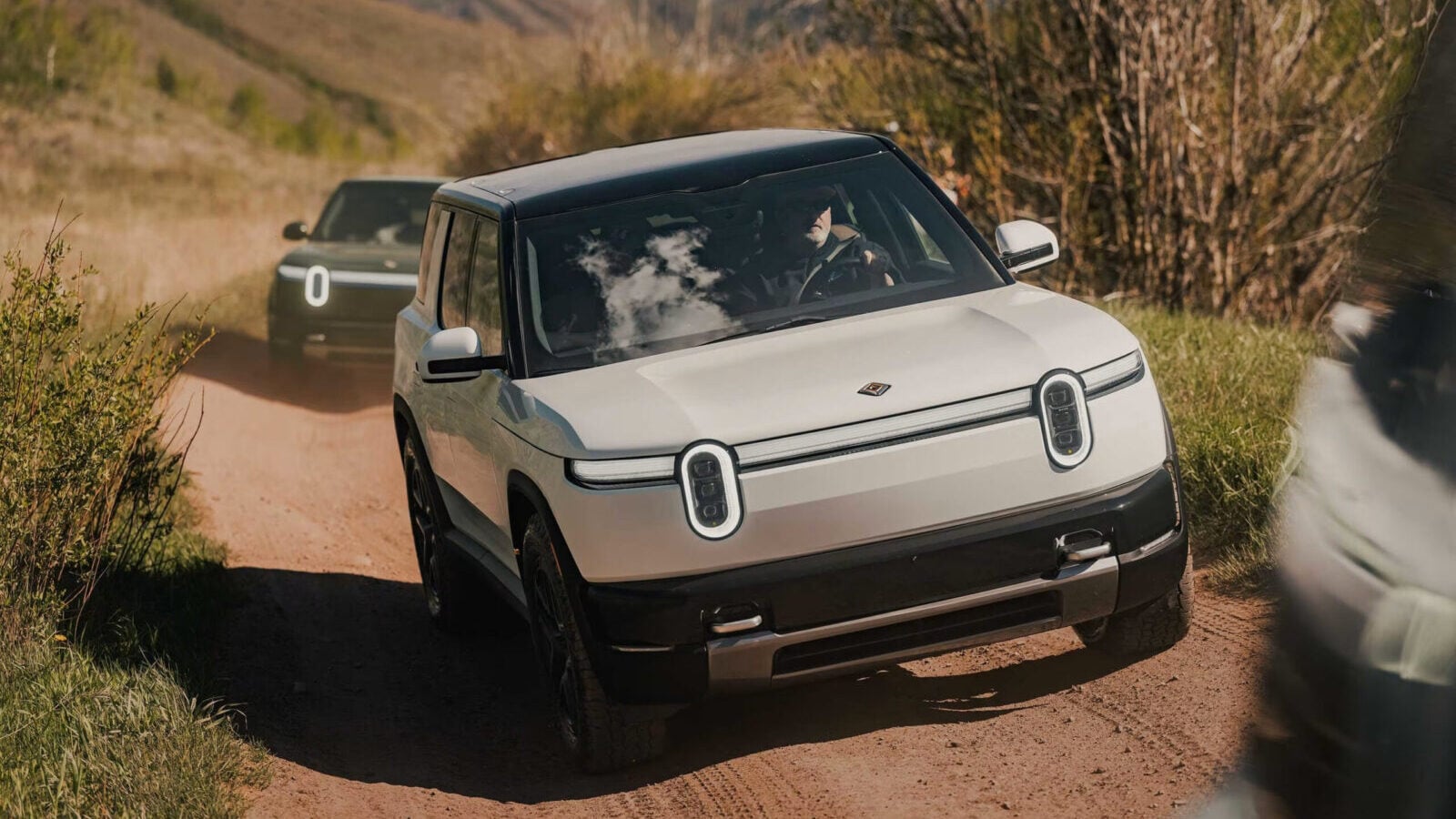
The Rivian R2 has only recently started reaching customers, but a small number of owners are already getting an unexpected call from the automaker. Rivian is bringing certain SUVs back to its service centers to investigate a potentially faulty part.
The concern involves hardware within the R2’s high-voltage charging system. Owners believed to have affected vehicles are reportedly being contacted directly and scheduled for an inspection.
Until that inspection takes place, those customers are being advised not to use DC fast chargers. The precaution appears limited to specific vehicles rather than the entire R2 fleet, with no indication so far that all examples are affected.
For Rivian, catching a potential problem early is preferable to discovering it after thousands of additional R2s are on the road. Exactly how widespread the issue is, however, is unclear.
Rivian Is Investigating The Charging Hardware
The issue surfaced publicly after an R2 owner described receiving a call from Rivian Service on Reddit. Information shared by owners indicates technicians are checking the connection between the DC fast-charging connector and header assembly for gaps and abnormal heat.
If technicians identify a fault, the DCFC Header Assembly and DCFC Connector Assembly are reportedly replaced. An R2 owner also said a service technician told them on August 19 that Rivian had elevated the matter to an engineering investigation.
A poor electrical connection can create excessive resistance and heat, making the warning against DC fast charging understandable. Fast chargers subject the vehicle’s charging hardware to considerably higher power than typical AC charging, although there have been no confirmed reports in the provided material of the issue causing a fire.
No Recall Has Been Announced
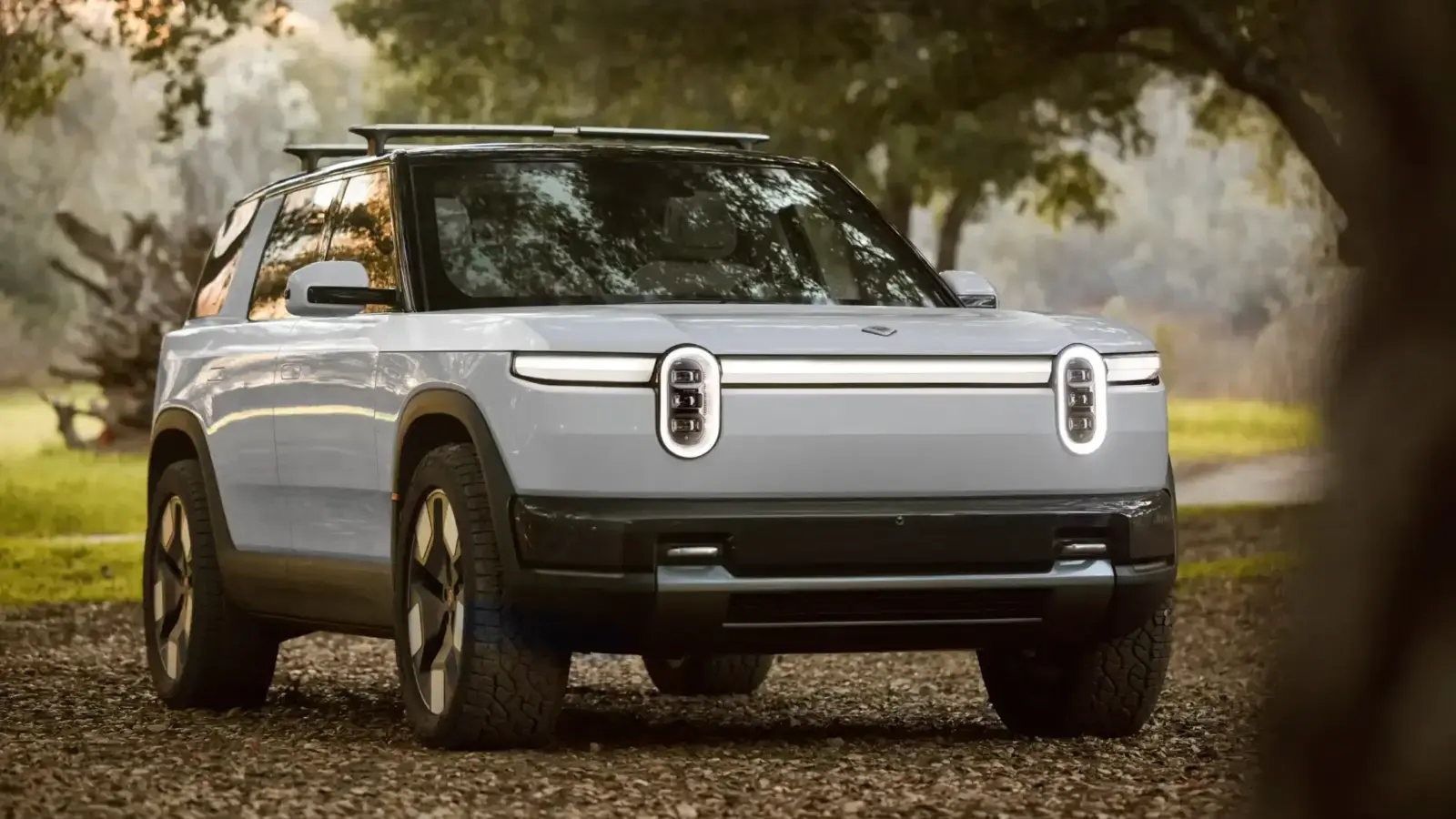
At the time of the reports, there was no NHTSA filing for this particular R2 problem, and Rivian hadn’t listed an R2 recall covering the charging components. That suggests the company is currently handling the matter through targeted inspections rather than a broad recall campaign.
It isn’t known how many R2s contain the potentially faulty components or whether Rivian has identified a particular production batch. Owners who haven’t been contacted shouldn’t assume their vehicles are affected based solely on the reports circulating online.
The situation is still worth watching because the R2 is a crucial new model for Rivian as the company expands beyond the larger R1T and R1S. Early production issues aren’t unheard of with an all-new vehicle, but high-voltage charging equipment is one area where manufacturers have little room for error.
For now, the owners Rivian has contacted have been warned to avoid DC fast charging until the SUV has been inspected. Whether this stays a limited service matter or develops into something larger will depend on what Rivian’s engineering investigation finds.