
Nothing makes a shaky travel plan unravel faster than a crowded terminal. Delays, long lines, gate changes, and one missed detail can turn an ordinary departure into a miserable start before the aircraft even leaves the ground. The travelers who look calm in that setting usually are not lucky. They have a few dependable routines, they stick to them every time, and they know that small habits matter most when the airport is noisy, busy, and impatient.
That is why good airport habits are so valuable. They reduce stress, protect your schedule, and leave much less room for preventable mistakes. Better still, most of them cost nothing. A little more foresight, a better bag setup, and sharper attention after security can change the whole tone of the day. These are the habits that make an airport feel less like an obstacle course and more like a process you already know how to handle.
1. Arrive Early Enough To Absorb A Surprise

The smartest airport habit starts before you even leave home. Major airlines still recommend arriving about two hours before domestic departures, while international trips are still generally treated as a three-hour airport arrival. That buffer matters because bag-drop deadlines, document checks, traffic at security, and one slow-moving line do not care that the drive to the terminal went smoothly.
Arriving early also changes the mood of the whole trip. Instead of treating the clock like an enemy, you give yourself room to handle the small things that often create the biggest stress: refilling a water bottle after screening, finding the right gate without rushing, solving a seating or baggage problem before boarding starts, or simply catching your breath. A generous cushion does not waste time nearly as often as a tight one ruins a departure.
2. Treat Your Documents Like Tools, Not Loose Paper
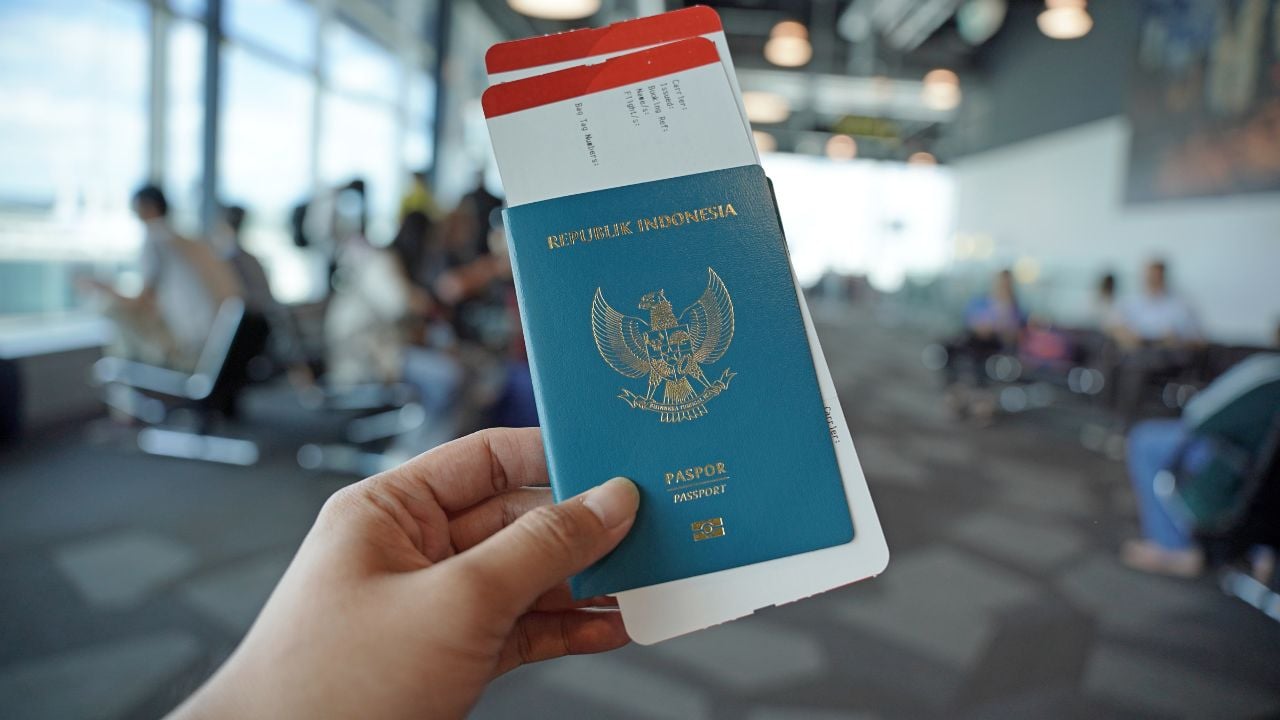
A passport, a REAL ID-compliant driver’s license, or another TSA-accepted form of identification should never be floating around the bottom of a tote bag. Keep every key item in one dedicated place and return it there immediately after each check. For international travel, that discipline matters even more because some countries require at least six months of passport validity beyond your trip, and missing that detail can end the journey before boarding even begins.
Physical organization helps, but a digital backup helps too. Keep your confirmations somewhere easy to reach, and do not rely on weak airport Wi-Fi plus a frantic inbox search when the line is moving. Airline apps can store mobile boarding passes and send alerts in real time, and a few well-timed screenshots of booking details can spare you from fumbling at the desk while everyone behind you inches closer. Smooth travelers usually look prepared because they already decided where everything lives.
3. Pack For The Checkpoint Before You Pack For The Trip
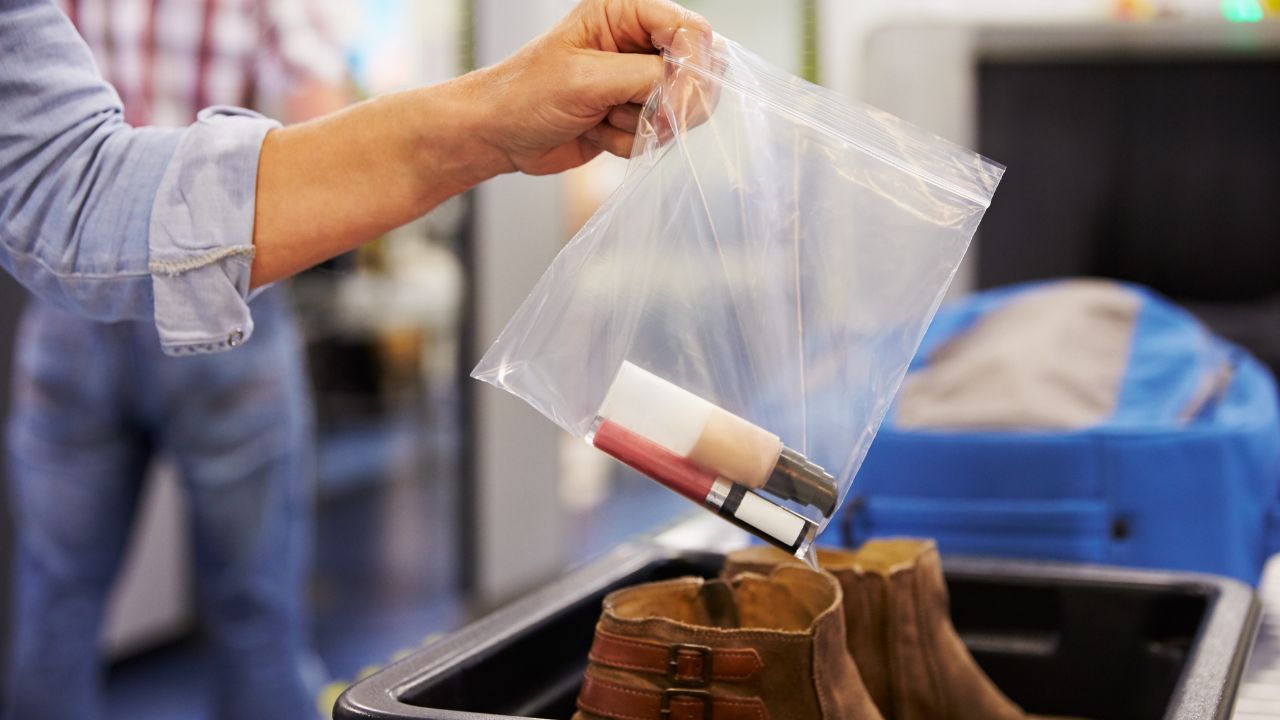
A carry-on should be arranged with screening in mind, not packed like a closet during a move. In the United States, TSA still limits cabin liquids, aerosols, gels, creams, and pastes to containers of 3.4 ounces or less that fit inside one quart-size bag. That alone is a good reason to stop tossing toiletries into random pockets. When the setup is tidy, the line moves faster and your pulse stays lower.
Good packing also means checking whether an item belongs in hand luggage at all. TSA’s “What Can I Bring?” tool exists for a reason, and its travel checklist still advises passengers in standard screening lanes to remove the 3-1-1 liquids bag and make sure pockets are empty before the checkpoint. The best checkpoint routine looks almost boring, which is exactly why it works. You are not improvising, repacking, or negotiating with a bin while the line stacks up behind you.
4. Keep Battery Gear And Core Tech Where You Can Reach Them Fast
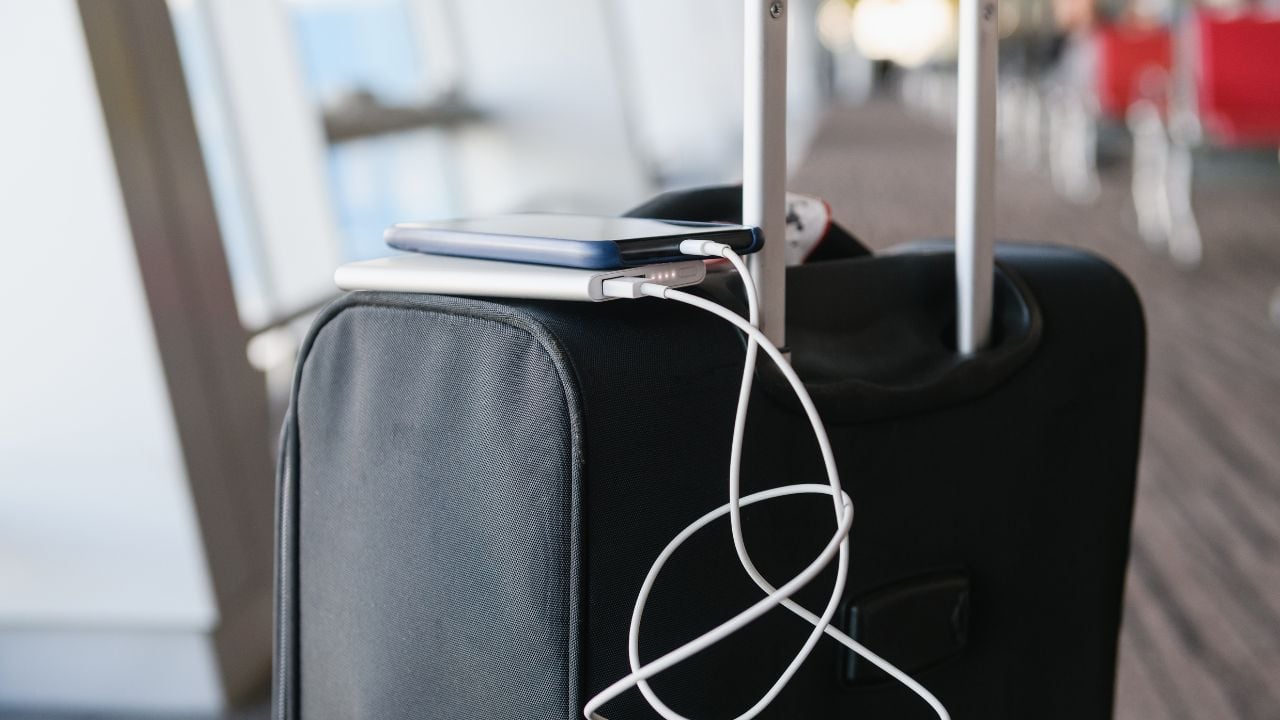
Modern travel falls apart quickly when a phone dies, a charger disappears, or a power bank ends up in the wrong bag. The FAA says spare lithium batteries and power banks must stay in carry-on baggage, not checked luggage, and battery terminals should be protected to reduce short-circuit risk. If a carry-on gets gate-checked, those spare batteries need to come out and stay with you in the cabin.
There is a practical side to this habit as well. Keep your phone charged enough to pull up a boarding pass, receive updates, and contact the airline without begging an outlet for mercy. The FAA also reminds travelers that spare lithium batteries, including power banks, should never be in checked bags, which is one more reason to keep your essential tech compact, reachable, and under control. People who move through airport days well usually protect their power supply the way earlier generations protected paper tickets.
5. Keep Paying Attention After Security
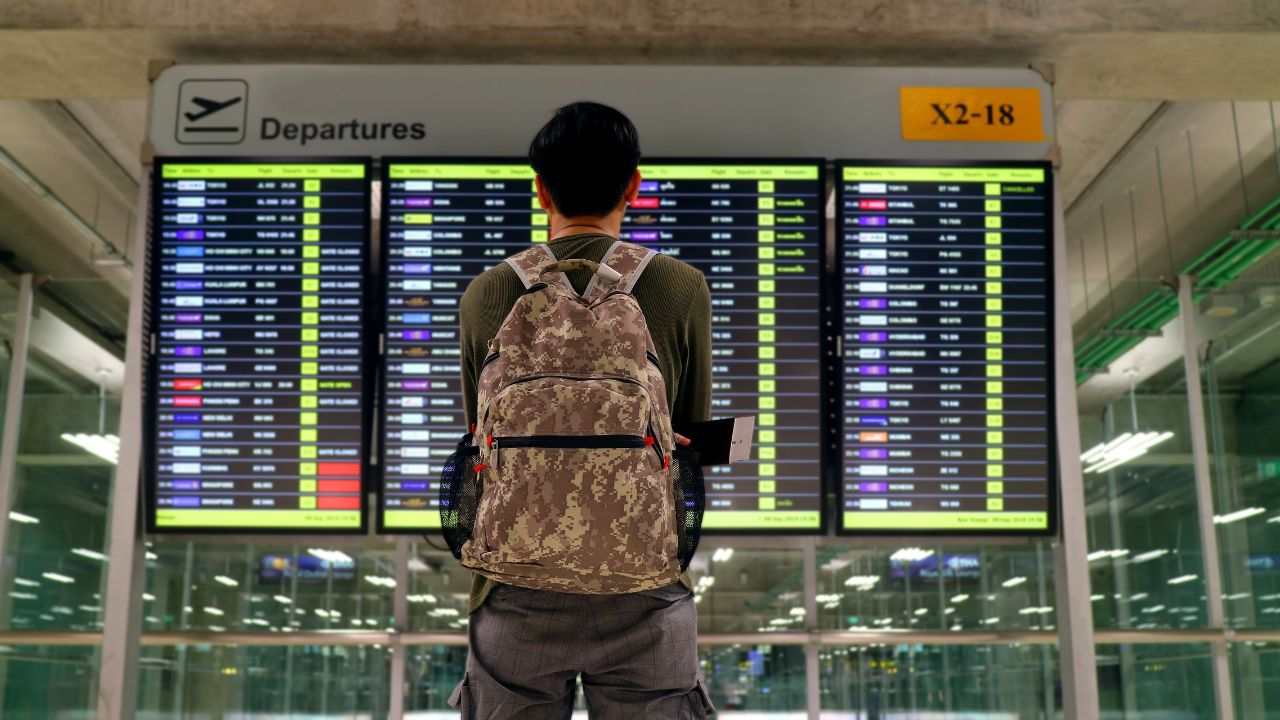
A surprising number of airport mistakes happen after the stressful part seems over. Once screening is behind you, it is tempting to switch off mentally, buy coffee, and assume the rest will unfold neatly. Meanwhile, gates change, boarding windows tighten, and disruptions can trigger alerts through your airline’s systems. Delta says it tries to notify customers about delays and cancellations through channels such as email and other trip-management tools, while the Fly Delta app promotes mobile boarding passes, alerts, and airport navigation features.
This is where plain awareness pays off. Check the screens again before settling in, stay close enough to hear changes, and get to the gate before the area becomes chaotic. Delta says domestic passengers should be at the gate and ready to board 15 minutes before departure, while its international guidance recommends being there 45 minutes before scheduled departure. A traveler who keeps one eye on the plan usually avoids the pointless sprint that wrecks everyone’s nerves.