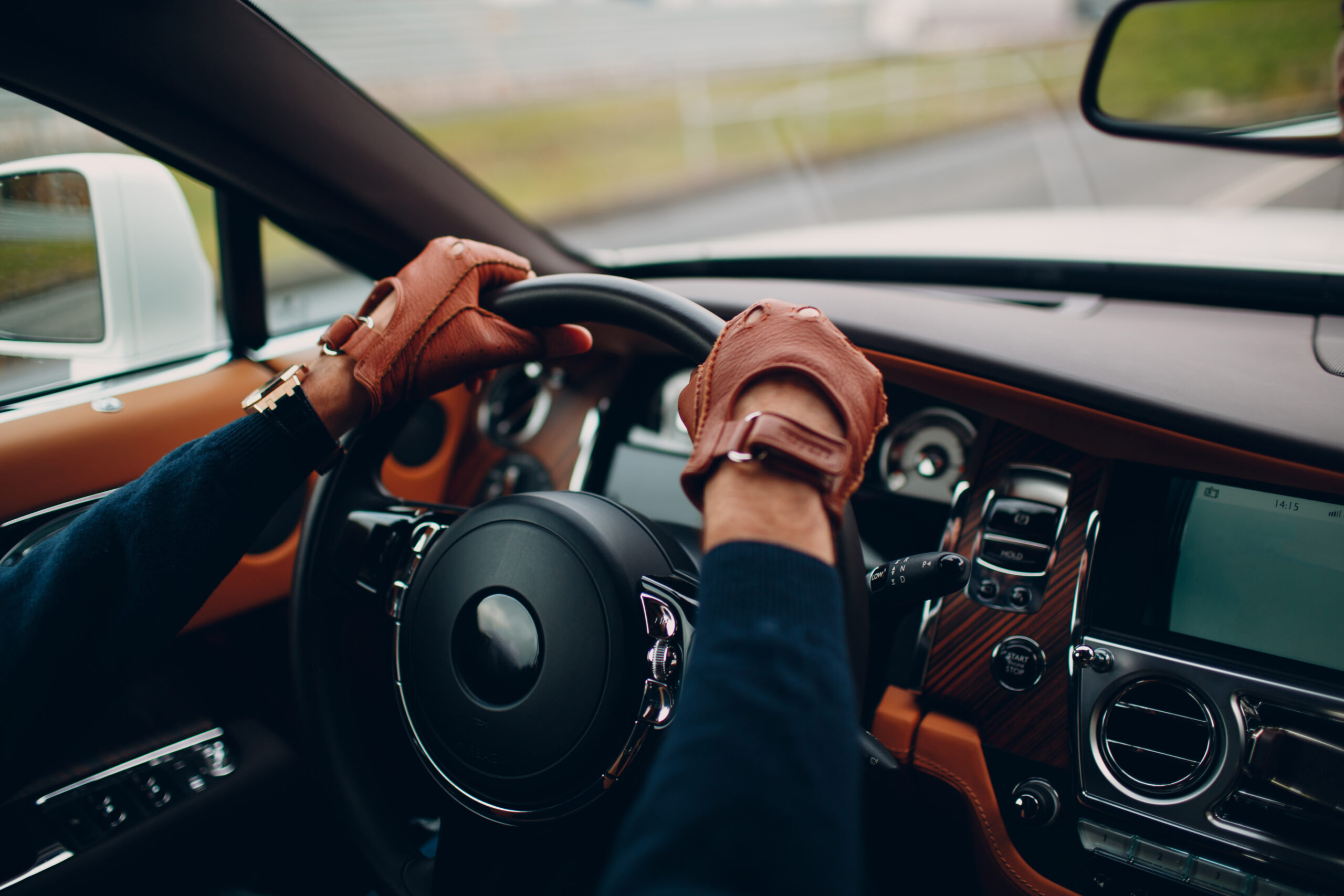
There’s a big difference between knowing how to operate a vehicle and driving with the kind of smooth confidence that makes passengers relax instead of reaching for the door handle. Most of us learned the basics well enough to get a license, but that doesn’t mean we drive like someone who’s truly mastered the road. And that’s okay — this isn’t about judging anyone.
Think of this as a friendly intervention from the people who ride with you, the folks sharing the highway, and yes, even your car’s mechanical components. Your passengers, your wallet, and everyone around you are quietly begging you to stop doing a few common habits that instantly signal “rookie energy” behind the wheel.
The good news? These habits are easy to fix, and dropping them not only makes you look like a seasoned driver — it makes your drives smoother, safer, and a whole lot less expensive in the long run.
Cruising in the Passing Lane

In many places, the left lane is intended primarily for passing slower traffic, and common courtesy is to move right when you’re not actively passing. Driving continuously in the left lane not only slows down faster traffic, which creates unsafe passing maneuvers, but it also signals a lack of awareness of traffic flow around you. A polished driver finishes their pass and then moves back to the right to let others proceed, keeping the road safe for everyone.
Braking When the Turn Signal Comes On
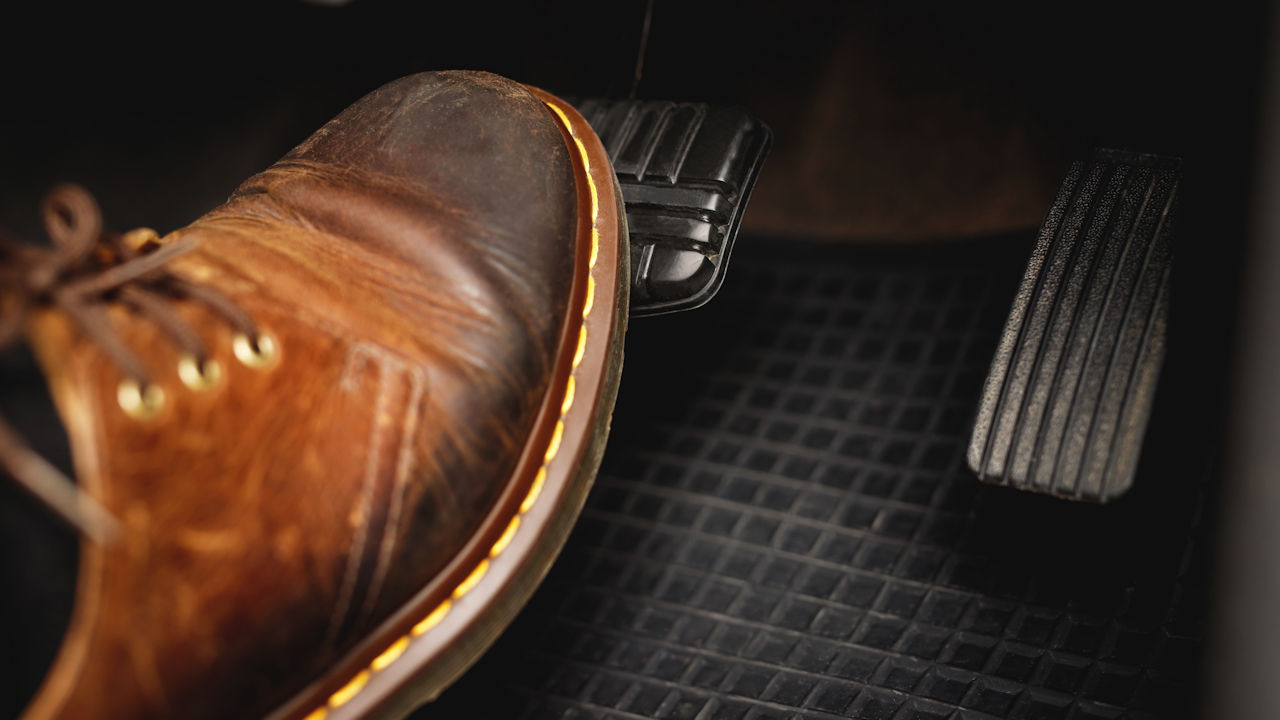
The classic move of an unsure driver is tapping the brakes the instant they flip the turn signal on, long before they actually need to slow down for the turn itself. This habit messes up the flow of traffic behind them, confusing other drivers who must react to the unnecessary stop. The correct approach is to maintain speed until you reach the proper point to slow down, using the signal only as a clear statement of intent for the coming maneuver.
Sawing at the Steering Wheel
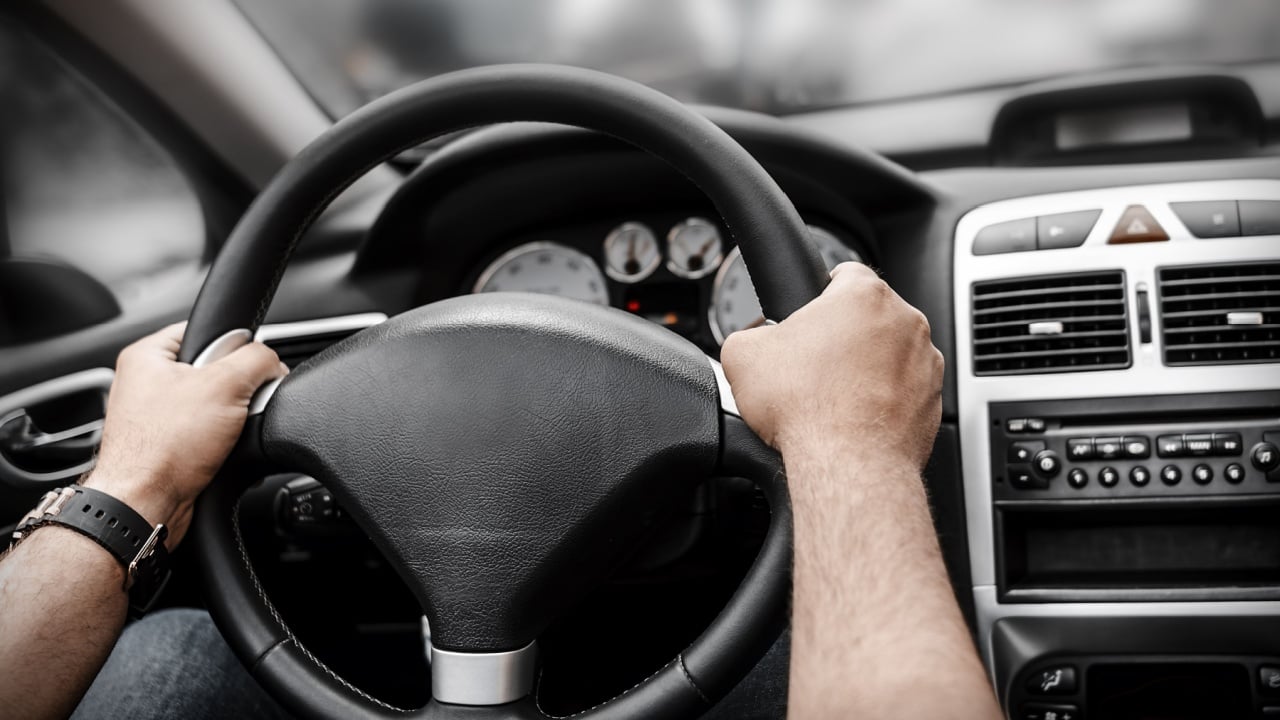
This habit involves making tiny, constant, unnecessary micro-corrections to the steering wheel to stay centered in the lane. This action looks nervous and feels shaky to passengers, indicating the driver is struggling to keep the car steady. A skilled driver looks further down the road, anticipates the curve of the highway, and uses smooth, deliberate hand movements to maintain a straight line.
Starting a Three-Point Turn Immediately
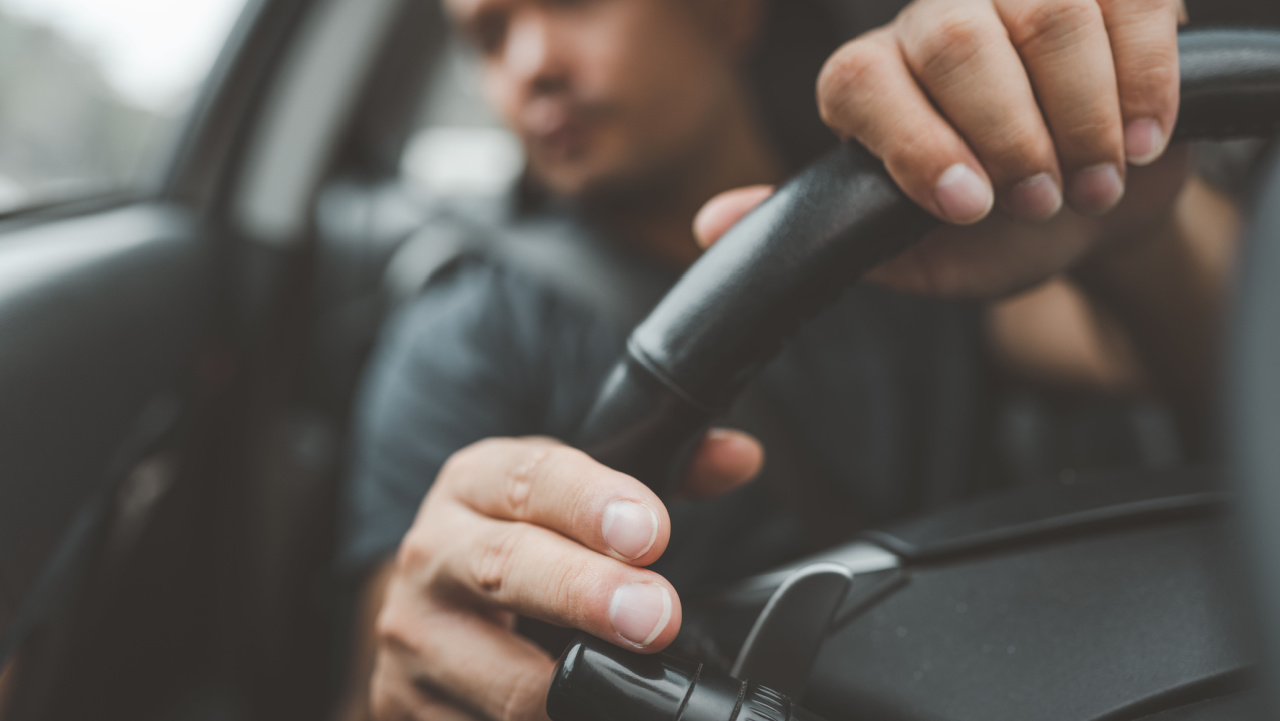
An amateur driver often pulls up to a location where they need to change direction and immediately tries to crank the wheel and spin around, often taking four or five awkward moves. A professional driver plans the maneuver. They drive slightly past the driveway or side street they plan to use, using the extra space to create a much wider turning arc, which usually allows them to complete the turn efficiently in only three smooth movements.
Resting a Hand on the Shifter
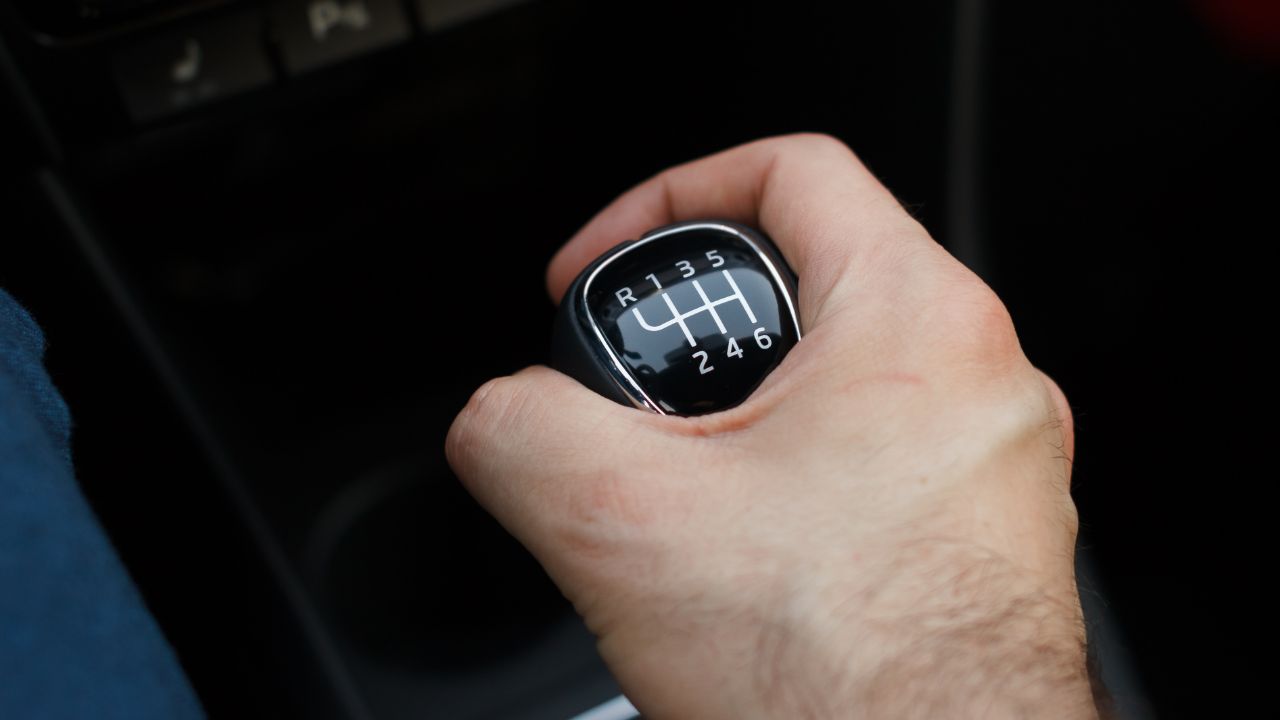
Driving with a constant resting hand on the gear shifter, whether in a manual or an automatic, is a common trait among drivers who think they look sporty. However, this habit actually can apply unnecessary force to shifter/linkage components over time (especially in manuals), and it also reduces your control in emergencies, over time. Keeping both hands properly placed on the steering wheel ensures you have full control in an emergency and prevents premature wear on expensive parts.
Tailgating to Pressure Other Cars
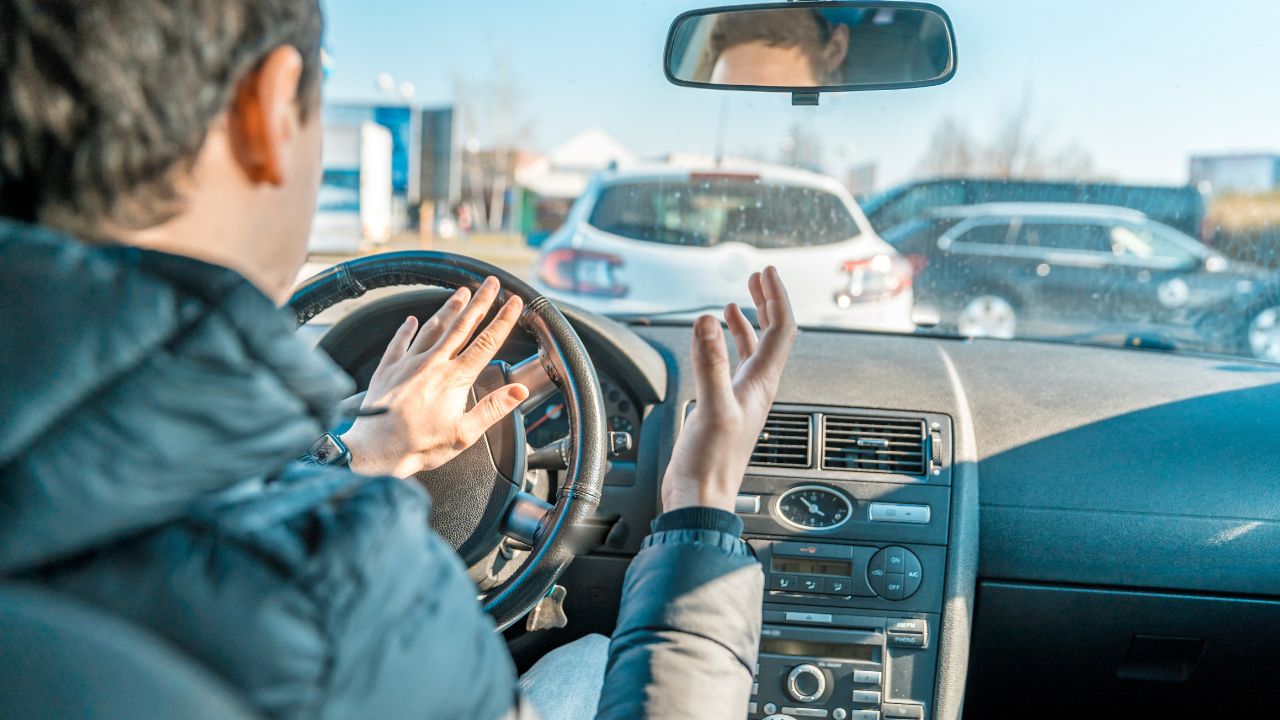
Following too closely to the car ahead, especially when trying to encourage a slower driver to move over, shows impatience and a complete lack of tactical driving sense. The main purpose of maintaining distance is to ensure you have time to react if the car in front suddenly hits the brakes. A driver with real skill understands that the road belongs to everyone and always maintains a safe following distance of several car lengths.
Stopping With the Wheels Turned
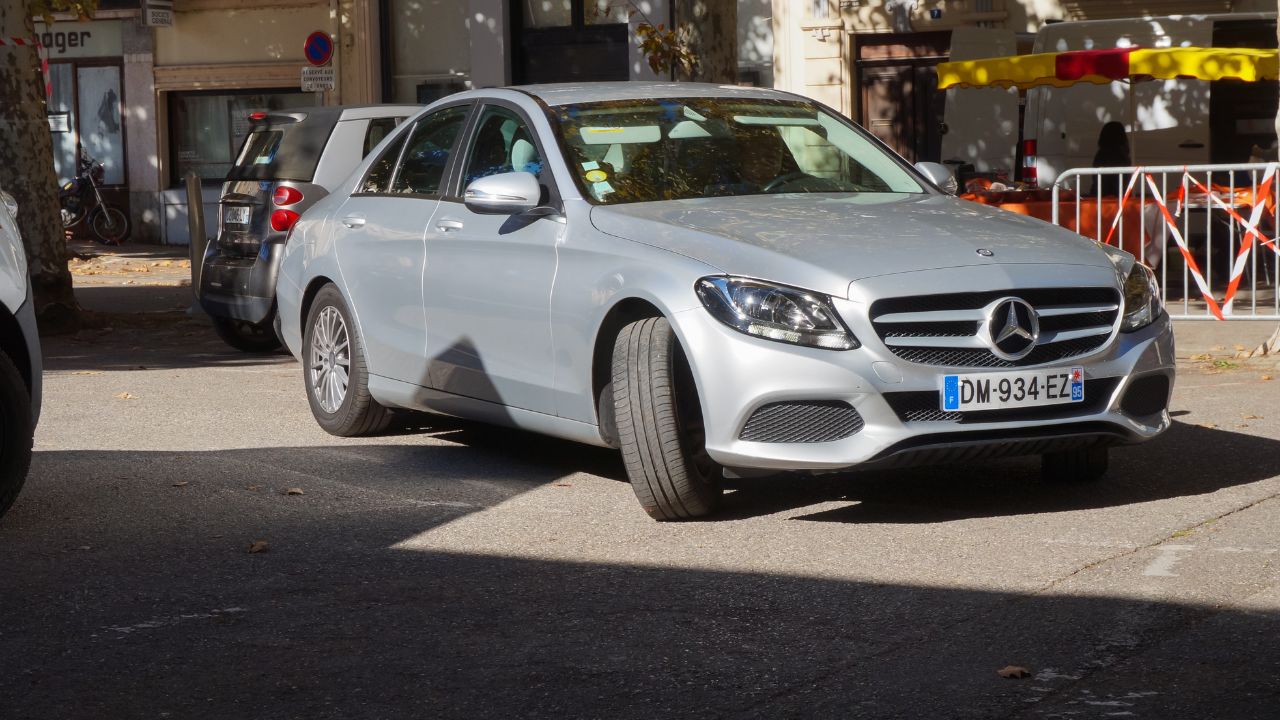
When waiting to turn left at an intersection, many people stop with their front wheels already pointed into the oncoming lane. If a car rear-ends you while you are waiting, the impact will push your vehicle straight into the flow of oncoming traffic, potentially causing a dangerous head-on collision. The practiced technique is to keep the wheels straight until the exact moment you begin to execute the turn, keeping you safe.
Using High Beams Unnecessarily
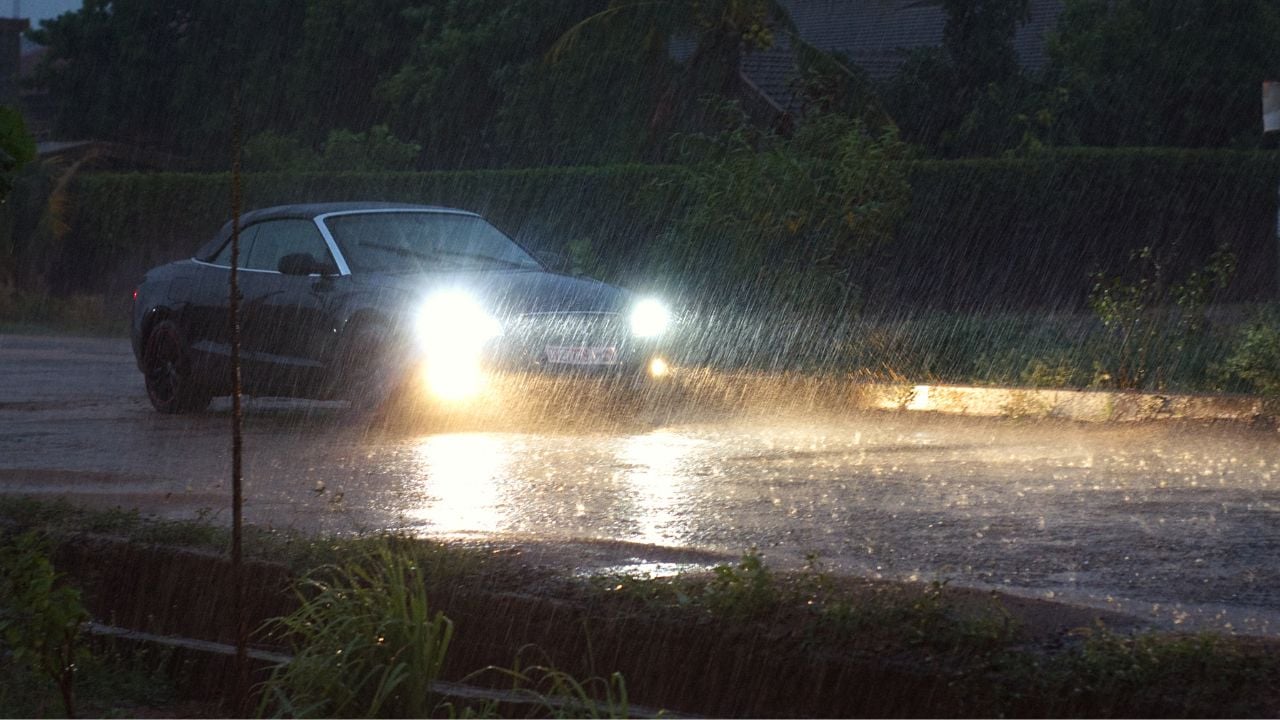
Flipping on the high beams on a well-lit suburban road or immediately after leaving a well-lit area is a clear sign that a driver lacks confidence in their standard headlights. Blasting bright lights at oncoming traffic is dangerous and illegal in many jurisdictions, which generally require you to dim high beams when approaching other vehicles, temporarily blinding other drivers and reducing everyone’s safety margin. A mature driver uses high beams strictly when on dark, unlit roads and ensures they always dip them for approaching cars.
Riding the Clutch Pedal
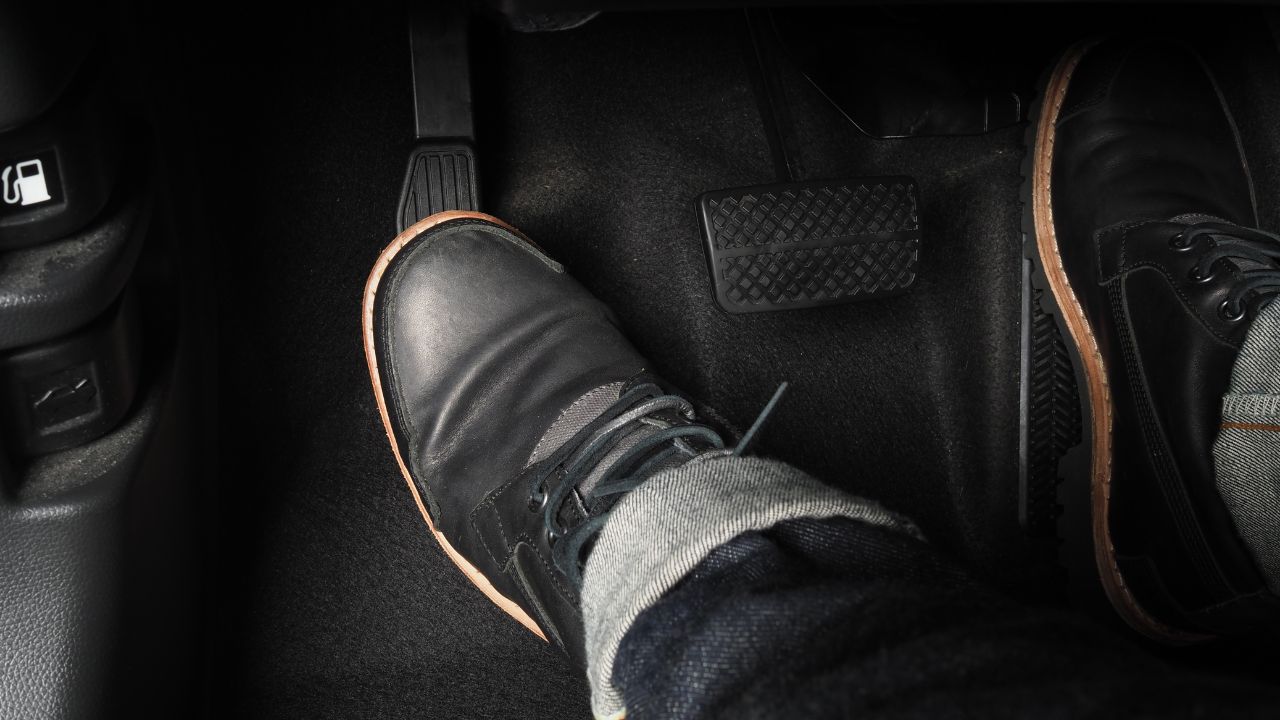
A common habit among those learning a manual transmission is leaving their foot resting lightly on the clutch pedal while driving. Even the slightest pressure causes the friction surfaces inside the clutch to partially engage and slip, which creates heat and prematurely wears out the clutch disc. This action can significantly significantly shorten clutch life and lead to premature replacement, leading to an expensive replacement bill much sooner than necessary.
Mismanaging Parallel Parking Distance

The typical amateur parallel park involves stopping too far from the car in front, leaving too much space to maneuver and requiring several awkward back-and-forth adjustments. A confident driver uses the car next to them as a guide, pulling up right alongside it and ensuring the mirrors line up correctly before beginning the maneuver. This simple setup creates the perfect starting angle for a smooth, single attempt park.
Driving With Both Feet
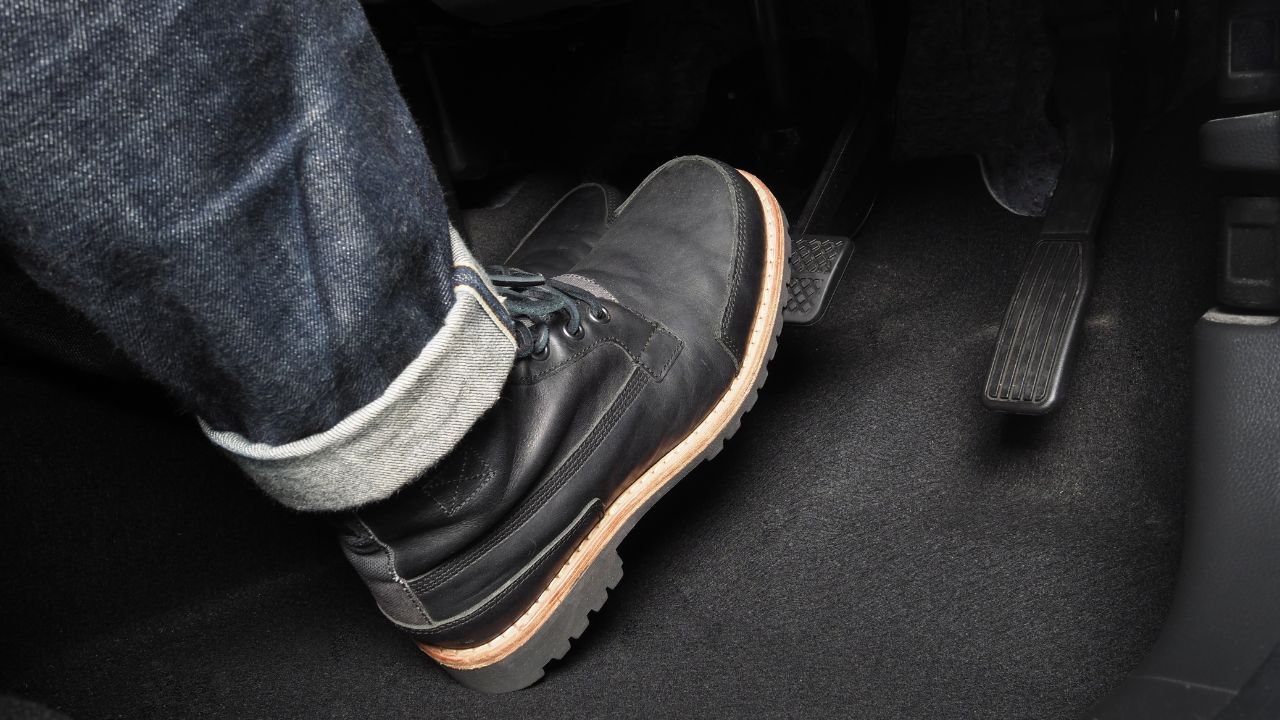
Drivers who grew up only driving automatics sometimes use their left foot for the brake and their right foot for the gas, this is a dangerous habit for untrained drivers on public roads and is not taught in standard driver education. It increases the risk of pedal overlap—especially in panic situations. The main issue is that drivers inevitably hit both pedals at the same time during a panic situation. Using only the right foot ensures that only one command, either acceleration or braking, is ever delivered at a time.
Ignoring Tire Pressure Monitoring System Warnings
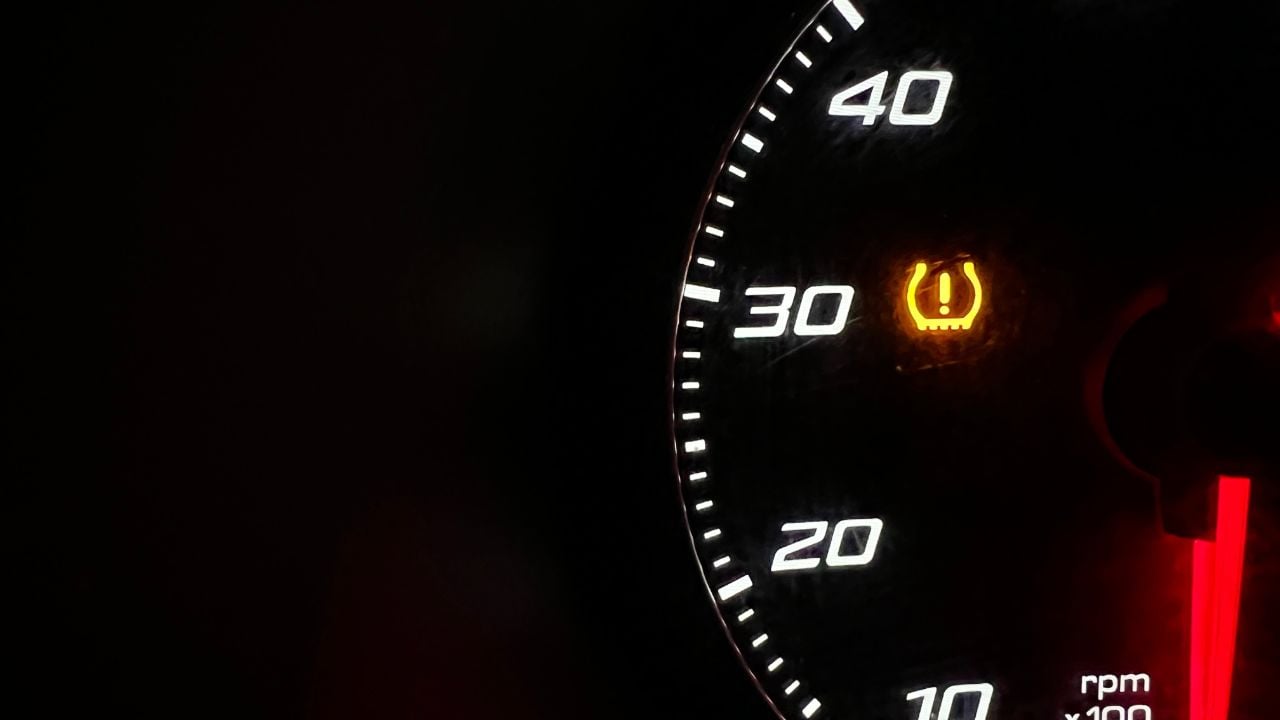
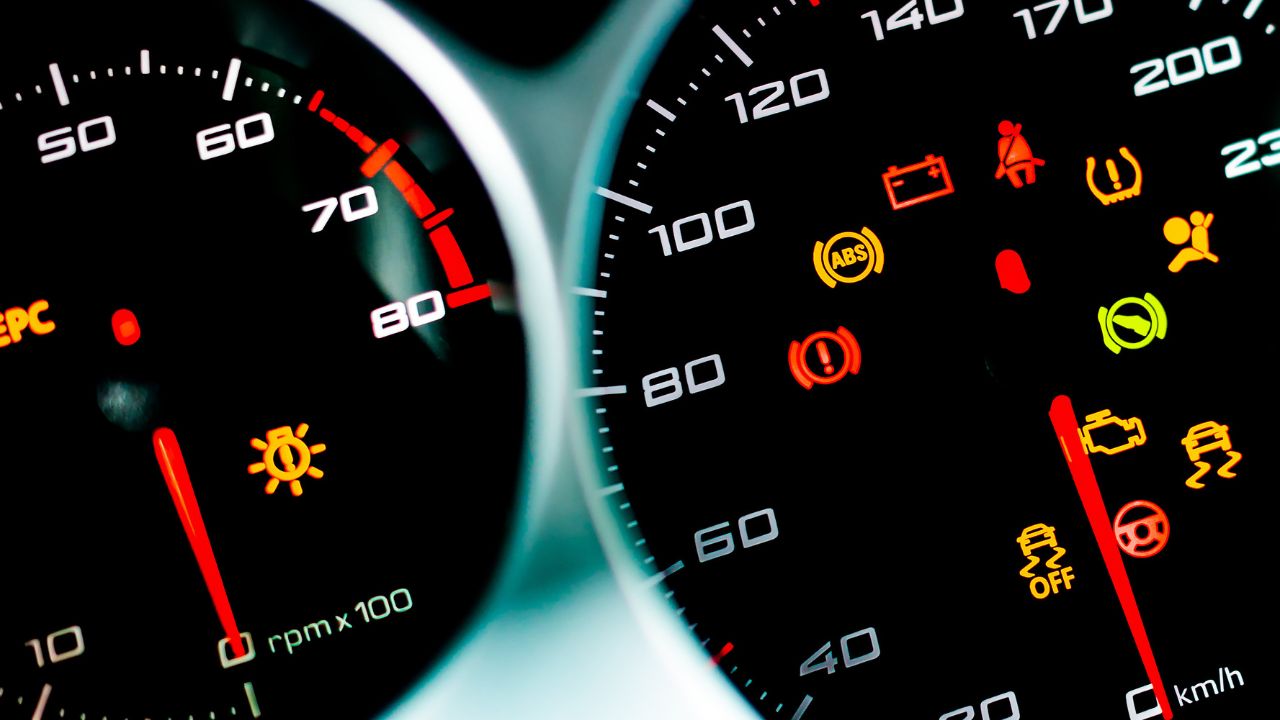
When the tire pressure light comes on, an inexperienced driver will often ignore it for days or weeks, viewing it as a minor inconvenience rather than a serious issue. Driving on underinflated tires not only reduces fuel economy but also increases the tire’s operating temperature, making it far more prone to failure at high speeds. A knowledgeable driver checks and corrects the pressure at the nearest gas station air pump immediately.
Clutching on Downhill Slopes
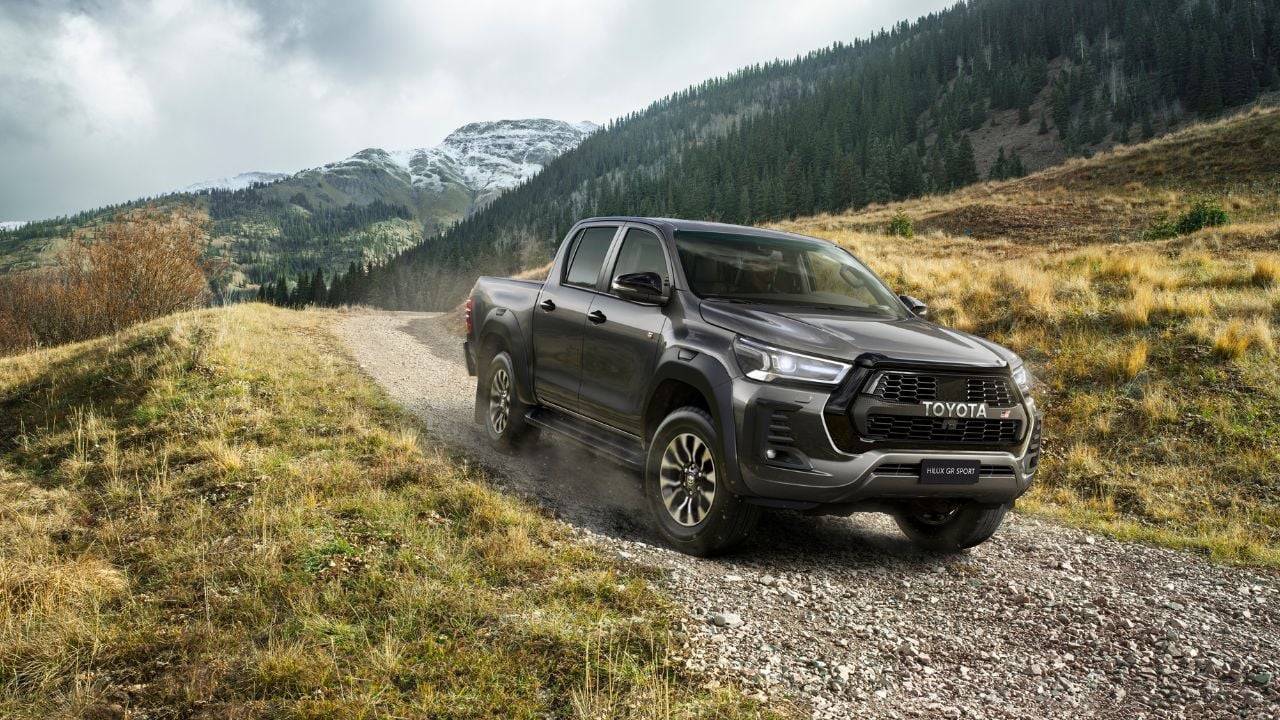
Some manual drivers press the clutch pedal down and coast down a hill in neutral, believing they are saving fuel, which is generally not true in modern fuel-injected vehicles (many cut fuel on deceleration in gear). Coasting in neutral actually gives up critical control and safety, forcing the brakes to do all the work to manage speed. Leaving the car in gear, often called engine braking, uses the car’s mechanics to control speed and saves the brakes for when they are truly needed.
Turning the Wheel Only With Palms
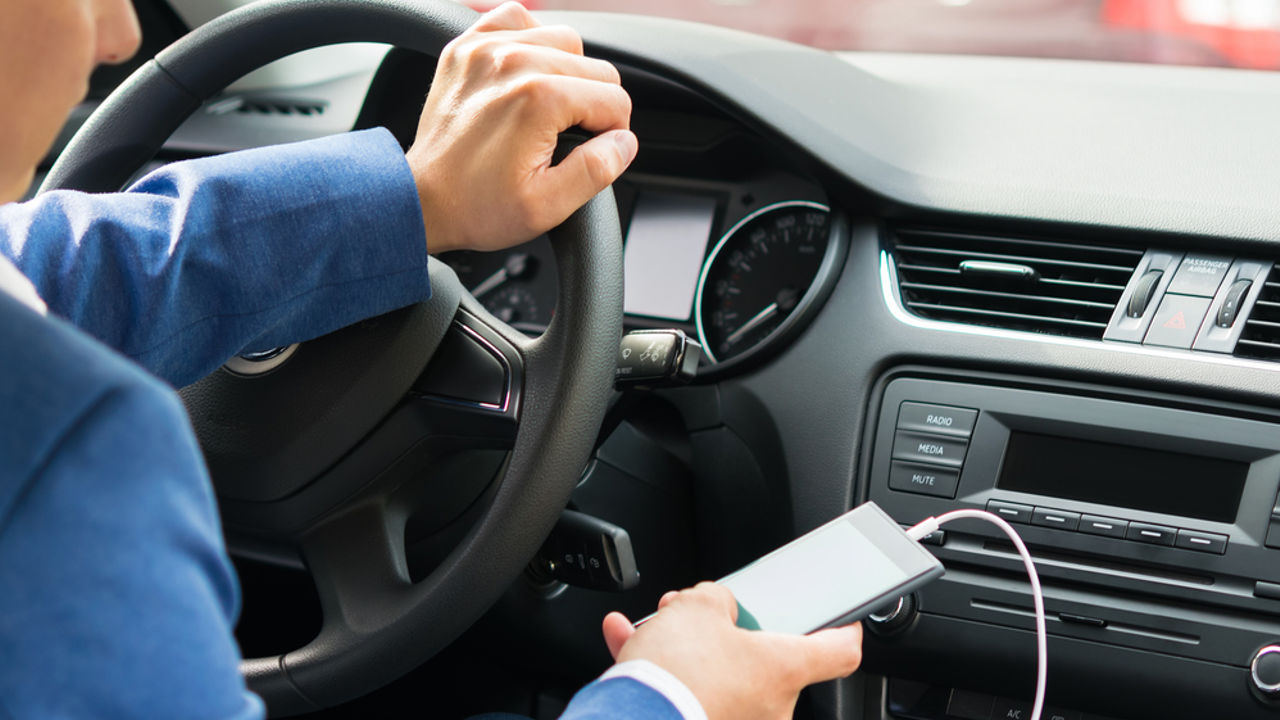
The hand-over-hand technique, where the driver feeds the wheel through their hands, is the standard for turning at slow speeds. However, the amateur driver often uses the palm-on-top technique, pushing the wheel around with only their palms, especially when precise steering control is needed. This method offers much less control and leaves the driver vulnerable if they need to suddenly adjust the steering angle.
Relying Too Heavily on Technology

Modern vehicles come with helpful technology like self-parking or automatic emergency braking, but inexperienced drivers often treat these features as replacements for fundamental driving skills. Using automated systems instead of developing spatial awareness and judgment exposes a lack of real confidence. Skilled drivers use technology as a backup, not a substitute for awareness and control.
The Skilled Driver’s Signature
Real driving talent is not shown through aggressive moves or flashy behavior. It appears in calm precision, predictable actions, and respect for how vehicles and traffic actually work. Eliminating small but telling mistakes improves control, reduces wear on mechanical components, and greatly lowers accident risk. Smooth inputs, awareness of surroundings, and patience are what truly separate experienced drivers from amateurs.