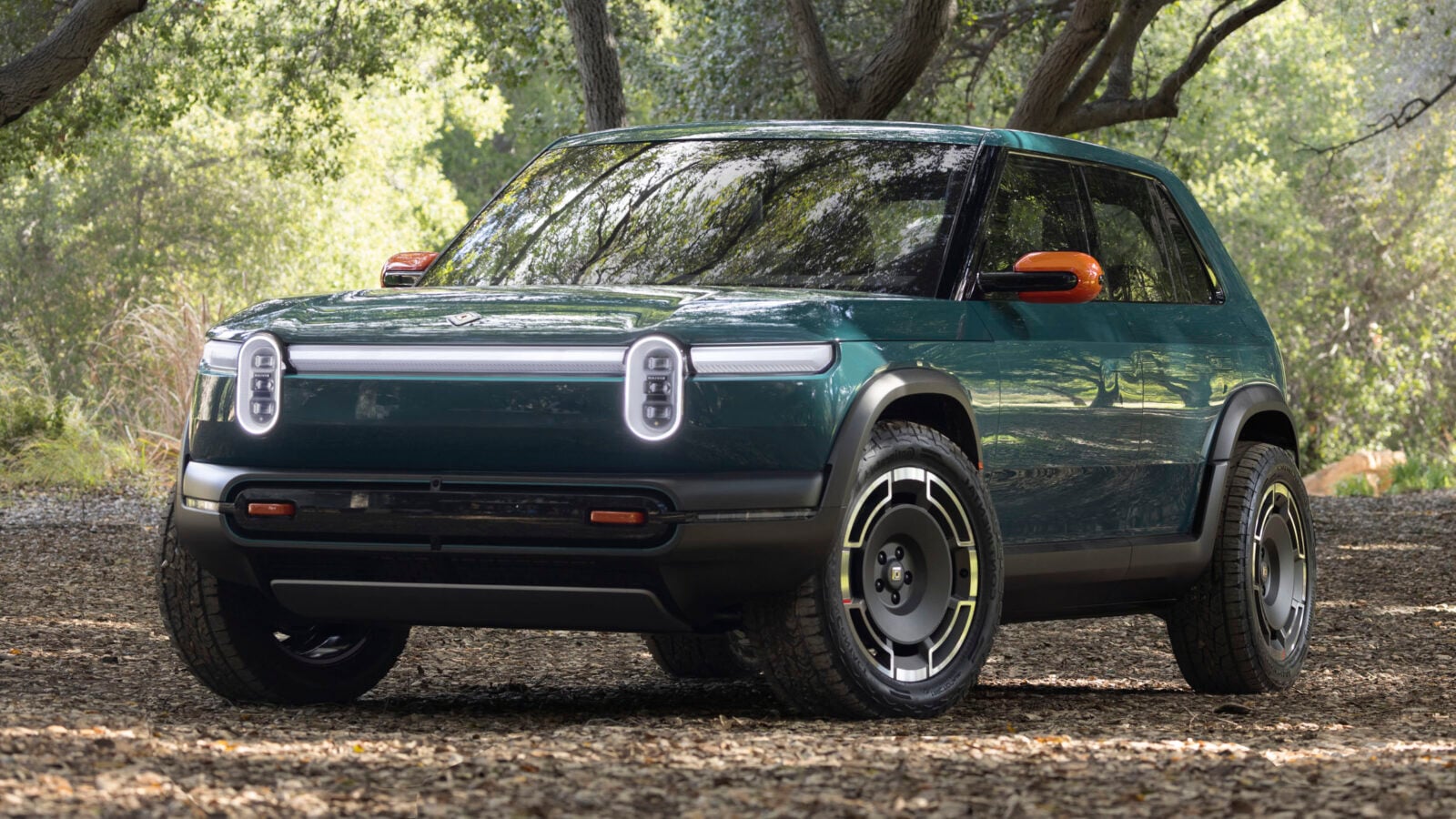
Rivian’s expansion into less expensive EVs is only just getting started. With R2 production underway, CEO RJ Scaringe is already looking further down the lineup at the smaller R3 and another model positioned below it.
The R2 represents a major move for a company best known for the significantly more expensive R1T and R1S. Rivian has designed its new midsize platform around lower production costs and the greater volumes needed to compete in a bigger section of the EV market.
R3 will push that strategy further, while Scaringe has now confirmed that Rivian’s plans extend to an R4 that should move the price point down yet again. That could eventually give the automaker a much wider spread of models than it offers today.
Speaking with The New York Times, Scaringe provided an update on those future vehicles while also discussing competition from Chinese automakers. He argued that tariffs will remain important if Chinese-built vehicles eventually enter the U.S. market.
R3 Will Be Cheaper Than R2
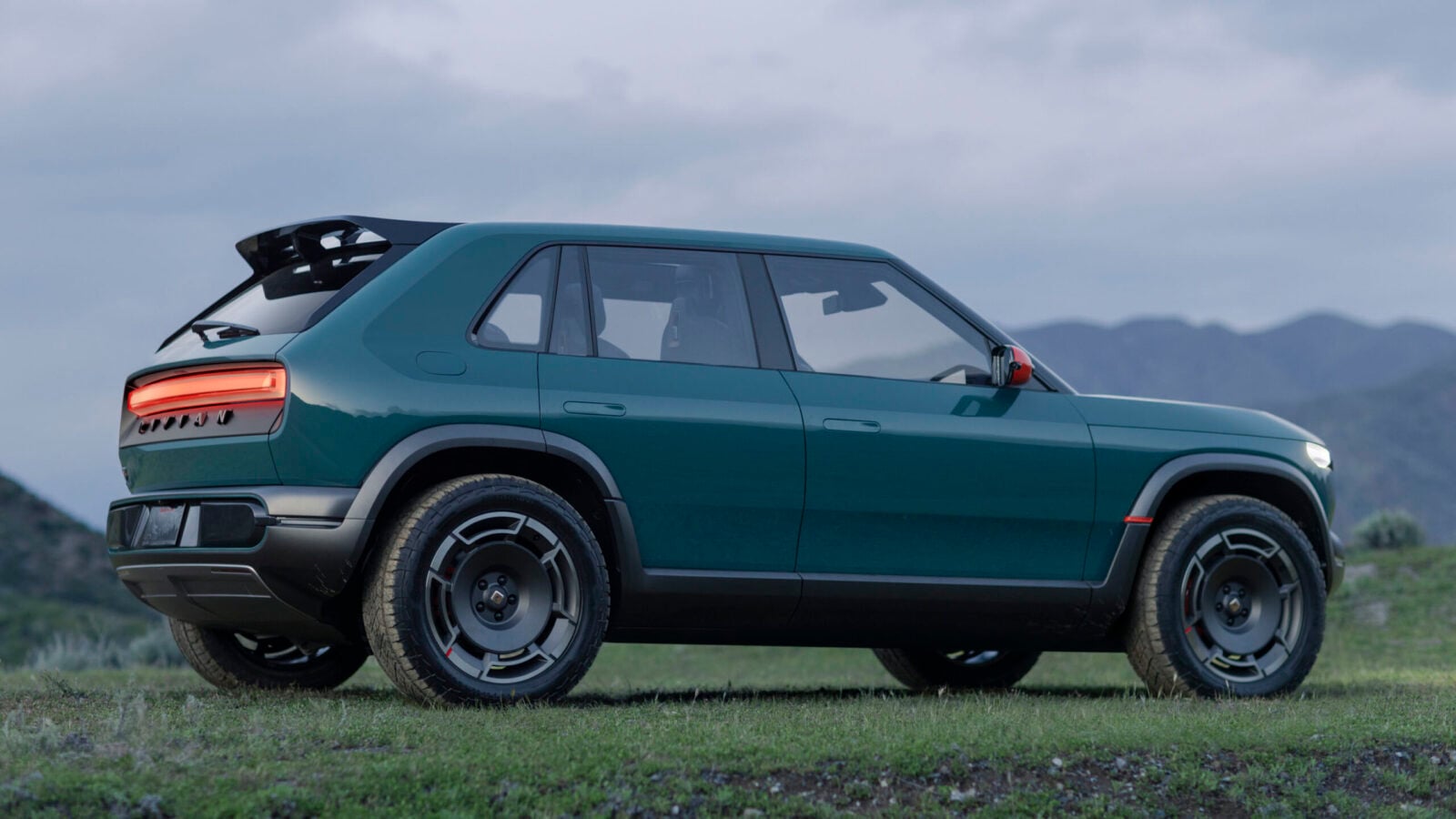
Scaringe told the Times that the R3 will be priced “materially lower” than the R2, although Rivian isn’t announcing an exact figure yet. The R2 currently starts at $45,000, meaning the smaller model will give Rivian room to move further downmarket.
Carscoops suggests a price somewhere between $35,000 and $40,000 could be possible, but that’s speculation rather than an official statement from Rivian. Until the company announces pricing, all we know is that Scaringe expects a sensible gap between the two.
Rivian previously said R3 would offer two battery sizes and single-, dual-, and tri-motor configurations. The company has also targeted more than 300 miles of range for certain versions and a sub-three-second 0-60 mph time for the quickest configuration.
An Even Cheaper R4 Is Coming
R3 won’t represent the bottom of Rivian’s eventual range, either. Scaringe told the Times that the company also has plans for an R4, which would move its pricing lower again.
Details about that vehicle remain extremely limited, so its size, body style, specifications, and launch timing are still unknown. Scaringe’s comments nevertheless show that Rivian sees opportunities below R3 rather than treating it as its ultimate entry-level EV.
Rivian confirmed earlier this year that customer R2 production had begun at its Normal, Illinois, plant, making the midsize SUV central to the company’s push toward greater scale.
Scaringe Supports Tariffs On Chinese EVs
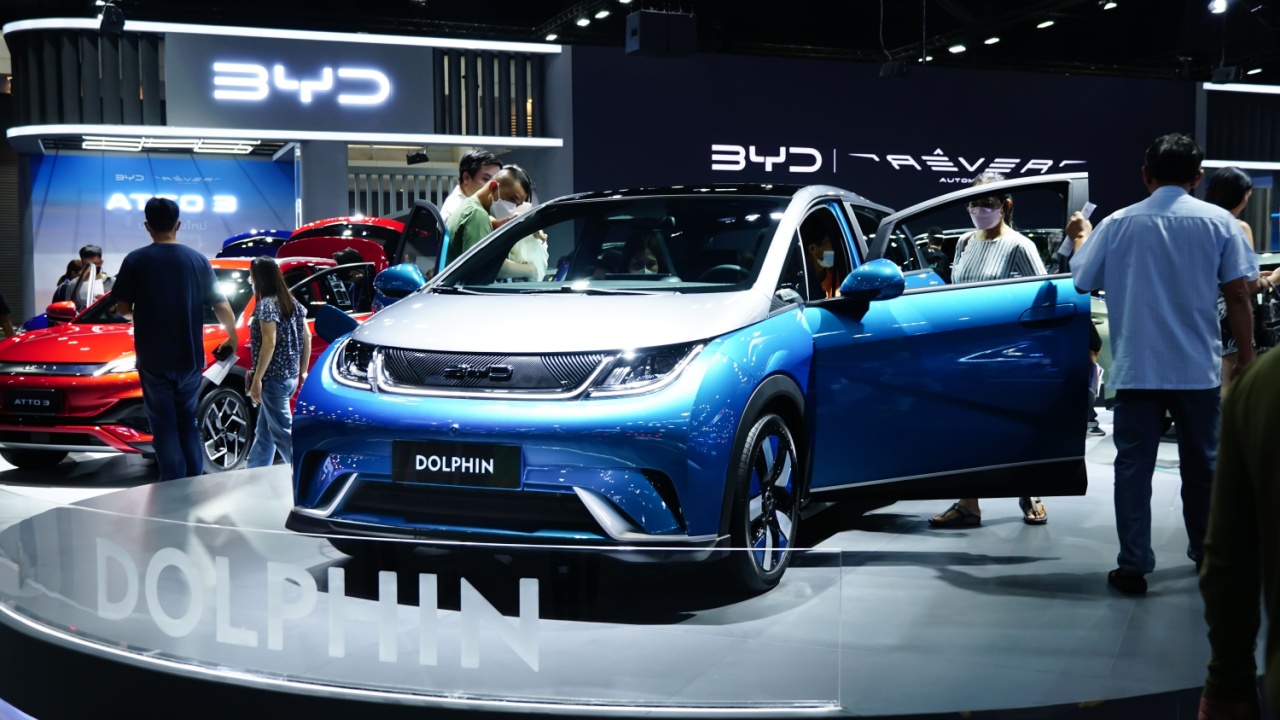
Scaringe also addressed the prospect of Chinese automakers eventually selling vehicles in the United States. He told the Times that the industry should assume China will eventually be able to sell cars in the country and argued that tariffs can help offset differences in manufacturing input costs.
His position reflects one side of a broader debate over trade protection, competition, and vehicle affordability. Supporters of tariffs argue they can protect domestic manufacturing from structural cost differences and trade practices, while critics can point to the potential for trade barriers to reduce competition and raise costs.
Chinese EVs already face substantial U.S. trade barriers. Section 301 tariffs on Chinese electric vehicles were increased to 100 percent in 2024, and USTR said in February 2026 that existing Section 301 tariffs on Chinese goods stayed in place.
Rivian, meanwhile, is trying to make its own vehicles cheaper without abandoning its existing brand positioning. R2 is the first big step; R3 takes it further, and the newly acknowledged R4 suggests Rivian intends to keep moving down the price ladder.