
Planning your first road trip in an electric car? You’re probably weighing your options between Tesla’s sleek sedan approach and Rivian’s rugged truck vibes.
Both promise to get you there without burning gas, but the experience behind the wheel couldn’t be more different. Here’s what it’s actually like to hit the highway in each.
Charging: The Tesla Advantage is Real

Tesla’s Supercharger network remains the gold standard for road tripping. You’ll find them everywhere, Tesla reports tens of thousands of Supercharger connectors worldwide, they work reliably, and the car’s navigation seamlessly routes you through them with real-time availability updates.
“Rivian primarily charges on the CCS network (plus Rivian’s own Adventure Network), which offers many locations on paper but can be hit-or-miss for reliability, which offers more charging locations on paper but can be hit-or-miss for reliability. The good news is that Rivian vehicles now have access to Tesla Superchargers that support NACS charging for other brands, and Rivian owners use a NACS DC adapter, but not every Supercharger site is compatible.
Range: Miles vs. Practicality

A Model S is currently rated around 368 miles (EPA est.) depending on configuration, while most Rivians are EPA-rated roughly in the 300–350-mile range, depending on the variant. Tesla still offers top-tier long-distance efficiency and strong range among mainstream EVs.
That said, the Rivian’s range feels more honest in real-world conditions: Tesla’s EPA estimates can be optimistic if you’re doing 80 mph into a headwind.
Interior Space: Different Philosophies
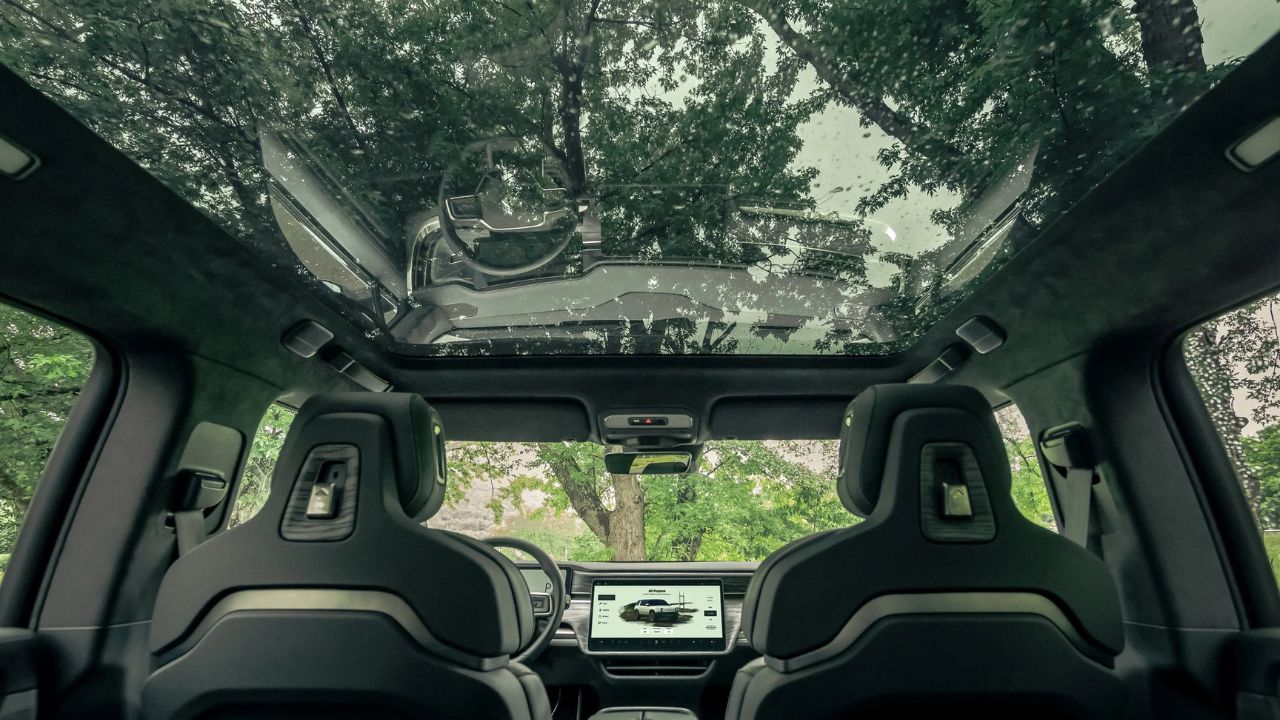
Tesla’s minimalist cabin feels spacious and airy, with that massive glass roof making even the back seat feel open. Everything runs through the center touchscreen, which is either wonderfully clean or annoyingly limited depending on your tech preferences.
Rivian feels more traditional than Tesla in a few controls, but it still relies heavily on the touchscreen for many functions, plus that clever Camp Mode helps you manage comfort and accessories while parked, but it still draws energy from the vehicle’s battery. The R1T’s crew cab offers more practical storage nooks for road trip essentials.
Comfort: Luxury vs. Adventure-Ready

Tesla’s seats are designed for long-distance comfort, with excellent lumbar support, plus ventilated front seats and heated seating (depending on configuration). The ride quality is smooth and refined, making highway miles disappear effortlessly.
Rivian prioritizes versatility over luxury: the seats are supportive but firmer, and the suspension is tuned for capability rather than cloud-like comfort. You’ll feel more road imperfections, but you’ll also feel more connected to your surroundings.
Tech and Entertainment: Two Different Worlds
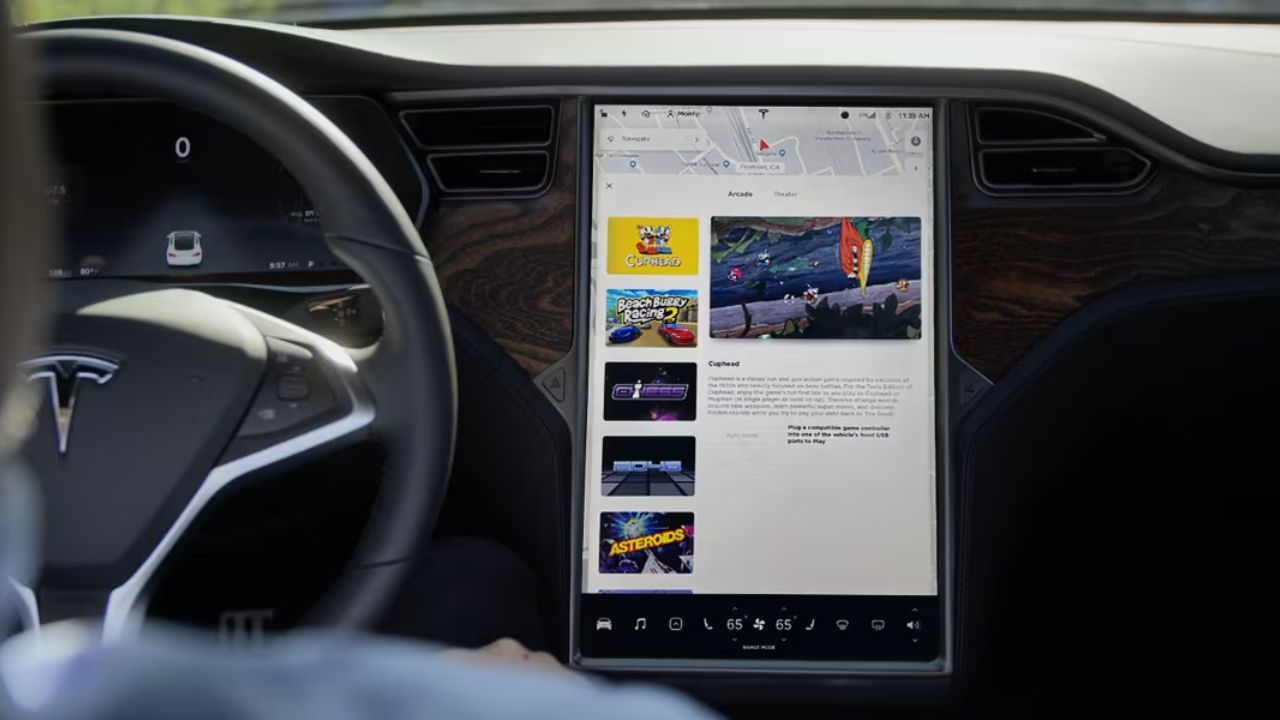
Tesla’s infotainment system is like having a smartphone on wheels: Netflix, YouTube, games, and over-the-air updates that add new features while you sleep. The sound system is surprisingly good, and features like Dog Mode or Camp Mode show thoughtful engineering.
Rivian’s tech feels more purposeful and less flashy, with outdoor-focused features like the vehicle’s ability to power your campsite or off-road drive modes designed for technical terrain and low-speed maneuvering. It’s less an entertainment hub and more a capable tool.
Driving Experience: Smooth vs. Substantial

Behind the wheel, Tesla delivers that famous instant electric acceleration with an almost supernatural quiet. The regenerative braking is smooth and predictable, and Autopilot (when it works well) can make long stretches genuinely relaxing.
Rivian feels more like driving a really capable truck – there’s more mass to manage, but also more confidence in varied conditions. The air suspension adapts beautifully to different terrains, and the truck mode settings let you tailor the experience to your adventure.
The Bottom Line

Choosing between these two electric car companies comes down to what kind of road tripper you are. Tesla excels at getting you comfortably from point A to B with minimal fuss – perfect for visiting family or business travel. Rivian shines when point B is a trailhead, campground, or anywhere the pavement ends.
Both will change how you think about electric road trips, just in very different ways. The future of highway travel is definitely electric; the only question is whether you want to arrive relaxed or ready for adventure.