
European cars have long held a special place in automotive culture, offering engineering prowess and driving dynamics that enthusiasts dream about. However, when you’re living on a fixed income and prioritizing reliability over weekend canyon runs, the calculus changes considerably.
The truth is that some European manufacturers present unique challenges for retirees, from maintenance costs that can rival monthly mortgage payments to parts availability that tests your patience. While these brands build compelling vehicles, understanding which ones might strain your retirement budget helps you make smarter decisions.
Let’s explore the European marques that deserve extra scrutiny before you sign on the dotted line.
Alfa Romeo

Alfa Romeo builds cars with soul that stir emotions in ways most vehicles simply can’t match. The Giulia and Stelvio offer Italian styling and engaging dynamics that make every drive feel special, which explains why enthusiasts defend the brand so passionately.
Unfortunately, reliability ratings tell a different story, with J.D. Power consistently placing Alfa near the bottom of dependability surveys. Repair costs tend to run high when things go wrong, and specialized parts often require ordering from limited dealer networks.
For retirees who want peace of mind rather than frequent service appointments, Alfa’s passionate personality comes with practical compromises worth considering carefully.
Land Rover
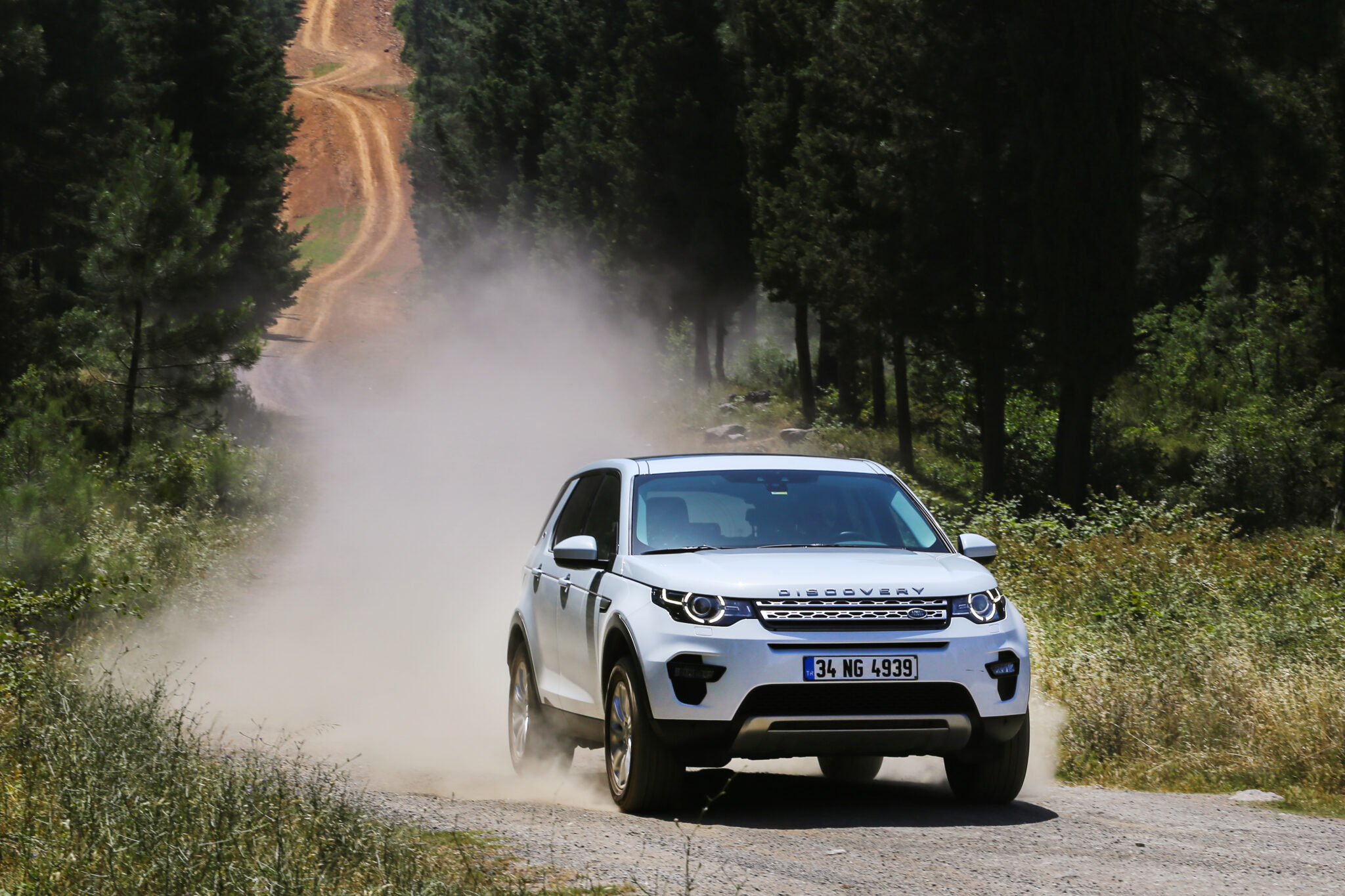
The allure of a Range Rover in your retirement years is understandable — these are genuinely luxurious vehicles with commanding presence and off-road capability few can match. Land Rover’s models offer sumptuous interiors and a driving position that makes you feel like automotive royalty cruising through your neighborhood.
Here’s the challenge: Consumer Reports routinely ranks Land Rover among the least reliable brands, with electrical gremlins and suspension issues appearing with frustrating regularity. A single repair visit can easily exceed $2,000, and depreciation hits these vehicles harder than most competitors.
While Land Rover ownership delivers a certain prestige, the financial reality often involves budgeting for unexpected repairs that can disrupt fixed-income planning.
Maserati
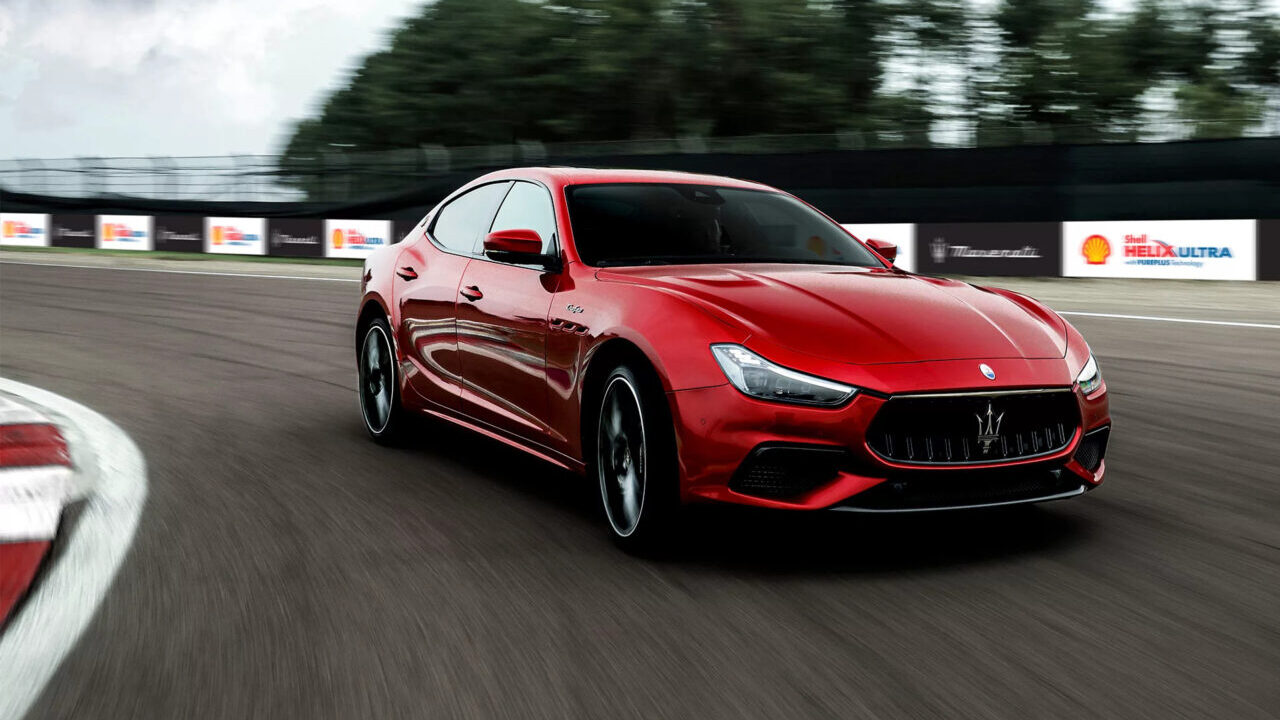
Maserati occupies a unique space in the automotive world, offering Ferrari-adjacent prestige without quite the same price tag. The Italian marque’s vehicles feature gorgeous styling and exhaust notes that could make angels weep, particularly in models with their legendary V8 engines.
The problem emerges when you consider that Maserati dealerships are sparse across America, with some states having only one or two service points. Maintenance intervals come quickly, and routine services often cost what you’d expect from exotic car territory rather than luxury sedan pricing.
When reliability issues arise — and they tend to with concerning frequency — you’re looking at potentially long waits for parts and repairs that can stretch into weeks.
Jaguar

Jaguar has made genuine strides in quality over the past decade, and their current lineup includes some truly attractive vehicles that blend British elegance with modern technology. The F-PACE SUV has found considerable success in the market, and the brand’s sedans still turn heads with their distinctive styling.
Despite these improvements, Jaguar continues struggling with reliability ratings that fall below average in most industry surveys. Ownership costs tend to run higher than comparable German or Japanese luxury vehicles, particularly once the warranty expires.
Additionally, Jaguar’s uncertain future as it transitions to an all-electric luxury brand creates questions about long-term parts support and resale values that retirees should factor into their decisions.
Fiat

Fiat’s return to the American market generated excitement with the charming 500 and the surprisingly capable 500X crossover. These Italian imports offer personality and fuel efficiency in compact packages that work well for city driving and parking in tight spaces.
Unfortunately, the 124 Spider and other models have experienced reliability issues that resulted in some of the lowest ratings in their respective segments. The bigger concern for retirees is that Fiat announced plans to exit the U.S. passenger car market, leaving future owners facing questions about parts availability and service support.
Finding qualified technicians who understand these vehicles can already be challenging outside major metropolitan areas, and that situation isn’t improving with the brand’s reduced presence.
Smart

Smart created an interesting niche with its diminutive city cars that could park almost anywhere and delivered impressive fuel economy. The fortwo became an icon of urban mobility, offering quirky European design and the ability to squeeze into parking spots that left other drivers jealous.
However, Smart officially withdrew from the U.S. and Canadian markets in 2019, meaning any used Smart car you’re considering comes with no manufacturer support whatsoever. Parts sourcing has become increasingly difficult, and finding mechanics willing to work on these specialized vehicles presents ongoing challenges.
While used Smart cars appear temptingly affordable, the total cost of ownership for retirees who value convenience and reliable service access tells a less appealing story.
Volkswagen

Volkswagen might surprise you on this list, as the German giant builds millions of reliable vehicles globally and has loyal fans across America. Modern VWs offer excellent driving dynamics, refined interiors, and often generous standard equipment that makes them competitive with Japanese rivals.
The issue for retirees centers on higher-than-average maintenance costs, particularly as these vehicles age beyond their warranty periods. Timing chain and water pump replacements can run $2,000-$3,000, while VW’s turbocharged engines, though efficient, sometimes require expensive repairs that naturally aspirated competitors avoid.
Volkswagen reliability has improved significantly, but when repairs are needed, they tend to cost more than equivalent Honda or Toyota fixes — a consideration that matters when budgeting retirement expenses carefully.
Mini

Mini has carved out a devoted following by offering go-kart handling in a premium small package with endless customization options. These BMW-engineered vehicles deliver genuine driving pleasure and a sense of community among owners that few brands can match.
The reality check comes when you examine reliability data showing Minis consistently ranking below average, particularly regarding engine and transmission issues. Repair costs reflect BMW parts pricing rather than what you’d pay for mainstream compact cars, and the brand’s turbocharged engines have experienced problems including timing chain failures that require expensive repairs.
For retirees who genuinely love the Mini experience, budgeting an extra $1,500-$2,500 annually for maintenance beyond routine service is prudent planning.
Audi

Audi builds some of the most technologically advanced and beautifully crafted vehicles in the luxury segment, with interiors that set industry benchmarks. The German brand’s Quattro all-wheel-drive system delivers confidence in challenging weather, making these vehicles particularly popular in northern climates.
Where Audi presents challenges for retirees is in long-term ownership costs that escalate significantly once vehicles pass their warranty coverage. The brand’s complex electronics and tightly packaged engines mean labor costs run high even for routine maintenance items.
Oil changes can exceed $150 at dealers, and repairs like replacing a water pump might require removing the front of the vehicle, turning what would be a modest repair on other brands into a $1,500-$2,000 project.
Porsche
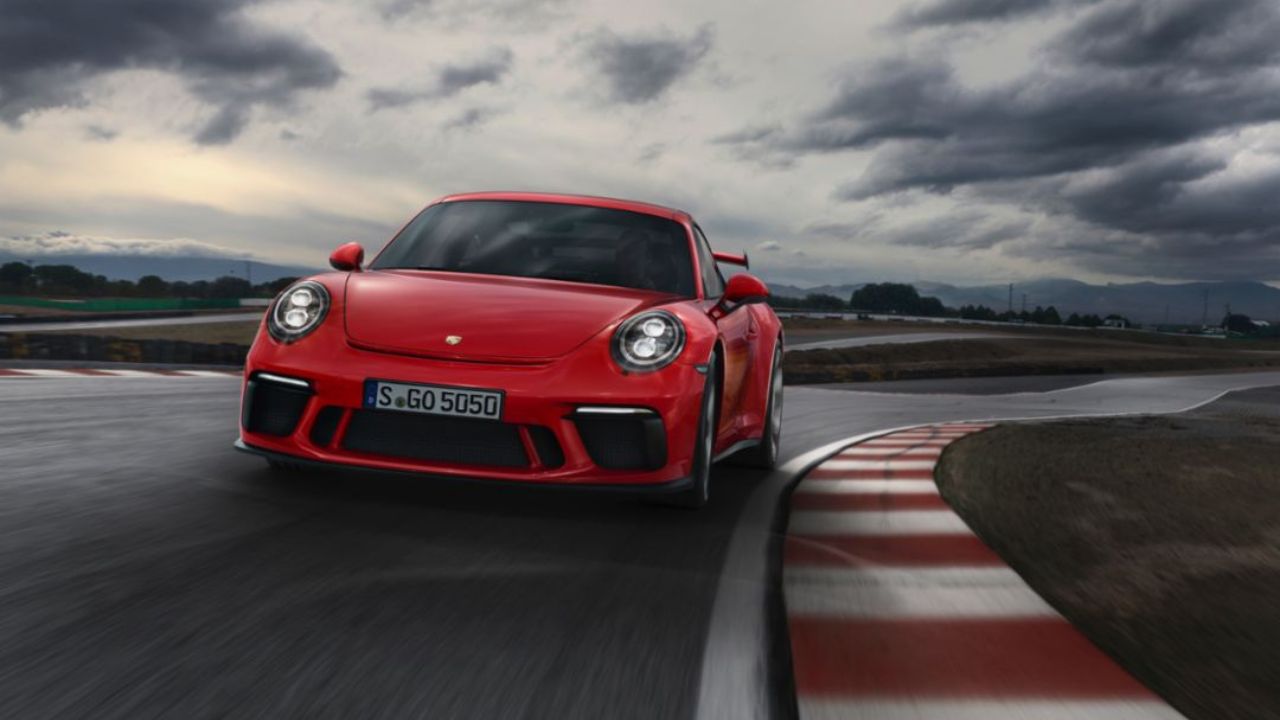
Porsche represents automotive excellence in ways few manufacturers can claim, building sports cars and SUVs that blend thrilling performance with surprising daily usability. The 911 remains an icon that’s been refined over six decades, while the Cayenne and Macan have proven that Porsche can create compelling SUVs without diluting the brand’s sporting DNA.
What makes Porsche tricky for retirees isn’t reliability — these are generally well-built machines — but rather the premium attached to everything wearing the crest. Routine maintenance like brake jobs can easily hit $2,000-$3,000 due to high-performance components, and even oil changes at dealers often exceed $300.
Parts pricing reflects exotic car territory, and while Porsches hold their value remarkably well, that also means entry costs stay high even for older models that still demand premium maintenance budgets.
Saab
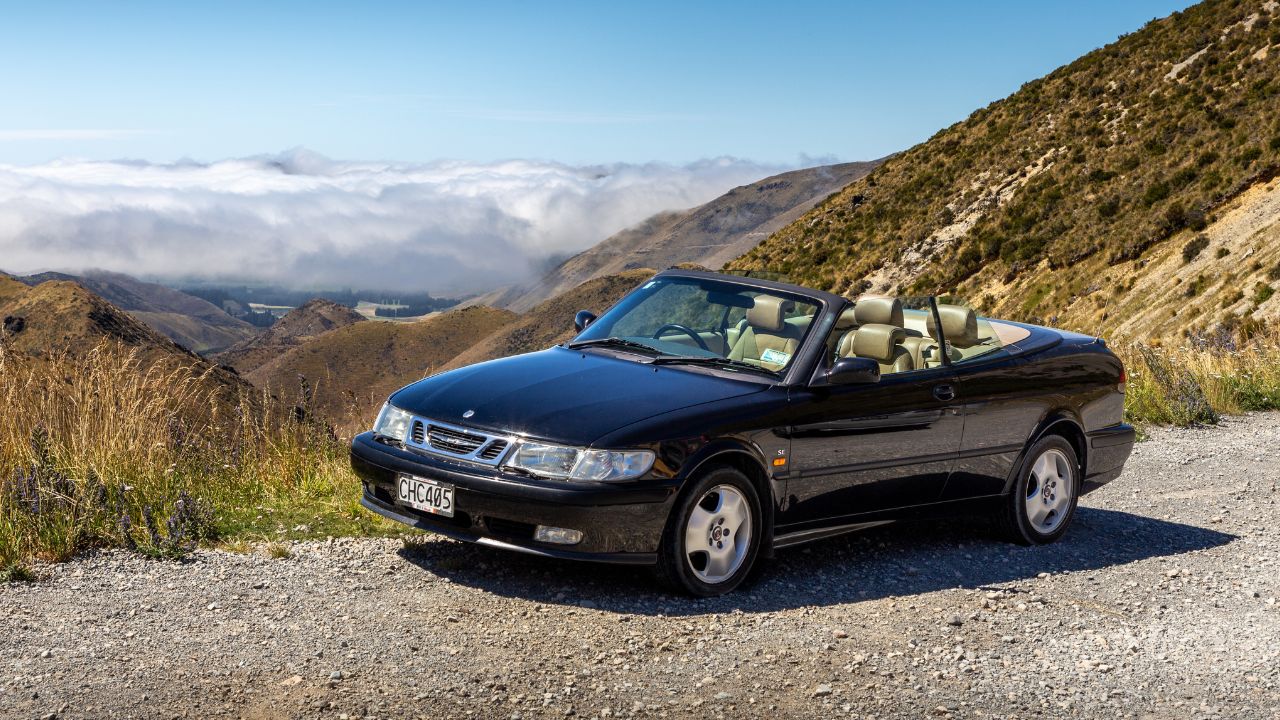
Saab declared bankruptcy in 2011, ending production of these quirky Swedish vehicles that inspired fierce loyalty among their owners. The brand built genuinely safe, comfortable cars with unusual features like floor-mounted ignition switches and night panel lighting that reflected Saab’s aviation heritage.
The challenge for any retiree considering a used Saab is that manufacturer support vanished over a decade ago, making parts increasingly scarce and expensive. While enthusiast communities maintain excellent knowledge bases and some aftermarket support exists, finding mechanics willing to work on discontinued brands becomes progressively harder.
Saab’s turbocharged engines were generally robust, but when repairs are needed, sourcing components can involve international ordering and extended wait times that leave you without transportation for frustrating stretches.
BMW
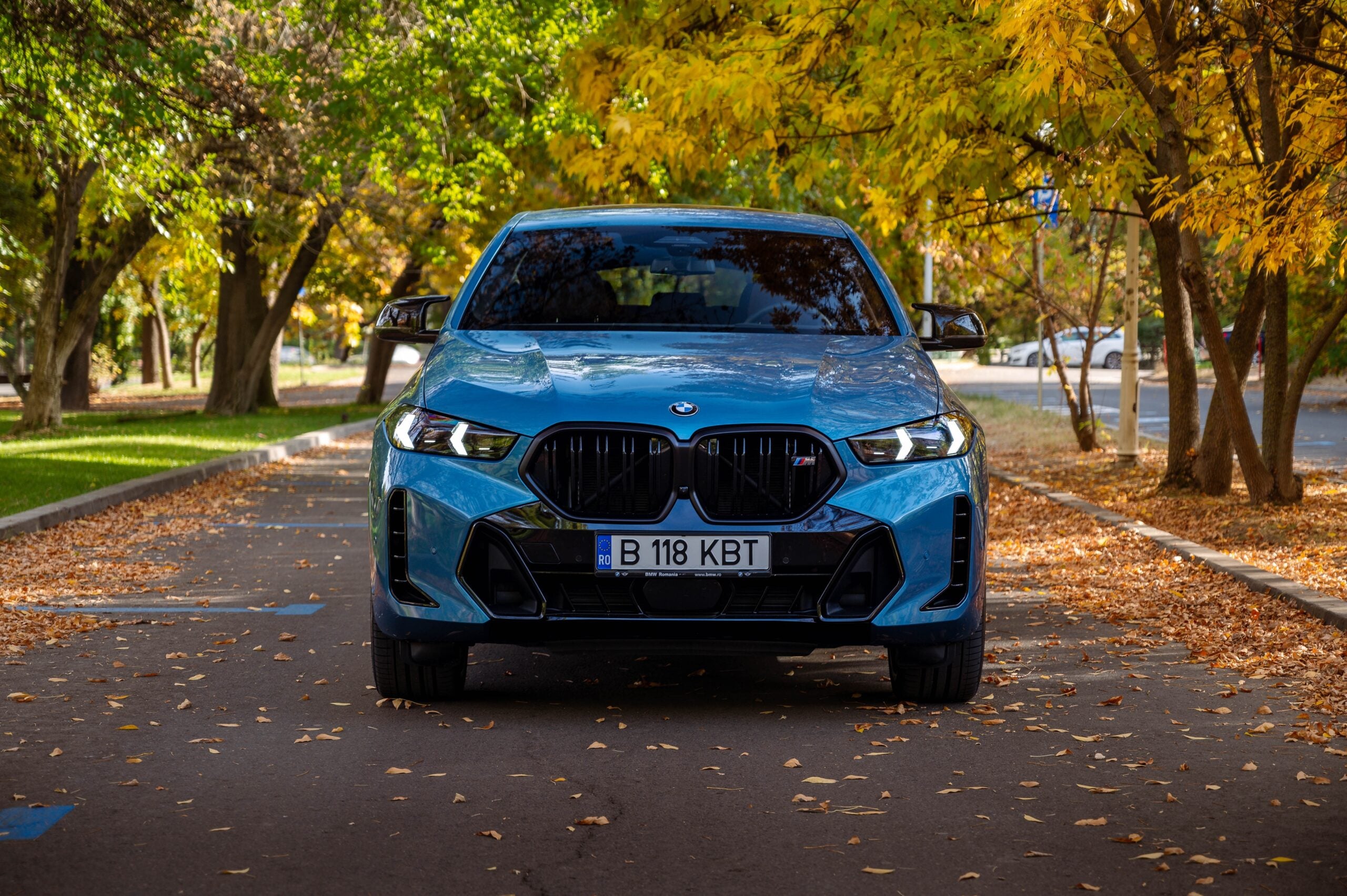
BMW represents the ultimate driving machine for good reason, building vehicles that deliver engaging performance and handling that rewards skilled drivers. The German manufacturer’s lineup spans from practical compact cars to luxurious sedans and SUVs that compete at the top of their segments.
Where BMW becomes concerning for retirees is the brand’s philosophy of engineering complex systems that require specialized knowledge and expensive repairs. Cooling system components often need replacement around 80,000 miles at costs exceeding $2,000, while electrical issues can be expensive to diagnose and repair. Additionally, BMW’s newer models increasingly push technology features through subscription services, raising questions about long-term costs.
While BMWs deliver exceptional driving experiences, the total cost of ownership typically exceeds Japanese luxury brands by substantial margins.
Conclusion

Understanding which European carmakers present challenges for retirees doesn’t mean these brands build bad vehicles — many create some of the world’s finest automobiles. The key is recognizing that retirement requires balancing passion with practicality, especially when unexpected repair bills can significantly impact fixed incomes.
Japanese and Korean luxury brands often deliver similar prestige and features with better reliability ratings and lower ownership costs, making them worth serious consideration. If your heart is set on European luxury, buying certified pre-owned with extended warranties provides some protection against the higher maintenance costs these vehicles typically demand.
Ultimately, the best retirement vehicle is one that brings joy without causing financial stress, letting you focus on enjoying your well-earned freedom rather than worrying about your next service appointment.