Every car tells a story from nose to tail, but some stories have disappointing endings. While designers obsess over creating that perfect first impression with striking front fascias and sculpted profiles, they sometimes phone it in when it comes to the rear view. This is unfortunate, considering the back of your car is what fellow drivers stare at for miles in traffic jams; making it arguably more important than that show-stopping grille.
The automotive world is littered with vehicles that had everything going for them: beautiful proportions, elegant lines, maybe even legendary performance. Then you walk around to the back and wonder if the design team went to lunch and left the intern in charge. These rear-end disasters didn’t just disappoint enthusiasts: they became the stuff of parking lot conversations and internet memes.
A well-executed rear end should complement the front, creating visual harmony that makes you want to follow the car just to keep admiring it. Instead, these nine cars make you want to overtake them as quickly as possible, not because they’re slow, but because looking at their backsides is genuinely painful. Let’s dive into automotive history’s most regrettable rear views.
Where Design Missed the Exit
I know why you’re here: you want to hear me roast more vehicles. The thing is, these cars are actually pretty spectacular when it comes to their design and performance. The issue? You may want to back in every time you go to a car show. We can’t ignore these missed opportunities so we examined vehicles across different eras and price points, focusing on models where the rear design fundamentally betrayed the promise of everything else.
Our criteria included proportion disasters (looking at you, stubby trunks and endless overhangs), lighting failures (tail lamps that seem to have wandered off from a completely different vehicle), and overall cohesion breakdowns. We also considered how these design choices affected public perception. After all, you can forgive cheap interior plastics or modest horsepower, but an ugly rear end follows you everywhere — literally.
The cars on this list represent a special category of automotive disappointment: vehicles that had genuine merit but will forever be remembered for their posterior problems. They’re proof that in car design, as in life, it’s not how you start: it’s how you finish.
Pontiac Aztek

Let’s start with the obvious one. The Pontiac Aztek didn’t just have a bad rear end — it had a rear end so catastrophically ugly it became cultural shorthand for design failure. This was GM’s attempt at creating a “lifestyle vehicle” for active families, with “lifestyle” referring to those who love to get rear-ended by pickup trucks.
The Aztek’s posterior featured a bizarre split-window design that made the back look like it was wearing poorly fitted pants. The plastic cladding that awkwardly wrapped around the wheels seemed to metastasize across the entire rear section like some sort of automotive disease. The tail lights appeared to be suffering from an identity crisis, unsure whether they belonged on an SUV or a space station.
Here’s the kicker: underneath that challenging exterior was actually a pretty competent vehicle. The Aztek offered genuine utility with its configurable cargo area, decent ride quality, and available all-wheel drive. Owners appreciated features like the removable center console that doubled as a cooler and the available tent package that turned your Aztek into a camping base station. But none of that mattered because every time they walked away from their vehicle, they were reminded they were driving something that looked like it had been assembled from spare parts during a design team’s fever dream.
The Aztek has since achieved cult status partly due to its starring role in “Breaking Bad,” proving that even ugly cars can find redemption in popular culture. Still, when automotive historians discuss design disasters, the Aztek’s rear view remains Exhibit A.
Ferrari 612 Scaglietti
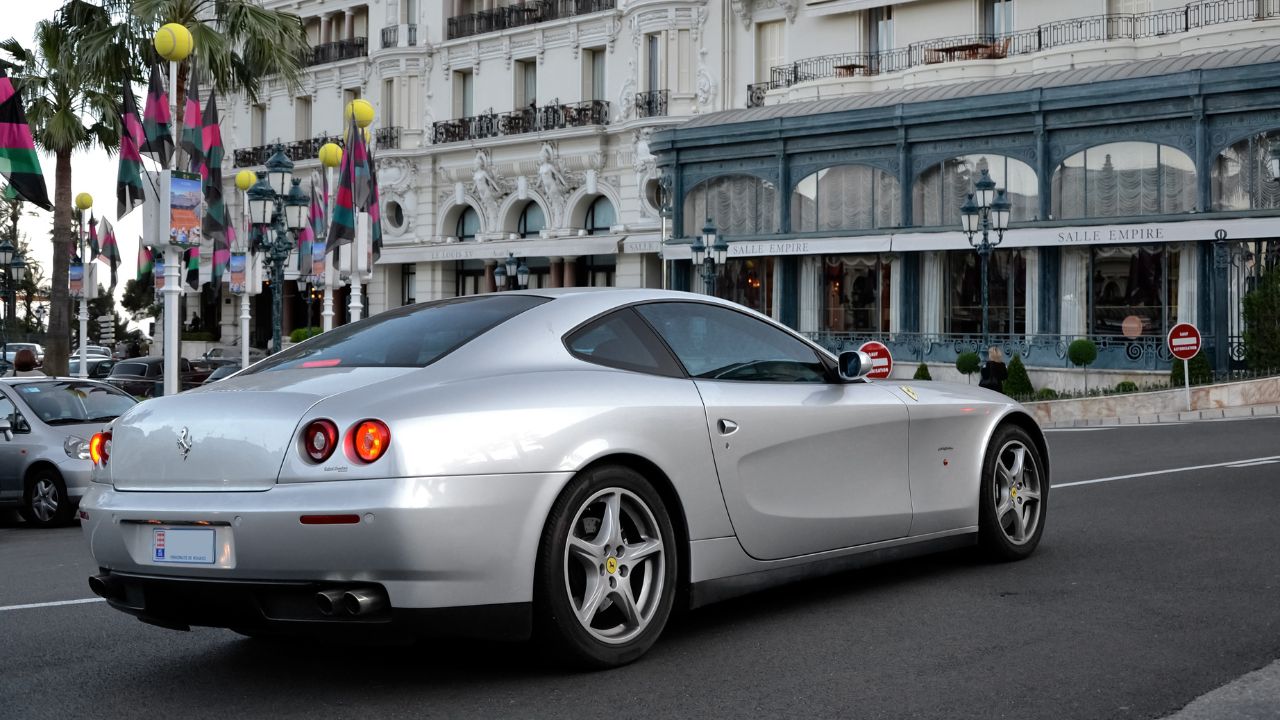
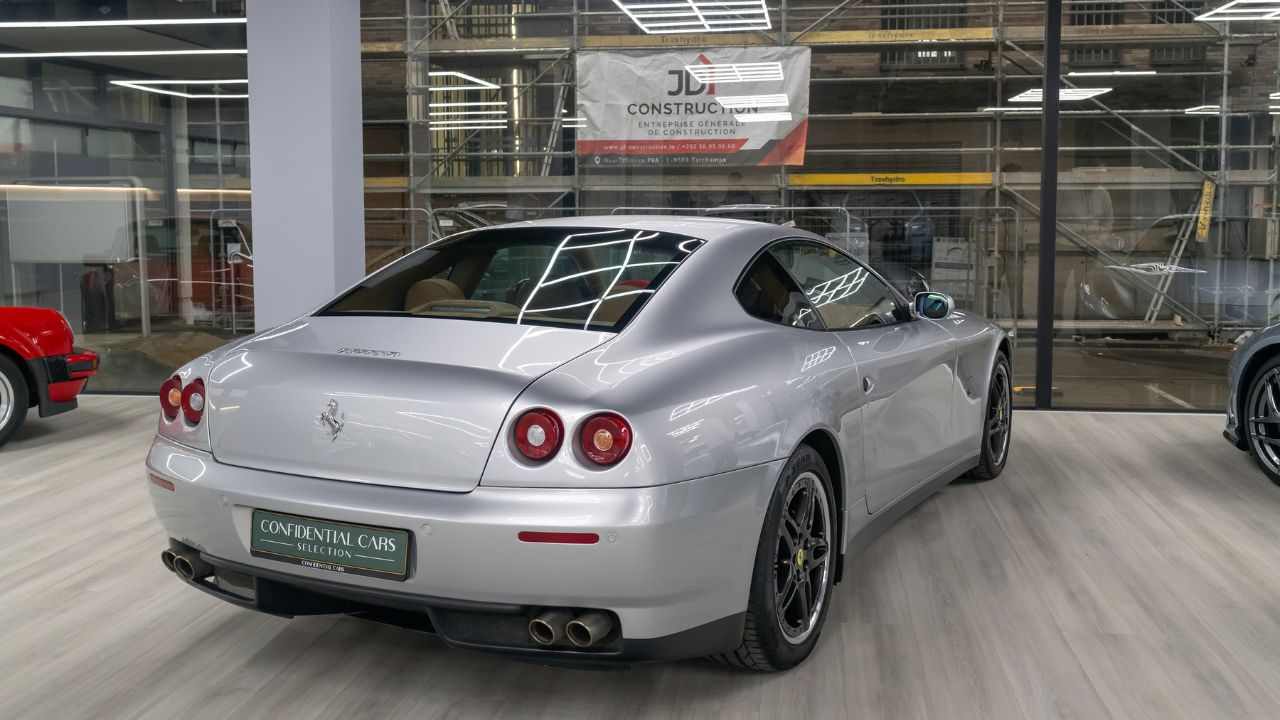
When Ferrari messes up a rear end, it’s not just disappointing: it’s practically a crime against automotive aesthetics. The 612 Scaglietti was Ferrari’s grand touring statement, a 2+2 designed to eat up highway miles while delivering that signature Maranello magic. It succeeded brilliantly at being fast, comfortable, and sophisticated. Then you looked at it from behind and wondered if Pininfarina had outsourced the rear design to their intern’s cousin.
The 612’s front was pure Ferrari poetry: long hood, muscular fenders, and that unmistakable prancing horse confidence. The side profile was equally stunning, with a roofline that flowed like liquid metal and proportions that screamed Italian excellence. But the rear? Imagine if someone took a beautiful Ferrari design and just… stopped trying about three-quarters of the way through.
The tail lights were arranged in four small, round clusters that looked lost in the vast expanse of sheet metal. They resembled the taillights from a much smaller, cheaper car that had somehow gotten stuck on a $300,000 Ferrari. The trunk was massive, managing to look both bulky and boring — a remarkable achievement in mediocrity for a company that had given us the Daytona, the F40, and the 250 GTO.
Ferrari sold just over 3,000 examples of the 612 during its seven-year run, making it relatively rare. Today, it’s actually a pretty good value in the Ferrari world, partly because that rear view kept many buyers away. Collectors are starting to appreciate the 612’s front-engine V12 character and genuine GT capabilities, but that back end will forever be the elephant in the room, or should we say, the awkward rear end in the garage.
Toyota Prius (Second Generation)
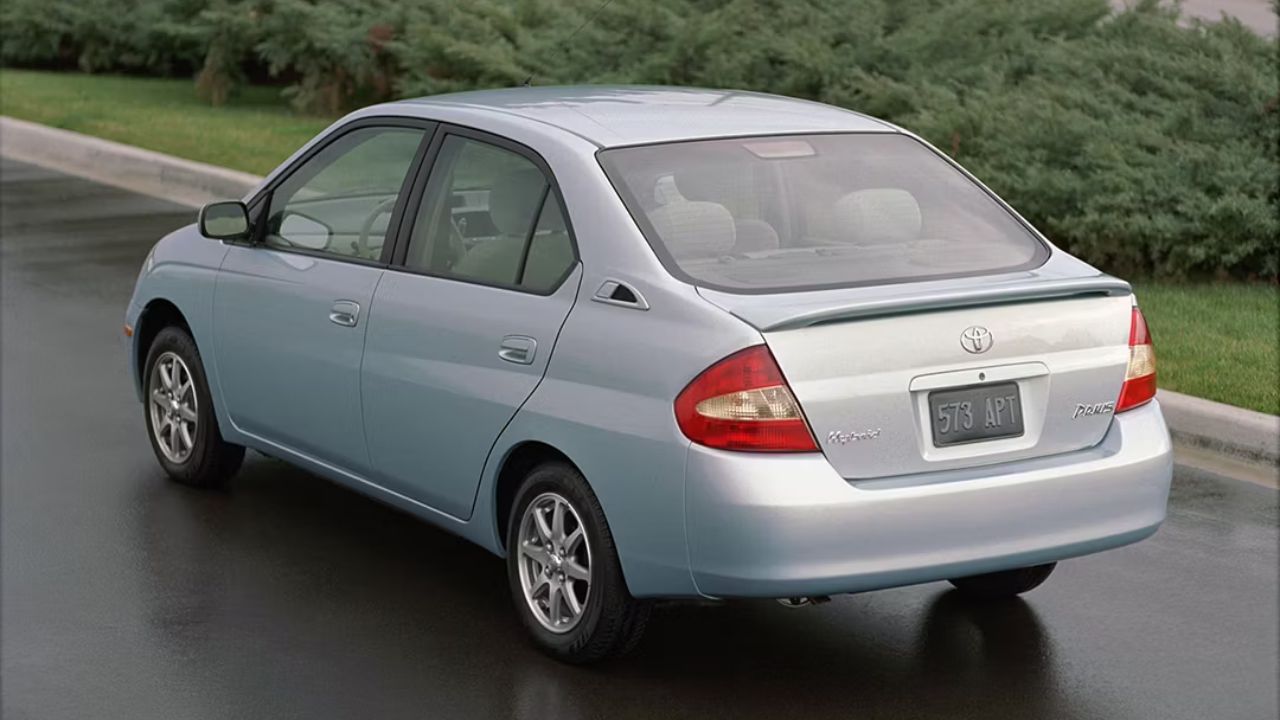
The second-generation Prius changed the world by making hybrid technology mainstream, but it also traumatized an entire generation of design enthusiasts with its posterior. The Prius rear end was aggressively, almost militantly weird, like Toyota’s designers were making a statement about rejecting conventional automotive aesthetics.
The infamous “Kammback” rear end was supposedly all about aerodynamics, and to Toyota’s credit, the Prius did achieve an impressive 0.26 coefficient of drag. But there’s aerodynamic efficiency, and then there’s looking like you’ve been rear-ended by a geometric theorem. The steep angle of the rear window, combined with the abrupt cutoff of the body, created a profile that seemed to violate several laws of visual harmony.
The rear lights were integrated into the design reasonably well, but they couldn’t distract from the fundamental awkwardness of the car’s proportions. From behind, the Prius looked tall, narrow, and unfinished; like someone had started designing a normal car and then just gave up halfway through the trunk.
Here’s what Toyota got right: the Prius delivered real-world fuel economy that embarrassed much larger, more expensive cars. Early adopters were getting 45+ mpg in mixed driving when most SUVs struggled to hit 20. The interior was surprisingly spacious and practical, with clever packaging that maximized passenger and cargo space. Plus, there was something genuinely satisfying about silently creeping through parking lots in electric mode, feeling smugly superior to all those gas-burning peasants.
None of that changed the fact that the Prius looked like it had been designed by engineers who viewed aesthetic beauty as an unnecessary frivolity. The rear end became so iconic that it spawned countless jokes and memes, ultimately becoming one of the most recognizable (if not beloved) shapes in automotive history. Love it or hate it, you definitely couldn’t ignore it.
Chrysler PT Cruiser Convertible

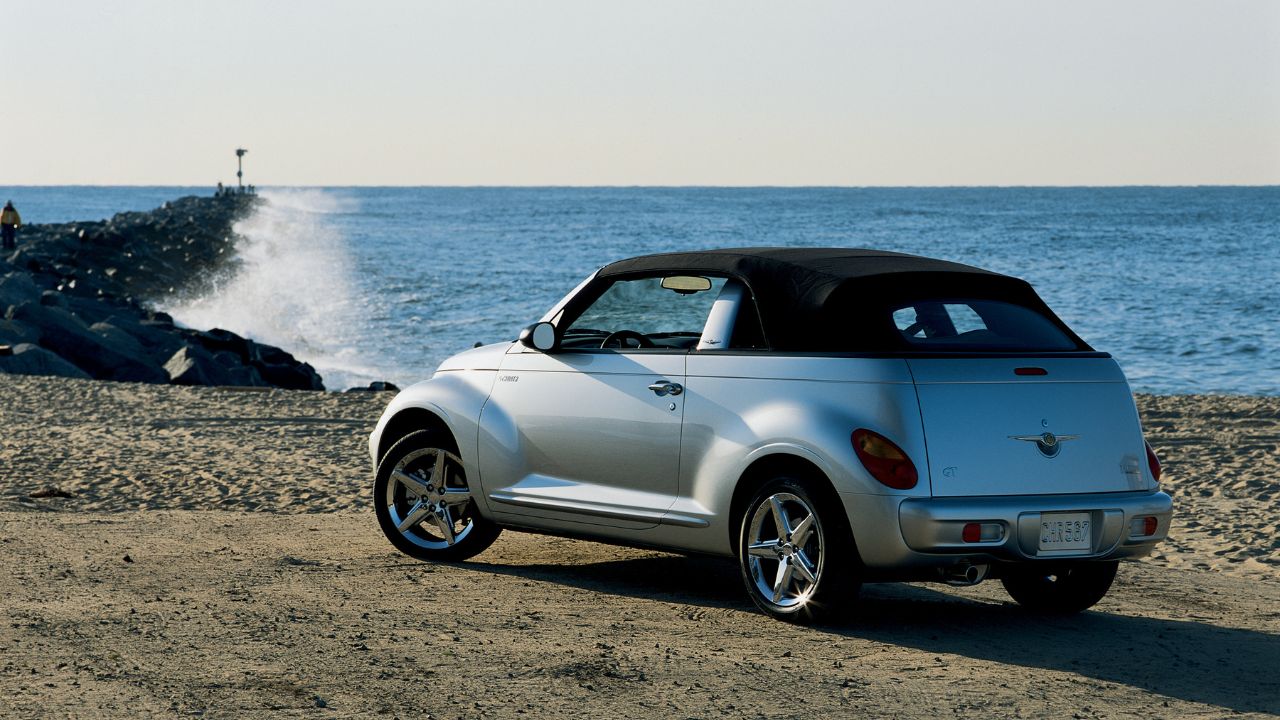
The PT Cruiser was already a polarizing design when Chrysler decided to make it worse by chopping off the roof. The regular PT Cruiser had its fans — the retro styling was genuinely charming in a kitschy, throwback sort of way, and the interior was surprisingly practical. But the convertible version took the car’s already questionable proportions and made them actively offensive.
The problem wasn’t just that they removed the roof; it’s that they seemingly forgot to redesign anything else to compensate. The result was a car with a stubby, truncated rear end that looked like it had been involved in a low-speed collision with a wall. The soft top mechanism required a bulky storage area that made the trunk opening ridiculously small and oddly shaped, turning what should have been a practical small car into a cargo-carrying disaster.
The tail lights tried their best to maintain that retro charm, but they ended up looking oversized and desperate, like they were trying to draw attention away from the mess above them. The overall rear proportions were so wrong that the car looked unfinished, as if Chrysler had run out of sheet metal and decided to call it good enough.
Sales numbers told the story: while the regular PT Cruiser found nearly 1.4 million buyers over its decade-long run, the convertible version managed only about 25,000 sales in its four-year lifespan. Buyers apparently appreciated retro styling but drew the line at retro proportions that looked like they came from the era when people thought the Edsel was a good idea.
Today, PT Cruiser convertibles are curiosities at car shows, appreciated more for their boldness than their beauty. They represent a time when Chrysler was willing to take risks with design, even if those risks didn’t always pay off. The rear end remains a fascinating study in how good intentions and creative ambition can go spectacularly wrong.
Rover 75
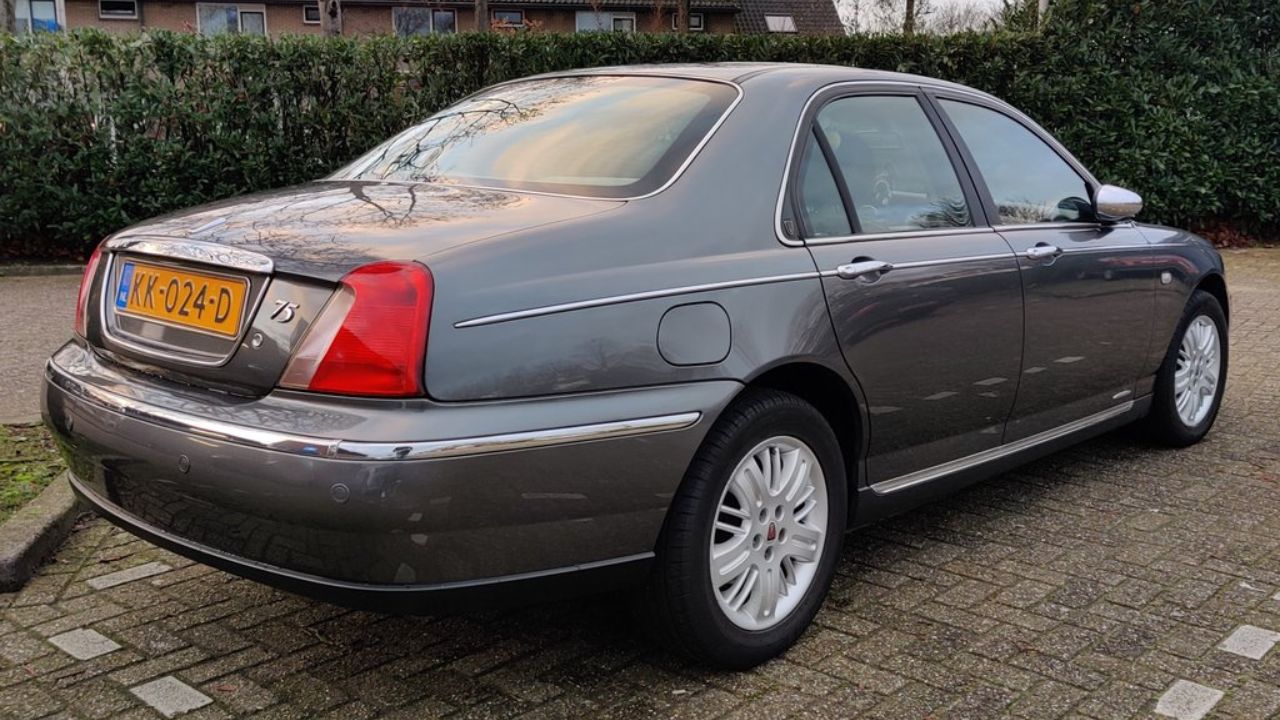
The Rover 75 was supposed to save the British automotive industry, or at least give it some dignity in its final act. In many ways, it succeeded: the front end was genuinely handsome, with elegant headlights and a grille that paid proper homage to Rover’s heritage without looking like a museum piece. The interior was a masterclass in British luxury, with beautiful wood veneers, soft leather, and a dashboard design that felt both traditional and contemporary.
Then you walked around to the back and discovered that someone had apparently mistaken this luxury sedan for a 1980s economy car. The rear end was bizarrely tall and narrow, with tail lights that looked like they’d been borrowed from a much smaller, cheaper vehicle. The trunk was enormous, which should have been a good thing, but the execution made the whole rear section look disproportionate and ungainly.
The problem was timing: the 75’s rear design looked dated even when it was new. In an era when competitors like the BMW 3 Series and Mercedes C-Class were showcasing sleek, modern rear proportions, the Rover looked like it had time-traveled from the Thatcher administration. The high beltline and narrow glass area might have been acceptable in 1985, but by 1999, they just looked old-fashioned.
Performance-wise, the Rover 75 was actually pretty decent. The V6 models offered smooth power delivery and refined road manners, while even the base four-cylinder cars were comfortable and well-mannered. The ride quality was particularly impressive, with suspension tuning that absorbed road imperfections while maintaining decent handling dynamics. But none of that mattered when the car’s appearance suggested it belonged in a different decade.
The 75’s production ended when MG Rover collapsed in 2005, marking the end of mass-production British car manufacturing. Today, good examples are becoming increasingly rare and are appreciated by enthusiasts who value their quirky British character. The rear end is still awkward, but it’s now part of the car’s charm rather than a deal-breaker.
Jaguar XJ220

This one hurts because the XJ220 was genuinely magnificent in almost every way that mattered. It was one of the fastest production cars ever built, capable of 217 mph thanks to its twin-turbo V6 engine producing 542 horsepower. The handling was sublime, the build quality was exceptional, and the front three-quarters view was absolutely stunning. Then you looked at it from behind and wondered if Jaguar had run out of design budget.
The XJ220’s rear end wasn’t offensively ugly — it was just disappointingly bland. For a car that cost over $650,000 (in 1992 money), the rear view looked like it could have come from a mid-level sports car.
The rear wing was functional but understated, and the overall design lacked the visual drama you’d expect from what was essentially Jaguar’s halo supercar. This was a machine that could outrun a Ferrari F40, yet from behind it looked almost conservative. The exhaust outlets were properly dramatic, but they couldn’t compensate for the overall lack of visual excitement in the rear design.
Here’s what makes this particularly frustrating: Jaguar absolutely nailed the front end. The XJ220’s nose was aggressive, purposeful, and unmistakably Jaguar, with headlights that looked ready to devour the road ahead. The side profile was equally impressive, with muscular rear haunches and a roofline that perfectly balanced elegance with aggression. But that rear view? It was like the design team got tired and decided to just get the job done.
Only 275 XJ220s were built, making them incredibly rare and valuable today. Collectors pay millions for good examples, partly because of their rarity and partly because of their genuine performance credentials. However, even the most devoted XJ220 enthusiasts will quietly admit that the rear view has always been the car’s weakest angle.
Citroen C6
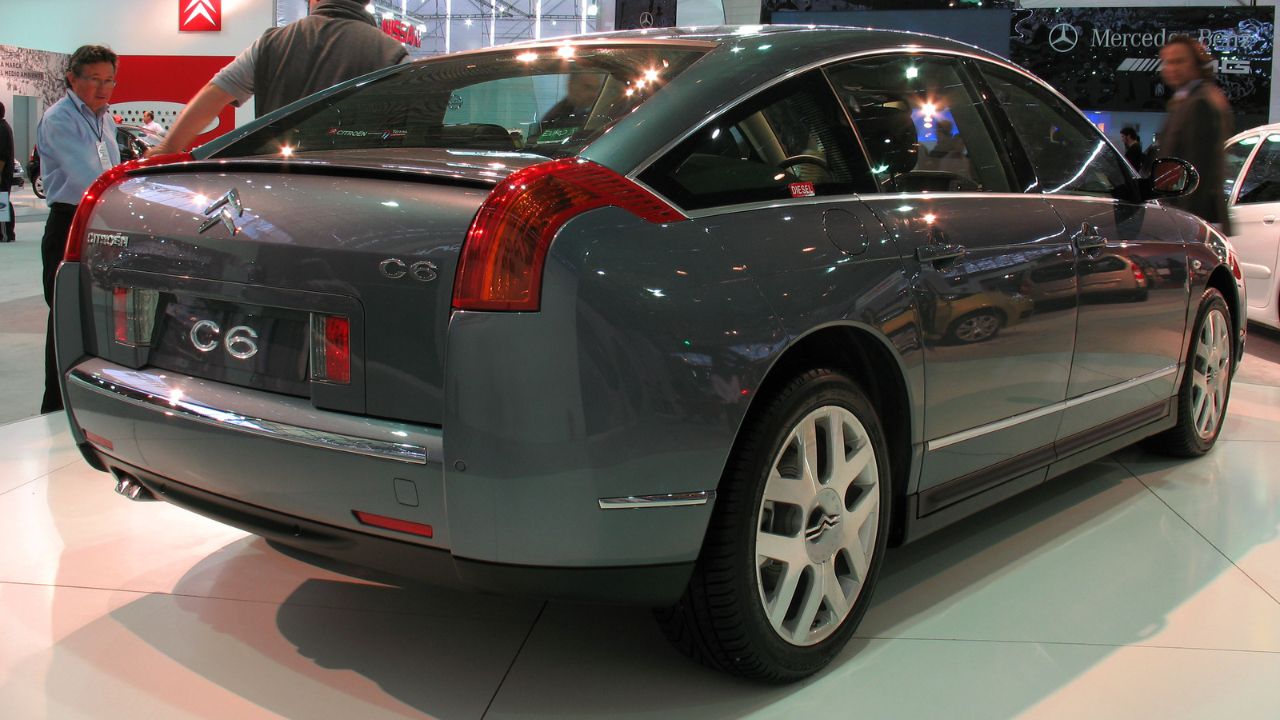
The Citroën C6 was meant to be the French answer to the German luxury sedan hegemony, and in many ways it succeeded brilliantly. The front end was gorgeous: long, elegant, and distinctly French in that way that made German executives nervously adjust their ties. The side profile was even better, with a roofline that seemed to flow like water and proportions that suggested both speed and sophistication.
The interior was a revelation, combining French design flair with genuine luxury materials and innovative technology. The hydropneumatic suspension system provided a ride quality that made Mercedes S-Classes feel harsh by comparison — this was a car that could glide over broken pavement like it was floating on air. The seats were supremely comfortable, the dashboard was beautifully designed, and the overall ambiance was both modern and distinctly Gallic.
Then you walked around to the back and discovered that someone had apparently replaced the elegant rear end with something from a completely different car. The trunk was enormous but somehow managed to look both bulky and droopy, like it was melting in slow motion. The tail lights were oddly shaped and positioned, creating visual confusion rather than the elegant conclusion the rest of the car promised.
The rear window was steeply angled, which was probably good for aerodynamics but terrible for visual harmony. Instead of the flowing lines that characterized the front and sides, the rear end looked chopped off and unresolved, as if the design team had simply run out of time and decided to call it finished.
Sales were predictably disappointing: Citroën managed to sell only about 23,000 C6s over seven years of production. Part of the problem was brand perception (French luxury cars have always been a tough sell), but the awkward rear styling certainly didn’t help. Today, the C6 is appreciated by enthusiasts who value its unique character and exceptional ride quality, but that rear end remains a topic of conversation at every gathering.
AMC Pacer
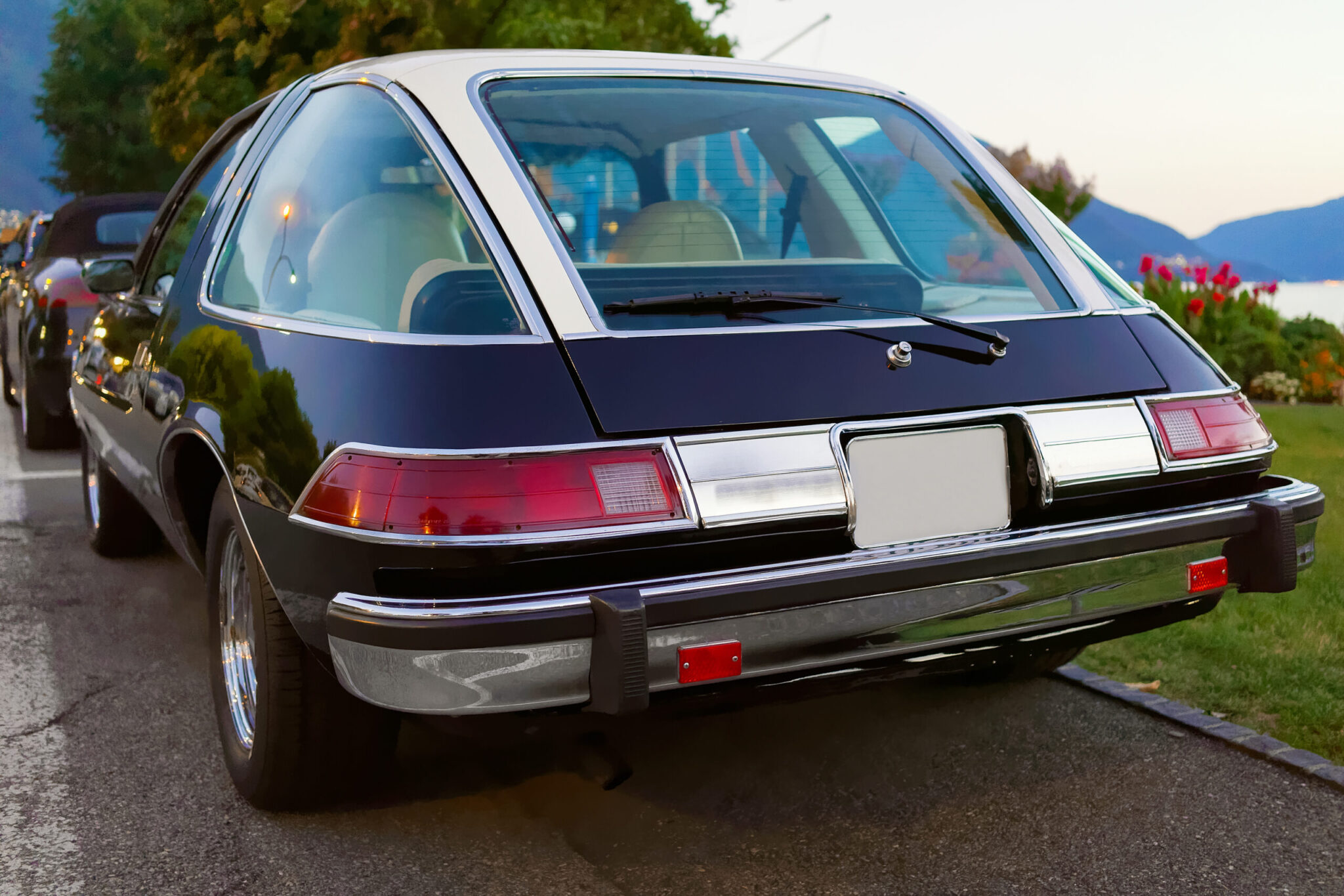
The AMC Pacer was supposed to revolutionize American automotive design with its wide-body proportions and extensive glass area. In theory, it was brilliant; a car designed around passenger space and visibility rather than traditional automotive proportions. In practice, it looked like a fishbowl on wheels, especially from the rear.
The Pacer’s posterior was dominated by that massive wraparound rear window, which provided excellent visibility but made the car look like it was perpetually surprised. The body was unusually wide for its length, creating proportions that seemed fundamentally wrong to eyes trained on conventional automotive design. The tail lights were small and seemed lost in the vast expanse of glass and metal.
AMC’s engineers actually got a lot right with the Pacer. The wide body provided genuinely spacious accommodations for passengers, the visibility was exceptional (you could see everything around you), and the build quality was solid. The available V8 engines provided decent performance, though fuel economy was predictably terrible during the height of the energy crisis.
But none of that mattered because the Pacer looked weird. Not just unusual or unconventional: actively, aggressively weird. The rear view was particularly challenging, making the car look more like a concept vehicle that had somehow escaped from an auto show than a serious production car.
The Pacer sold reasonably well in its first few years, with AMC moving over 100,000 units in 1975 and 1976. But sales dropped precipitously as buyers decided they valued conventional attractiveness over interior space and visibility. Production ended in 1980 after just 280,000 total sales; respectable numbers for AMC, but far short of the breakthrough success the company needed.
Today, the Pacer has achieved cult status thanks to its appearances in movies like Wayne’s World and its general status as a symbol of 1970s automotive weirdness. The rear end is still challenging, but it’s now appreciated as part of the car’s unique character rather than a design flaw.
Lancia Thesis
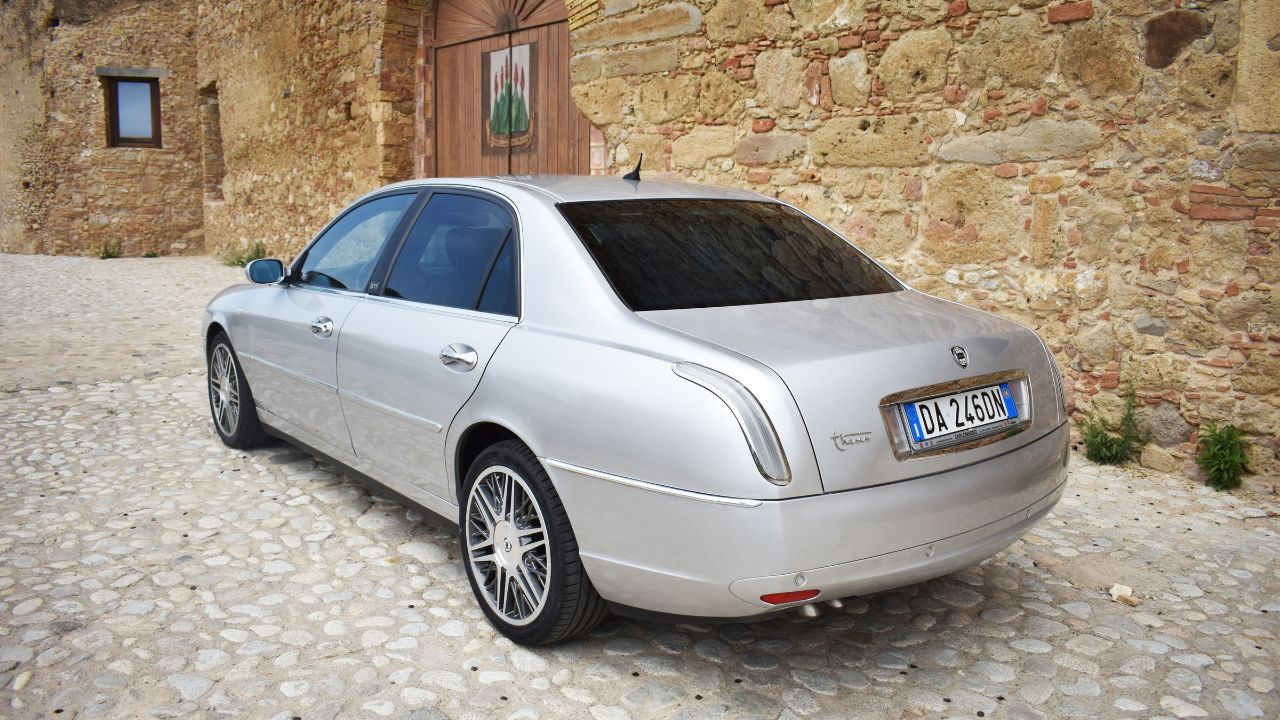
The Lancia Thesis was supposed to be Italy’s answer to the BMW 5 Series and Mercedes E-Class, combining Italian style with luxury amenities and advanced technology. In many ways, it succeeded: the interior was beautifully appointed with premium materials and innovative features, the ride quality was excellent, and the available engines provided smooth, refined performance.
The front end was distinctly Italian: elegant, sophisticated, and just different enough from German competitors to stand out without looking weird. The Thesis had presence and character, two qualities that German luxury sedans often struggled to achieve. The side profile was equally impressive, with proportions that suggested both sportiness and luxury.
Unfortunately, the rear end looked like it had been designed by a different team entirely. The trunk was unusually tall and narrow, creating proportions that seemed fundamentally wrong. The tail lights were oddly shaped and positioned, with a design language that didn’t relate to anything else on the car. Instead of the elegant conclusion you’d expect from an Italian luxury sedan, the rear looked experimental and unresolved.
The problem was particularly acute because Lancia had such a strong design heritage. This was the company that had created the beautiful Fulvia, the striking Stratos, and the elegant Aurelia. The Thesis rear end looked like it came from a company that had forgotten how to design beautiful cars.
Sales were disappointing even by Lancia’s modest standards. The company managed to sell fewer than 16,000 Thesis sedans over eight years of production; numbers that would have been considered a failure for most mainstream brands. The awkward styling certainly didn’t help in a competitive luxury market where appearance matters as much as engineering.
Today, the Thesis is appreciated by Italian car enthusiasts who value its unique character and advanced technology. The rear end is still problematic, but it’s now seen as part of the car’s quirky charm rather than a deal-breaker. Good examples are becoming increasingly rare, making them curiosities for collectors who appreciate automotive oddities.
Hate to Watch Them Leave

These nine cars prove that automotive design is like a chain and only as strong as its weakest link. Each of these vehicles had genuine merit: innovative technology, solid engineering, or distinctive character. But their rear-end failures overshadowed their strengths, creating lasting reputations that had more to do with aesthetics than actual capability.
The lesson here isn’t that ugly cars are necessarily bad cars; several of these vehicles were genuinely excellent in their intended roles. Rather, it’s that perception matters as much as reality in the automotive world. A car’s appearance shapes how people think about it, how they remember it, and ultimately how history judges it.
For enthusiasts, these cars represent fascinating case studies in how design can go wrong even when everything else goes right. They’re reminders that creating a beautiful car requires consistency and harmony: qualities that can’t be faked or fixed in the final stages of development.
Would you drive any of these cars despite their posterior problems? Many enthusiasts have, finding that good engineering and unique character can overcome awkward aesthetics. But there’s no denying that a beautiful rear end makes every departure more satisfying — and every arrival more impressive.
After all, in the automotive world as in life, how you leave is often more important than how you arrive.