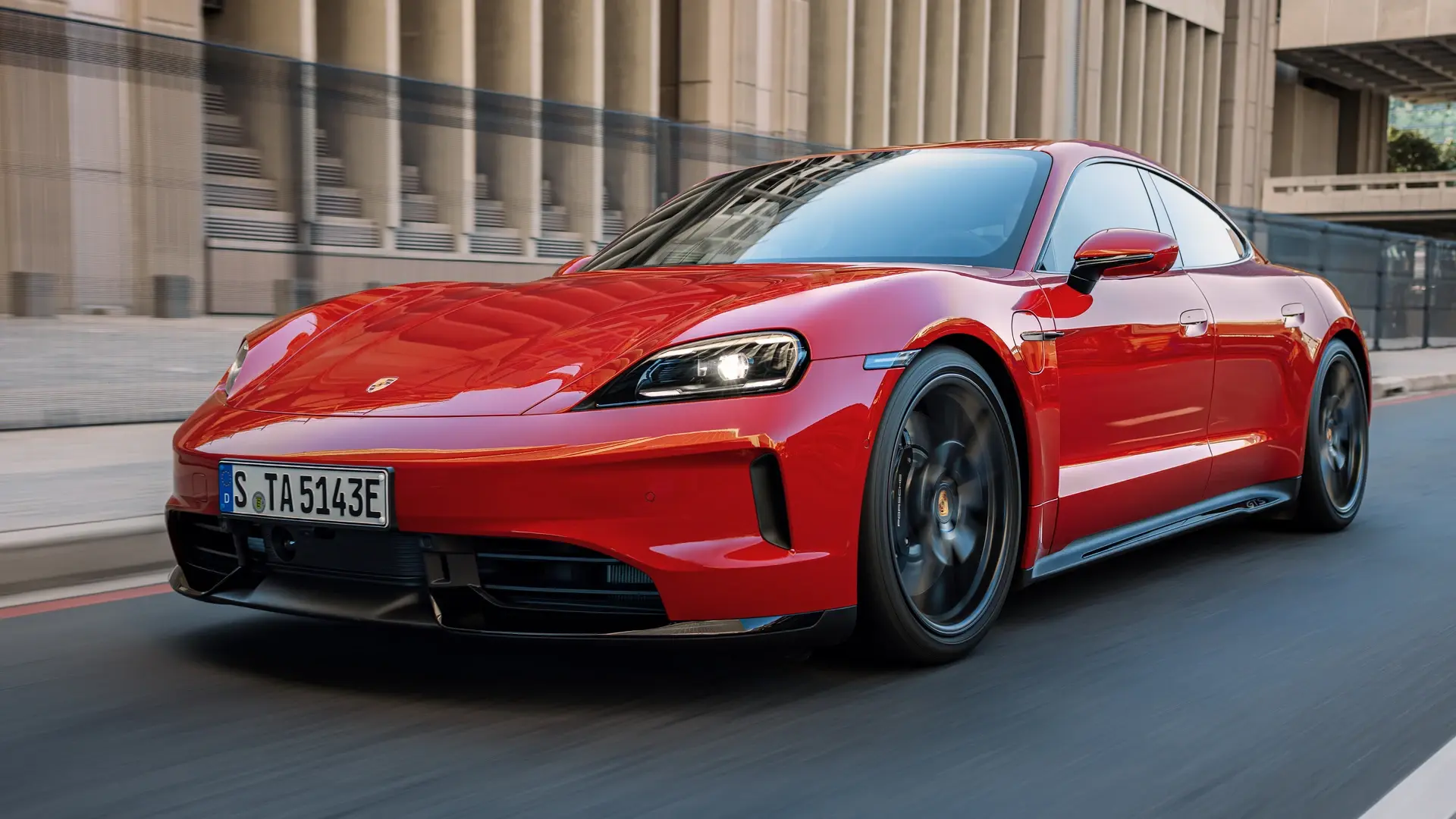
Porsche’s first production electric car could be approaching the end of the road. A new report from German business publication WirtschaftsWoche claims the automaker plans to discontinue Taycan production by 2030, potentially bringing an unexpectedly short lifespan to one of its most technically ambitious models.
The reported decision has not been officially confirmed by Porsche, making it important to treat the Taycan’s fate as unsettled for now. When Reuters approached the carmaker, a spokesperson declined to address the report directly and instead referenced CEO Michael Leiters’ July comments that Porsche had “no plans to discontinue the Taycan in the short term.”
There is still plenty of space between keeping the Taycan alive in the immediate future and ending production before 2030. WirtschaftsWoche also reports that Porsche has abandoned plans to transfer Taycan assembly from its Stuttgart-Zuffenhausen home to the company’s Leipzig factory, which would represent another significant change in direction.
The timing is difficult to ignore because Taycan production has fallen sharply as Porsche reassesses its wider electric-vehicle strategy. Official company figures show Porsche built only 11,510 Taycans in 2025, down from 21,302 in 2024, a decline of nearly 46 percent in a single year.
Taycan Sales Have Lost Momentum
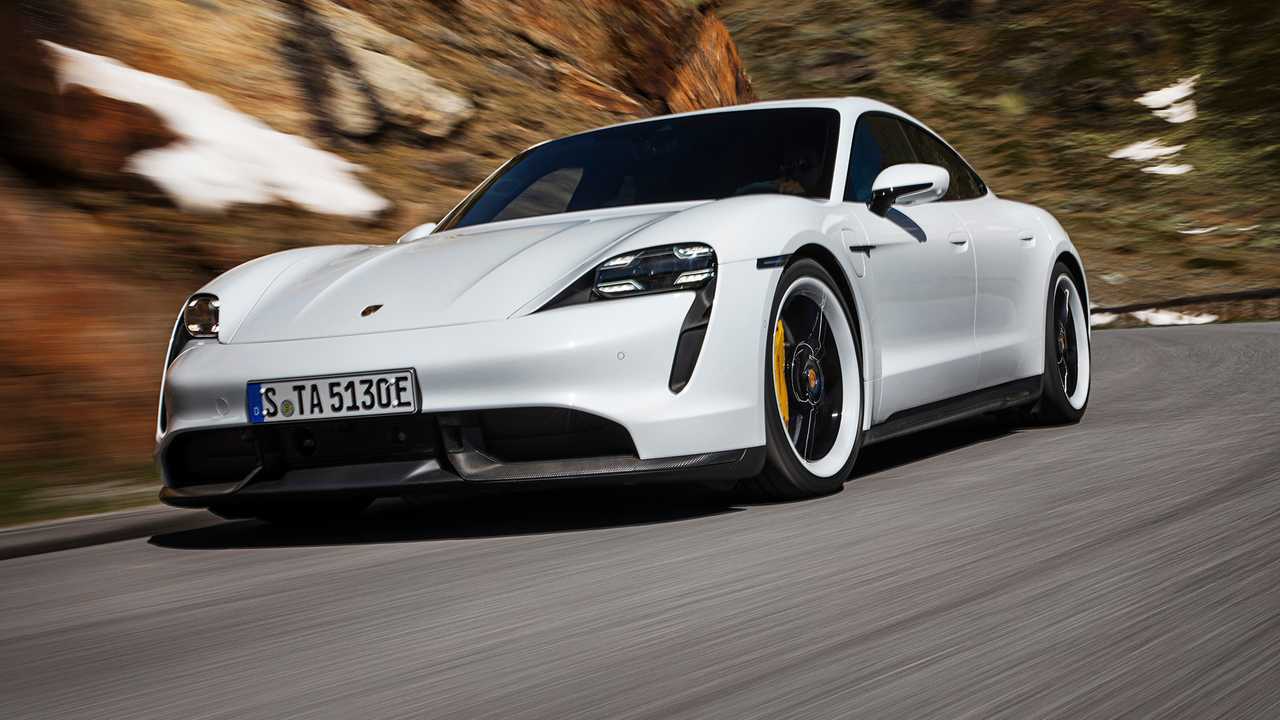
Deliveries have also been moving in the wrong direction, although the decline was less severe than the production drop. Porsche delivered 16,339 Taycans globally in 2025, 21.6 percent fewer than the 20,836 vehicles delivered during 2024.
That does not mean Porsche buyers have suddenly lost interest in electric vehicles altogether. The battery-electric Macan recorded 45,367 deliveries during 2025, helping increase fully electric vehicles to 22.2 percent of Porsche’s overall automotive mix.
The contrast illustrates one of the Taycan’s biggest challenges: buyers increasingly favor SUVs, and Porsche now has an electric option in that far larger segment. A high-performance electric sedan remains an appealing proposition for enthusiasts, yet its potential customer base is inherently narrower than that of an electric Macan.
Porsche Is Rethinking Its EV Strategy
Any decision to end the Taycan would also arrive during a much more extensive strategic reset at Porsche. The automaker said its 2025 product realignment involved postponing certain future EVs while extending the availability of combustion-powered and hybrid vehicles.
That adjustment has been expensive, as Porsche reported operating profit of €413 million in 2025, down dramatically from €5.637 billion the previous year, while costs associated with product-strategy changes, battery activities, tariffs and difficult market conditions weighed heavily on its results.
Porsche has also acknowledged particularly intense competition for electric vehicles in China, one of several pressures facing the company. Rather than pursuing its earlier electrification plans unchanged, the manufacturer is now attempting to balance EV development with continued demand for hybrids and combustion models.
Killing The Taycan Would Carry Symbolic Weight
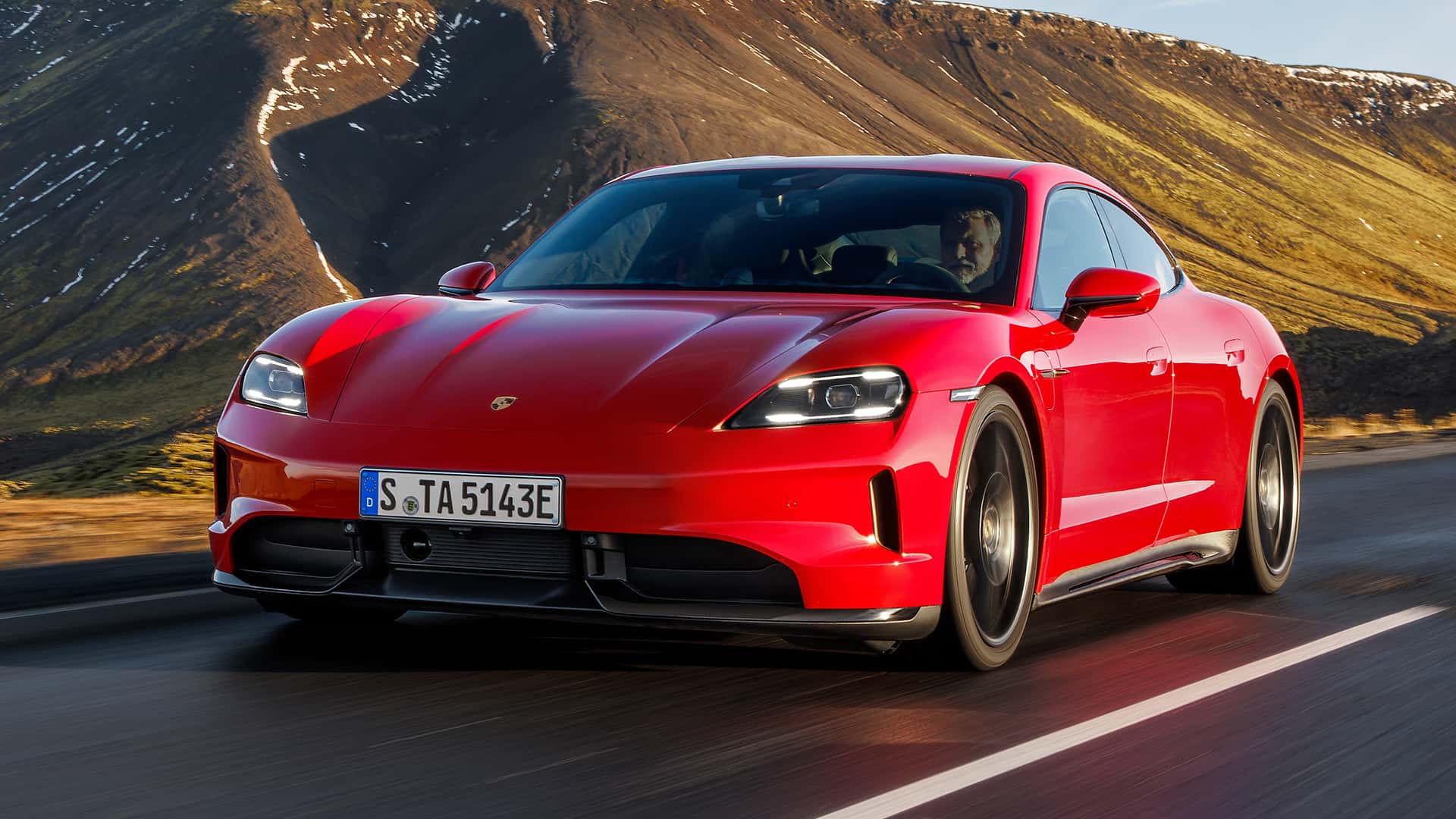
The Taycan holds a special position in Porsche history because it introduced the brand to series-production battery-electric performance when it arrived in 2019. Since then, Porsche has expanded the range through multiple body styles, power outputs and increasingly extreme performance variants.
Ending the model without a direct second-generation successor would therefore represent a notable reversal. The Taycan was originally positioned as evidence that electric propulsion could coexist with Porsche’s traditional focus on handling, performance, and driver engagement.
Porsche could still change course before the end of the decade, particularly if demand improves or the economics surrounding future development shift. The reported 2030 deadline remains based on unnamed sources rather than a formal product announcement, while Porsche itself has stopped short of confirming that the Taycan has an expiration date.
The Taycan May Still Have Several Years Left
Even if the report proves accurate, the Taycan is not disappearing immediately. Porsche’s own recent comments suggest the company intends to continue evaluating demand in the near term, potentially giving the model several years to justify its place in the lineup.
For enthusiasts, the possibility of losing the Taycan is particularly striking because it remains one of the few EVs built around the priorities of a traditional performance sedan rather than an SUV. Its sales numbers, however, suggest Porsche may ultimately decide that technical achievement and historical importance are not enough to guarantee another generation.
Should Porsche keep developing the Taycan even if sales remain relatively low? Would you rather see the company invest in another electric sports sedan, or focus those resources on combustion-powered and hybrid models?