
Over the past few decades, affordable sports cars and sporty coupes that once turned heads have quietly disappeared. Rising development costs, tighter safety and emissions regulations, and shifting consumer demand for larger crossovers and SUVs pushed these machines out of the mainstream. What was once a vibrant market for fun, attainable cars slowly gave way to practical family haulers and higher-profit vehicles.
These cars might still have loyal fans in enthusiast circles, but the broader market has mostly forgotten them. They survive in Reddit threads, obscure parts groups, and the occasional Craigslist ad, waiting for someone to say, “Hey, I remember that thing!”
Here’s a look back at 12 of these once-popular sports cars that deserve to be remembered.
How We Remembered What Everyone Forgot

Let’s be clear: some of these cars still have die-hard fans, and you might even see one at a car meet. But in the broader car world, they’ve faded from mainstream attention.
We focused on sports cars that were popular enough to make a splash, whether through ads, games, or a loyal first-owner crowd, but today get little recognition outside enthusiast corners. We dug through old auction listings, outdated forums, and comment threads to track them down, prioritizing models that once had real presence yet now fly under most people’s radar.
If you still remember them, that’s a credit to your excellent taste.
Mitsubishi 3000GT VR-4
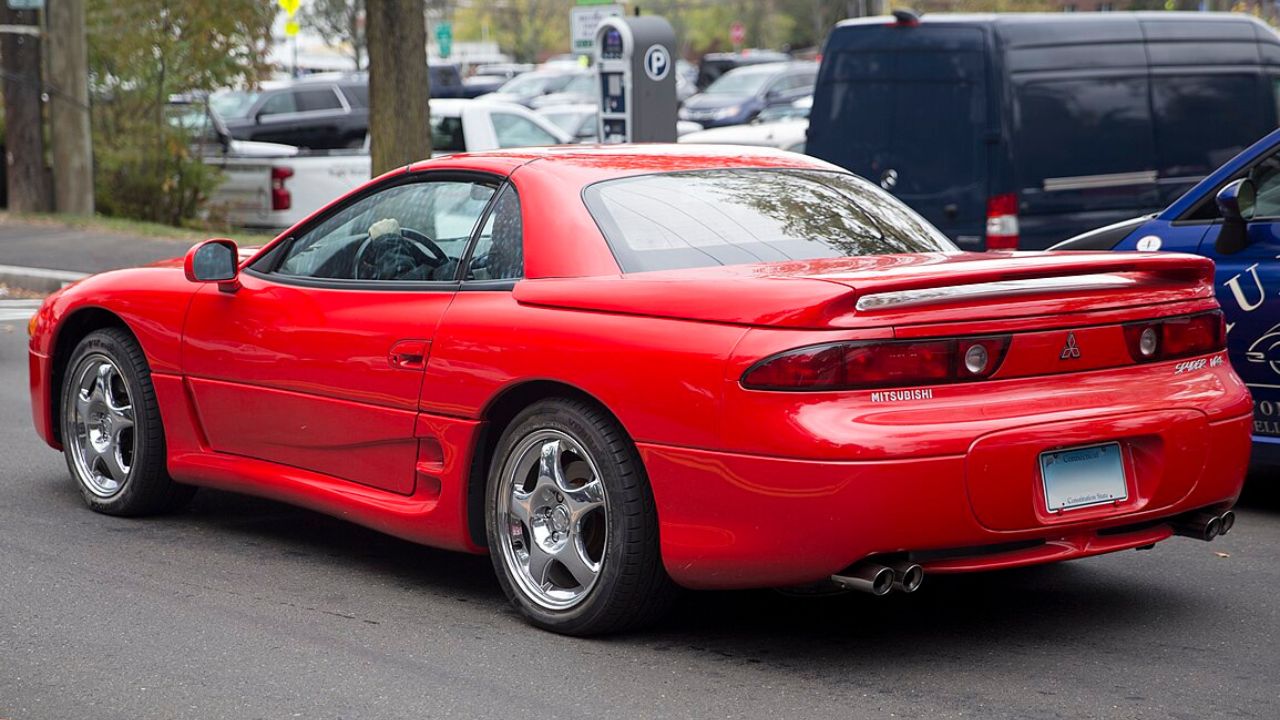
The 3000GT VR-4 was Mitsubishi’s answer to the ’90s tech wars – and it came armed to the teeth. All-wheel drive, twin turbochargers, active aero, and even four-wheel steering.
Active Aero that automatically dropped the front chin spoiler and increased the rear spoiler’s angle at speeds above about 50 mph. It was so advanced it could theoretically humiliate a period Corvette while coddling you in leather more comfortable than your grandma’s recliner. Yet somehow, its sheer complexity became its curse. Trying to fix all those fancy systems today is like performing open-heart surgery with a butter knife. Now, most people wouldn’t recognize one if it T-boned their Tesla.
Pontiac GTO (2004–2006)

Reviving the GTO nameplate was brave, but giving it an Australian accent? That confused the muscle crowd. They were expecting something that looked like it ate asphalt for breakfast, not a slightly beefed-up sedan. Based on the Holden Monaro, however, the modern GTO drove beautifully.
Despite its controversial looks, the modern GTO was an absolute sleeper. Under that unassuming exterior, it packed a punch with a 5.7L LS1 (2004, 350 hp), then a 6.0L LS2 (2005–2006, 400 hp). It drove beautifully, handled surprisingly well, and could smoke almost anything on the street. But its “conservative” (read: bland) design and interior that looked like it was designed by a committee of accountants doomed it to be overlooked. Today, it’s one of the most criminally underappreciated LS-powered beasts on the used market, just waiting for a savvy gearhead to unleash its true potential.
Toyota MR2 Spyder (2000–2005)

The MR2 Spyder was Toyota’s daring, mid-engine flirtation with Lotus-lite dynamics at a Toyota price. Featherweight and razor-sharp, it offered one of the purest, most unfiltered driving experiences for the money. It was basically a giant pair of roller skates with a steering wheel.
Toyota designed the MR2 Spyder to be simple and light, shedding the previous generation’s turbo and complex suspension. This meant its curb weight was a mere 2,195 pounds, giving it fantastic agility. Unfortunately, it looked a bit like a startled frog, and its “trunk space” was a cruel joke, it had two tiny storage bins, but Cargo space is tiny, about 1.9 cu ft, so even a backpack can be a tight squeeze depending on its shape. It apparently stayed very true to the Lotus Elise, another car that can’t even fit a racing helmet.
People traded these pocket rockets in for more “practical” cars. And then, a few years later, came the deep, crushing regret.
Nissan 240SX (S13/S14)
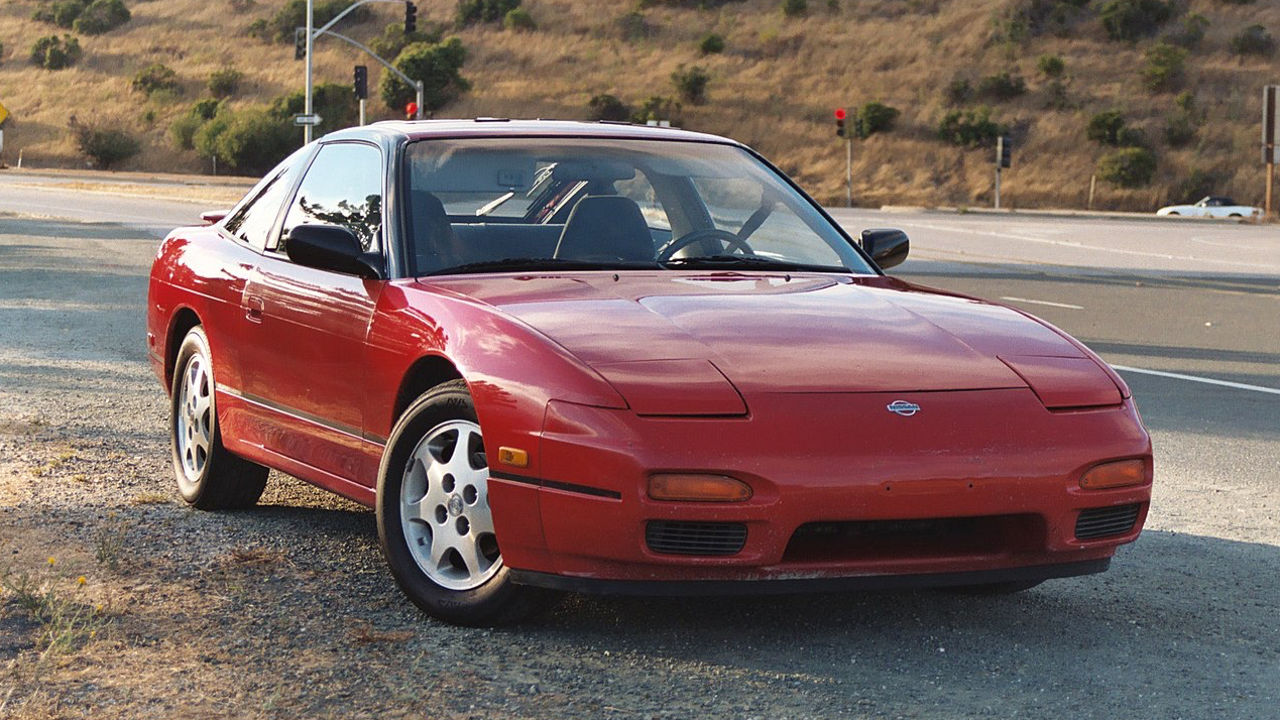
Ask any drifting fan or YouTube burnout champion, and they’ll swear by the 240SX. In its stock form, it was a mild-mannered coupe often found at local malls. But under that unassuming exterior lay a chassis with a near 55/45 weight distribution, rear-wheel drive, and enough mod potential to make a tuner shop owner drool.
While US models famously received the unloved KA24DE truck engine, the Japanese market (where it was known as the Silvia) was treated to the coveted SR20DET turbo engine, which is why many US 240SXs eventually underwent engine swaps. Most 240SXs were eventually sacrificed to the gods of camber, coilovers, and sideways antics. Finding a clean one today is like finding a real profile in a sea of bots on Tinder.
Saturn Sky Red Line
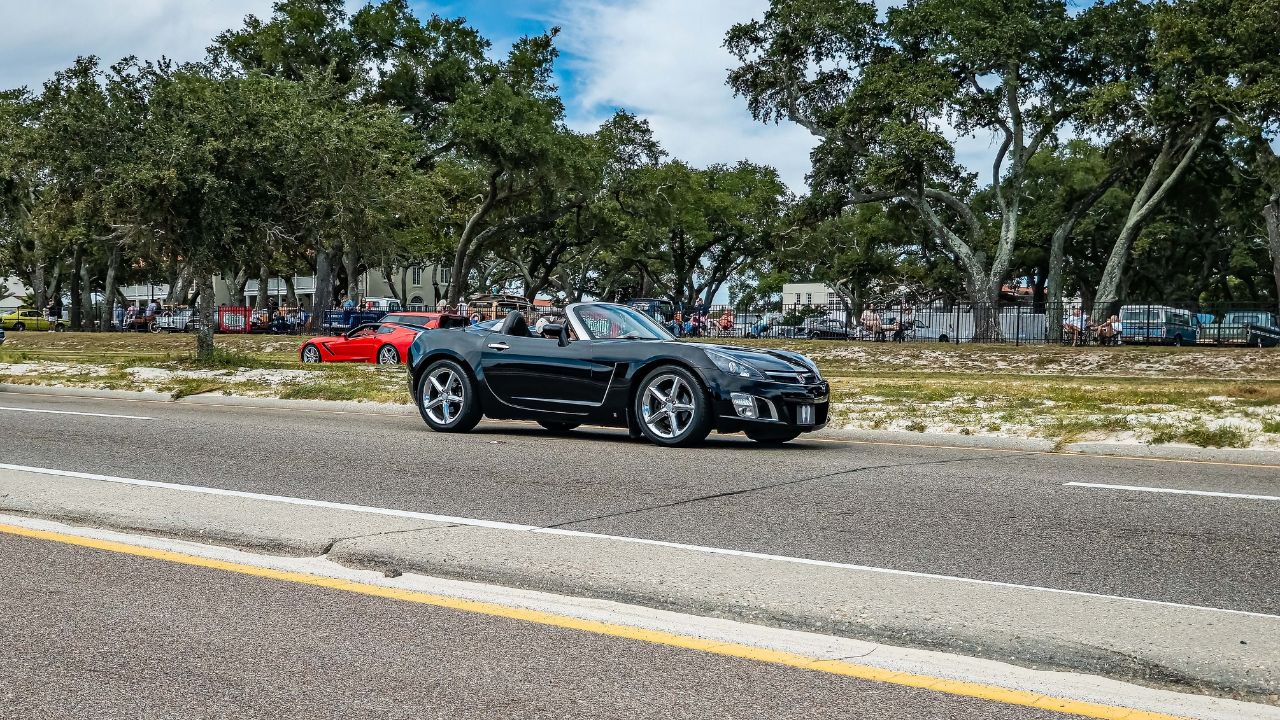
Saturn, that lovable experiment in anti-dealership car buying, briefly made a turbocharged roadster with sharp Euro lines. The Sky Red Line was quick, sharp, and rare, like a poor man’s BMW Z4 with GM quirks.
The Sky Red Line shared its Kappa platform with the Pontiac Solstice and sported GM’s 2.0L Ecotec LNF turbocharged engine, making 260 horsepower. It was a feisty little thing, capable of hitting 60 mph in about 5.2 seconds (tested). Then Saturn died a slow, painful death. And with it, so did everyone’s memory of this surprisingly playful drop-top. It’s the automotive equivalent of that hole-in-the-wall bar you loved before the owners divorced, and a millennial burger joint replaced it.
Mazda RX-8
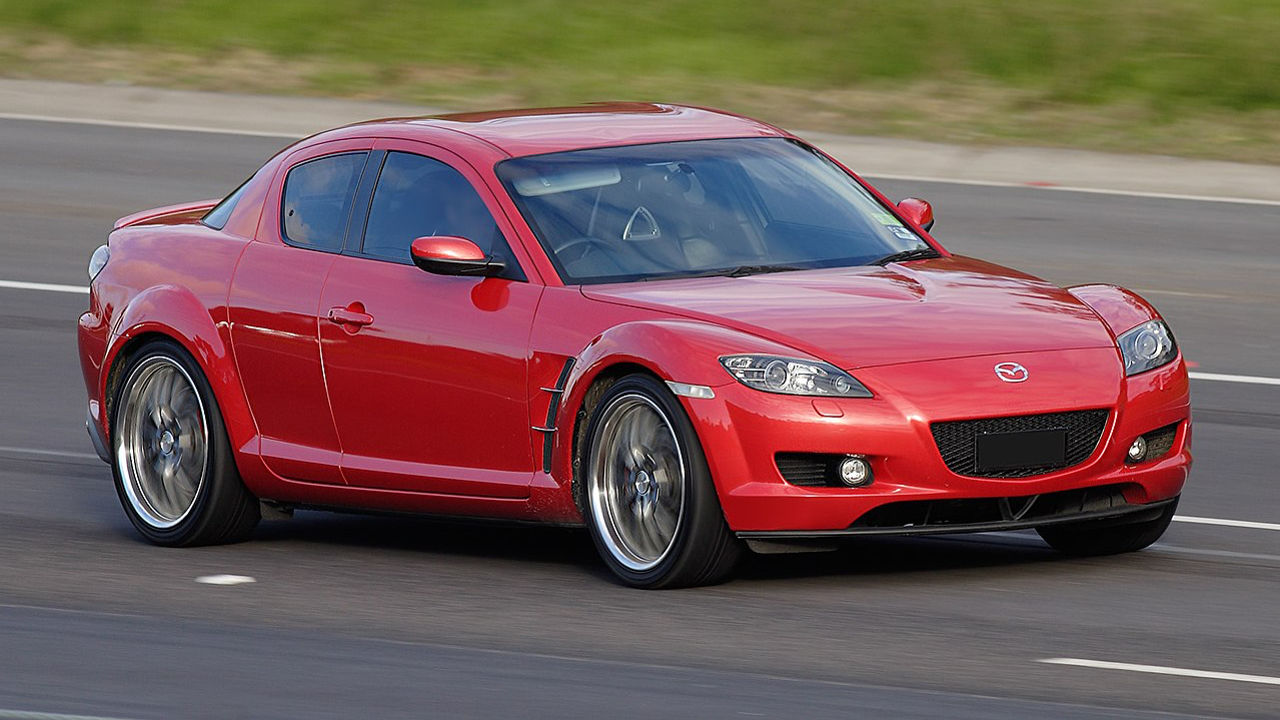
The Mazda RX-8 had all the high-revving rotary magic of its legendary RX-7 predecessor, and, unfortunately, all the glorious, wallet-draining headaches too. But it tried to be practical, thanks to its unique “freestyle” rear-hinged doors (which were surprisingly clever), and it handled like a dream. It screamed to 9,000 RPM with a sound like a swarm of angry bees and it drank oil like it was cheap tequila.
The RX-8’s Renesis rotary engine was unique because it featured side exhaust ports; rotaries also consume oil by design, and higher-mileage engines can use more as the engine aged. Most drivers, after years of topping up oil and worrying about apex seals, eventually gave up and bought Miatas instead.
Still, it was a truly unique car that dared to be different, even if it meant more visits to the mechanic.
Chrysler Crossfire SRT-6

Built in Germany, designed in Detroit – and shaped like a shoe. The Crossfire SRT-6 had the heart of a Mercedes SLK32 AMG, complete with a supercharged V6. But people couldn’t get past the oddball styling.
Still, this thing was a sleeper missile in dad-bod disguise. With 330 hp, it could hit 60 mph in about 5.1 seconds (tested), beating more expensive sports cars of the same decade. Imagine getting smoked on an empty highway by a stiff-looking loafer.
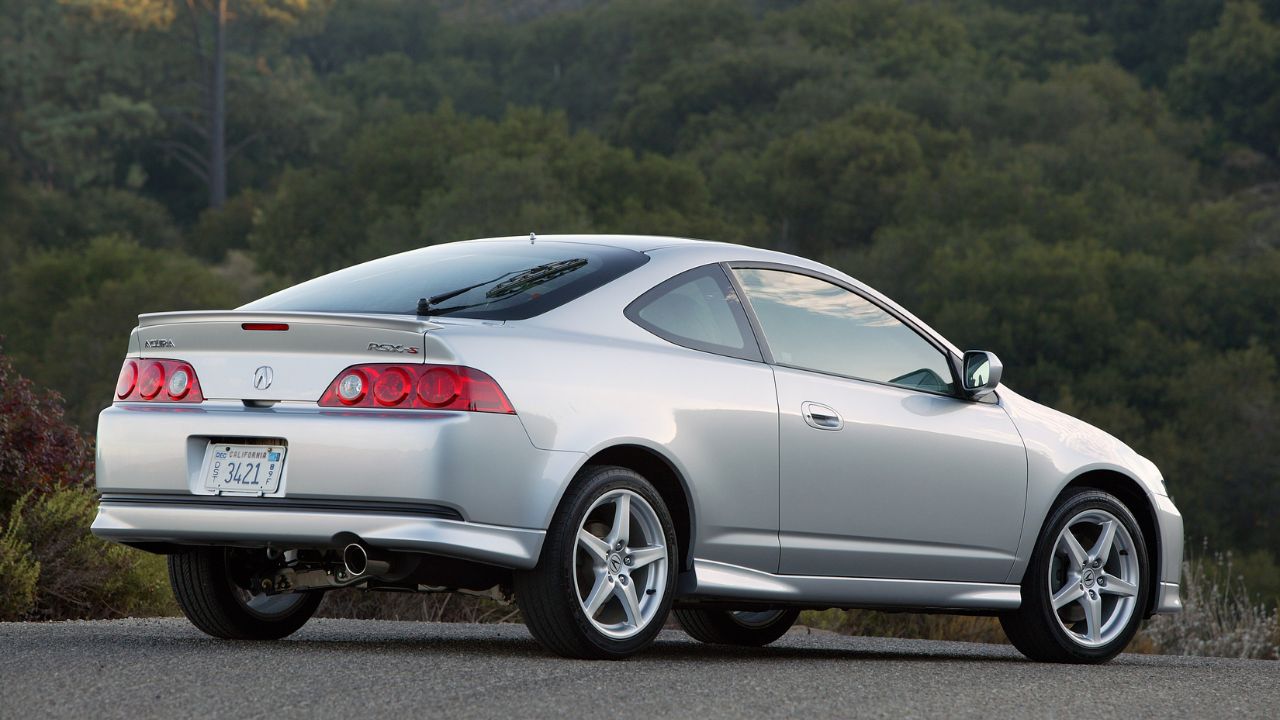
Acura RSX Type-S

Before Honda decided to kill VTEC enthusiasm with soul-crushing CVTs, there was the Acura RSX Type-S. This hot little coupe boasted one of the best front-wheel-drive chassis ever made, and an engine that absolutely begged to be redlined, screaming like a banshee as the VTEC kicked in.
The RSX Type-S’s K20A2 engine was an absolute jewel, capable of churning out 200 horsepower from a naturally aspirated 2.0-liter. It was a tuner favorite, a track day darling, but perhaps a little too refined to attract the Fast & Furious crowd long-term, who preferred their cars to be louder and less subtle. Now, it’s a bit of a unicorn, a glorious forgotten chapter that came between the iconic Integra and the more recent Civic Type R.
Ford Probe GT

The name choice sparked mixed reactions, but the Probe GT was a serious piece of kit, especially the second-gen model with the Mazda-sourced V6 and great handling. It was supposed to replace the Mustang at one point, and thank goodness it didn’t.
The Probe GT’s 2.5L KL-DE V6 made 164 hp and it had sleek pop-ups, but its fun drive was often overshadowed by Ford’s peculiar name choice. In Europe, the name didn’t help, and sales were weak. The Probe’s European run was short, and it quietly disappeared from the market. C’mon guys, this is serious!
Subaru SVX

Subaru, bless their quirky hearts, once dared to dream big: “Let’s build a grand tourer with all-wheel drive and a fighter-jet windshield!” And thus, the SVX was born. It arrived with its unique, aircraft-inspired window-within-a-window design and promptly died a quiet death, mostly due to its odd looks and a sluggish automatic-only transmission. Production ran from 1991 to December 1996, with sales continuing into 1997 in some markets.
The SVX was designed by Italian automotive legend Giorgetto Giugiaro, responsible for iconic cars like the DeLorean and the Lotus Esprit. (Someone has to say it: What the heck happened??) It featured a unique 3.3L horizontally opposed “flat-six” engine making 230 hp. But it was only ever available with a 4-speed automatic, which dulled its performance. Still, it was comfortable, smooth, and unlike anything else Subaru’s made since. It’s the car equivalent of a ’90s sci-fi pilot that was brilliant but never got a second season.
Volkswagen Corrado VR6
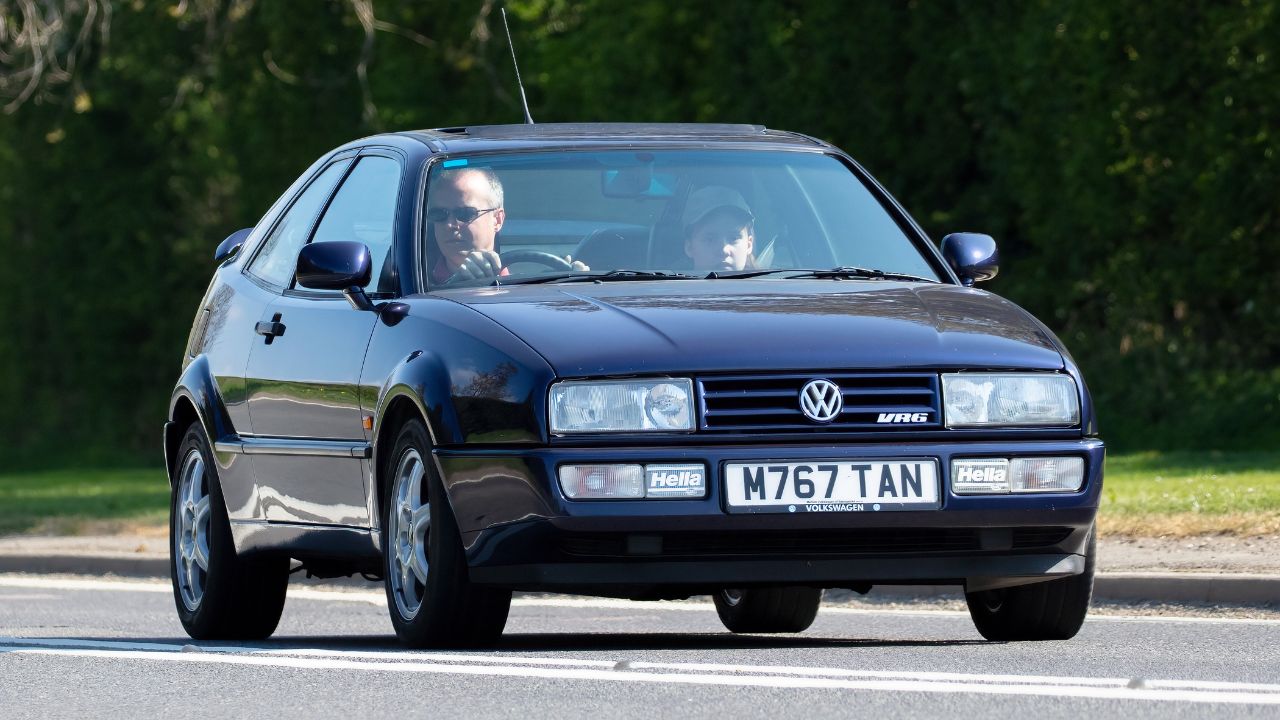
Volkswagen’s angriest hatchback, the Corrado VR6, was fast, feral, and absolutely bursting with personality. The VR6 engine, a unique narrow-angle V6 that acted almost like an inline-six, had a growl to match its bite, and that active rear spoiler was peak ’90s over-engineering (and cool factor).
The Corrado’s VR6 engine was so compact that it allowed VW to fit a V6 where usually only a four-cylinder would go. Its active spoiler would The active rear spoiler deployed above 75 mph in many markets (about 45 mph in the U.S.), and retracted at low speed. Ug, so cool. But maintaining this European temperamental beast was a nightmare, and parts were rarer than a quiet night at a NASCAR race. Most got scrapped, or worse, modded beyond all recognition into some tuner’s fever dream.
Hyundai Genesis Coupe (2010–2016)

Remember when Hyundai decided it wanted to pick a fight with the Mustang and the 370Z? Not many do. However, the Genesis Coupe was the brand’s boldest move yet, a rear-wheel-drive performance car with turbocharged or V6 power and sharp styling that turned heads. It had aggressive lines, a sporty interior, and tuning potential that got the attention of car forums everywhere.
Enthusiasts praised its bang-for-the-buck dynamics, but critics dinged it for refinement issues so it never quite shook the badge snobbery. Hyundai quietly discontinued it as the Genesis brand went upscale, and just like that, a modern-day hero of affordable speed faded into the fog of memory.
When Cars Had Character (and Cupholders That Didn’t Work)
The twelve cars above weren’t perfect. Some had quirks, odd styling choices, or features that aged badly. But they were interesting, and that counts for more than we realize in an era of electric sameness and endless touchscreens.
Maybe it’s nostalgia talking. Or maybe we really did lose something when these cars slipped through the cracks of mass memory. Either way, if this article gets you to stop scrolling long enough to say, “Hey, I remember that thing!”, then mission accomplished.
So here’s to the forgotten sports cars, the ones that tried, failed, thrilled, and disappeared. May they live on in classifieds, in garages, and in the kind of conversations that happen when you see an old VR-4 pass you on the highway.